







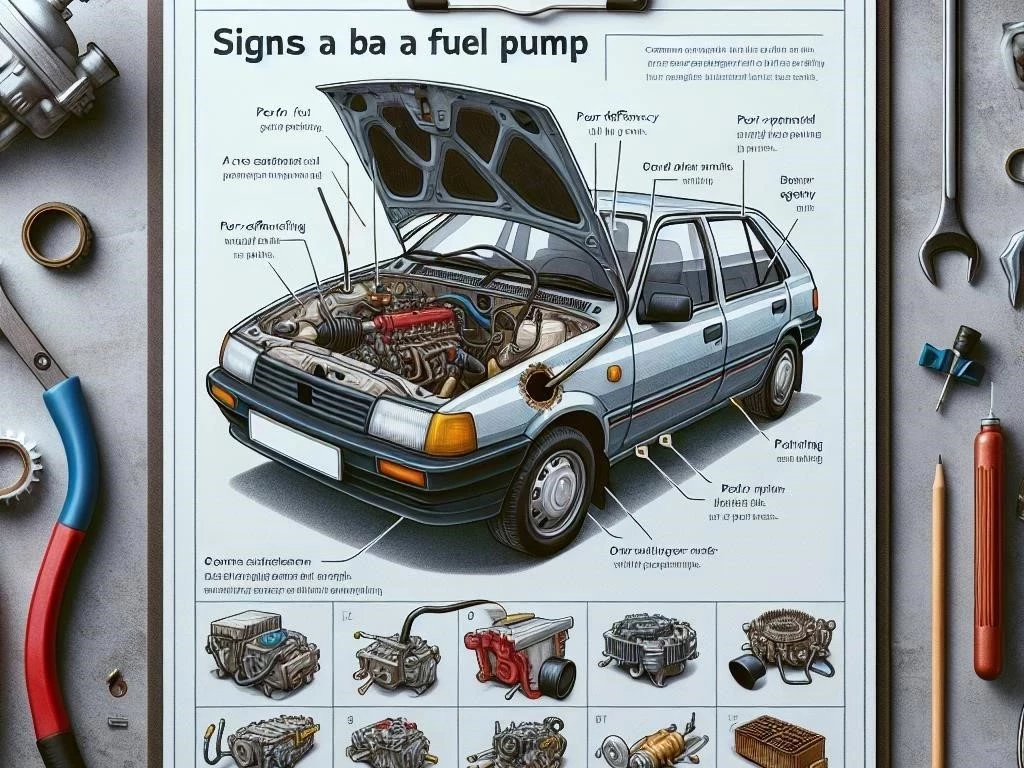
Signs of a Bad Fuel Pump
Identifying signs of a bad fuel pump is crucial for ensuring optimal vehicle performance. Pay attention to engine sputtering, stalling, and unusual noises or vibrations.
Understanding the Fuel System
The fuel system is essential for delivering the right amount of fuel to the engine, ensuring optimal engine performance. It consists of various components, including the fuel tank, fuel pump, fuel injectors, and fuel lines. Each part plays a significant role in maintaining fuel delivery and pressure. Understanding how these components work together can help diagnose potential issues. When the fuel pump malfunctions, it can lead to starting issues, engine sputtering, and overall diminished vehicle performance.
Key Functions of the Fuel Pump
The fuel pump serves crucial functions in the vehicle’s fuel system, primarily ensuring consistent fuel delivery to the engine. It maintains fuel pressure necessary for optimal combustion and engine performance. Additionally, the pump transports fuel from the tank to the engine, overcoming gravity and ensuring smooth operation. A properly functioning fuel pump minimizes the risk of fuel leaks and stalling, while any failure can lead to diagnostic trouble codes, reduced power, and noticeable engine issues during operation.
Warning Signs of Fuel Pump Failure
Recognizing warning signs of fuel pump failure is vital for timely automotive troubleshooting. Common indicators include unusual noises, vibrations, and engine sputtering during acceleration. Additionally, you may experience starting issues, where the engine struggles or fails to start altogether. Fuel gauge problems, such as inaccurate readings, can also signal pump failure. If you notice reduced power while driving or unexpected stalling, these symptoms should prompt immediate investigation to prevent further vehicle performance issues and costly repairs.
3.1 Engine Sputtering and Stalling
Engine sputtering and stalling are critical warning signs of a failing fuel pump. When the pump cannot maintain adequate fuel pressure, the engine may receive inconsistent fuel delivery. This inconsistency can lead to sputtering, where the engine misfires or hesitates during acceleration. Stalling occurs when the engine suddenly shuts off due to insufficient fuel supply. Both symptoms can be exacerbated by fuel leaks, and addressing these issues promptly is essential for maintaining vehicle performance and safety on the road.
3.2 Starting Issues and Reduced Power
Starting issues and reduced power are significant indicators of a failing fuel pump. If the pump cannot generate adequate fuel pressure, the engine may struggle to start or fail to start altogether. This frustration can lead to repeated attempts to start the vehicle; Additionally, when the fuel pump malfunctions, the engine may experience reduced power, making acceleration sluggish and unresponsive. These symptoms can heavily impact overall driving experience, necessitating prompt attention to restore optimal vehicle performance.
Diagnostic Trouble Codes and Fuel Pressure Issues
Diagnostic trouble codes (DTCs) can provide valuable insights into potential fuel pump issues. When the fuel pump malfunctions, the vehicle’s onboard computer may generate specific codes related to fuel pressure problems. These codes can help pinpoint the source of the issue, guiding effective automotive troubleshooting and repair. Additionally, checking fuel pressure is crucial; insufficient pressure can indicate a failing pump. Regular diagnostics and pressure checks ensure timely maintenance, improving vehicle performance and preventing further complications down the line.
4.1 Common Diagnostic Trouble Codes
Common diagnostic trouble codes associated with fuel pump failures include P0190, P0230, and P0087. The P0190 code indicates issues with fuel pressure sensors, while P0230 points to fuel pump relay malfunctions. Meanwhile, the P0087 code suggests that fuel rail pressure is too low, often linked to pump performance problems. Understanding these codes can help in diagnosing fuel system issues. Regularly scanning for DTCs can assist in timely repairs, ensuring optimal vehicle performance and reliability on the road.
4.2 Checking Fuel Pressure and Related Problems
Checking fuel pressure is essential for diagnosing fuel pump issues effectively. Use a fuel pressure gauge to measure the pressure at the fuel rail; inadequate pressure often indicates pump failure. Additionally, inspect for fuel leaks, as these can affect overall pressure and performance. If pressure readings are inconsistent or below manufacturer specifications, further investigation is necessary. Addressing these related problems promptly can prevent severe engine performance issues and ensure a reliable, efficient driving experience.
Maintenance and Repair Tips for Fuel Pump Issues
Regular maintenance is crucial for preventing fuel pump issues and ensuring optimal vehicle performance. Start by keeping the fuel tank at least a quarter full to avoid sediment buildup. Additionally, replace fuel filters as recommended to prevent debris from entering the pump. When experiencing symptoms of a failing pump, conduct thorough diagnostics and address any issues promptly. Seeking professional help for repairs can prevent further damage and ensure your fuel system operates efficiently, enhancing overall vehicle reliability.
5.1 Regular Maintenance to Prevent Failure
Performing regular maintenance is vital for preventing fuel pump failure. Change fuel filters according to manufacturer recommendations to keep contaminants from clogging the system. Additionally, regularly check the fuel tank for any signs of debris or water accumulation. It’s also essential to ensure electrical connections and wiring to the fuel pump are secure and free from corrosion. By adhering to these maintenance practices, you can prolong the life of your fuel pump and maintain optimal engine performance.
5.2 When to Seek Professional Help
Knowing when to seek professional help for fuel pump issues is crucial for effective automotive troubleshooting. If you experience persistent symptoms like engine sputtering, stalling, or starting difficulties, consult a mechanic promptly. Additionally, if diagnostic trouble codes indicate fuel system problems, professional evaluation is essential. Ignoring these warning signs can lead to more severe issues, including complete fuel pump failure. Expert technicians can accurately diagnose and repair fuel system problems, ensuring your vehicle’s performance and reliability.
