







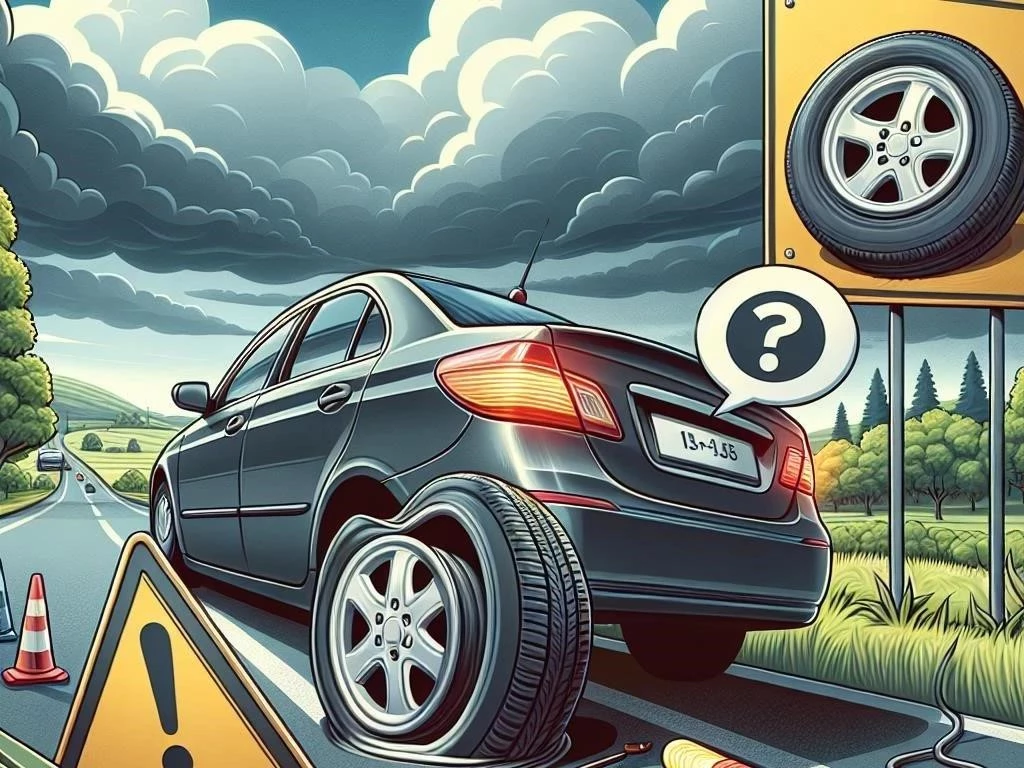
Can You Drive on a Flat Tire?
Driving on a flat tire is highly discouraged due to safety risks, potential tire damage, and compromised vehicle handling that can lead to accidents and injury.
Understanding Flat Tires
A flat tire occurs when a tire loses air pressure, rendering it incapable of supporting the vehicle’s weight. This can be caused by various factors, including punctures, valve stem leaks, or damage from road hazards. It’s crucial to recognize that driving on a flat tire can severely impair vehicle handling and stability, leading to traction loss and increased accident risk. The rubber degradation and tread wear can worsen if the tire is not promptly addressed. Understanding flat tires ensures you take proper precautions and avoid emergency situations, thus ensuring driving safety and optimal vehicle performance.
The Impact of Driving on a Flat Tire
Driving on a flat tire significantly impacts vehicle performance, leading to compromised vehicle handling and stability. When a tire loses air, the rubber can experience increased degradation and uneven tread wear, resulting in further damage. This situation can escalate the risk of tire blowouts, endangering both the driver and other road users. Additionally, operating a vehicle with a flat tire can lead to poor traction, increasing the likelihood of accidents. Ensuring proper air pressure and addressing tire issues promptly is vital for maintaining driving safety and preventing potential emergencies on the road.

Driving Safety and Flat Tires
Driving on a flat tire poses significant safety risks, including loss of vehicle stability, increased accident risk, and potential tire damage, making prompt action essential.
Risks Associated with Driving on a Flat Tire
Driving on a flat tire presents numerous risks, primarily affecting safety and vehicle performance. First, it significantly reduces traction, increasing the likelihood of losing control, especially on wet or uneven surfaces. The vehicle’s stability is compromised, leading to unpredictable handling. Moreover, prolonged driving on a flat can cause irreversible tire damage, making repairs costly and sometimes necessitating complete tire replacement. Additionally, the risk of a blowout increases, which can lead to emergency situations. Understanding these risks emphasizes the importance of addressing flat tires promptly to ensure driving safety and prevent potential accidents.
Blowout Risk and Vehicle Handling
Driving on a flat tire significantly elevates the blowout risk, which can lead to dangerous driving scenarios. A blowout occurs when the tire fails suddenly, often resulting in loss of vehicle control. Vehicle handling becomes compromised as the driver struggles to maintain steering control, increasing the likelihood of an accident; Additionally, the impact on vehicle stability can lead to swerving or rolling, particularly at higher speeds. The effects of tire damage also contribute to uneven wear, worsening handling characteristics. Therefore, avoiding driving on a flat tire is crucial for maintaining safety and ensuring optimal vehicle performance.
Recognizing Tire Damage
Recognizing tire damage is crucial for ensuring vehicle safety. Signs include bulges, cracks, punctures, and uneven tread wear, indicating immediate attention is necessary.
Signs of Tire Damage and Rubber Degradation
Identifying signs of tire damage and rubber degradation is essential for maintaining driving safety. Look for bulges or blisters on the tire surface, which indicate internal damage. Cracks in the sidewalls or tread can signal rubber degradation, making the tire more vulnerable to punctures. Uneven tread wear may suggest alignment issues or improper inflation, affecting vehicle handling. Additionally, frequent air pressure loss may indicate leaks or punctures. Regular inspections are vital for detecting these signs early, ensuring timely tire repair or replacement, and ultimately preventing dangerous situations while driving.
Tread Wear and Traction Loss
Tread wear is a critical factor in determining a tire’s performance and safety. When tires are flat, tread wear accelerates unevenly, leading to reduced traction on the road. Insufficient tread depth compromises grip, especially in wet or slippery conditions, increasing the risk of skidding or hydroplaning. Additionally, traction loss diminishes the vehicle’s ability to stop effectively, heightening the accident risk. Regularly monitoring tread depth and addressing flat tires promptly ensures optimal traction and driving safety. Investing in timely tire maintenance and replacement helps maintain vehicle stability and performance on the road.
Emergency Situations and Flat Tires
In emergency situations involving flat tires, immediate action is essential. Staying calm and following proper procedures can prevent further complications and ensure safety.
What to Do in an Emergency Situation
In an emergency situation involving a flat tire, the first step is to remain calm and safely pull over to the roadside. Turn on hazard lights to alert other drivers. Once stationary, assess the tire for visible damage and ensure your safety by staying clear of traffic. If you have a spare tire and the necessary tools, carefully replace the flat tire following the manufacturer’s instructions. If uncomfortable or unprepared, contact roadside assistance for professional help. Always prioritize safety and avoid driving on a flat tire to prevent further damage and potential accidents.
Using a Spare Tire and Roadside Assistance
Using a spare tire is an essential skill for handling flat tire emergencies. If you find yourself with a flat, retrieve the spare tire and necessary tools from your vehicle. Follow the correct procedure to replace the damaged tire, ensuring the spare is properly inflated. If you lack experience or tools, calling roadside assistance is a wise choice. They can provide expert help, ensuring your safety and addressing any underlying issues. Remember, spare tires are typically designed for temporary use; schedule a tire repair or replacement as soon as possible to maintain vehicle performance.
Tire Maintenance and Repair
Proper tire maintenance and timely repair are crucial for vehicle safety. Regular checks and prompt actions prevent flat tires, ensuring optimal performance and longevity.
Importance of Regular Inflation Checks
Regular inflation checks are vital for ensuring tire safety and performance. Maintaining the correct air pressure helps prevent tire damage and extends tire life. Under-inflated tires can lead to increased tread wear, reduced fuel efficiency, and heightened blowout risk, especially when driving on flat tires. Conversely, over-inflated tires may cause uneven wear and compromise traction, affecting vehicle handling. By routinely checking tire pressure, drivers can ensure optimal performance and stability. Investing time in these checks not only enhances driving safety but also contributes to overall vehicle maintenance and reduces long-term repair costs.
Puncture Repair and Tire Replacement
Puncture repair is a common solution for flat tires, but it’s essential to assess the damage first. If the puncture is in the tread and not larger than a quarter-inch, it may be repairable. Professional tire shops can patch or plug the tire, restoring its integrity. However, if the damage is severe or located on the sidewall, tire replacement becomes necessary. Driving on a flat can exacerbate tire issues, so timely repair or replacement is crucial. Regular inspections help identify potential problems, ensuring safe driving and optimal vehicle performance on the road.
Driving Tips for Improved Vehicle Performance
To enhance vehicle performance, regularly maintain tires, check air pressure, monitor tread wear, and address flat tires promptly to ensure safe and efficient driving experiences.
Safety Precautions for Avoiding Flat Tires
To avoid flat tires, implement essential safety precautions. Regularly inspect tires for signs of damage, such as cracks or bulges, and monitor tread depth. Ensure proper air pressure by conducting regular inflation checks, as both under-inflation and over-inflation can lead to tire failure. Be cautious of road hazards, including potholes and debris, which can cause punctures. Rotate tires periodically to promote even wear and extend their lifespan. Additionally, maintain your vehicle’s alignment and suspension to enhance overall handling. Following these precautions can significantly reduce the risk of flat tires and enhance driving safety.
Automotive Advice for Car Troubles
When facing car troubles, especially regarding tires, it’s essential to act promptly and wisely. Always keep a well-stocked emergency kit in your vehicle, including a spare tire, jack, and basic tools for quick fixes. Educate yourself on how to change a flat tire safely or call for roadside assistance if needed. Regular vehicle maintenance, including tire inspections and air pressure checks, can prevent unexpected issues. Stay informed about your vehicle’s performance and listen for unusual sounds or vibrations, as these may indicate underlying problems requiring immediate attention to ensure driving safety.
