







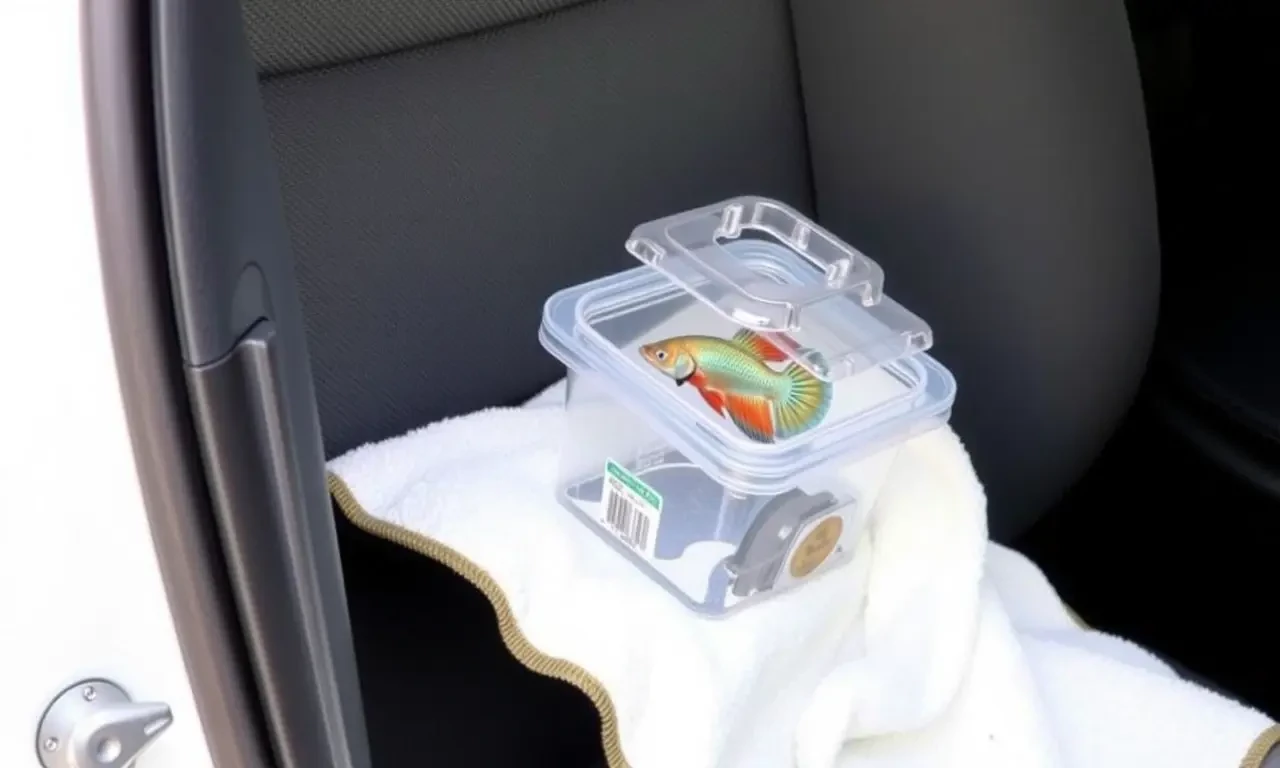
How to transport a betta fish in a car
Transporting a Betta fish, known for their vibrant colors and flowing fins, can be a daunting task for fish owners. Properly preparing for car travel is essential to ensure the safety and well-being of your aquatic friend. This article provides a detailed guide on how to transport a Betta fish in a car, covering aspects such as fish container selection, water quality, acclimation, and stress reduction during travel.
Preparing for Transport
Selecting a Fish Container
Choosing the right fish container is crucial for safe transport. A secure container that prevents leaks and provides ample space is ideal. Options include:
- Plastic Fish Bags: Commonly used for short trips; ensure they are thick and durable.
- Portable Tupperware or Containers: Ensure they have a tight seal to prevent spills.
Maintaining Water Quality
Water quality is vital for the health of your Betta fish. Prior to travel, prepare the water in the container by using a water conditioner to remove harmful chemicals like chlorine. This will help maintain a stable environment similar to their home aquarium.
During the Journey
Acclimation
Before placing the Betta in the travel container, allow them to acclimate to the new water conditions. This can be done by gradually mixing water from their home tank with the new container water over a period of 20-30 minutes.
Stress Reduction
Travel can be stressful for Betta fish. To minimize stress, consider the following:
- Dim the Lights: Use a dark cloth to cover the container, reducing light exposure.
- Minimize Noise and Vibrations: Place the container in a stable position away from car speakers.
Temperature Control
Maintaining the proper water temperature is critical. Betta fish thrive in temperatures between 76°F and 82°F. During transport, regularly monitor the temperature and use car heating or cooling systems to maintain a stable environment.
Secure Container
Ensure the container is securely placed to prevent tipping or excessive movement. Consider using a seatbelt or placing it in a stable area of the car to avoid sudden jolts.
Travel Duration
Plan your route and travel duration to avoid prolonged journeys. If the trip exceeds a few hours, consider stopping for brief periods to check on the fish and ensure their environment remains stable.
Fish Safety
Safety is a top priority. Ensure the container lid is tight yet allows some air exchange. If using a bag, leave some air at the top for oxygen supply. Avoid placing the container in direct sunlight or extreme temperatures.
Post-Travel Care
Acclimation to New Environment
Once you arrive, avoid immediately transferring the Betta to their tank. Allow them to acclimate again by gradually introducing tank water to the container water over 30-60 minutes.
Feeding Schedule
During travel, it is advisable to avoid feeding the Betta fish to prevent water contamination. Once settled, resume their normal feeding schedule.
Gentle Handling
Throughout the process, gentle handling is essential to prevent injury to your Betta. Use a soft net or your hands to transfer the fish, ensuring minimal stress and damage to their delicate fins.
With careful preparation and attention to detail, transporting your Betta fish by car can be a smooth and stress-free experience. Prioritizing their health and safety will ensure your vibrant companion arrives at their new home happy and healthy.
