







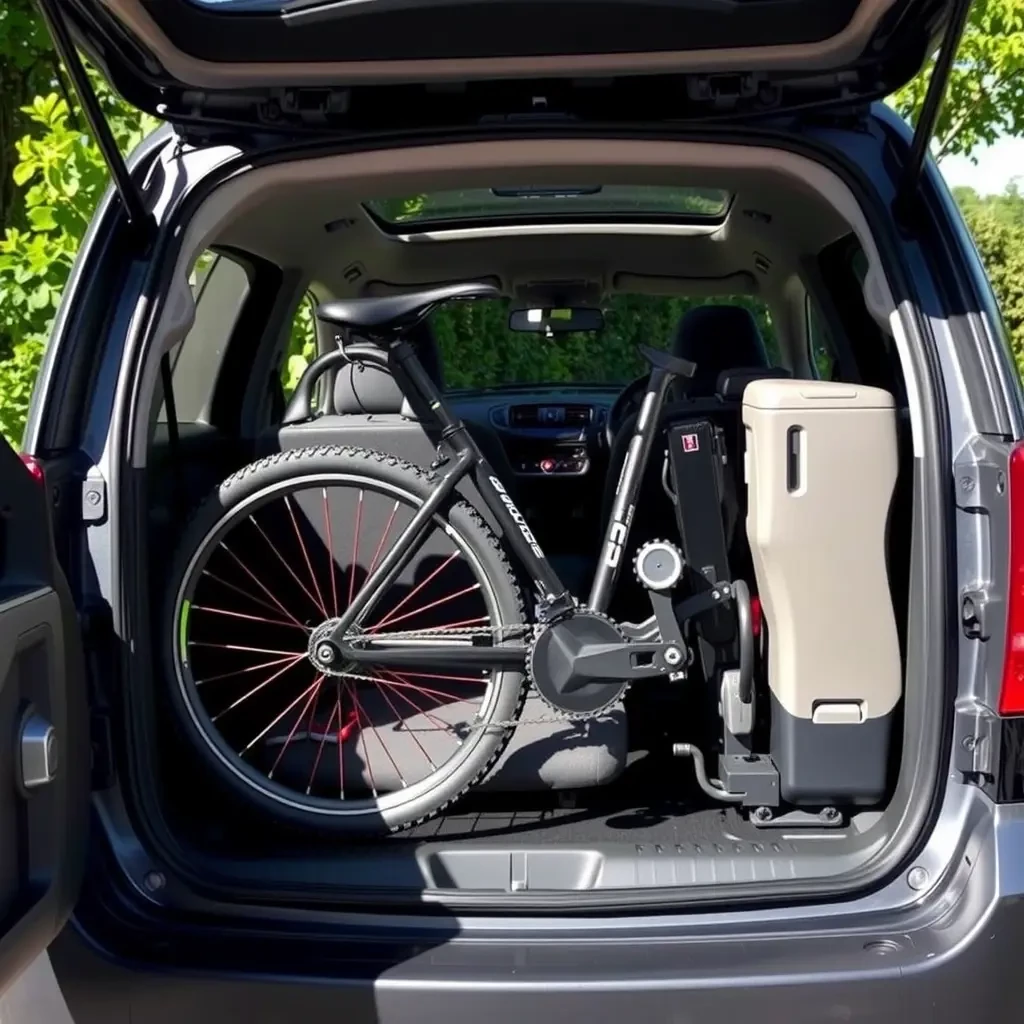
How to transport a bike in a small car
Transporting a bike in a small car can be a challenging endeavor, especially if you’re new to cycling or have recently acquired a new bike․ However, with the right strategies and tools, you can easily and safely transport your bike without compromising on space or safety․ This guide will explore various methods and accessories to achieve compact transportation of your bike․
Understanding Vehicle Capacity and Space Optimization
Before embarking on transporting your bike, it’s crucial to understand your vehicle’s capacity․ A small car typically has limited trunk space and interior storage․ Therefore, optimizing the available space is essential․
Key Considerations
- Vehicle Capacity: Assess how much gear your car can handle without overcrowding․
- Space Optimization: Utilize every inch of available space efficiently․
Folding Bikes and Compact Transportation
If you frequently transport your bike, investing in a folding bike could be an excellent solution․ Folding bikes are designed for compact transportation, making them ideal for small cars․ Their ability to fold into a compact size allows them to fit into tight spaces like the trunk or backseat․
Disassembling Your Bike
If a folding bike isn’t an option, you can still transport a standard bike by disassembling certain parts to make it more compact․ Here’s how:
- Removable Wheels: Most bikes come with quick-release wheels․ Removing them can significantly reduce the bike’s size․
- Disassemble Bike: Remove pedals and lower or remove the seat post to minimize space usage․
Using a Bike Rack
A bike rack is a popular choice for transporting bikes on small cars․ There are several types of bike racks that can be attached to different parts of the car:
- Roof Rack: Mounts on the roof, freeing up interior space but may affect aerodynamics․
- Hatchback Rack: Attaches to the rear of the vehicle, suitable for hatchbacks․
Interior Storage Solutions
For those who prefer to keep their bike inside the car, utilizing interior storage is key․ Consider the following:
- Trunk Space: If your car’s trunk is spacious enough, you can place the bike inside after disassembly․
- Backseat Storage: Lay the bike across the backseat using protective padding to prevent damage․
Secure Fastening and Protective Measures
Safety is paramount when transporting a bike inside or outside your car․ Ensure secure fastening of the bike using straps or bungee cords․ Additionally, use a bike cover to protect the bike from dust and dirt during transport․
Travel Accessories and Cycling Gear
Besides the bike itself, you may need to transport cycling gear and other travel accessories․ Here’s how to manage them:
- Cargo Area: Use the cargo area to store helmets, shoes, and other gear․
- Space Optimization: Use organizers or bins to keep gear tidy and accessible․
Transporting a bike in a small car may seem daunting, but with a bit of planning and the right equipment, it can be done efficiently․ Whether you opt for a folding bike or a bike rack, understanding your car’s capabilities and maximizing space will ensure that your bike and gear arrive safely at your destination․
