








New Apartment Checklist
Moving into a new apartment requires careful planning. Follow this checklist to ensure a smooth transition and make your new living space comfortable.
Apartment Guide
Finding the perfect apartment can be overwhelming. Start by considering your budget and desired location. Utilize an apartment guide to filter options based on amenities, size, and price. Make a list of must-have features, such as the number of bedrooms, parking availability, and pet policies. Additionally, explore neighborhood research to understand local schools, grocery stores, and public transportation. Schedule viewings to assess the actual space and the surrounding area. Don’t forget to ask about the lease agreement terms and any additional costs, like security deposits. With a thorough approach, you’ll find a place that feels like home.
Pre-Move Preparation
Effective pre-move preparation is essential for a smooth transition. Begin by creating a comprehensive moving checklist to outline each step of the process. Start packing early and develop a packing list to ensure you don’t forget any home essentials. It’s also crucial to review your lease agreement thoroughly, noting any special conditions. Conduct neighborhood research to familiarize yourself with the area, including nearby amenities; Schedule necessary utility setups and consider any maintenance tasks needed after moving in. Lastly, allocate time for cleaning your new apartment before unpacking, ensuring a fresh start in your new home.
2.1. Neighborhood Research
Conducting thorough neighborhood research is vital before moving into a new apartment. Begin by exploring local amenities, such as grocery stores, parks, and restaurants. Assess the proximity to public transportation and major highways for convenience. Investigate the area’s safety by reviewing crime statistics and talking to current residents. Consider the community vibe; visit during different times to gauge noise levels and activity. Look into nearby schools or services if you have children or pets. Lastly, check online reviews and forums to gain insights about the neighborhood, ensuring it aligns with your lifestyle and meets your needs for a comfortable living experience.
2.2. Lease Agreement Review
Reviewing the lease agreement is a crucial step in the apartment rental process. Carefully read through the document to understand your rights and responsibilities. Pay attention to the lease duration, payment deadlines, and potential rent increases. Note any clauses regarding early termination, subletting, or maintenance responsibilities. Consider the security deposit terms, including the amount and conditions for its return. Ensure that the pet policy aligns with your needs if you have animals. If any terms are unclear or concerning, don’t hesitate to ask your landlord for clarification. A thorough review can help prevent misunderstandings and future complications.
Moving Checklist
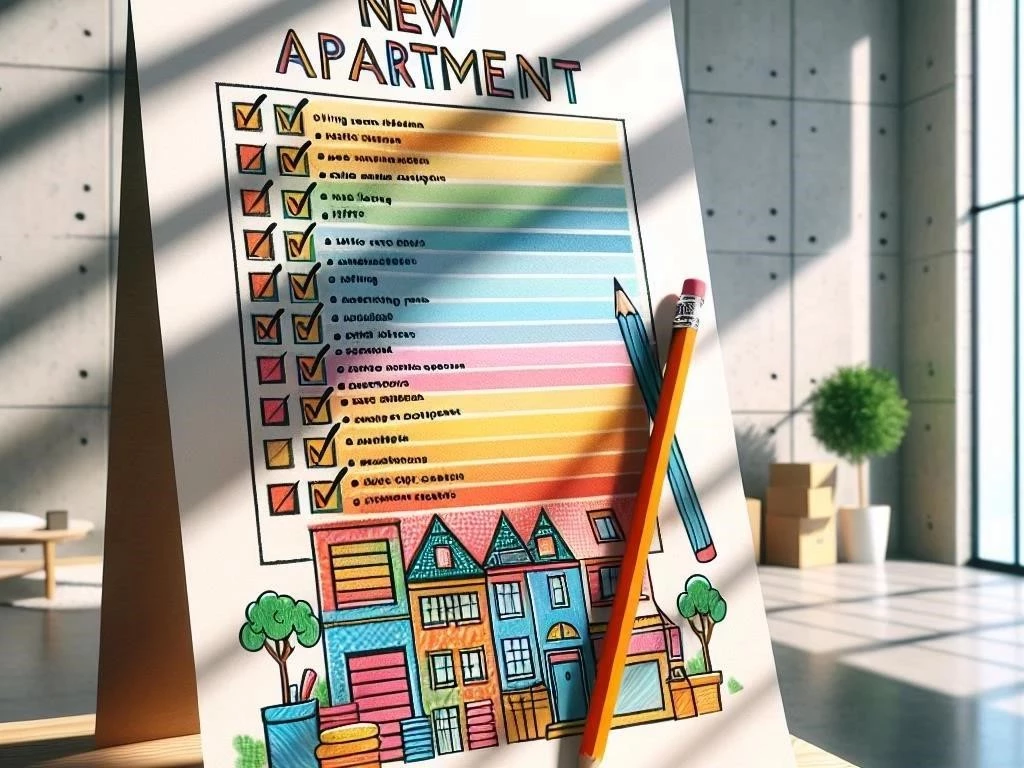
A well-organized moving checklist is essential for a successful transition. Start by creating a timeline for your move, outlining key tasks and deadlines. Gather packing supplies, including boxes, tape, and markers for labeling. Sort through your belongings to identify items to keep, donate, or discard. Create a packing list to ensure you have all home essentials ready for your new apartment. Arrange for moving help, whether hiring professionals or enlisting friends. Don’t forget to notify your change of address to important contacts and utilities. Lastly, plan for a final walkthrough of your old home to ensure nothing is left behind.
3.1. Packing List Essentials
Creating a packing list of essentials ensures a smooth transition to your new apartment. Start with basic items like clothing, toiletries, and personal documents. Include kitchen essentials such as pots, pans, dishes, and utensils. Don’t forget cleaning supplies for your new space, including brooms, mops, and all-purpose cleaners. For comfort, pack bedding, pillows, and towels. Also, consider any necessary appliances needed for your new home, like a toaster or microwave. Additionally, gather important electronics, chargers, and personal items; Label boxes clearly to streamline unpacking, and keep valuable items and important paperwork easily accessible to avoid last-minute scrambles.
3.2. Personal Items to Pack
Packing your personal items thoughtfully can make your new apartment feel like home. Start with essential documents, such as identification, medical records, and rental agreements, keeping them in a secure folder. Include sentimental items like photographs, keepsakes, and mementos that hold significance. Don’t forget personal electronics like laptops, tablets, and chargers, as well as any necessary accessories. Pack essential clothing and footwear for the first few days, ensuring comfort and convenience. Additionally, consider personal care items such as medications, cosmetics, and grooming supplies. Organizing these items will help create a seamless transition and maintain a sense of familiarity in your new space.
Utilities Setup
Setting up utilities is a crucial step in ensuring a functional living environment. Start by researching local providers for electricity, gas, and water services in your new area. Contact each provider to establish accounts, ensuring service begins on your move-in date. Don’t forget to set up internet and cable services, as they are essential for communication and entertainment. Verify any installation requirements or appointments needed ahead of time. Additionally, consider setting up trash collection and recycling services if not provided. Finally, keep a list of all account numbers and contact information handy for future reference and potential issues.
4.1. Electricity and Water
Setting up electricity and water services is essential for your new apartment. Start by researching local utility companies in your area, as options may vary. Contact them to inquire about account setup procedures, required identification, and any deposits or fees. Schedule service activation for your move-in date to ensure everything is ready upon arrival. Review the billing cycles and payment methods available; online payments can simplify future transactions. If possible, inspect the water heater and electrical systems during your walkthrough, ensuring they meet your needs. Proper setup of these utilities will provide comfort and convenience in your new living space.
4.2. Internet and Cable
Setting up internet and cable services is essential for entertainment and connectivity in your new apartment. Begin by researching local providers to compare packages, pricing, and speeds. Consider your usage habits, such as streaming or remote work, to select the best plan. Once chosen, contact the provider to schedule installation, ideally before your move-in date, ensuring a seamless transition. Confirm any necessary equipment, such as routers or cable boxes, and inquire about rental fees. Additionally, review contract terms and cancellation policies. A reliable internet and cable setup will enhance your living experience and keep you connected to the world.
Home Essentials
Having the right home essentials is key to settling comfortably into your new apartment. Start by identifying necessary appliances needed, such as a refrigerator, microwave, and washing machine. Next, equip your kitchen with cookware, utensils, and dinnerware to prepare meals. Don’t overlook cleaning supplies like brooms, mops, and detergents to maintain a tidy environment. Ensure you have bedding, towels, and bathroom essentials for immediate use. Additionally, consider basic furniture items like a bed, couch, and dining table. Prioritizing these essentials will create a functional and cozy atmosphere, making your new apartment feel like home from day one.
5.1. Appliances Needed
When moving into a new apartment, having the right appliances needed can significantly enhance your living experience. Start with essential kitchen appliances, such as a refrigerator, stove, and microwave for meal preparation. Consider adding a toaster or blender for convenience. In the laundry area, a washing machine and dryer are crucial for managing laundry efficiently. Additionally, small appliances like coffee makers and rice cookers can make daily tasks easier. Don’t forget about basic cleaning appliances, such as a vacuum cleaner or broom. Prioritizing these appliances ensures a functional and comfortable living space tailored to your needs.
5.2. Cleaning Supplies
Having the right cleaning supplies is essential for maintaining a tidy apartment. Start with general cleaning products like multi-surface cleaners, disinfectant sprays, and glass cleaners for various surfaces. Don’t forget sponges, microfiber cloths, and paper towels for effective cleaning. For the floors, invest in a broom, mop, and vacuum cleaner to tackle dirt and debris. Additionally, stock up on bathroom essentials, including toilet bowl cleaner, scrub brushes, and mildew removers. Keep laundry supplies on hand, such as detergent, fabric softener, and dryer sheets. A well-stocked cleaning kit will help you keep your new space fresh and inviting at all times.
Furniture Arrangement
Arranging your furniture thoughtfully can maximize space and enhance comfort in your new apartment. Begin by measuring each room to ensure your furniture fits properly. Consider the flow of movement and create functional areas, such as a cozy seating arrangement in the living room or a practical dining space. Utilize multifunctional furniture, like a sofa bed or storage ottoman, to save space. Make sure to leave enough room for pathways and avoid overcrowding. Additionally, think about natural light and how it can influence the layout. A well-planned furniture arrangement will create an inviting atmosphere, making your apartment feel like home.
6.1. Living Room Layout
Designing an effective living room layout is essential for functionality and comfort. Start by selecting a focal point, such as a television or fireplace, to anchor the space. Arrange seating, like sofas and chairs, to encourage conversation and create a welcoming atmosphere. Consider using a coffee table to define the area and provide a functional surface. Ensure there’s ample space for movement, allowing easy access to other rooms. Utilize rugs to define different zones within the living room, enhancing visual appeal. Finally, incorporate lighting elements such as lamps or overhead fixtures to create a warm, inviting ambiance for relaxation and socializing.
6.2; Bedroom Setup
Creating a functional and relaxing bedroom setup is crucial for a good night’s sleep. Start by choosing a suitable bed frame and mattress that provide comfort and support. Position the bed against a wall, ideally away from windows to minimize disturbances. Add nightstands on either side for convenience, placing lamps for reading and ambiance. Consider incorporating storage solutions, such as dressers or under-bed storage, to keep the space organized. Personalize the room with decor like artwork, plants, or throw pillows to reflect your style. Finally, ensure adequate lighting, combining natural light with soft, warm fixtures for a cozy atmosphere.
Decor Ideas
Adding personalized decor ideas can transform your new apartment into a unique living space. Start by selecting a color scheme that resonates with your style, using paint or wallpaper to create an inviting atmosphere. Incorporate artwork, such as paintings or prints, to enhance walls and reflect your personality. Use decorative throw pillows and blankets to add texture and comfort to your furniture. Consider plants or flowers for a fresh touch of nature, improving air quality and visual appeal. Additionally, utilize shelving to display books or collectibles. Thoughtfully chosen decor will make your apartment feel warm, welcoming, and truly yours.
7.1. Wall Art and Accessories
Choosing the right wall art and accessories can significantly enhance your apartment’s aesthetic. Start by selecting a focal piece, such as a large painting or a striking print, to capture attention. Consider creating a gallery wall by mixing different sizes and styles of frames for an eclectic look. Incorporate mirrors to reflect light and create the illusion of more space. Accessories such as wall-mounted shelves can display books, plants, or decorative items, adding depth and character. Don’t forget to include personal touches, like photographs or travel souvenirs, to make your space feel truly unique and reflective of your personality.
7.2. Color Schemes and Themes
Establishing cohesive color schemes and themes is essential for a harmonious apartment decor. Begin by selecting a primary color that resonates with your style, such as calming blues or warm neutrals. Complement this base with two or three accent colors to add depth and interest. Consider using a theme, like modern minimalist or bohemian chic, to guide your choices in furniture and decor. Test paint swatches on walls to visualize how colors interact with natural light. Incorporate textiles, such as curtains and rugs, that echo your chosen palette. A well-planned color scheme creates a unified, inviting atmosphere in your new home.
Rental Tips
Utilizing effective rental tips can enhance your apartment experience. First, thoroughly research potential neighborhoods to find one that aligns with your lifestyle and budget. Understand the lease agreement terms, including renewal options and penalties for early termination. Always document the apartment’s condition before moving in, noting any existing damages to avoid disputes later. Communicate openly with your landlord about maintenance issues, and keep records of all correspondence. Consider renter’s insurance to protect your belongings from unexpected events. Finally, build a positive relationship with neighbors for a supportive community atmosphere. These tips will help ensure a smoother renting experience.
8.1. Understanding Security Deposits
Understanding security deposits is crucial when renting an apartment. Typically, landlords require a deposit before you move in, usually equivalent to one month’s rent. This deposit protects the landlord against potential damages or unpaid rent. Familiarize yourself with your state’s laws regarding security deposits, including how much can be charged and the timeline for returning it after you move out. Document the apartment’s condition upon moving in, noting any existing issues to avoid deductions later. Upon leaving, ensure the apartment is clean and any minor repairs are made. This proactive approach can help secure the full return of your deposit.
8.2. Maintenance Tasks to Consider
Being proactive about maintenance tasks can significantly enhance your living experience in a new apartment. Start by familiarizing yourself with the apartment’s systems, including heating, cooling, and plumbing. Regularly check for leaks, especially under sinks and around appliances. Clean air filters and vents to ensure optimal air quality and efficiency. Schedule routine inspections for smoke detectors and replace batteries as needed. Consider establishing a cleaning schedule to maintain cleanliness and prevent the buildup of dust and allergens. Finally, communicate promptly with your landlord about any maintenance issues, ensuring a safe and comfortable living environment throughout your tenancy.
Organization Tips
Implementing effective organization tips can maximize space and improve functionality in your new apartment. Start by decluttering and deciding what items you truly need. Use storage solutions like baskets, bins, or shelving units to keep belongings organized. Label containers to easily identify their contents. Make use of vertical space by installing wall-mounted shelves or hooks for additional storage. In the kitchen, utilize drawer organizers and cabinet dividers to maintain order; Create a dedicated space for personal items, ensuring everything has its place. Establish daily habits to maintain organization, preventing clutter from accumulating and enhancing overall living comfort.
9.1. Storage Solutions
Exploring effective storage solutions is essential for maximizing space in your new apartment. Start by investing in multifunctional furniture, such as ottomans or beds with built-in storage. Utilize vertical space by adding shelves or wall-mounted organizers, allowing you to display items while keeping them accessible. Consider under-bed storage boxes for seasonal clothing or extra linens. In the kitchen, use stackable containers to optimize cabinet space, and install pegboards for utensils. Don’t forget about closet organizers; they can help you categorize shoes, accessories, and clothing efficiently. Thoughtful storage solutions can create an organized and stress-free living environment in your apartment.
9.2. Decluttering Strategies
Implementing effective decluttering strategies can significantly enhance your living space in a new apartment. Start by assessing each room and identifying items you no longer need or use. Use the “one-year rule”—if you haven’t used it in the past year, consider donating or discarding it. Organize belongings into categories: keep, donate, and discard. Tackle one area at a time to avoid feeling overwhelmed. Utilize storage bins to temporarily hold items you’re unsure about. Regularly schedule decluttering sessions, ensuring your apartment remains organized over time. These strategies will create a more functional and inviting living environment, enhancing your overall comfort.
Budget Planning
Proper budget planning is vital when moving into a new apartment. Begin by calculating your monthly income and identifying essential expenses, such as rent, utilities, and groceries. Create a detailed budget that includes all recurring costs, ensuring you leave room for unexpected expenses. Factor in one-time costs, like security deposits and moving expenses, as well as initial setup costs for furniture and appliances. Track your spending closely, using apps or spreadsheets for organization. Establish an emergency fund to cover at least three months of living expenses. This approach will help you maintain financial stability and reduce stress in your new home.
10.1. Monthly Expenses Estimation
Estimating your monthly expenses is crucial for effective financial management in your new apartment. Start by listing fixed costs, including rent, utilities, and insurance, which remain constant each month. Next, estimate variable expenses like groceries, transportation, and entertainment, using past spending habits as a guide. Don’t forget to include costs for internet and cable services, as well as any subscription fees. Set aside a portion for savings and unexpected expenses. Regularly review and adjust your estimations based on actual spending to ensure your budget remains accurate. This proactive approach will promote financial stability and peace of mind.
10.2. Emergency Fund Allocation
Establishing an emergency fund allocation is essential for financial security in your new apartment. Aim to save three to six months’ worth of living expenses, including rent, utilities, and groceries, to cover unexpected situations like job loss or medical emergencies. Start by determining a monthly savings goal based on your budget and current income. Consider automating transfers to a separate savings account to ensure consistent contributions. Regularly review your fund to ensure it meets your needs and adjust allocations as necessary. A well-planned emergency fund provides peace of mind, allowing you to navigate challenges with confidence and stability.
Home Safety
Ensuring home safety is paramount when settling into your new apartment. Start by checking smoke detectors and carbon monoxide alarms, replacing batteries as needed. Familiarize yourself with emergency exits and fire escape routes. Consider investing in a security system or smart locks for added protection. Keep a first aid kit readily accessible, stocked with essential supplies. Ensure that windows and doors close securely, and report any maintenance issues to your landlord promptly. Establish a plan for emergencies, including contact information for local services. Prioritizing safety measures will help create a secure living environment, allowing you to enjoy your new home worry-free.
11.1. Security Measures
Implementing effective security measures is essential for protecting your new apartment. Start by changing the locks upon moving in to ensure previous tenants cannot access your space. Install a peephole or security camera at the entrance for added visibility. Use window locks or security bars to prevent unauthorized entry. Consider motion-activated lights for outdoor areas to deter intruders. Additionally, get to know your neighbors; a supportive community can enhance safety. Keep valuables out of sight and avoid sharing your location on social media. By prioritizing these security measures, you can create a safer living environment in your apartment.
11.2. Fire Safety Preparedness
Ensuring fire safety preparedness in your new apartment is crucial for protecting yourself and your belongings. First, verify that smoke detectors are functional and replace batteries annually. Create an escape plan that includes two exits from each room and a designated meeting point outside. Practice this plan regularly with all household members. Keep a fire extinguisher in accessible locations, particularly in the kitchen and near potential fire hazards. Avoid overloading electrical outlets and regularly check cords for damage. Additionally, be cautious with flammable materials, storing them safely. Prioritizing fire safety will significantly enhance your apartment’s overall safety and security.
New Home Setup
Successfully completing your new home setup requires careful planning and organization. Begin by unpacking essentials first, focusing on the kitchen, bathroom, and bedroom. Arrange furniture according to your desired layout, ensuring functionality and comfort. Prioritize setting up utilities, including electricity, water, and internet, to create a livable environment. Decorate your space with personal items, such as photos and artwork, to make it feel inviting. Consider adding plants for a touch of nature. Finally, create a list of tasks to complete, including maintenance and organization efforts, ensuring your new apartment becomes a cozy and enjoyable haven.
12.1. Final Walkthrough Checklist
Conducting a thorough final walkthrough checklist is essential before settling into your new apartment. Start by inspecting all rooms for any damages or maintenance issues, such as leaks or cracks. Check that all appliances, including the refrigerator, stove, and HVAC systems, are functioning properly. Ensure that windows and doors lock securely and that smoke detectors are operational. Confirm that all agreed-upon repairs have been completed before moving in. Take note of any discrepancies and communicate them to your landlord. Finally, ensure that utilities are activated and ready for use, confirming a smooth transition into your new living space.
12.2. Settling In Tasks
Completing your settling in tasks is crucial for a smooth transition to your new apartment. Start by unpacking essential items and organizing your living space efficiently. Establish a cleaning routine to maintain cleanliness and comfort. Familiarize yourself with local amenities, such as grocery stores, parks, and public transportation. Set up your utilities, ensuring that electricity, water, and internet services are functioning properly. Create a home inventory of your belongings for insurance purposes. Lastly, take time to introduce yourself to neighbors, fostering a sense of community. Completing these tasks will help you feel more at home in your new environment.
