







How Long Does It Take to Ship a Car?
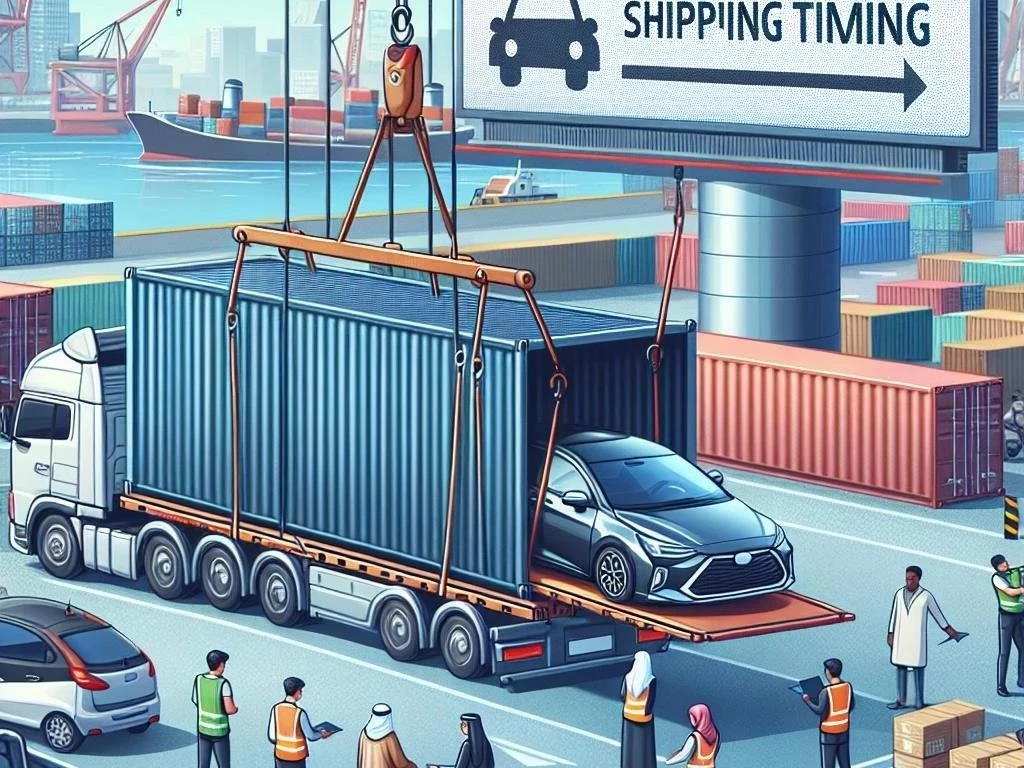
Shipping time varies based on distance and chosen transport methods․ Typically‚ expect delivery within one to two weeks‚ considering logistics and vehicle transport duration factors involved․
Vehicle shipping is a crucial service for those needing to transport their cars across long distances‚ whether locally‚ interstate‚ or internationally․ Understanding the car shipping process can help you manage expectations regarding shipping time and costs․ Various factors influence the duration of car transport‚ including the distance‚ the type of vehicle‚ and the chosen shipping methods․ It’s essential to select a reliable auto transport company that understands your needs and offers efficient logistics․ The car shipping process involves several steps‚ from booking to pickup and drop-off‚ with careful attention to vehicle inspections along the way․ By being informed about the car delivery timeframe and transit time‚ you will have a clearer picture of what to expect throughout the vehicle shipping journey․
Understanding Shipping Time
Shipping time refers to the total duration from when a vehicle is picked up to when it is delivered to the destination․ It can vary significantly based on multiple factors‚ including the type of vehicle and the distance to be covered․ Generally‚ vehicle shipping takes between one to two weeks for interstate transport‚ while international car shipping may extend that timeframe considerably․ The car shipping process involves several stages‚ including initial booking‚ pickup‚ transit‚ and delivery․ During transit‚ factors such as traffic conditions‚ weather‚ and logistics can affect the overall shipping time․ It’s important to communicate with your chosen transport company to understand the expected delivery schedule and any potential delays․ By grasping the nuances of shipping time‚ you can better plan for your vehicle’s arrival and adjust any necessary arrangements accordingly․
Factors Influencing Car Transport Duration
Several key factors influence the duration of car transport‚ affecting how long it takes to ship a car․ First‚ distance factors play a significant role‚ as longer routes naturally require more time․ Additionally‚ the type of vehicle being shipped can impact the transport duration; larger or heavier vehicles may take longer to load and unload․ Shipping methods also contribute to duration; for example‚ enclosed transport may take longer due to limited availability compared to open transport․ Other factors include seasonal demand‚ which can affect scheduling and logistics‚ as well as the time of year‚ which may influence weather conditions․ Lastly‚ the efficiency of the transport company chosen can greatly affect the overall transit time․ Understanding these factors can help you set realistic expectations for your vehicle’s shipping timeframe․
3․1 Distance Factors
Distance factors significantly influence how long it takes to ship a car․ The greater the distance between the pickup and delivery locations‚ the longer the transit time is likely to be․ For instance‚ transporting a vehicle across a few hundred miles may take only a few days‚ while moving it across the country can extend the shipping time to one to two weeks or more․ Additionally‚ interstate shipping often involves various logistical considerations‚ such as routing and traffic regulations‚ which can further affect the duration․ Transport companies typically calculate estimated shipping times based on distance and past experiences‚ but unexpected delays can occur․ Therefore‚ understanding the impact of distance factors is crucial for setting realistic expectations regarding your vehicle’s delivery timeframe during the car transport process․
3․2 Type of Vehicle
The type of vehicle being shipped plays a crucial role in determining how long it takes to ship a car․ Different vehicles have varying sizes‚ weights‚ and handling requirements‚ which can affect loading and unloading times․ For instance‚ standard sedans are typically quicker to transport than larger trucks or SUVs․ Specialty vehicles‚ such as classic cars or luxury models‚ may require extra care and‚ consequently‚ additional time for inspections and loading procedures․ Additionally‚ some transport methods may be more suitable for certain vehicle types․ Enclosed transport‚ while offering added protection‚ can also lead to longer shipping durations due to limited availability and scheduling constraints․ By considering the type of vehicle‚ you can gain better insight into expected shipping times and plan accordingly for your car’s transportation․
3․3 Shipping Methods
Shipping methods significantly influence how long it takes to ship a car‚ as each option presents different transit times and logistical considerations․ The two primary methods are open transport and enclosed transport․ Open transport‚ where vehicles are loaded onto open carriers‚ is generally faster and more widely available‚ often resulting in shorter shipping durations․ However‚ it exposes vehicles to the elements during transit․ Conversely‚ enclosed transport offers enhanced protection for vehicles‚ making it a preferred choice for high-value or classic cars․ While this method provides safety‚ it may take longer due to limited carrier availability and scheduling challenges․ Additionally‚ other factors‚ such as the transport company’s efficiency and route planning‚ can affect shipping times․ Understanding these shipping methods helps you make informed decisions about your vehicle’s transport duration․
Overview of Car Shipping Process
The car shipping process involves several essential steps that contribute to determining how long it takes to ship a car․ Initially‚ customers must research and select a reputable auto transport company that meets their specific needs․ Once a company is chosen‚ the booking process begins‚ where details such as pickup location‚ delivery destination‚ and vehicle type are provided․ Following this‚ pickup and drop-off arrangements are scheduled‚ often requiring coordination with the transport company․ After the vehicle is collected‚ it undergoes a thorough inspection to document its condition․ The car is then loaded onto the transport vehicle for transit․ Finally‚ communication throughout the journey helps keep customers informed about the expected delivery timeframe‚ ensuring a smooth and efficient shipping experience․
4․1 Initial Setup and Booking
The initial setup and booking phase is crucial for determining how long it takes to ship a car․ This stage typically begins with researching various transport companies to find one that aligns with your needs and budget․ Once you have selected a company‚ you will need to provide essential details‚ such as the vehicle type‚ pickup and delivery locations‚ and desired shipping method․ During this process‚ it’s important to ask about estimated shipping times‚ as they can vary based on factors like distance and vehicle specifics․ After confirming the details‚ you’ll receive a quote‚ which may include information about shipping costs․ Completing the booking process promptly is essential‚ as it allows the transport company to allocate resources and plan the logistics necessary for your vehicle’s transportation efficiently․
4․2 Pickup and Drop-off Arrangements
Pickup and drop-off arrangements are vital components of the car shipping process‚ significantly affecting how long it takes to ship a car․ Once the booking is confirmed‚ the transport company will coordinate with you to establish convenient times for both pickup and drop-off․ This involves discussing specific locations‚ which can be crucial if you live in a hard-to-access area․ Clear communication is key to ensuring that the driver can efficiently collect your vehicle without delays․ During pickup‚ a thorough inspection of the car will take place‚ documenting its condition before transport․ Once the vehicle is loaded‚ the estimated transit time will be communicated․ After reaching the destination‚ the drop-off process follows‚ where the vehicle is unloaded and inspected again‚ marking the completion of the shipping process․
4․3 Vehicle Inspection Procedures
Vehicle inspection procedures are critical in the car shipping process‚ directly influencing how long it takes to ship a car․ These inspections occur both at pickup and drop-off‚ ensuring that the vehicle is in the same condition before and after transport․ During the initial inspection‚ the transport driver thoroughly examines the vehicle for any existing damage‚ documenting findings through photographs and written notes․ This step is essential for establishing a baseline and protecting both the owner and the transport company․ After the vehicle arrives at its destination‚ a similar inspection is conducted to confirm its condition post-transport․ Any discrepancies should be reported immediately․ Properly executed inspection procedures not only help in preventing disputes but also provide peace of mind regarding the vehicle’s safety during the shipping process․
Shipping Methods Explained
Understanding the various shipping methods is essential for determining how long it takes to ship a car․ The two primary options are open transport and enclosed transport․ Open transport is the most commonly used method‚ allowing for quicker and more economical shipping․ Vehicles are loaded onto open carriers‚ exposing them to the elements but typically resulting in shorter transit times due to higher availability of carriers․ Conversely‚ enclosed transport offers enhanced protection for vehicles‚ making it ideal for luxury‚ classic‚ or high-value cars․ While this method provides safety from weather and road debris‚ it may take longer due to limited carrier availability and scheduling challenges․ Ultimately‚ choosing the right shipping method will influence both the duration and overall cost of the car shipping process‚ impacting your delivery expectations․
5․1 Open Transport
Open transport is a popular shipping method that significantly influences how long it takes to ship a car․ This method involves loading vehicles onto open carriers‚ which can accommodate multiple cars at once‚ thus increasing efficiency․ Due to the higher availability of open carriers‚ shipping times are generally shorter compared to enclosed transport․ Typically‚ vehicles shipped via open transport can reach their destinations within one to two weeks‚ depending on distance and logistics․ However‚ it’s essential to note that while this option is economical and convenient‚ vehicles are exposed to weather conditions and road debris during transit․ Therefore‚ open transport is best suited for standard vehicles rather than high-value or classic cars․ Understanding this method’s implications helps customers make informed choices regarding their vehicle’s shipping timeframe and protection․
5․2 Enclosed Transport
Enclosed transport is a premium shipping method that offers enhanced protection for vehicles‚ greatly impacting how long it takes to ship a car․ This method involves transporting vehicles inside a fully enclosed carrier‚ shielding them from weather elements‚ debris‚ and potential damage during transit․ While this added safety is ideal for luxury‚ classic‚ or high-value cars‚ it often results in longer shipping times compared to open transport․ The limited availability of enclosed carriers can lead to scheduling delays‚ typically extending the transit duration to one to two weeks or more‚ depending on distance and logistics․ Customers opting for enclosed transport should consider these factors and communicate with their transport company to understand expected delivery times․ This method provides peace of mind‚ knowing your vehicle is well-protected throughout the shipping process․
Interstate Shipping vs․ International Car Shipping
When considering how long it takes to ship a car‚ it’s essential to differentiate between interstate shipping and international car shipping․ Interstate shipping typically involves transporting vehicles within the same country‚ which generally leads to shorter transit times․ For instance‚ shipping a car across state lines may take between one to two weeks‚ depending on distance and logistics involved․ Conversely‚ international car shipping presents a more complex process‚ often requiring more time due to customs regulations‚ documentation‚ and longer distances․ This method can take several weeks or even months‚ depending on the destination and shipping methods chosen․ Understanding these differences is crucial for setting realistic expectations regarding delivery timelines‚ allowing customers to plan accordingly and make informed decisions about their vehicle transport options․
6․1 Interstate Shipping Considerations
When assessing how long it takes to ship a car‚ several key considerations come into play for interstate shipping․ First‚ the distance between the pickup and delivery locations is a primary factor; shorter distances typically result in quicker transit times‚ usually within one to two weeks․ Additionally‚ the chosen shipping method can influence duration; open transport is generally faster than enclosed transport․ Traffic conditions‚ weather‚ and seasonal demand also play significant roles‚ as they can cause unexpected delays․ Furthermore‚ the efficiency of the transport company and their scheduling practices can affect delivery timelines․ Customers should maintain open communication with their transport provider to stay updated on expected shipping times and any potential changes․ Understanding these considerations helps set realistic expectations for interstate vehicle shipping timelines․
6․2 International Car Shipping Challenges
International car shipping presents several challenges that significantly impact how long it takes to ship a car․ One of the primary hurdles is navigating complex customs regulations‚ which can vary from country to country․ This process often requires extensive documentation‚ including proof of ownership‚ shipping invoices‚ and customs declarations‚ leading to potential delays․ Additionally‚ the distance involved in international shipping means longer transit times‚ which can range from several weeks to months‚ depending on the destination․ Shipping methods also affect duration; while container shipping provides protection‚ it may take longer due to scheduling and loading processes․ Furthermore‚ unforeseen issues like weather conditions or geopolitical factors can disrupt shipping schedules․ Understanding these challenges is essential for setting realistic expectations regarding international vehicle shipping timelines․
Typical Transit Time for Different Shipping Methods
Understanding the typical transit time for different shipping methods is crucial when assessing how long it takes to ship a car․ Open transport is the most common method‚ usually resulting in quicker transit times‚ typically ranging from one to two weeks‚ depending on the distance and logistics involved․ On the other hand‚ enclosed transport offers enhanced protection for high-value or classic vehicles but may extend transit times due to limited carrier availability and scheduling constraints‚ often taking an additional week or more․ For international shipping‚ transit times can vary significantly based on the destination and chosen method‚ commonly taking anywhere from two to eight weeks․ Factors such as customs clearance and shipping routes also play vital roles in determining the overall shipping timeframe‚ making it essential to communicate effectively with your transport provider․
7․1 Open Transport Transit Time
Open transport transit time is a vital consideration when determining how long it takes to ship a car․ This method is known for its efficiency and accessibility‚ making it the preferred choice for many vehicle owners․ Typically‚ shipping a car using open transport takes between one to two weeks‚ depending on various factors such as distance and logistics․ Shorter distances often yield quicker delivery times‚ while longer routes may require additional time․ Factors like traffic conditions‚ weather‚ and seasonal demands can also influence transit times‚ potentially causing delays․ Open transport allows for multiple vehicles to be loaded at once‚ which can expedite the shipping process․ However‚ it’s essential for customers to communicate with their transport company to receive accurate estimates and stay updated on any changes that could affect delivery times․
7․2 Enclosed Transport Transit Time
Enclosed transport transit time is a crucial aspect to consider when evaluating how long it takes to ship a car․ This method‚ while providing superior protection for high-value or classic vehicles‚ typically results in longer shipping durations compared to open transport․ Generally‚ enclosed transport can take anywhere from one to three weeks‚ influenced by factors such as the distance between pickup and delivery locations‚ route planning‚ and logistics․ Limited carrier availability and scheduling constraints may also extend transit times․ Additionally‚ enclosed transport often accommodates fewer vehicles per load‚ which can affect overall efficiency․ Customers should maintain clear communication with their transport company to obtain accurate estimates regarding transit times and any potential delays․ Understanding these factors allows for better planning and expectations regarding the enclosed transport shipping process․
Delivery Schedule and Car Delivery Timeframe
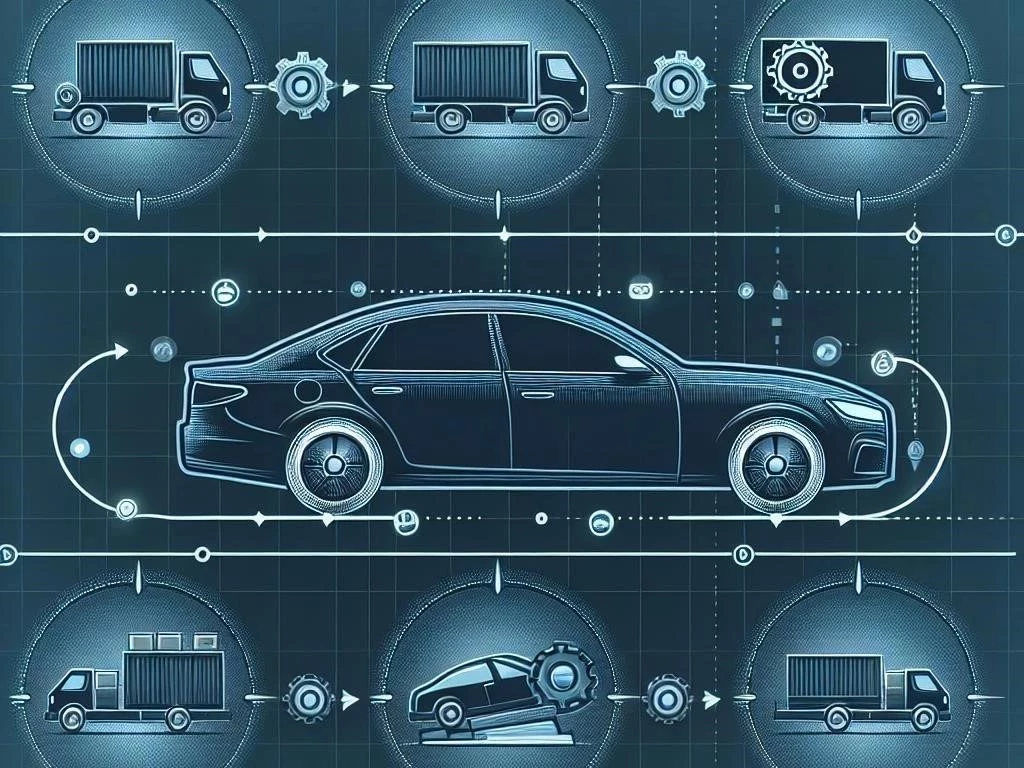
The delivery schedule and car delivery timeframe are critical elements in understanding how long it takes to ship a car․ Once the transport company has established a route and timeline‚ they typically provide customers with an estimated delivery date that accounts for various factors‚ including distance and chosen shipping methods․ For open transport‚ deliveries usually occur within one to two weeks‚ while enclosed transport may extend this timeframe to one to three weeks․ However‚ unforeseen circumstances such as weather conditions‚ traffic delays‚ and logistical challenges can alter the delivery schedule․ It’s essential for customers to remain in communication with their transport company throughout the shipping process‚ as updates on the delivery timeframe can help manage expectations and ensure a smooth vehicle arrival at the designated destination․
Impact of Logistics on Shipping Time
The impact of logistics on shipping time is a significant factor when determining how long it takes to ship a car․ Efficient logistics management can streamline the entire shipping process‚ reducing transit times and enhancing overall service quality․ Key logistics elements include route planning‚ carrier scheduling‚ and coordination between pickup and delivery locations․ Delays in any of these areas can lead to extended shipping times․ For instance‚ if a carrier is delayed due to traffic or weather conditions‚ the entire delivery schedule may be affected․ Additionally‚ the availability of transport companies and their resources plays a critical role in logistics‚ as it directly influences the speed and efficiency of vehicle transport․ By understanding the logistics involved‚ customers can better anticipate their vehicle’s shipping timeline and prepare accordingly․
Understanding Shipping Costs
Understanding shipping costs is essential when evaluating how long it takes to ship a car‚ as these costs can influence the choice of shipping method and timeframe․ Various factors contribute to the overall expenses‚ including the distance between pickup and delivery locations‚ the type of transport chosen (open or enclosed)‚ and the vehicle’s size and weight․ Additionally‚ fluctuations in fuel prices and seasonal demand can affect shipping costs‚ leading to potential increases during peak periods․ Customers should also consider any additional fees for expedited services‚ which can shorten transit times but raise overall costs․ It’s advisable to obtain quotes from multiple transport companies to compare pricing and services offered․ By understanding the cost structure‚ customers can make informed decisions regarding their vehicle shipping options and the associated timelines․
10․1 Cost Factors in Auto Transport
Cost factors in auto transport significantly influence how long it takes to ship a car‚ as they often dictate the chosen shipping method and overall timeline․ Key elements include the distance between the pickup and delivery locations‚ with longer distances generally resulting in higher costs and potentially extended transit times․ The type of transport selected—open or enclosed—also plays a vital role; while open transport is typically more economical and faster‚ enclosed transport provides additional protection at a higher price․ Vehicle size and weight can further impact costs‚ as larger vehicles may require specialized carriers․ Seasonal demand and fuel prices are crucial considerations‚ as they can lead to variability in shipping rates․ Understanding these cost factors allows customers to make informed decisions that align with their budget and desired shipping timeframe․
10․2 Budgeting for Shipping Expenses
Budgeting for shipping expenses is crucial when assessing how long it takes to ship a car‚ as it directly influences the choices available․ To create an effective budget‚ start by researching typical shipping costs based on distance‚ transport method‚ and vehicle type․ Gathering quotes from multiple transport companies can provide a clearer picture of potential expenses and help identify the best value․ Additionally‚ consider extra fees that may arise‚ such as expedited shipping options‚ insurance for high-value vehicles‚ and potential customs duties for international shipments․ It’s essential to factor in these variables while planning your budget to avoid unexpected costs․ Setting aside a contingency fund for unforeseen expenses will ensure you’re prepared for any changes in the shipping timeline or costs․ This proactive approach will lead to a smoother vehicle shipping experience․
Choosing the Right Transport Companies
Choosing the right transport companies is essential when assessing how long it takes to ship a car‚ as the efficiency and reliability of the provider can significantly impact delivery timelines․ Begin by researching companies with positive customer reviews and strong industry reputations․ Look for providers that offer clear estimates on shipping times based on your specific needs‚ such as distance and transport method․ Additionally‚ inquire about their logistics and scheduling practices to ensure they can meet your timeframe expectations․ It’s also vital to confirm that the transport company is licensed and insured‚ providing added security for your vehicle during transit․ Finally‚ don’t hesitate to ask questions regarding their experience with similar shipments‚ as their expertise can make a significant difference in achieving timely delivery and a smooth shipping process․
Planning for your car shipping experience involves understanding how long it takes to ship a car and preparing accordingly․ To ensure a smooth process‚ start by researching various shipping methods and their respective transit times‚ weighing the benefits of open versus enclosed transport․ Gather quotes from multiple transport companies to compare costs and delivery schedules‚ while also considering customer reviews and reliability․ Be mindful of distance and any potential delays due to weather or logistics․ Effective communication with your chosen transport provider is key to staying informed about your vehicle’s status throughout the shipping process․ By taking these steps and setting realistic expectations‚ you can better manage your timeline and enjoy peace of mind during your vehicle’s journey‚ ensuring a successful and timely delivery experience․
