







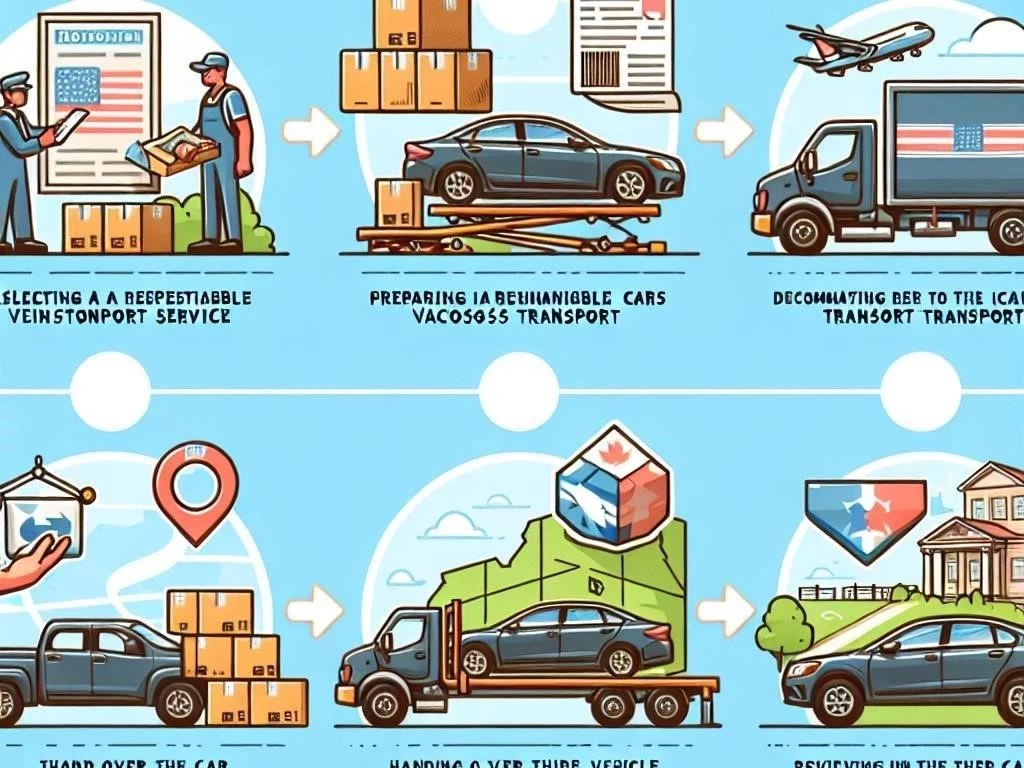
How Do I Ship a Car Across Country
Shipping a car across the country involves selecting reliable transport options, understanding shipping costs, and coordinating logistics for a smooth vehicle relocation experience.
Understanding Car Transport
Car transport refers to the process of moving vehicles from one location to another, often across long distances. This service is essential for individuals relocating, purchasing vehicles online, or needing to transport a car for various reasons. Understanding vehicle shipping involves recognizing the different methods available, such as open transport and enclosed transport. Open transport is typically more affordable but offers less protection, while enclosed transport provides added security against weather and road debris. It’s crucial to research car shipping companies, compare shipping quotes, and consider logistics to ensure a smooth experience. Additionally, understanding shipping methods and insurance coverage can help alleviate concerns during the transportation process.
Key Terms in Vehicle Shipping
Understanding key terms in vehicle shipping is essential for a smooth transport experience. “Car carrier” refers to the transport vehicle that hauls multiple cars, while “car hauler” usually indicates a specific type of truck used for this purpose. “Open transport” and “enclosed transport” describe the shipping methods available, with enclosed being more protective. “Shipping quotes” are estimates provided by car shipping companies, detailing costs based on distance and vehicle type. “Logistics” encompasses the planning and coordination involved in the transport process. Additionally, “pickup and delivery” refers to the locations where the vehicle will be collected and dropped off, impacting overall convenience and cost.
Types of Auto Transport Options
When shipping a car across the country, there are several auto transport options to consider. Each method has its advantages and disadvantages, catering to different needs and budgets. Open transport is the most common and economical choice, allowing multiple vehicles to be shipped simultaneously on an open trailer. However, it exposes cars to weather and road elements. Enclosed transport offers more protection, shielding vehicles from dirt, debris, and harsh conditions, making it ideal for high-value or classic cars. Flatbed transport is another option, suitable for oversized or non-operational vehicles. Understanding these transport methods helps in selecting the best solution for your vehicle’s safe delivery.
3.1 Open Transport
Open transport is the most popular and cost-effective method for shipping vehicles across the country. This method involves transporting multiple cars on an open trailer, allowing for efficient loading and unloading. While it is an economical option, open transport does expose vehicles to external elements such as weather, road debris, and potential damage during transit. However, reputable car shipping companies often take necessary precautions to minimize risks. This shipping method is suitable for standard vehicles and is commonly used by dealerships and individuals alike. Before choosing open transport, clients should consider their vehicle’s value and the level of protection it requires for safe delivery.
3.2 Enclosed Transport
Enclosed transport is a premium option for shipping vehicles, providing enhanced protection during transit. This method involves using a fully enclosed trailer, shielding cars from weather elements, debris, and potential damage. Enclosed transport is particularly recommended for high-value, classic, or luxury vehicles that require extra care. Although it typically comes with a higher price tag compared to open transport, many car shipping companies offer this service to ensure the safest delivery possible. Customers can also expect added security features, such as tracking and insurance coverage, making it ideal for those who prioritize their vehicle’s condition. Enclosed transport guarantees peace of mind during long-distance shipping.
3.3 Flatbed Transport
Flatbed transport is a specialized vehicle shipping method ideal for oversized, non-operational, or unique vehicles. This method utilizes a flatbed truck, allowing for easy loading and unloading without the need for ramps or special equipment. Flatbed transport is particularly beneficial for vehicles that cannot be driven onto traditional car carriers. While it can be more expensive than open transport, it offers better accessibility and flexibility for various vehicle types. This option is also advantageous for transporting equipment or machinery that requires a stable platform. When choosing flatbed transport, clients should consider the specific needs of their vehicles and the logistics involved in the shipping process.
Choosing the Right Car Shipping Company
Selecting the right car shipping company is crucial for a successful transport experience. Begin by researching various car shipping companies, looking for those with strong reputations and positive customer reviews. It’s essential to verify their licensing and insurance coverage to ensure they comply with industry standards. Compare shipping quotes and services offered, focusing on factors such as delivery times, transport options, and overall costs. Also, consider companies that provide vehicle tracking for added peace of mind. Engaging directly with customer service representatives can help clarify any questions and assess their responsiveness. Ultimately, choosing a reliable company will ensure your vehicle is transported safely and efficiently.
4.1 Researching Car Shipping Companies
Researching car shipping companies is a vital step in ensuring a smooth transport process. Start by gathering a list of potential companies through online searches, recommendations from friends, or automotive forums. Investigate their reputation by reading customer reviews on platforms like Google, Yelp, or the Better Business Bureau. Pay attention to feedback regarding punctuality, customer service, and vehicle condition upon delivery. Additionally, verify their licensing and insurance to confirm legitimacy and compliance with regulations. Contact the companies directly to ask about their transport options, pricing, and policies. A thorough research process will help you select a reliable car shipping company tailored to your specific needs.
4.2 Reading Shipping Quotes and Reviews
Reading shipping quotes and reviews is essential when selecting a car shipping company. Shipping quotes provide an estimate of costs based on factors like distance, vehicle type, and transport method. When comparing quotes, ensure you understand what is included, such as insurance coverage, pickup and delivery options, and any additional fees. Reviews offer valuable insights into customer experiences, highlighting the strengths and weaknesses of various companies. Look for patterns in feedback, such as consistent praise for punctuality or concerns about vehicle damage. This information will help you make an informed decision, ensuring you choose a reliable shipping company that meets your specific requirements for transporting your vehicle.

Logistics of Long-Distance Car Shipping
The logistics of long-distance car shipping involve careful planning and coordination to ensure a smooth transport process. Start by determining the best shipping method based on your vehicle’s needs and your budget. Next, schedule pickup and delivery times that accommodate both you and the car shipping company. Clear communication with the carrier is essential to address any specific requirements, such as vehicle modifications or special handling instructions. Additionally, be aware of potential delays due to weather, road conditions, or other unforeseen circumstances. Proper logistics management will help minimize disruptions and enhance the overall efficiency of the vehicle shipping experience, ensuring safe and timely delivery.
Understanding Shipping Costs
Understanding shipping costs is crucial when planning to transport a vehicle across the country. Several factors influence these costs, including distance, vehicle size, transport method, and the time of year. For instance, open transport is typically cheaper than enclosed transport due to the level of protection offered. Seasonal demand can also affect prices, with peak times often resulting in higher rates. Additionally, the condition and weight of the vehicle may lead to variations in shipping costs. To obtain accurate shipping quotes, it’s advisable to reach out to multiple car shipping companies for estimates. This enables you to compare options and select the most cost-effective solution.
6.1 Factors Affecting Shipping Costs
Several key factors influence shipping costs when transporting a vehicle across the country. The distance between pickup and delivery locations is the most significant determinant, as longer distances generally incur higher fees. The type of transport method selected—open, enclosed, or flatbed—also impacts costs, with enclosed transport typically being more expensive due to added protection. Vehicle size and weight play a role, as larger or heavier cars require more resources to transport. Additionally, seasonal demand can affect pricing; for example, shipping during peak months may lead to increased rates. Understanding these factors helps you make informed decisions and budget appropriately for your vehicle shipping needs.
6.2 Obtaining Accurate Shipping Quotes
Obtaining accurate shipping quotes is essential for planning your vehicle transport effectively. Start by providing detailed information about your vehicle, including make, model, year, and condition. Specify the pickup and delivery locations, as well as preferred transport methods, whether open or enclosed. It’s advisable to request quotes from multiple car shipping companies to compare prices and services accurately. Many companies offer online booking tools that facilitate quick and easy quote requests. Ensure you inquire about any hidden fees, such as fuel surcharges or insurance costs, to avoid surprises later. A clear understanding of the total cost will help you make an informed decision.
Preparing Your Vehicle for Shipping
Preparing your vehicle for shipping is crucial to ensure a smooth transportation process; Begin by cleaning the car thoroughly, both inside and out, to allow for a proper inspection of its condition. Check fluid levels, tire pressure, and ensure the battery is charged. Remove personal belongings, as most car shipping companies prohibit items inside the vehicle during transport. Document the vehicle’s condition with photographs, capturing any existing scratches or dents. This evidence can be useful if any damage occurs during shipping. Additionally, disable any alarm systems and ensure the gas tank is no more than a quarter full to reduce weight, enhancing safety during transport.
7.1 Cleaning and Inspecting Your Car
Cleaning and inspecting your car before shipping is essential for ensuring its condition during transport. Begin by washing the exterior thoroughly to remove dirt, grime, and any debris that could obscure existing damage. This allows for a clear assessment of the vehicle’s surface. Next, inspect the car for scratches, dents, or any mechanical issues. Document these findings with detailed photographs to have a record of the car’s condition prior to shipping. Additionally, check the tires, fluid levels, and battery to ensure everything is in good working order. By taking these steps, you’ll facilitate a smoother shipping process and protect your investment throughout its journey.
7.2 Documenting Vehicle Condition
Documenting your vehicle’s condition before shipping is crucial for protecting your interests. Start by conducting a detailed inspection, focusing on both exterior and interior aspects. Take high-resolution photographs from multiple angles, capturing any existing scratches, dents, or other imperfections. This visual documentation will serve as evidence should any damage occur during transit. Additionally, consider noting down any specific features or modifications your vehicle has, as this information can be beneficial for the car shipping company. Keep a record of the mileage and overall mechanical condition as well. Having comprehensive documentation in place will provide peace of mind and facilitate any resolution process if issues arise during shipping.
The Car Hauler and Transport Process
The car hauler and transport process is a critical phase in shipping your vehicle across the country. Once you’ve selected a car shipping company, they will assign a car hauler equipped for your vehicle type. On the scheduled pickup date, the hauler will arrive to collect your car. It’s essential to communicate any special instructions regarding the vehicle’s condition or handling needs. The car will be carefully loaded onto the trailer, either through ramps or hydraulic lifts, depending on the transport method chosen. During transit, the car shipping company will monitor the transport, ensuring safe delivery. Finally, upon arrival, the vehicle will be unloaded, completing the shipping process.
Pickup and Delivery Options
When shipping a car across the country, understanding pickup and delivery options is vital for convenience and efficiency. Most car shipping companies offer two primary options: door-to-door service and terminal-to-terminal service. Door-to-door service involves the carrier picking up your vehicle directly from your location and delivering it to your specified destination, providing maximum convenience. Terminal-to-terminal service, on the other hand, requires you to drop off your car at a designated terminal, where it will be stored until transport. This option may be more cost-effective but involves additional travel. Consider your schedule and preferences when selecting the best pickup and delivery option for your vehicle transport needs.
9.1 Door-to-Door Service
Door-to-door service is a highly convenient option for shipping your car across the country. This service involves the car shipping company picking up your vehicle directly from your specified location and delivering it to your desired destination. It eliminates the need for additional transport to a terminal, making the process effortless for you. When scheduling door-to-door service, communicate your availability to ensure a smooth pickup; The driver will arrive at your location, load the vehicle onto the transport trailer, and provide updates during transit. This service typically incurs a higher fee than terminal-to-terminal options, but the convenience it offers is often worth the investment for many customers.
9.2 Terminal-to-Terminal Service
Terminal-to-terminal service is a popular option for those looking to save on vehicle shipping costs. This service requires you to drop off your vehicle at a designated terminal, where it will be stored until it’s ready for transport. Upon arrival at the destination terminal, you will need to pick up your vehicle. This option can be more economical than door-to-door service, as it reduces the need for extensive travel by the carrier. However, it does require additional effort on your part, including traveling to and from terminals. Be sure to check terminal locations and operating hours to ensure a smooth pickup and delivery process when choosing this service.
Understanding Transit Time
Understanding transit time is crucial when planning to ship your car across the country. Transit time refers to the duration it takes for your vehicle to travel from the pickup location to the delivery destination. Several factors influence this timeframe, including the distance involved, the chosen transport method (open or enclosed), and the specific routes taken by the carrier. Typically, cross-country shipping can take anywhere from a few days to a couple of weeks. Weather conditions, road closures, and traffic can also impact transit time. When scheduling your car shipment, communicate with the shipping company to get a realistic estimate of the expected transit duration for your specific situation.
Vehicle Tracking During Shipping
Vehicle tracking during shipping is an essential feature that provides peace of mind when transporting your car across the country. Many reputable car shipping companies offer real-time tracking services, allowing you to monitor your vehicle’s location throughout the transport process. Typically, you will receive a tracking number or access to an online portal where you can input your details to check the status of your shipment. This feature not only keeps you informed but also helps you anticipate delivery times. Ensure you inquire about tracking options when selecting a car shipping company, as this can significantly enhance your overall shipping experience and provide greater transparency throughout the journey.
Insurance Coverage for Your Vehicle
Insurance coverage for your vehicle during shipping is a critical aspect to consider when transporting your car across the country. Most reputable car shipping companies provide basic insurance coverage, which typically covers damages incurred during transit. However, this coverage may have limitations, and understanding these terms is crucial. It’s advisable to review the insurance policy offered by the shipping company to ensure it meets your needs. Additionally, you may want to consider purchasing extra coverage if your vehicle is particularly valuable or if you have concerns about potential damages. Always verify that the shipping company is fully insured, allowing you to transport your vehicle with confidence and security.
Car Shipping Tips for a Smooth Experience
To ensure a smooth car shipping experience, consider implementing these helpful tips. First, plan ahead by researching and selecting a reputable car shipping company well in advance. This allows time to gather shipping quotes and read reviews. Next, prepare your vehicle by cleaning it, documenting its condition, and removing personal belongings. Communicate clearly with the shipping company about any specific requirements or concerns you may have. Additionally, be flexible with your pickup and delivery dates, as this can help accommodate scheduling constraints. Finally, stay informed throughout the shipping process by utilizing vehicle tracking services, and ensure you’re aware of the insurance coverage to protect your investment.
13.1 Planning Ahead for Vehicle Relocation
Planning ahead for vehicle relocation is essential to ensure a successful car shipping experience across the country. Start by determining your shipping timeline and identifying potential pickup and delivery dates. Research various car shipping companies, comparing their services, reviews, and insurance options to find the best fit for your needs. Request shipping quotes early to understand your budget and explore different transport options, such as open or enclosed transport. Additionally, consider any special requirements for your vehicle, such as modifications or unique handling needs. By organizing these details well in advance, you can avoid last-minute stress and facilitate a seamless transition during your vehicle’s relocation process.
13.2 Comparing Different Shipping Methods
Comparing different shipping methods is crucial when deciding how to transport your vehicle across the country. The two primary options are open transport and enclosed transport. Open transport is generally more cost-effective and involves your vehicle being shipped on an open trailer, exposed to the elements. While it’s safe for most vehicles, it may not provide the same level of protection as enclosed transport. Enclosed transport, although more expensive, offers added security from weather and road debris, making it ideal for luxury or classic cars. Additionally, consider flatbed transport for oversized vehicles. Evaluate your budget, vehicle type, and personal preferences to choose the best shipping method for your needs.
Online Booking for Car Shipping
Online booking for car shipping has made the process of transporting your vehicle across the country more convenient and efficient. Most reputable car shipping companies offer user-friendly websites that allow you to obtain quotes, compare services, and book your shipment in just a few clicks. Start by filling out an online form with essential details, such as your vehicle type, pickup and delivery locations, and preferred shipping method. After reviewing the available options and associated costs, you can confirm your booking online. This method often provides instant confirmation and allows you to manage your shipment details easily. Ensure you keep track of all communications and documentation for a seamless shipping experience.
Final Steps After Car Delivery
After the car delivery, several important steps should be taken to ensure everything is in order. First, inspect your vehicle thoroughly for any damages that may have occurred during transit. Compare its condition with your pre-shipping documentation and photographs. If you find any issues, document them immediately and contact the shipping company to address the matter. Next, ensure that all personal belongings are retrieved from the vehicle. Additionally, check for any paperwork, such as the bill of lading or delivery receipt, which you should retain for your records. Lastly, consider leaving a review of the shipping company based on your experience, which can help future customers make informed choices.
15.1 Inspecting Your Vehicle Upon Arrival
Inspecting your vehicle upon arrival is a crucial step in the car shipping process. As soon as your vehicle is delivered, take the time to conduct a thorough examination. Start by checking the exterior for any scratches, dents, or other visible damage that may have occurred during transport. Compare your findings with the documentation you prepared before shipping. Next, inspect the interior for any missing personal belongings or signs of tampering. Ensure that all components, such as lights and electronics, are functioning properly. If you notice any issues, document them with photographs and report them to the shipping company immediately to facilitate any necessary claims or resolutions.
15.2 Resolving Any Shipping Issues
Resolving any shipping issues promptly is essential to ensure a satisfactory outcome after your vehicle delivery. If you discover any damage or discrepancies upon inspection, gather all relevant documentation, including photographs, receipts, and the bill of lading. Contact the car shipping company immediately to report the issue and provide them with the necessary information. Most companies have a specific claims process, so be sure to follow their guidelines. Keep a record of all communications for reference. Additionally, review your insurance coverage to understand your rights and options. Timely and clear communication with the shipping company can help facilitate a resolution, ensuring your concerns are addressed effectively.
