







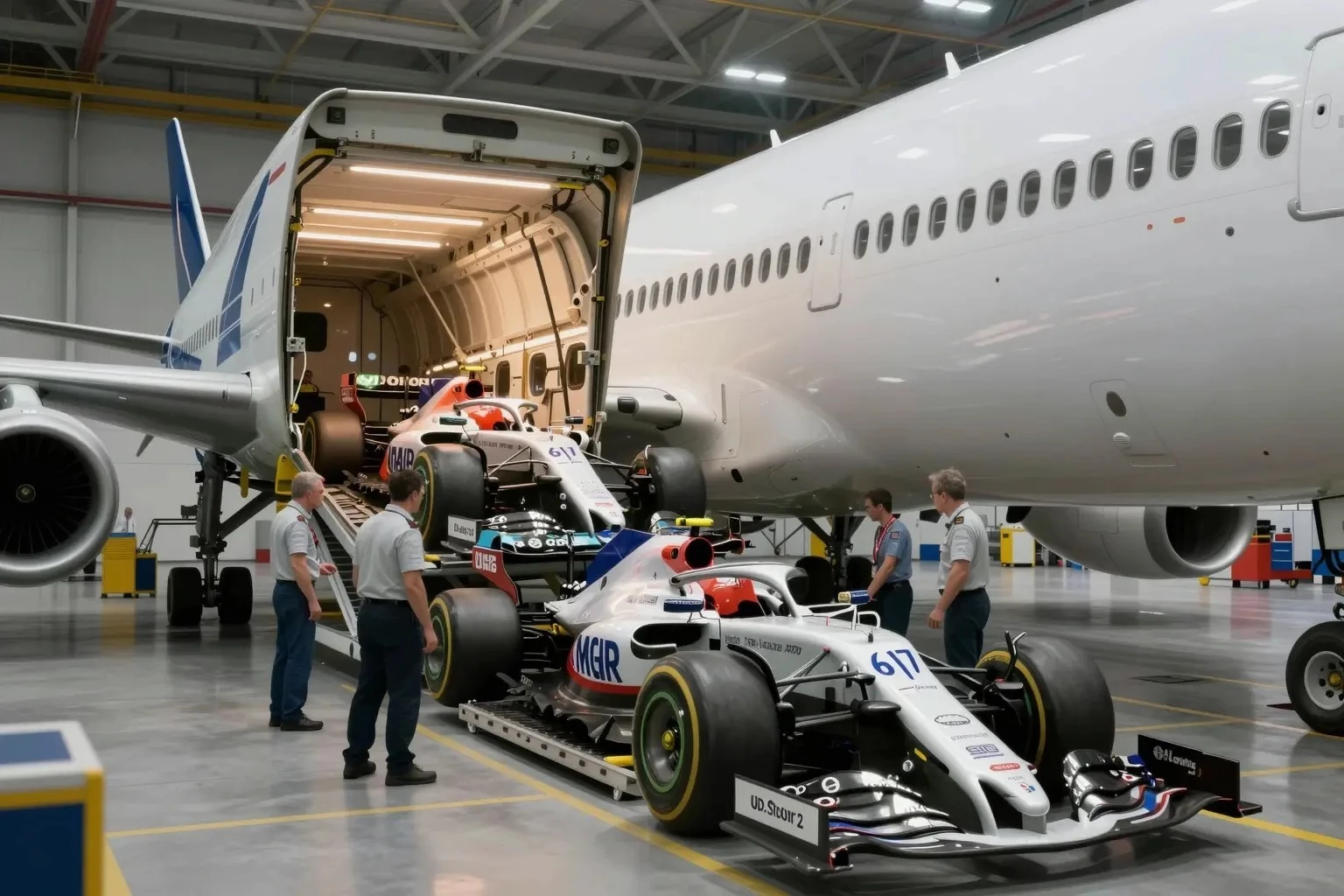
how are f1 cars transported around the world
In the high-octane world of Formula 1, where precision and speed are paramount, the logistics of transporting racing cars and equipment from one venue to another is a complex operation․ This process involves an intricate ballet of logistics, freight management, and transportation solutions that ensure everything arrives on time and in perfect condition․ Let’s explore the multifaceted world of F1 logistics and how racing teams manage to move their operations across the globe․
The Global Nature of Formula 1
Formula 1 is a global sport, with a race calendar that spans various continents․ From the bustling streets of Monaco to the high-speed circuits of Japan, each venue presents unique logistical challenges․ This requires meticulous planning and coordination to ensure that all necessary equipment is at the right place at the right time․
Modes of Transportation
Air Transport
Air transport is often the preferred method for moving F1 cars and their associated gear across long distances quickly․ Cargo planes are used to transport everything from cars and spare parts to tools and hospitality equipment․ These planes, often chartered specifically for the teams, enable rapid transportation between races, minimizing the time cars spend out of action․
Sea Transport
For less time-sensitive cargo, sea transport is utilized․ This method is more cost-effective but requires more lead time due to slower transit times․ Large containers are used to ship non-essential items, which can be packed well in advance of the race and sent to the next destination․
Role of Logistics Companies
Specialized logistics companies play a crucial role in ensuring the smooth transport of F1 equipment․ These companies handle everything from scheduling to the physical movement of goods․ They must coordinate with racing teams to adhere to tight schedules and manage the dismantling and reassembly of equipment at each circuit․
Handling Customs and Regulations
Each country has its own customs regulations, which must be carefully navigated to avoid delays․ Logistics teams work closely with customs officials to ensure all paperwork is in order, and any potential issues are resolved quickly to prevent disruptions to the racing schedule․
The Paddock and Circuit Set-Up
Upon arrival at a race venue, the focus shifts to setting up the paddock and preparing the cars for the race․ This involves the reassembly of cars, setting up team facilities, and ensuring that all equipment is ready for use․ The efficiency of this process is critical to ensure that teams can focus on race preparation․
Environmental Considerations
With the growing emphasis on sustainability, Formula 1 is under pressure to reduce its carbon footprint․ This includes optimizing transportation methods to minimize environmental impact․ Teams and logistics partners are exploring efficiency improvements, such as more efficient flight paths and consolidating shipments, to address these concerns․
The Role of Specialized Staff
Behind the scenes, a team of specialized staff works tirelessly to oversee the logistics operations․ These professionals have deep expertise in freight management, customs regulations, and the technical requirements of transporting F1 equipment․ Their skills are critical to overcoming the numerous challenges associated with global transportation logistics․
Challenges and Innovations
The logistics of transporting F1 cars is fraught with challenges, from weather-related delays to unexpected regulatory changes․ However, the sport continually innovates to improve efficiency and cost-effectiveness․ This includes the use of advanced tracking technologies and data analytics to optimize routes and manage risks․
The transportation of Formula 1 cars around the world is a testament to the remarkable logistical prowess of the teams involved․ Through a combination of air and sea transport, expert logistics companies, and a dedicated team of professionals, F1 continues to thrill fans globally while overcoming the significant logistical challenges presented by its demanding race calendar․
