







Can I Ship My Car to Europe for Vacation
Shipping your car to Europe can enhance your travel experience, providing flexibility and convenience. Explore various options for auto transport services tailored to your vacation needs.
Understanding the Need to Ship a Car to Europe
Shipping your car to Europe for a vacation can provide numerous advantages for travelers. First, having your own vehicle allows you to explore remote areas and hidden gems that may be inaccessible via public transportation. Additionally, traveling with your car offers flexibility in your itinerary, enabling spontaneous detours and extended stays at desired locations. Moreover, it eliminates the need for costly vacation car rentals, which often come with restrictions and additional fees. However, it’s essential to consider shipping regulations Europe and customs requirements car shipping to ensure a seamless process. Evaluating the shipping costs and auto shipping companies available will help you make an informed decision. Ultimately, transporting vehicles internationally enhances your travel experience, making your European road trip memorable and enjoyable.
Shipping Options for Your Car
When planning to ship your car to Europe, consider various shipping options available. Research auto transport services that cater specifically to international vehicle transport needs.
Overview of Car Shipping Options
When considering shipping options for your car to Europe, you have several choices. Two primary methods are container shipping and roll-on/roll-off (RoRo) shipping. Container shipping offers enhanced protection for your vehicle, as it is securely placed in a container, safeguarding it against potential damage during transit. This option is often more expensive but is ideal for high-value vehicles. On the other hand, RoRo shipping is typically more budget-friendly and involves driving your car onto a specialized vessel. However, this method exposes your vehicle to the elements. Additionally, you can choose between door-to-door services or terminal-to-terminal shipping, depending on your preferences and budget. Researching different auto shipping companies can help you identify the best option for your travel plans.
Choosing the Right Auto Transport Services
Selecting the right auto transport services is crucial for a smooth car shipping experience to Europe. Start by researching reputable auto shipping companies with a proven track record in international car shipping. Check customer reviews and ratings to gauge their reliability and service quality. It’s also essential to verify that the company is licensed and insured, ensuring that your vehicle is protected during transit. Compare quotes from multiple providers, taking into account the services offered and shipping methods available. Additionally, inquire about their car shipping insurance options, as this can provide peace of mind. Finally, ask about the estimated shipping timeline and any additional fees to ensure transparency in the overall shipping process. A well-informed choice can enhance your vacation experience significantly.

International Car Shipping Process
The international car shipping process involves several crucial steps. Understanding these steps ensures a seamless experience when transporting your vehicle to Europe for your vacation.
Steps to Ship Your Car to Europe
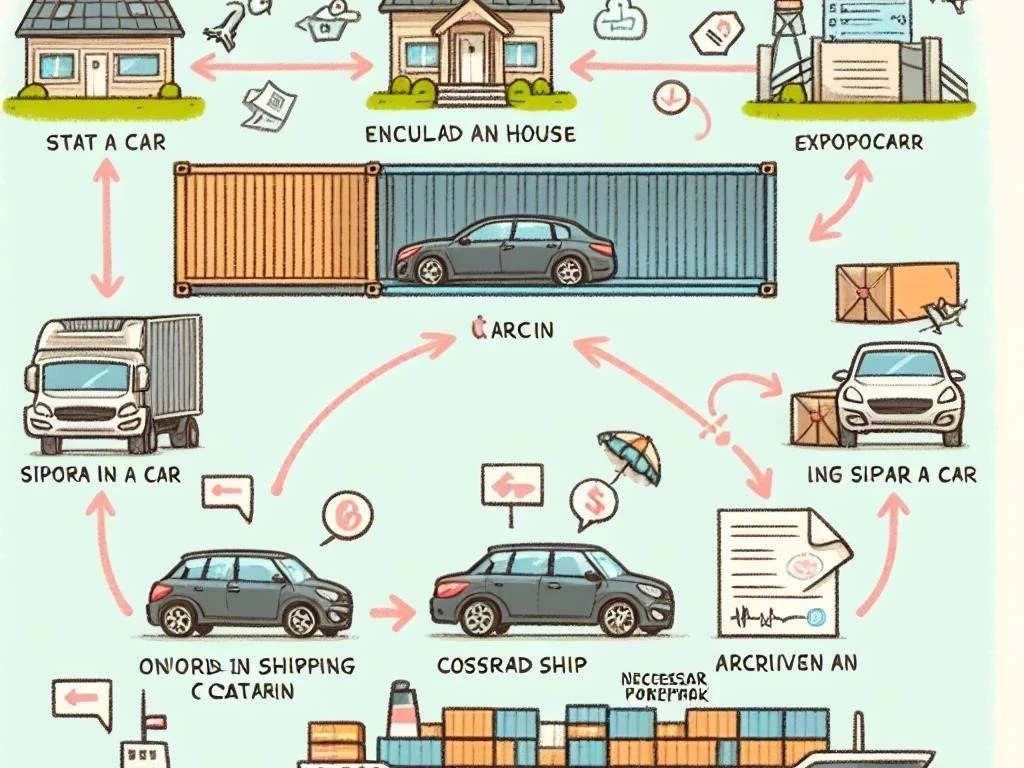
Shipping your car to Europe involves several important steps to ensure a successful delivery. Begin by researching various auto transport companies and selecting one that meets your specific needs. Once chosen, gather all necessary documentation, including your vehicle title, registration, and proof of insurance. Next, contact the shipping company to obtain a quote and finalize your booking. Prepare your vehicle for transport by cleaning it and removing personal items. On the scheduled pickup date, drop off your car or have it picked up, as per your agreement. The shipping company will then handle the logistics for car shipping, including customs clearance. Finally, upon arrival in Europe, pick up your vehicle, ensuring it meets all customs requirements for car shipping.
Logistics for Car Shipping
Logistics for car shipping to Europe involves a detailed process that ensures your vehicle reaches its destination safely and on time. Start by confirming the shipping method you have chosen, whether it be container or RoRo shipping, as each has its unique logistical requirements. The shipping company will provide you with a timeline for pickup and delivery, which is essential for planning your vacation. It’s crucial to understand the customs requirements for car shipping, as this will impact the logistics involved. Additionally, make arrangements for insurance coverage during transit, which protects against potential damages. Lastly, maintain communication with the shipping company throughout the process, ensuring you receive updates and can address any issues that may arise during transport;
Shipping Regulations in Europe
Understanding shipping regulations in Europe is crucial for a successful car transport experience. Familiarize yourself with customs requirements and other regulations before shipping your vehicle.
Customs Requirements for Car Shipping
When shipping a car to Europe, understanding customs requirements is essential for a smooth entry process. First, ensure you have all necessary documentation, including your vehicle registration, title, and a bill of lading. Customs officials will require proof of ownership and may ask for identification, such as a passport. Additionally, be prepared to provide information about your vehicle, including its make, model, and year. Some countries may impose duties or taxes on imported vehicles, so it’s important to research specific regulations for your destination. Ensure that your car complies with European safety and emissions standards to avoid complications. Finally, consult with your shipping company for guidance on customs procedures and any additional requirements for your specific shipping route.
Understanding Shipping Costs
Understanding shipping costs is vital when planning to transport your car to Europe for vacation. Several factors influence these costs, including the shipping method you choose, such as container or RoRo shipping. Container shipping typically incurs higher costs due to additional security and protection for your vehicle. Additionally, the distance between the departure and arrival ports can significantly impact the overall price. Other elements to consider are insurance fees, customs duties, and any terminal handling charges that may apply. It’s also worth noting that seasonal demand may affect pricing, so booking in advance can help secure more favorable rates. To make an informed decision, compare quotes from different auto shipping companies and ensure you understand what is included in the total shipping costs.
Overseas Vehicle Shipping Considerations
When planning to ship your car overseas, consider factors such as shipping methods, insurance, customs regulations, and the overall costs involved in transporting your vehicle.
Car Shipping Insurance: What You Need to Know
Understanding car shipping insurance is crucial when transporting your vehicle to Europe. This insurance protects your car against potential damages during transit, such as accidents or adverse weather conditions. When selecting a shipping company, inquire about the types of insurance they offer and whether it’s included in the shipping cost. Some companies provide basic coverage, while others may offer comprehensive plans that cover theft, vandalism, or total loss. It’s essential to review the policy details, including any deductibles and coverage limits. Additionally, consider purchasing supplemental insurance if the offered coverage does not meet your needs. Before shipping, document your car’s condition with photos to facilitate any claims process. Knowing your insurance options can provide peace of mind throughout your journey.
Importing Your Car to Europe
Importing your car to Europe for a vacation requires careful planning and adherence to specific regulations. First, research the customs requirements for the country you are visiting, as each nation has its own rules regarding vehicle imports. You will need to provide documentation such as the vehicle title, registration, and proof of insurance. Additionally, some countries may require a customs declaration form, which outlines the car’s value and specifications. Be aware of any import taxes or duties that may apply, as these can impact your overall costs. Ensure that your vehicle complies with European safety and emissions standards to avoid delays. Finally, consult with your shipping company for guidance on the import process and any necessary paperwork to facilitate a smooth entry.
Vacation Car Rental vs. Shipping Your Car
Choosing between vacation car rental and shipping your car involves weighing convenience, cost, and flexibility. Evaluate your travel plans to make the best decision.
Advantages of Transporting Vehicles Internationally
Transporting vehicles internationally offers several advantages, especially for travelers planning a European vacation. Firstly, having your own vehicle provides unmatched convenience, allowing you to explore remote areas and hidden gems that public transport might not reach. You can also enjoy the comfort of familiar driving controls and settings, eliminating the need to adjust to unfamiliar rental cars. Furthermore, shipping your car can often be more cost-effective than renting a vehicle, especially for extended trips; Additionally, you can avoid rental car restrictions and mileage limitations that may apply. This flexibility allows you to create a spontaneous itinerary, enhancing your overall travel experience. Overall, transporting your vehicle internationally can significantly enrich your journey across Europe, making it more enjoyable and personalized.
Disadvantages of Car Relocation Services
While car relocation services can be convenient, they come with several disadvantages that travelers should consider. Firstly, the cost of shipping a vehicle can be significantly higher than renting a car, especially when factoring in insurance and customs fees. Additionally, the shipping timeline can be unpredictable, potentially delaying your travel plans if your vehicle arrives later than expected. Moreover, entrusting your car to a shipping company may raise concerns about damage or loss during transport, despite insurance options. There are also restrictions on vehicle modifications and specific requirements for compliance with European regulations, which can complicate the shipping process. Finally, the hassle of dealing with customs paperwork and regulations may add stress to your travel experience, detracting from your vacation enjoyment.
Driving in Europe
Driving in Europe offers a unique experience, allowing you to explore diverse landscapes and cultures. Familiarize yourself with local traffic laws and road signs for safety.
Preparing for Your European Road Trip
Preparing for your European road trip involves several essential steps to ensure a smooth and enjoyable experience. Begin by researching the countries you plan to visit, familiarizing yourself with their driving laws, speed limits, and road signs. Ensure your vehicle is in good condition, checking tire pressure, fluid levels, and brakes. Additionally, consider obtaining an international driving permit, as some countries may require it. Plan your route in advance, including stops at points of interest, and download offline maps to avoid connectivity issues. It’s also wise to pack an emergency kit with tools, a first-aid kit, and basic supplies. Lastly, be mindful of local customs and etiquette to enhance your travel experience and foster positive interactions with locals during your journey.
Traveling with Your Car: Tips and Tricks
Traveling with your car in Europe can be a rewarding experience if you follow some essential tips and tricks. First, ensure your vehicle is well-prepared for the journey, including regular maintenance and fuel efficiency checks. Familiarize yourself with local driving laws, and always carry necessary documents, such as your driving license, registration, and insurance papers. Utilize navigation apps to help you find the best routes and avoid traffic. When parking, look for secure areas to minimize the risk of theft. Additionally, consider purchasing a European road atlas as a backup, in case digital devices fail. Be prepared for tolls in certain countries and research payment options in advance. Finally, embrace the adventure, remain flexible, and enjoy the stunning landscapes and cultural experiences along the way!
