







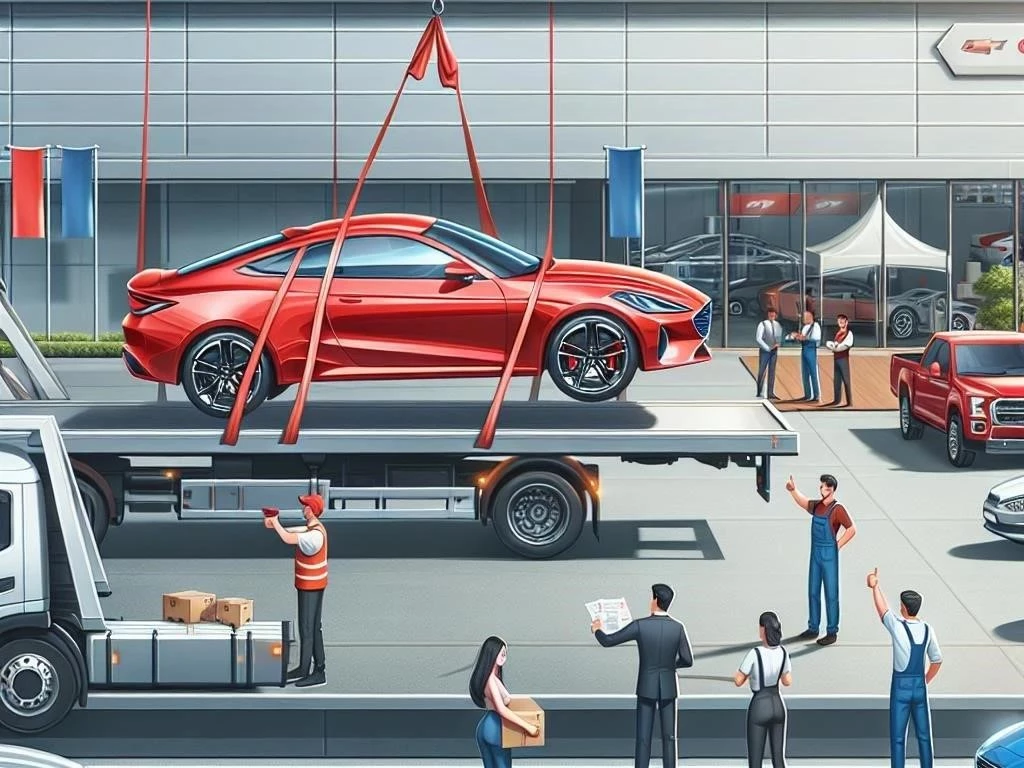
Can Dealerships Ship Cars to You?
Yes, dealerships can ship cars directly to you. They offer various shipping options, ensuring a seamless vehicle delivery experience, enhancing convenience for buyers looking for remote purchases.
Understanding Dealership Shipping Options
When considering car shipping, understanding the available options is essential. Dealerships provide various shipping methods tailored to customer needs. Many offer local dealerships that can handle short-distance deliveries efficiently. For long-distance delivery, nationwide shipping is commonly available, ensuring that vehicles reach buyers regardless of their location. Each dealership has partnerships with reliable auto transport companies, streamlining logistics and ensuring safe transportation of vehicles.
Shipping options may include open or enclosed trailers, with pricing based on factors like distance and vehicle type. Dealerships may also provide buyer assistance in selecting appropriate shipping options, taking into account individual preferences and budget. It’s crucial to inquire about shipping fees, delivery time, and any additional services offered, such as vehicle inspection and the trade-in process. By understanding these dealership services, buyers can make informed decisions during the online car buying experience and enjoy a hassle-free vehicle delivery process.
The Process of Auto Transport
The process of auto transport begins once a customer confirms their vehicle purchase through a dealership. Initially, dealerships will coordinate with auto transport companies to arrange logistics. This involves scheduling pick-up and confirming the shipping method, whether it’s open or enclosed transport. The dealership ensures that all necessary documentation is prepared, including title transfers and registration paperwork.
Once the vehicle is picked up, it undergoes a thorough vehicle inspection to document its condition before transport. During transportation, customers can track their vehicle’s progress, allowing for better anticipation of delivery. Upon arrival at the designated location, the dealership or shipping company will perform another inspection to ensure the vehicle’s safe arrival. The process emphasizes customer convenience, providing clear communication throughout. Auto transport ultimately aims to deliver vehicles efficiently while maintaining high standards in service and safety for an enjoyable online car buying experience.
Vehicle Delivery: Local vs. Nationwide Shipping
When it comes to vehicle delivery, dealerships typically offer two main options: local and nationwide shipping. Local delivery is ideal for buyers purchasing from nearby car dealerships, allowing for quicker and more efficient service. This option often entails lower shipping fees and reduced delivery time, making it a convenient choice for customers in the area.
On the other hand, nationwide shipping caters to buyers who opt for remote purchases from dealerships across the country. This option ensures that customers can access a wider selection of vehicles, though it may involve higher shipping fees and longer delivery times. Dealerships collaborate with experienced auto transport services to facilitate safe and timely deliveries. Regardless of the chosen method, dealerships prioritize customer convenience, providing updates throughout the process. Understanding these differences enables buyers to make informed decisions that suit their specific needs during the vehicle logistics and delivery experience.
Factors Influencing Shipping Fees and Delivery Time
Several factors influence shipping fees and delivery time when dealerships ship cars to customers. One significant factor is the distance between the dealership and the buyer’s location. Longer distances typically result in higher shipping fees and extended delivery times. Additionally, the type of vehicle being transported can impact costs; larger or luxury vehicles often incur higher freight charges due to their size and value.
The chosen shipping method, whether open or enclosed transport, also affects pricing and timeframes. Enclosed transport, while safer, generally comes at a premium. Seasonal demand fluctuations can influence both availability and pricing, with peak times often leading to increased shipping fees. Similarly, the complexity of the logistics involved, such as the need for special permits or additional services like vehicle inspections, can contribute to overall costs. Understanding these factors helps buyers make informed decisions and budget effectively for their vehicle delivery.

Enhancing Customer Convenience with Remote Purchase
Remote purchases have transformed the car buying experience, significantly enhancing customer convenience. Dealerships now offer online car buying platforms, allowing buyers to browse inventory and complete transactions from the comfort of their homes. This process streamlines the car sales experience, eliminating the need for in-person visits.
Through remote purchasing, customers can access vehicle inspections, detailed descriptions, and pricing information instantly, making informed decisions easier. Dealerships often provide buyer assistance, guiding customers through financing options and the trade-in process, further simplifying their experience. Additionally, online platforms present various shipping options tailored to individual needs, ensuring that vehicle delivery is efficient and timely.
By embracing technology, dealerships prioritize customer convenience, allowing buyers to schedule deliveries that fit their lifestyles. This modern approach to automotive logistics not only expands the market reach but also caters to the evolving preferences of today’s vehicle shoppers.
