







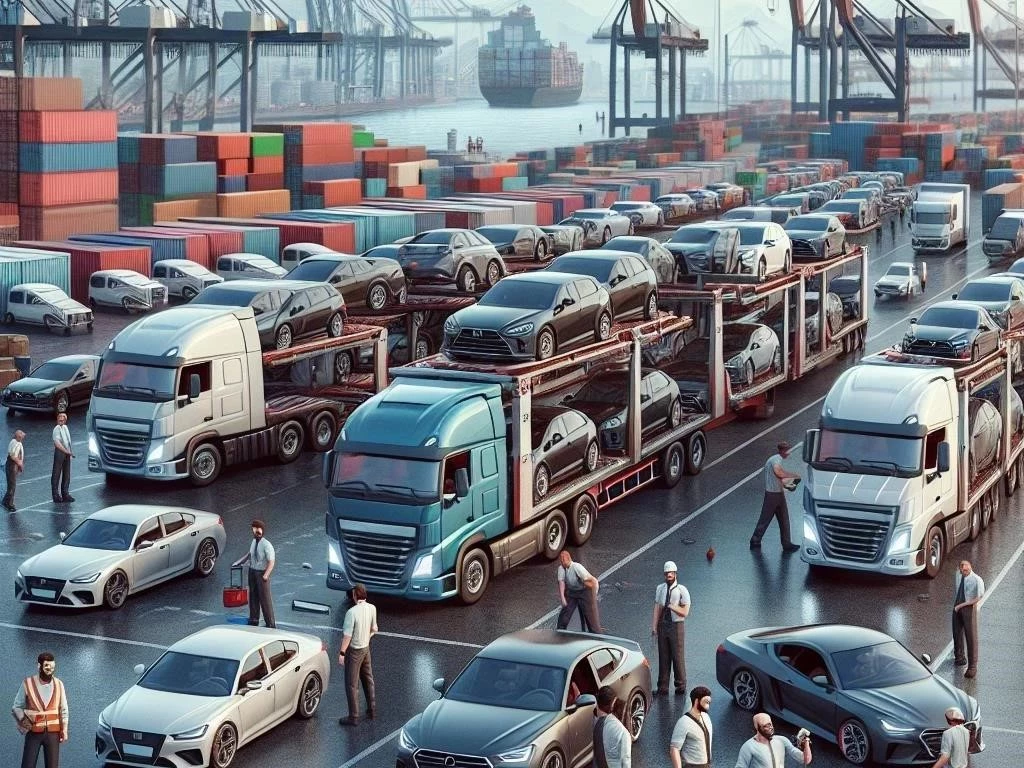
Car Hauler Jobs
Car hauler jobs involve transporting vehicles efficiently. This sector offers diverse roles‚ ensuring safe delivery within logistics‚ promoting growth in the trucking industry.
Overview of the Car Transport Industry
The car transport industry encompasses various aspects of vehicle logistics‚ including car delivery and freight transport. This sector is crucial for the efficient movement of automobiles‚ catering to both individual customers and businesses. Auto haulers play a vital role in ensuring that cars reach their destinations safely and on time. With the increasing demand for online auto sales and the expansion of automotive markets‚ the need for reliable transportation services has surged. As a result‚ the trucking industry is continuously evolving‚ creating numerous job opportunities in driving jobs and logistics roles. Employers hiring for these positions seek candidates skilled in cargo handling and load management‚ ensuring smooth operations within this dynamic field.
The Importance of Vehicle Shipping
Vehicle shipping is essential in today’s interconnected world‚ facilitating the movement of cars across vast distances. As the automotive market expands‚ reliable car transport services have become increasingly critical. Auto haulers ensure that vehicles are delivered safely and efficiently‚ helping manufacturers‚ dealerships‚ and individual customers alike. The logistics involved in vehicle shipping require skilled professionals who understand cargo handling‚ load management‚ and regulatory compliance. Efficient freight transport not only enhances customer satisfaction but also supports the overall growth of the trucking industry. In addition‚ timely car delivery contributes to successful business operations‚ as companies rely on transportation services to meet consumer demand. Ultimately‚ vehicle shipping is a cornerstone of the modern automotive landscape‚ driving innovation and creating job opportunities.
Understanding Car Hauling
Car hauling involves transporting vehicles using specialized equipment. This sector requires knowledge of logistics‚ safety regulations‚ and effective load management to ensure successful delivery.
What is an Auto Hauler?
An auto hauler is a specialized vehicle designed to transport cars safely from one location to another. These trucks typically feature multiple levels or trailers that can accommodate several vehicles at once‚ maximizing efficiency in vehicle logistics. Auto haulers play a crucial role in the automotive transport industry‚ serving manufacturers‚ dealerships‚ and individual customers. Skilled drivers operate these trucks‚ ensuring proper load management and adherence to safety regulations. The job requires knowledge of various vehicle types‚ cargo handling techniques‚ and the ability to navigate diverse road conditions. With the growing demand for vehicle shipping services‚ auto haulers are essential in facilitating timely deliveries‚ making this profession critical within the trucking industry and offering numerous job opportunities for aspiring drivers.
Types of Car Transport Services
Car transport services come in various forms‚ catering to different shipping needs within the automotive sector. Open transport is the most common‚ where vehicles are loaded onto open trailers‚ providing cost-effective solutions for standard cars. Enclosed transport offers additional protection for high-value or luxury vehicles‚ shielding them from weather and road debris during transit. Door-to-door service simplifies the delivery process by picking up and dropping off vehicles directly at specified locations. Additionally‚ terminal-to-terminal options allow customers to drop off their vehicles at designated locations for transport. Specialized services cater to heavy haul situations‚ ensuring oversized or unique vehicles are shipped safely. Understanding these options helps customers choose the most suitable service for their specific vehicle shipping requirements.
Freight Transport in the Automotive Sector
Freight transport in the automotive sector is a vital component of the economy‚ facilitating the movement of vehicles across various distances. This process involves the coordination of logistics to ensure timely and safe delivery. Auto haulers‚ as freight carriers‚ utilize specialized equipment to transport cars‚ trucks‚ and other vehicles efficiently. The logistics of vehicle shipping include load management‚ route planning‚ and compliance with safety regulations. The demand for freight transport has increased significantly due to the rise in online car sales and the globalization of automotive manufacturing. Therefore‚ professionals in the trucking industry are essential for maintaining the flow of goods. As a result‚ job opportunities in auto hauling continue to expand‚ attracting skilled drivers and logistics coordinators.
Logistics and the Trucking Industry
The trucking industry plays a vital role in logistics‚ especially in vehicle transport. Efficient operations ensure timely deliveries and enhance the overall effectiveness of transportation services.
Key Roles in Logistics Jobs
Logistics jobs in the car hauler sector encompass various key roles critical to ensuring efficient operations. Auto haulers are responsible for transporting vehicles safely‚ requiring skilled drivers familiar with load management and cargo handling. Shipping coordinators play a vital role in planning and organizing transportation logistics‚ ensuring timely deliveries and compliance with safety regulations. They liaise between clients‚ drivers‚ and freight carriers‚ coordinating schedules and resolving any issues that arise. Additionally‚ logistics managers oversee entire operations‚ optimizing processes and implementing best practices in the trucking industry. Furthermore‚ specialized positions‚ such as dispatchers‚ ensure effective communication between drivers and management. The growing demand for vehicle shipping services continues to create diverse job opportunities within this dynamic field‚ attracting individuals with various skill sets.
The Growing Demand for Truck Driver Jobs
The demand for truck driver jobs‚ particularly in the car hauler sector‚ has surged in recent years due to various factors. The expansion of online automotive sales has significantly increased the need for efficient vehicle shipping services. As more consumers purchase cars without visiting dealerships‚ timely and reliable car transport becomes essential; Additionally‚ the ongoing growth of the automotive industry and globalization further drives the requirement for skilled drivers. Companies are actively seeking qualified candidates to fill these essential positions‚ offering attractive pay and benefits. As the trucking industry continues to evolve‚ job opportunities in driving roles are expected to increase. The combination of a growing market and an aging workforce creates a promising outlook for aspiring truck drivers in automotive transport.
Overview of Transportation Services
Transportation services in the car hauler industry encompass a range of solutions designed to move vehicles efficiently and safely. These services include open and enclosed transport options‚ catering to different customer needs such as budget and vehicle type. Auto haulers utilize specialized equipment for effective cargo handling and load management‚ ensuring vehicles are protected during transit. Additionally‚ transportation services often offer door-to-door delivery‚ enhancing convenience for clients. The logistics involved in coordinating these services require skilled professionals‚ including drivers and shipping coordinators‚ to manage schedules and communicate effectively with clients. As the automotive market continues to grow‚ the importance of reliable transportation services remains paramount‚ driving innovation and creating numerous job opportunities across the industry.
Job Opportunities in Car Hauling
Car hauling presents numerous job opportunities‚ particularly for skilled drivers and logistics professionals. The growing demand ensures diverse roles within the automotive transport industry.
Exploring Driver Positions
Driver positions within the car hauling industry offer various opportunities for skilled individuals seeking fulfilling careers. Auto haulers typically require drivers to possess a commercial driver’s license (CDL) and specialized training in transporting vehicles. Positions vary from local deliveries to long-haul trucking‚ catering to different preferences and lifestyles. Local drivers often enjoy regular hours and home time‚ while long-haul drivers may experience extended trips and higher earning potential. Additionally‚ specialized roles‚ such as heavy haul drivers‚ focus on transporting oversized or unique vehicles‚ requiring advanced skills and knowledge. Many companies offer competitive pay‚ benefits‚ and opportunities for advancement‚ making these driver positions attractive for those entering the trucking industry. Overall‚ exploring these opportunities can lead to rewarding careers in automotive transport.
What Employers Look for in Auto Hauler Candidates
Employers in the car hauling industry seek candidates with specific qualifications and skills to ensure efficient operations and safe vehicle transport. A valid commercial driver’s license (CDL) is essential‚ demonstrating the candidate’s capability to operate large vehicles. Experience in the trucking industry‚ particularly with auto transport‚ is highly valued‚ as it indicates familiarity with cargo handling and load management. Additionally‚ employers look for strong communication skills‚ as drivers often interact with clients and shipping coordinators. Attention to detail is crucial for inspecting vehicles for damage and ensuring compliance with safety regulations. A clean driving record reflects professionalism and reliability. Candidates who show adaptability and problem-solving abilities are also preferred‚ as they can navigate the challenges of the dynamic automotive transport environment.
Heavy Haul vs. Standard Car Delivery
Heavy haul and standard car delivery represent two distinct services in the car hauling industry‚ each catering to different transportation needs. Standard car delivery typically involves moving regular vehicles using open or enclosed trailers‚ focusing on efficiency and cost-effectiveness. This method is suitable for most consumer and dealership vehicle shipments‚ ensuring quick and reliable transport. In contrast‚ heavy haul services are designed for oversized or specialized vehicles‚ such as construction equipment‚ classic cars‚ or modified trucks. These transports require specialized trailers and equipment‚ as well as additional permits and route planning to navigate infrastructure limitations. Drivers in heavy haul positions often need advanced skills and experience due to the complexities involved. Understanding the differences helps customers choose the appropriate service for their specific requirements.

Essential Skills for Car Haulers
Car haulers require essential skills‚ including safe driving‚ load management‚ communication‚ and problem-solving abilities‚ ensuring efficient vehicle transport and adherence to industry regulations.
Load Management Techniques
Effective load management techniques are crucial for car haulers to ensure the safe and efficient transportation of vehicles. Properly distributing weight across the trailer is essential to maintain stability and prevent damage during transit. Drivers should assess vehicle sizes and weights‚ strategically placing heavier vehicles on lower levels while securing lighter ones on top. Utilizing appropriate tie-downs and straps helps prevent shifting during transport‚ safeguarding the vehicles. Regularly checking load security throughout the journey is vital‚ especially during long-haul trucking. Additionally‚ familiarity with loading and unloading procedures minimizes risks and enhances operational efficiency. Continuous training on load management best practices contributes to a driver’s skill set‚ making them more competitive in the job market and ensuring safe delivery of vehicles.
Cargo Handling Best Practices
Adhering to cargo handling best practices is essential for car haulers to ensure the safe transport of vehicles. First‚ conducting thorough inspections before loading helps identify any pre-existing damage‚ allowing for accurate documentation. Using appropriate lifting equipment‚ such as dollies or ramps‚ minimizes the risk of injury when loading or unloading vehicles. During transport‚ securing cars with high-quality straps and chains prevents movement‚ reducing the chances of damage. It’s also crucial to properly position vehicles on the trailer‚ taking into account weight distribution and balance. Regularly checking the cargo during stops ensures continued security. Lastly‚ maintaining clear communication with team members enhances coordination and efficiency‚ leading to successful deliveries and satisfied customers while promoting a culture of safety within the industry.
Importance of Safety in Vehicle Logistics
Safety in vehicle logistics is paramount for car haulers‚ directly impacting the well-being of drivers‚ cargo‚ and other road users. Adhering to safety regulations helps prevent accidents and ensures compliance with industry standards. Regular vehicle maintenance and inspections are essential to identify potential issues before they lead to breakdowns or collisions. Moreover‚ proper training in safe driving practices equips drivers with the skills necessary to handle various road conditions and unexpected challenges. Implementing safety protocols‚ such as securing loads correctly and using personal protective equipment‚ minimizes risks during loading and unloading. A strong safety culture fosters trust among customers and enhances the reputation of logistics companies‚ ultimately leading to increased business opportunities and long-term success in the competitive trucking industry.
Career Path in the Trucking Industry
The trucking industry offers diverse career paths‚ including driving‚ logistics coordination‚ and management roles‚ providing various opportunities for growth and professional development.
Shipping Coordinator Roles
Shipping coordinators play a vital role in the car hauling industry‚ ensuring efficient vehicle transport operations. They are responsible for scheduling shipments‚ coordinating with drivers‚ and managing communication between clients and freight carriers. This position requires strong organizational skills‚ as coordinators must track multiple shipments and maintain accurate records. They also oversee the preparation of shipping documentation‚ ensuring compliance with regulations and facilitating smooth customs processes when necessary. Additionally‚ shipping coordinators address any issues that arise during transit‚ such as delays or vehicle damage‚ and implement solutions to minimize disruptions. As the demand for vehicle shipping services continues to grow‚ skilled shipping coordinators will find ample job opportunities‚ making this role essential for successful operations within the trucking industry.
Advancement Opportunities in Shipping Careers
Advancement opportunities in shipping careers within the car hauling industry are abundant‚ providing pathways for professional growth. Starting positions‚ such as shipping coordinators or logistics assistants‚ allow individuals to gain valuable experience and develop essential skills. With proven performance‚ employees can progress to roles like logistics managers or operations supervisors‚ overseeing larger teams and more complex shipping processes. Additionally‚ specialization in areas such as international shipping or heavy haul logistics can lead to higher-paying positions and increased responsibilities. Continuous education and training‚ such as obtaining certifications in logistics and supply chain management‚ further enhance advancement potential. The evolving nature of the trucking industry also creates new roles‚ ensuring that dedicated professionals can find fulfilling career paths within the dynamic landscape of vehicle transport.
Long-Haul Trucking vs. Local Routes
Understanding the difference between long-haul trucking and local routes is essential for car hauler jobs‚ as each presents unique challenges and rewards. Long-haul trucking involves transporting vehicles over long distances‚ often requiring drivers to be away from home for extended periods. This type of job typically offers higher pay rates and opportunities to drive larger‚ specialized rigs‚ but it also demands significant time management and adaptability. In contrast‚ local routes focus on shorter distances‚ allowing drivers to return home daily‚ which can enhance work-life balance. Local positions may offer consistent schedules‚ but pay may vary depending on the volume of deliveries. Ultimately‚ the choice between long-haul and local routes depends on individual preferences and lifestyle considerations in the car hauling industry.
Challenges in Car Hauler Jobs
Car hauler jobs face various challenges‚ including unpredictable weather‚ tight schedules‚ vehicle damage risks‚ regulatory compliance‚ and the need for effective communication among team members.
Common Issues in Road Transport
Car hauler jobs encounter several common issues in road transport that can affect efficiency and safety. One of the primary challenges is traffic congestion‚ which can lead to delays in deliveries and increased fuel costs. Additionally‚ road conditions‚ such as potholes or construction zones‚ can pose risks to vehicles being transported‚ potentially causing damage. Weather-related factors‚ including rain‚ snow‚ or fog‚ can further complicate driving conditions and impact schedule adherence. Compliance with regulations‚ such as weight limits and permits‚ is crucial‚ as violations can result in fines or delays. Moreover‚ communication breakdowns between drivers‚ shipping coordinators‚ and clients may lead to misunderstandings or mismanaged expectations. Addressing these issues is vital for maintaining a successful car hauling operation.
Dealing with Delays in Car Delivery
Delays in car delivery can pose significant challenges for car hauler jobs‚ requiring effective strategies to manage customer expectations and operational efficiency. First‚ proactive communication is vital; informing clients about potential delays helps build trust and transparency. Drivers must maintain a flexible schedule to accommodate unforeseen circumstances‚ such as traffic congestion or weather-related issues. Utilizing technology‚ such as GPS tracking systems‚ allows real-time monitoring of shipments‚ enabling timely updates to clients. Additionally‚ developing contingency plans for common delay scenarios can streamline responses and minimize disruptions. Training drivers and logistics staff on handling delays ensures everyone is equipped to address issues effectively. Ultimately‚ maintaining a customer-centric approach while navigating delays is crucial for sustaining positive relationships and ensuring long-term success in the car hauling industry.
Managing Stress and Work-Life Balance
Managing stress and maintaining work-life balance are crucial for individuals in car hauler jobs‚ as the demands of the trucking industry can be overwhelming. Establishing a structured routine helps drivers allocate time for work and personal life effectively. Prioritizing self-care‚ including regular exercise‚ healthy eating‚ and adequate sleep‚ is essential for sustaining energy levels and reducing stress. Additionally‚ utilizing downtime during long hauls for relaxation or leisure activities can enhance mental well-being. Open communication with employers about scheduling preferences or concerns can lead to more flexible arrangements. Building a support network‚ whether through family‚ friends‚ or fellow drivers‚ provides emotional support and shared experiences. By implementing these strategies‚ car haulers can navigate the challenges of their job while preserving their overall well-being and happiness.
Car hauler jobs play a vital role in the transportation industry‚ offering various opportunities and challenges while emphasizing the importance of safety‚ efficiency‚ and professionalism.
The Future of Car Hauler Jobs
The future of car hauler jobs is poised for growth‚ driven by advancements in technology and increasing demand for vehicle transportation services. As e-commerce continues to expand‚ the need for efficient auto transport will rise‚ creating numerous job opportunities within the trucking industry. Electric and autonomous vehicles are also on the horizon‚ prompting car haulers to adapt and embrace new technologies to stay competitive. Enhanced logistics solutions‚ such as real-time tracking and optimized routing software‚ will streamline operations and improve overall efficiency. Additionally‚ an increasing focus on sustainability may lead to the adoption of eco-friendly practices within the industry. As the landscape evolves‚ ongoing training and skill development will be essential for professionals in car hauling‚ ensuring they remain equipped to meet future challenges.
Final Thoughts on Automotive Transport Careers
Automotive transport careers‚ particularly in car hauler jobs‚ present a dynamic and rewarding pathway for individuals seeking opportunities in the trucking industry. The demand for vehicle transportation continues to grow‚ offering job stability and potential for advancement. As technology evolves‚ professionals in this field must adapt to new practices and tools‚ ensuring they remain competitive and efficient. Emphasizing safety‚ effective communication‚ and strong logistical skills will enhance success in automotive transport careers. Additionally‚ fostering a positive work environment and maintaining a healthy work-life balance are essential for long-term job satisfaction. Ultimately‚ those who choose to pursue car hauling can expect a fulfilling career that contributes significantly to the economy while navigating the challenges and rewards of this essential industry.
