







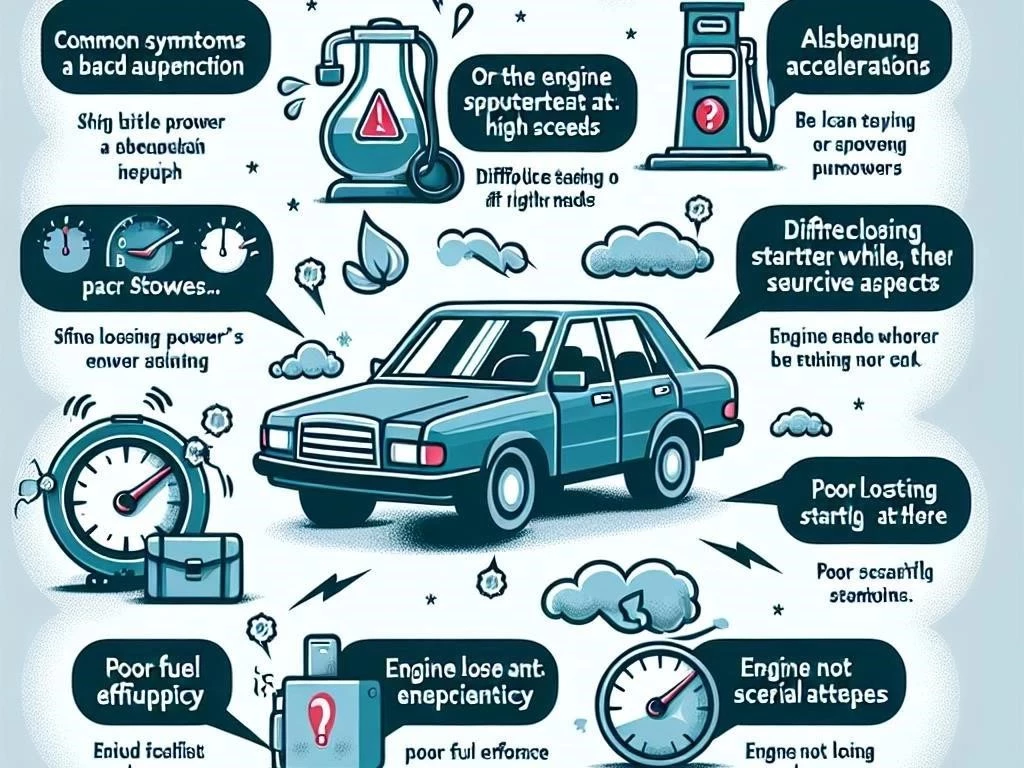
Common Symptoms of a Bad Fuel Pump
The fuel pump is crucial for delivering fuel to the engine. A failing pump can lead to various symptoms affecting overall vehicle performance and efficiency.
Identifying common symptoms can help in diagnosing fuel pump issues. Look for sputtering, stalling, hard starting, reduced power, and poor acceleration while driving.
Sputtering Engine
A sputtering engine is a common indication of fuel delivery issues, often caused by a failing fuel pump. This symptom usually manifests when the engine receives an inconsistent supply of fuel, leading to irregular combustion. Drivers may experience sudden power drops or noticeable jolts while accelerating. This can be alarming, especially when merging onto highways or navigating busy traffic. If you notice your engine sputtering, it’s crucial to investigate the fuel system immediately. Ignoring this warning sign could lead to further engine performance problems and costly repairs if not addressed promptly.
Stalling
Stalling is a serious symptom that often indicates fuel pump failure or fuel delivery issues. When the fuel pump struggles to maintain adequate pressure, the engine may unexpectedly shut off, causing a complete loss of power. This can occur at any speed, making it particularly dangerous during high-speed driving or busy intersections. Drivers may experience a sudden loss of acceleration, followed by the engine shutting down completely. Frequent stalling not only disrupts daily activities but also poses significant safety risks. It’s vital to address this warning sign promptly to prevent further engine damage.
Hard Starting
Hard starting is a frustrating issue that can signal fuel pump problems. When the fuel pump is malfunctioning, it may not deliver sufficient fuel to the engine, leading to difficulties when starting the vehicle. Drivers may find themselves cranking the ignition multiple times before the engine finally catches. This delay can be particularly concerning during cold weather or after the vehicle has been sitting idle. If you consistently experience hard starting, it’s essential to investigate the fuel system, as this symptom may indicate a potential failure that could worsen over time.
Reduced Power
Reduced power is a critical symptom that often indicates underlying fuel pump issues. When the fuel pump fails to provide adequate fuel pressure, the engine may struggle to perform optimally, resulting in a noticeable decrease in power. Drivers might experience sluggish acceleration, especially during rapid acceleration or when climbing hills. This lack of power can be frustrating and may affect overall driving safety. If you notice reduced power while driving, it’s essential to investigate the fuel system promptly, as ignoring this symptom can lead to more severe engine performance problems down the road.
Poor Acceleration
Poor acceleration is a telltale sign of a failing fuel pump, impacting overall vehicle performance. When the fuel pump does not supply enough fuel, the engine may struggle to gain speed, leading to frustrating driving experiences. This symptom can become particularly pronounced during rapid acceleration or when attempting to overtake other vehicles. Drivers may notice lagging response times, making it difficult to merge onto highways or navigate busy roads. If you experience poor acceleration, it’s crucial to address potential fuel delivery issues immediately, as this can lead to further complications and safety concerns.

Diagnosing Fuel Delivery Issues
Diagnosing fuel delivery issues involves checking fuel pressure, identifying engine performance problems, and analyzing diagnostic trouble codes to determine the root cause of symptoms.
Checking Fuel Pressure
Checking fuel pressure is a crucial step in diagnosing potential fuel pump issues. Using a fuel pressure gauge, you can measure the pressure in the fuel lines to ensure it meets manufacturer specifications. If the pressure is below the required levels, it may indicate a failing fuel pump or a clogged fuel filter. Inconsistent pressure readings can also suggest potential leaks or blockages within the fuel system. Regularly monitoring fuel pressure can help identify problems early, allowing for timely repairs and minimizing the risk of significant engine performance problems.
Identifying Engine Performance Problems
Identifying engine performance problems is essential when diagnosing fuel pump issues. Symptoms such as engine misfires, sputtering, or stalling can signal inadequate fuel delivery. Observing how your vehicle responds during acceleration can reveal underlying issues. If the vehicle hesitates or lacks power, it may indicate a failing fuel pump. Additionally, unusual noises from the fuel tank can provide further clues. Conducting a thorough evaluation of these performance problems allows for accurate diagnosis, ensuring that any necessary repairs are made efficiently to restore optimal engine functionality.
Analyzing Diagnostic Trouble Codes
Analyzing diagnostic trouble codes (DTCs) is a vital component of diagnosing fuel pump symptoms. Modern vehicles are equipped with onboard diagnostic systems that store codes related to various issues. By using an OBD-II scanner, you can retrieve these codes, which can provide insights into fuel delivery problems. Codes related to fuel pressure, misfires, or system malfunctions can direct you towards potential fuel pump failures. Understanding these codes helps pinpoint specific issues, allowing for targeted troubleshooting and repairs, ultimately enhancing vehicle performance and reliability.
Warning Signs of Fuel Pump Failure
Warning signs of fuel pump failure include engine misfires, vehicle hesitation, unusual noises from the fuel tank, and a noticeable drop in fuel efficiency.
Engine Misfires
Engine misfires are a significant warning sign of potential fuel pump failure. When the fuel pump does not supply enough fuel to the engine, it can lead to incomplete combustion, causing the engine to misfire. This results in a noticeable lack of power and can create a rough or shaky idle. Drivers may experience sudden bursts of acceleration followed by sluggishness, contributing to an overall feeling of inconsistency while driving. If you notice engine misfires, it’s crucial to investigate the fuel system immediately to prevent further damage and maintain optimal performance.
Vehicle Hesitation
Vehicle hesitation is a common symptom that can indicate fuel pump issues. When the fuel pump fails to provide a steady supply of fuel, the engine may hesitate during acceleration. This hesitation can occur when merging onto highways or trying to overtake other vehicles, creating potentially dangerous situations. Drivers may feel a brief loss of power or a delay in response when pressing the accelerator. If your vehicle hesitates consistently, it’s essential to address this issue as soon as possible to avoid further complications and ensure safe, reliable driving performance.
Unusual Noises from the Fuel Tank
Unusual noises from the fuel tank can be a clear warning sign of a failing fuel pump. When the fuel pump struggles to function properly, it may produce sounds such as whining, buzzing, or grinding. These noises indicate that the pump is working harder than normal, possibly due to a lack of lubrication or mechanical failure. Drivers should pay attention to any strange sounds, especially when starting the vehicle or during acceleration. Ignoring these warning signs can lead to complete fuel pump failure, resulting in costly repairs and diminished vehicle performance.
Fuel Efficiency Drop
A noticeable drop in fuel efficiency can be a significant indicator of fuel pump problems. When the fuel pump is not delivering the correct amount of fuel to the engine, it can lead to inefficient combustion. This inefficiency results in increased fuel consumption, causing drivers to make more frequent trips to the gas station. If you suddenly find yourself refueling more often without any changes in driving habits, it’s essential to investigate potential issues with the fuel system. Addressing these concerns promptly can help restore optimal fuel efficiency and improve overall vehicle performance.
Maintenance Tips to Prevent Fuel Pump Issues
To prevent fuel pump issues, regularly replace the fuel filter, keep the fuel tank full, and schedule routine automotive repair to ensure optimal vehicle performance.
Regular Fuel Filter Replacement
Regular fuel filter replacement is crucial for maintaining the health of your fuel pump and overall fuel system. The fuel filter’s primary function is to trap contaminants and debris from the fuel, preventing them from reaching the engine. Over time, the filter can become clogged, leading to reduced fuel flow and increased strain on the fuel pump. This can result in poor engine performance, stalling, or even pump failure. By replacing the fuel filter according to manufacturer recommendations, you can ensure optimal fuel flow, prolong the life of your fuel pump, and enhance overall vehicle reliability.
Keeping the Fuel Tank Full
Keeping the fuel tank full is an essential maintenance tip to help prevent fuel pump issues. When the tank is consistently low, the fuel pump operates less efficiently, often drawing in air and sediment that can lead to premature wear and potential failure. A full tank ensures that the fuel pump remains submerged in gasoline, which helps cool and lubricate its components. Additionally, maintaining adequate fuel levels can prevent the fuel pump from straining during acceleration or heavy driving conditions. This simple practice promotes longevity and enhances overall vehicle performance, keeping your engine running smoothly.
Scheduling Routine Automotive Repair
Scheduling routine automotive repair is vital for preventing fuel pump issues and ensuring overall vehicle health. Regular maintenance checks allow mechanics to identify early signs of wear or potential problems before they escalate. During these inspections, components such as fuel filters, fuel lines, and the pump itself can be evaluated for optimal performance. Additionally, mechanics can perform necessary adjustments or replacements, enhancing fuel efficiency and engine performance. By committing to a regular maintenance schedule, you not only prolong the life of your fuel pump but also safeguard your vehicle against unexpected breakdowns and costly repairs.
Replacement Cost and Considerations
Replacement costs for a fuel pump can vary significantly based on vehicle make, model, labor rates, and whether you choose OEM or aftermarket parts.
Factors Affecting Replacement Cost
Several factors can affect the replacement cost of a fuel pump. First, the make and model of your vehicle play a significant role, as some pumps are more expensive than others. Additionally, labor rates at different automotive repair shops can vary, impacting total costs. The choice between OEM (original equipment manufacturer) and aftermarket parts also influences pricing, with OEM parts typically being more expensive. Furthermore, the complexity of the installation process can lead to additional labor charges. Understanding these factors can help you budget effectively for necessary fuel pump replacements.
DIY vs. Professional Help
When it comes to fuel pump replacement, deciding between DIY and professional help is crucial. A DIY approach can save money, especially if you have mechanical skills and access to tools. However, fuel pump replacement can be complex, requiring knowledge of the fuel system and safety precautions. On the other hand, seeking professional help ensures that the job is done correctly, using the right tools and techniques. Professionals can also diagnose any underlying issues, preventing further complications. Ultimately, weigh the potential savings against the risks to determine the best approach for your situation.
