







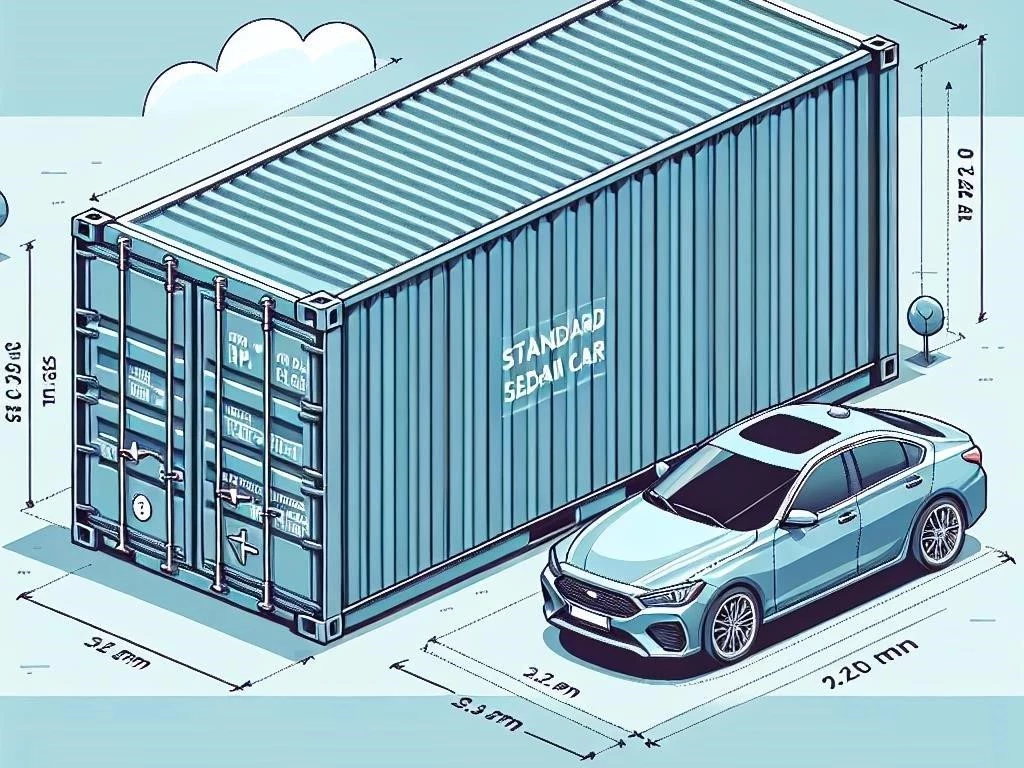
Will a Car Fit in a Shipping Container?
Determining if a car fits in a shipping container depends on vehicle dimensions, container size, and compatibility, ensuring efficient and safe transport for delivery.
The Importance of Understanding Car Dimensions
Understanding car dimensions is crucial when assessing compatibility with shipping containers. Accurate measurements of length, width, and height ensure proper loading and packing. This awareness minimizes risks related to space limitations, handling difficulties, and potential damage during transport. Adhering to these dimensions enhances safety and efficiency in international logistics operations.
Standard Container Sizes for Car Shipping
Standard container sizes for car shipping typically include 20-foot and 40-foot options, accommodating various vehicle sizes, ensuring proper space for secure transport and loading.
Common Container Dimensions
Common container dimensions include the 20-foot container, measuring approximately 20 feet long, 8 feet wide, and 8.5 feet high, and the 40-foot container, which offers double the length. Understanding these measurements is essential for determining whether a specific vehicle can be accommodated safely and securely during shipping and transport processes.
Compatibility with Vehicle Sizes
Compatibility with vehicle sizes is crucial when shipping cars in containers. Assessing a vehicle’s weight, dimensions, and design ensures it fits within container specifications. Different car types, from compact models to larger SUVs, require careful consideration of space and loading methods to guarantee safe transport while adhering to shipping regulations and standards.
Loading and Packing Cars for Transport
Proper loading and packing of cars for transport ensures vehicle safety and security during shipping. Utilizing appropriate techniques maximizes space efficiency and minimizes potential damage risks.
Best Practices for Loading Vehicles
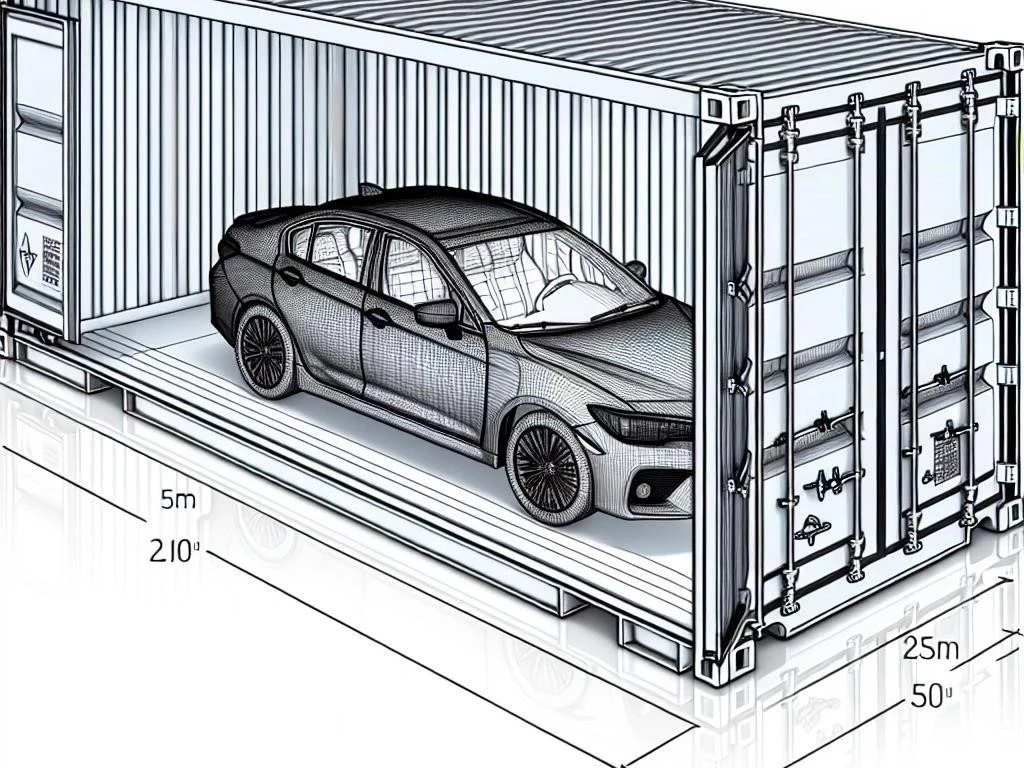
Loading vehicles into shipping containers requires careful attention to best practices. Ensure proper alignment with container entrances, use ramps for safe entry, and secure vehicles with straps. Additionally, maintaining adequate clearance and organizing cargo efficiently maximizes space. Following these guidelines minimizes risks of damage during transport and enhances overall safety.
Safety Considerations During Packing
Safety considerations during packing are vital for preventing damage and ensuring secure transport. Properly securing the vehicle with straps, using protective materials, and checking for adequate clearance are essential steps. Additionally, ensuring the vehicle’s weight is evenly distributed within the container enhances stability during transit, reducing the risk of accidents.
International Shipping and Customs Regulations
Understanding international shipping and customs regulations is critical when determining if a car fits in a shipping container, ensuring compliance and smooth transport processes across borders.
Understanding Freight Regulations
Understanding freight regulations is essential when assessing whether a car fits in a shipping container. These regulations govern vehicle dimensions, weight allowances, and packaging requirements, ensuring compliance with international standards. Familiarity with these rules promotes smoother customs clearance and mitigates potential issues, facilitating efficient transport and delivery across various borders and jurisdictions.
Documentation and Customs Clearance
Proper documentation is vital for customs clearance when shipping cars in containers. Essential paperwork includes shipping invoices, import permits, and customs declarations. Ensuring all documents are accurately completed and compliant with regulations helps prevent delays, ensuring the vehicle fits within shipping parameters while facilitating a smooth transition through customs procedures and requirements.
Choosing the Right Shipping Options
Choosing the right shipping options is crucial for ensuring a car fits in a shipping container, optimizing transport efficiency while adhering to safety and regulatory standards.
Evaluating Shipping Lines and Ports
Evaluating shipping lines and ports is essential to determine if a car fits in a shipping container. Consider factors such as port facilities, transit times, and shipping line reputation. Researching available routes and service options ensures optimal compatibility for vehicle transport, enhancing efficiency and reducing potential delays during international shipping processes.
Insurance and Tracking for Safe Delivery
Insurance and tracking are critical components ensuring the safe delivery of a car in a shipping container. Adequate insurance protects against potential damage or loss during transit. Meanwhile, tracking systems provide real-time updates on shipment status, enhancing transparency and allowing for proactive management of any issues that may arise during transport.
