







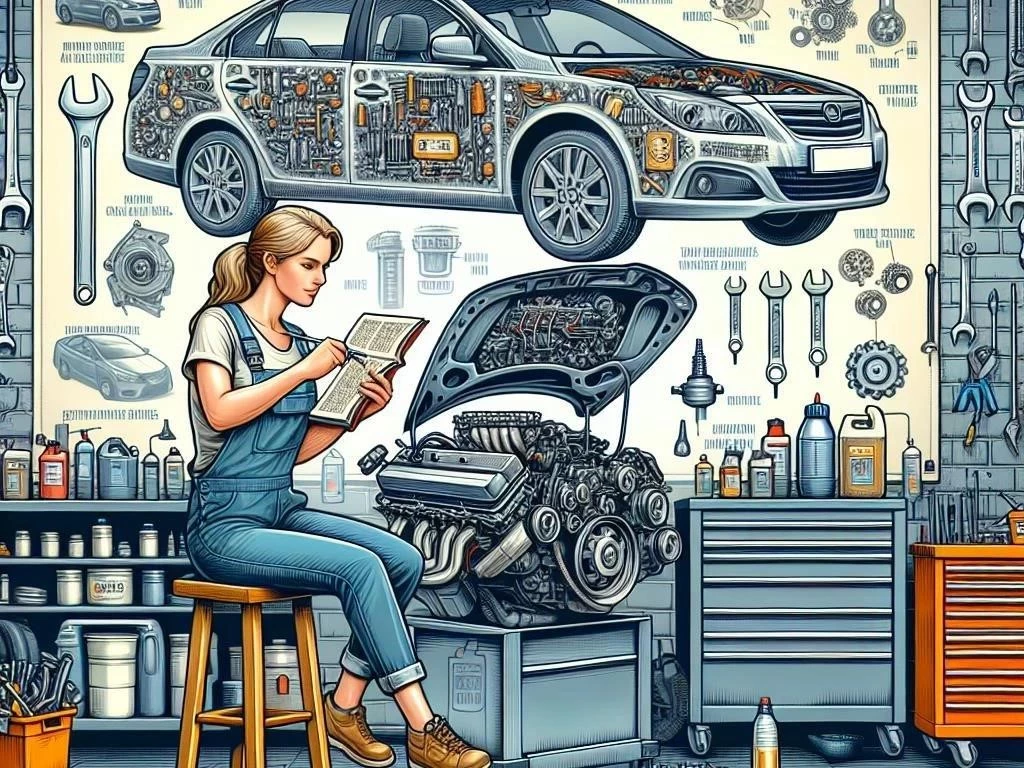
What is a Car Tune-Up?
A car tune-up is a comprehensive maintenance procedure aimed at optimizing vehicle performance, enhancing fuel efficiency, and ensuring smooth operation of all components.
Understanding the Basics of a Tune-Up
A car tune-up is essential for maintaining optimal engine performance and overall vehicle health. It typically involves checking and replacing key components like spark plugs, air filters, and fuel injectors. By addressing these elements, drivers can improve fuel efficiency and enhance their driving experience. A tune-up also includes adjusting the ignition system and timing belt, ensuring that the engine runs smoothly. Regularly scheduled tune-ups help prevent significant automotive repairs in the long run, making them crucial for vehicle longevity.
Key Components of a Tune-Up
Several key components are integral to a successful car tune-up. First, spark plugs are inspected and replaced to ensure proper ignition. Next, the air filter is checked for clogs, as a clean filter enhances airflow and engine performance. Additionally, fuel efficiency improvements are addressed through fuel injector cleaning. The throttle body is also examined to maintain optimal air-fuel mixture. Finally, a complete vehicle inspection may include checking the exhaust system, oil change, and battery check for overall vehicle health.
Spark Plugs
Spark plugs play a crucial role in a car’s ignition system by igniting the air-fuel mixture within the engine’s cylinders. Over time, spark plugs can wear out, leading to misfires, reduced engine performance, and decreased fuel efficiency. During a tune-up, mechanics inspect spark plugs for signs of wear or damage and replace them if necessary. Maintaining optimal spark plug condition ensures efficient combustion, resulting in smoother engine operation and an overall improved driving experience for vehicle owners.
Air Filter
The air filter is essential for maintaining proper airflow to the engine, ensuring optimal combustion and engine performance. A clean air filter prevents dirt and debris from entering the engine, which can cause wear and tear on internal components. During a car tune-up, mechanics check the air filter for blockages and replace it if necessary. A clean air filter not only improves fuel efficiency but also enhances throttle response, contributing to a better overall driving experience for vehicle owners.
Fuel Efficiency Enhancements
Enhancing fuel efficiency is a primary goal of a car tune-up, as it directly impacts overall vehicle performance and operating costs. During the process, mechanics inspect various components, including the fuel injectors and throttle body, to ensure they are functioning optimally. Cleaning or replacing clogged fuel injectors can improve the air-fuel mixture, leading to better combustion. Additionally, adjusting the ignition system and ensuring proper tire pressure further contributes to improved fuel efficiency, ultimately benefiting the driver’s wallet and the environment.
Importance of Regular Tune-Ups
Regular tune-ups are crucial for maintaining your vehicle’s health and performance over time. They help identify potential issues before they escalate into costly automotive repairs. By ensuring that components like spark plugs, air filters, and fuel injectors are functioning optimally, tune-ups enhance engine performance and fuel efficiency. Furthermore, consistent preventative care minimizes the risk of breakdowns and prolongs the lifespan of your vehicle. Investing in routine tune-ups ultimately leads to a more reliable driving experience and peace of mind.
Engine Performance Improvement
One of the primary benefits of regular tune-ups is the significant improvement in engine performance. By replacing worn spark plugs, cleaning the air filter, and ensuring proper fuel delivery, a tune-up allows the engine to run more efficiently. This optimized performance translates to smoother acceleration, better throttle response, and reduced emissions. Additionally, maintaining engine components in peak condition helps prevent potential issues that could lead to poor performance or breakdowns, ensuring a reliable and enjoyable driving experience.
Preventative Care for Your Vehicle
Regular tune-ups serve as essential preventative care for your vehicle, helping to identify and address potential issues before they escalate into costly repairs. During a tune-up, mechanics conduct thorough inspections of vital components, such as the ignition system, timing belt, and exhaust system. By addressing wear and tear on these parts, drivers can prevent breakdowns and extend their vehicle’s lifespan. Ultimately, this proactive approach ensures your car remains reliable, safe, and efficient, enhancing your overall driving experience.

Tune-Up vs. Routine Service
While both tune-ups and routine service are essential for vehicle maintenance, they serve different purposes. A tune-up focuses on optimizing engine performance and addressing specific components like spark plugs, air filters, and fuel injectors. In contrast, routine service encompasses a broader range of maintenance tasks, including oil changes, tire rotations, and general inspections. Both are vital for keeping a vehicle running smoothly, but a tune-up is specifically aimed at enhancing performance and efficiency, ensuring long-term vehicle health.
When to Schedule a Tune-Up
Scheduling a tune-up is essential for maintaining optimal vehicle performance. Generally, it is recommended to have a tune-up performed every 30,000 to 100,000 miles, depending on the manufacturer’s guidelines. Additionally, consider scheduling a tune-up if you notice decreased fuel efficiency, rough idling, or difficulty starting the engine. Changes in engine performance or unusual noises may also be indicators. Regular tune-ups ensure your vehicle remains reliable, safe, and efficient, enhancing your overall driving experience and prolonging its lifespan.
