








Understanding Car Shipping Basics
Shipping a car to another state involves selecting auto transport services, understanding vehicle relocation options, and ensuring compliance with shipping regulations and insurance coverage requirements․
1․1 What is Car Shipping?
Car shipping refers to the process of transporting a vehicle from one location to another, often across state lines․ This service is essential for those relocating or purchasing vehicles remotely․ Various auto transport companies offer options like open transport or enclosed transport․ It’s crucial to understand the vehicle shipping cost, shipping regulations, and insurance coverage to ensure a smooth and secure car delivery experience during interstate car shipping․
1․2 Types of Auto Transport Services
When shipping a car to another state, several auto transport services are available․ Open transport is the most common and cost-effective option, where vehicles are shipped on a flatbed truck․ Enclosed transport, though more expensive, provides better protection from elements․ Additionally, some companies offer door-to-door service, while others provide terminal-to-terminal shipping․ Understanding these options can aid in selecting the best service for your vehicle relocation needs․
Choosing the Right Shipping Options
Selecting the right shipping options for your vehicle involves considering factors like transport type, delivery method, budget, and specific requirements for your car shipment․
2․1 Open Transport vs․ Enclosed Transport
When choosing between open transport and enclosed transport for shipping your car, consider the vehicle’s condition and your budget․ Open transport is typically more affordable, exposing vehicles to the elements during transit․ Conversely, enclosed transport offers superior protection from weather and road debris, making it ideal for luxury or classic cars․ Weighing the benefits and costs of each option is crucial for ensuring your vehicle’s safe relocation across state lines․
2․2 Door-to-Door Service vs․ Terminal-to-Terminal Shipping
When shipping a car to another state, you can choose between door-to-door service and terminal-to-terminal shipping․ Door-to-door service provides convenience, as the car hauler picks up and delivers the vehicle directly to your desired locations․ In contrast, terminal-to-terminal shipping requires you to drop off and pick up your vehicle at designated terminals․ Evaluating convenience, costs, and your schedule is essential for selecting the best shipping option for your needs․
Preparing Your Vehicle for Relocation
Preparing your vehicle for relocation involves cleaning the car, removing personal items, checking fluid levels, and ensuring proper documentation is ready for the shipping process․
3․1 Vehicle Condition and Inspection
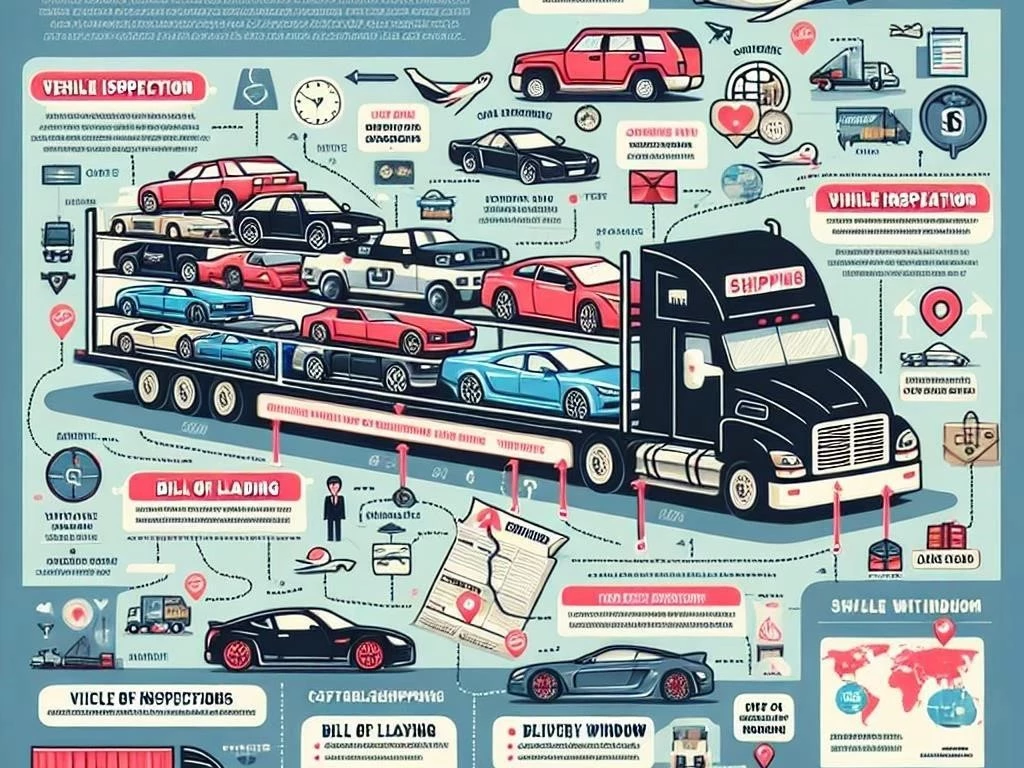
Before shipping your car, it’s essential to assess its condition and perform a thorough inspection․ Check for any existing damages, such as dents or scratches, and document them with photographs․ Ensure that all fluids are at appropriate levels and the tires are properly inflated․ A well-maintained vehicle improves the likelihood of safe transport․ This detailed inspection helps ensure a smoother shipping process and can aid in resolving any potential issues․
3․2 Important Documentation Required
When preparing to ship your car, ensure you have all necessary documentation ready․ Key documents include the vehicle title, registration, and proof of insurance coverage․ Additionally, you may need a bill of lading, which outlines the shipping terms․ It’s advisable to keep copies of these documents accessible during transport․ Proper documentation not only facilitates a smoother process but also helps in addressing any potential issues that may arise during shipping․
Comparing Auto Shipping Companies
When selecting an auto shipping company, evaluate their reputation, service options, customer reviews, pricing, and insurance coverage to ensure a reliable and safe vehicle transport experience․
4․1 What to Look for in Auto Shipping Companies
When evaluating auto shipping companies for your vehicle relocation, prioritize factors such as licensing, insurance coverage, and customer service ratings․ Look for companies with transparent pricing and detailed car shipping quotes․ Additionally, consider their experience in interstate car shipping and the shipping options they offer, including open and enclosed transport․ Reading customer testimonials can provide insights into their reliability and quality of transport services․
4․2 Understanding Vehicle Shipping Costs
Vehicle shipping costs can vary widely based on several factors․ Key considerations include the distance of transport, type of service selected (open vs․ enclosed transport), and the vehicle’s size and weight․ Additionally, seasonal demand and fuel prices can influence rates․ Requesting multiple car shipping quotes from different companies will help you compare prices and services effectively, allowing you to select an option that fits your budget and needs․
Tracking Your Car Shipment
Tracking your car shipment is crucial for staying informed about its location and estimated delivery time, ensuring peace of mind throughout the vehicle transport process․
5․1 Car Shipment Tracking Options
When shipping your car, various tracking options are available to keep you updated on its status; Many auto shipping companies offer online tracking systems, allowing you to monitor your vehicle’s location in real-time․ Some provide mobile applications for convenient access to shipment details․ Additionally, you can receive updates via email or phone calls from the transport company; Choose a service that best meets your communication preferences for effective tracking․
5․2 Shipping Timeframes and Expectations
Understanding shipping timeframes is essential when relocating your vehicle․ Generally, transport time can range from a few days to several weeks, depending on the distance and chosen service․ Factors such as weather conditions, traffic, and the specific route can also affect delivery times․ Communicating with your auto shipping company will provide realistic expectations, ensuring you’re prepared for the timeline regarding your vehicle’s arrival at the destination․
Ensuring a Smooth Shipping Experience
To ensure a smooth shipping experience, communicate clearly with your chosen auto transport company, follow preparation guidelines, and stay informed throughout the vehicle relocation process․
6․1 Insurance Coverage and Shipping Regulations
Understanding insurance coverage and shipping regulations is vital when transporting your vehicle․ Ensure your chosen auto shipping company provides adequate insurance to protect against potential damages during transit․ Familiarize yourself with state-specific shipping regulations, as they can vary․ Additionally, verify that the company complies with federal guidelines․ Knowing these details will help guarantee a secure and compliant vehicle relocation process, protecting your investment throughout the journey․
6․2 Final Steps for Successful Car Delivery
To ensure successful car delivery, confirm the pickup and drop-off details with your auto transport company ahead of time․ Conduct a thorough inspection of your vehicle upon arrival, documenting any new damages․ Ensure that all necessary paperwork, including the bill of lading, is complete․ Finally, communicate with the transport driver throughout the process, addressing any concerns immediately to facilitate a smooth experience during your vehicle’s relocation․
