








Texas and Florida: A Comparative Analysis of Two Southern States
texas florida
Texas and Florida are prominent southern states in the United States, each boasting unique geography, culture, and attractions that significantly influence the nation․
1․1 Overview of Both States
Texas and Florida stand as two of the most influential states in the southern region of the United States․ Their diverse geography, rich history, and vibrant cultures attract millions of visitors annually, contributing significantly to the country’s tourism, economy, and overall demographic landscape․
1․2 Significance in the Southern United States
Texas and Florida play crucial roles in shaping the southern United States’ identity․ Their vast landscapes, cultural diversity, and economic power influence regional politics, education, and tourism, making them vital to understanding the dynamics of southern life while showcasing unique traditions, arts, and outdoor activities across various communities․
Geography and Climate
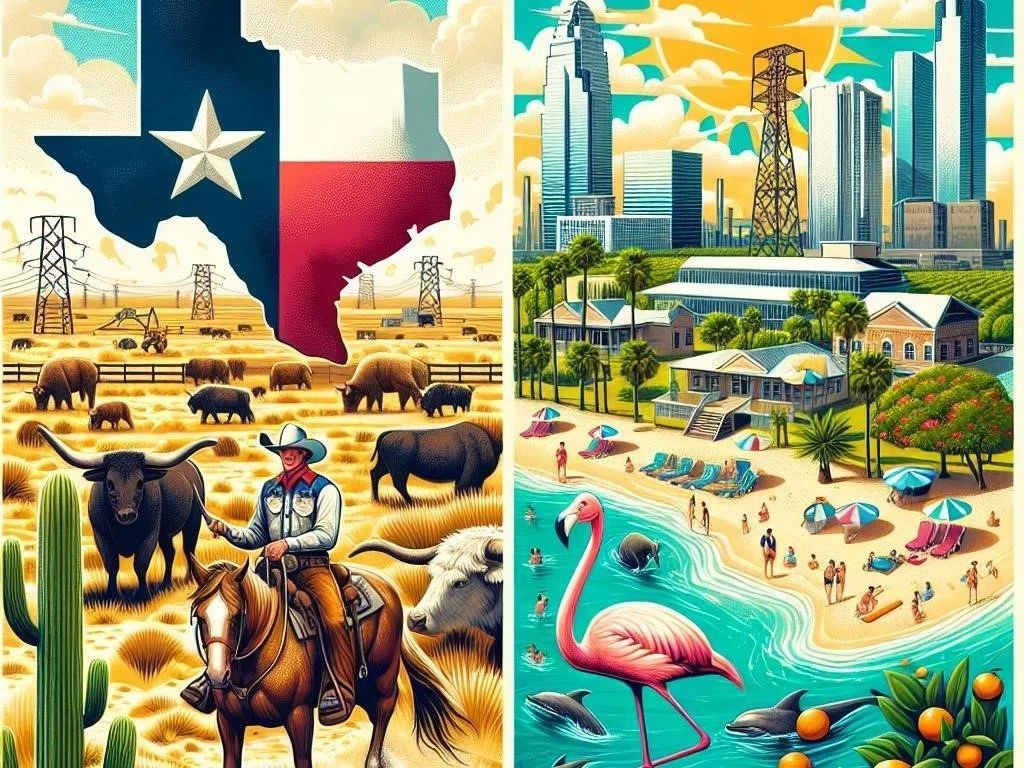
The geography and climate of Texas and Florida vary significantly, offering diverse landscapes, ecosystems, and weather patterns that influence local culture, agriculture, and tourism․
2․1 Geographic Features of Texas
Texas boasts diverse geographic features, including vast plains, rugged mountains, and coastal areas․ The state’s rich natural resources support agriculture and wildlife, while its varied landscapes foster outdoor activities․ Major rivers, such as the Rio Grande, contribute to Texas’s unique ecology and vibrant ecosystems, enhancing its geographical significance․
2․2 Geographic Features of Florida
Florida is characterized by its flat terrain, extensive coastline, and unique ecosystems, including wetlands and swamps․ The state features numerous lakes and rivers, contributing to its biodiversity․ The Florida Keys and Everglades National Park are significant attractions, showcasing the state’s natural beauty and ecological importance to the region․
2․3 Climate Comparison
Texas experiences diverse climate zones, ranging from arid to humid subtropical conditions, influencing agriculture and outdoor activities․ In contrast, Florida enjoys a predominantly humid subtropical climate, characterized by warm temperatures and significant rainfall, ideal for tourism․ Both states’ climates significantly impact their ecosystems and economic activities․
Demographics and Population
The demographics and population of Texas and Florida reflect rich diversity, contributing to their unique cultural landscapes and driving factors such as migration, education, and economic growth․
3․1 Population Statistics
Texas has a rapidly growing population, making it the second-most populous state in the United States․ Florida also experiences significant growth, attracting residents with its warm climate and economic opportunities․ Both states showcase diverse demographics, including various ethnicities and age groups contributing to their vibrant communities and culture․
3․2 Migration Trends
Texas and Florida have become prime destinations for domestic and international migration․ People are drawn to Texas for job opportunities and affordability, while Florida attracts residents seeking a warm climate and retirement options․ These trends significantly influence the demographic landscape and economic growth of both states․
Economy and Industries
The economies of Texas and Florida are diverse and robust, driven by various industries such as agriculture, tourism, technology, and energy, contributing significantly to national growth․
4․1 Economic Overview of Texas
Texas boasts the second-largest economy in the United States, driven by sectors such as energy, technology, agriculture, and manufacturing․ Its favorable business climate attracts numerous companies and entrepreneurs, fostering job creation․ The state’s abundant natural resources significantly contribute to its overall economic strength and resilience in various markets․
4․2 Economic Overview of Florida
Florida’s economy is primarily driven by tourism, agriculture, and aerospace industries․ The state’s warm climate and beautiful beaches attract millions of visitors annually, boosting hospitality and service sectors․ Additionally, Florida’s diverse population fosters economic growth through entrepreneurship, innovation, and real estate development, enhancing overall economic stability․
4․3 Key Industries and Real Estate
Key industries in Texas include energy, technology, and agriculture, while Florida excels in tourism, healthcare, and aerospace․ The real estate markets in both states thrive due to population growth and demand for housing, driving investments and developments that significantly impact their economies and community growth․
Culture and Attractions
Texas and Florida each offer unique cultural experiences and attractions, showcasing their rich history, diverse traditions, culinary delights, and vibrant festivals that engage residents and visitors alike․
5․1 Historical Context
Texas and Florida have rich historical contexts shaped by indigenous cultures, European colonization, and significant events․ Texas’s history includes its independence from Mexico and its role in the Civil War, while Florida’s past encompasses Spanish exploration and its status as a key destination for settlers and tourists․
5․2 Cuisine and Music
Texas cuisine features barbecue, Tex-Mex, and hearty Southern dishes, reflecting its cultural diversity․ Florida’s culinary scene highlights fresh seafood, citrus fruits, and Caribbean influences․ Both states celebrate vibrant music scenes, with Texas known for country and blues, while Florida showcases reggae, jazz, and Latin rhythms throughout its communities․
5․3 Major Festivals and Events
Texas hosts numerous festivals, including the Texas State Fair and South by Southwest, celebrating culture, music, and food․ Florida features events like the Miami Carnival and Gasparilla Pirate Festival, showcasing its vibrant heritage․ Both states attract visitors, enhancing community spirit and promoting tourism through these lively celebrations․
Tourism and Outdoor Activities
Tourism and outdoor activities in Texas and Florida thrive, offering visitors a variety of experiences, including national parks, beaches, cultural attractions, and recreational opportunities for adventure enthusiasts․
6․1 Popular Tourist Attractions
Texas is home to iconic attractions like the Alamo, Big Bend National Park, and the Space Center Houston, while Florida features Walt Disney World, the Everglades, and Universal Studios․ Both states offer unique experiences that attract millions of tourists, showcasing their rich cultural heritage and natural beauty․
6․2 Beaches and Nature Experiences
Florida is renowned for its stunning beaches, including Clearwater and South Beach, offering water sports and relaxation․ Texas also features beautiful coastal areas like South Padre Island․ Both states provide abundant opportunities for nature experiences, including hiking, wildlife watching, and exploring national parks rich in biodiversity․
6․3 Sports and Recreation
Texas and Florida boast vibrant sports cultures, with Texas famous for football and rodeo events, while Florida is known for its baseball spring training and college sports․ Outdoor recreational activities, such as fishing, hiking, and water sports, are popular in both states, enhancing their appeal to sports enthusiasts․
Transportation and Infrastructure
Transportation and infrastructure in Texas and Florida are vital for economic growth, featuring extensive road networks, public transit systems, airports, and seaports facilitating movement and trade․
7․1 Transportation Systems in Texas
Texas features a vast transportation system, including an extensive highway network, railroads, and major airports like Dallas/Fort Worth International․ Public transit options, such as buses and light rail, are available in urban areas․ This infrastructure supports economic growth, commerce, and connectivity across the state’s diverse regions․
7․2 Transportation Systems in Florida
Florida’s transportation systems include a comprehensive network of highways, railroads, and airports, such as Miami International․ Public transit options like buses and ferries serve urban areas and tourist destinations․ This infrastructure facilitates travel and commerce, supporting the state’s growing economy and enhancing connectivity among its diverse communities․
7․3 Future Developments and Challenges
Future developments in Texas and Florida’s transportation systems focus on improving infrastructure, enhancing public transit, and adopting sustainable practices․ Challenges include managing urban congestion, funding maintenance projects, and adapting to population growth․ Addressing these issues is essential for ensuring efficient transportation networks and supporting economic expansion in both states․
