







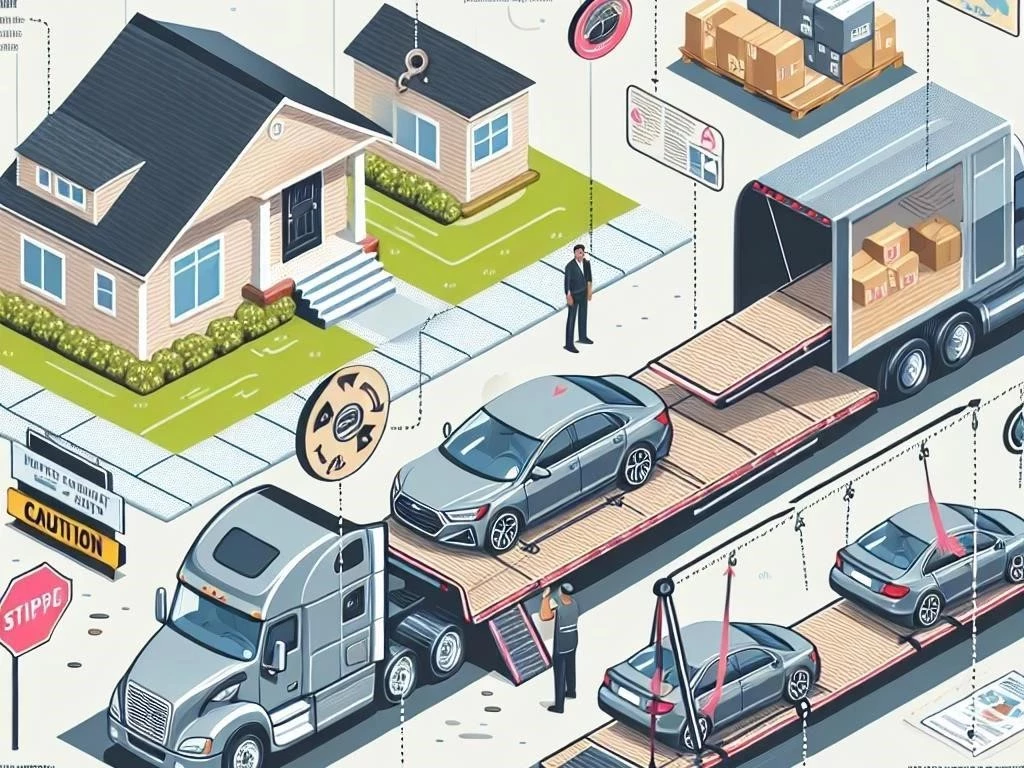
How to Ship Your Car
Shipping your car involves understanding vehicle logistics‚ selecting suitable auto shipping methods‚ and ensuring proper vehicle pickup‚ delivery tracking‚ and insurance coverage throughout the process.
Understanding Vehicle Transportation
Vehicle transportation is the process of moving vehicles from one location to another. It involves various auto shipping methods‚ including open and enclosed carriers. Understanding these transport options is crucial for selecting the best fit for your needs. Factors such as the distance of your move‚ vehicle type‚ and budget will influence your choice. Additionally‚ considering the reliability of transport companies and their customer reviews will help ensure a positive shipping experience. Knowledge of shipping regulations and insurance coverage is equally important to protect your vehicle during transit; Ultimately‚ thorough research and planning will facilitate a smooth vehicle logistics process.
Choosing the Right Auto Shipping Method
Selecting the appropriate auto shipping method is essential for a successful car transport experience. Consider the distance you need to cover‚ as different shipping methods cater to various long-distance moves. Open carriers are often more affordable but expose vehicles to the elements. In contrast‚ enclosed carriers provide additional protection for luxury or classic cars. Evaluate your budget‚ as car shipping costs vary significantly between options. Ensure the chosen method aligns with your vehicle’s needs and your comfort level regarding risk. Additionally‚ inquire about delivery tracking features and vehicle pickup processes‚ as these aspects enhance the overall shipping experience.
Overview of Car Transport Options
When shipping your car‚ it’s essential to understand the various car transport options available. The primary methods include open carriers‚ which are cost-effective and widely used‚ and enclosed carriers‚ which offer superior protection against weather and road debris. Additionally‚ you can choose between door-to-door service‚ where the vehicle is picked up and delivered directly to your specified locations‚ or terminal-to-terminal service‚ where you drop off and pick up your vehicle at designated locations. Evaluating these options based on your budget‚ vehicle type‚ and urgency will help you make an informed decision. Always compare car shipping quotes to find the best deal for your needs.
3.1 Open Carrier vs. Enclosed Carrier
When choosing between open carriers and enclosed carriers for vehicle transportation‚ understanding their differences is crucial. Open carriers are the most common method‚ where vehicles are transported on a trailer exposed to the elements. They are more affordable but may not be ideal for high-value or classic cars. Conversely‚ enclosed carriers provide a shielded environment‚ protecting vehicles from weather‚ debris‚ and potential damage during transit. This method is often preferred for luxury or vintage vehicles‚ but it comes with a higher car shipping cost. Ultimately‚ your decision should align with your budget‚ vehicle type‚ and the level of protection desired during transportation.
3.2 Door-to-Door Service vs. Terminal-to-Terminal
When selecting a shipping method‚ consider the differences between door-to-door service and terminal-to-terminal transport. Door-to-door service provides convenience‚ as the vehicle is picked up from your location and delivered directly to your destination. This option is ideal for those seeking a hassle-free experience‚ as it minimizes the effort required on your part. On the other hand‚ terminal-to-terminal service involves dropping off your vehicle at a designated terminal and picking it up at another terminal. While this method may be less expensive‚ it requires more planning and coordination. Assess your preferences and needs to determine the best option for your car shipping experience.
Planning for a Long-Distance Move
When planning for a long-distance move‚ careful preparation is essential to ensure a smooth vehicle shipping process. Start by researching transport companies that specialize in long-distance vehicle logistics. Obtain car shipping quotes to compare prices and services. It’s vital to understand the estimated shipping timeline and any specific requirements for interstate transport. Schedule your vehicle pickup well in advance‚ allowing time for any necessary preparations‚ such as cleaning and documenting the vehicle’s condition. Additionally‚ consider delivery tracking options offered by transport companies to stay informed about your vehicle’s journey. Proper planning will minimize stress and ensure your car arrives safely at its destination.
4.1 Vehicle Pickup and Delivery Tracking
Vehicle pickup and delivery tracking are crucial components of a successful car shipping experience. To ensure a seamless process‚ communicate clearly with the transport company regarding pickup dates and locations. Confirm the vehicle’s condition before pickup by taking photographs‚ which can be useful for insurance claims if necessary. Many transport companies offer real-time delivery tracking‚ allowing you to monitor your vehicle’s journey. Stay in touch with the carrier for updates during transit‚ ensuring you are informed about any delays or issues. This proactive approach enhances your peace of mind and ensures you are prepared for your vehicle’s arrival at its final destination.
4;2 Interstate Transport Considerations
When planning interstate transport for your vehicle‚ several important considerations must be taken into account. First‚ ensure that the transport company is licensed and complies with federal shipping regulations. Research their experience with interstate moves‚ as this can impact the efficiency of the process. Additionally‚ consider the distance and estimated delivery time‚ as these factors can influence car shipping costs. Verify that the company offers adequate insurance coverage to protect your vehicle during transit. Lastly‚ familiarize yourself with any specific state regulations that may affect the transportation of your vehicle. By addressing these considerations‚ you can facilitate a smoother shipping experience.
Estimating Car Shipping Cost
Estimating car shipping costs involves considering multiple factors that can influence the final price. The distance of the move is a primary factor; longer distances typically incur higher costs. Additionally‚ the type of transport method you choose‚ whether open or enclosed carrier‚ will impact the overall price. Vehicle size and weight also play a significant role in determining shipping costs. Seasonal demand can affect pricing‚ so it’s advisable to book in advance during peak times. Finally‚ obtaining multiple car shipping quotes from various transport companies will help you compare options and find the best deal tailored to your needs and budget.
5.1 Factors Influencing Car Shipping Quotes
Several key factors influence car shipping quotes‚ impacting the overall cost of transporting your vehicle. The distance between the pickup and delivery locations is a significant determinant; longer trips generally result in higher fees. The chosen shipping method‚ whether open or enclosed carrier‚ also affects pricing‚ with enclosed options being more expensive. Vehicle size and weight can lead to additional costs‚ as larger and heavier cars require more resources for transport. Seasonal demand fluctuations may further influence prices‚ particularly during peak times. Lastly‚ specific service features‚ such as door-to-door delivery and expedited shipping‚ can add to the overall car shipping cost.

5.2 Understanding Insurance Coverage
Understanding insurance coverage is crucial when shipping your car to ensure protection during transit. Most transport companies provide basic liability coverage‚ but this might not fully cover your vehicle’s value in case of damage or loss. Therefore‚ it’s essential to inquire about the specific insurance policies offered by the transport company. You may consider purchasing additional coverage for added peace of mind‚ especially for high-value or vintage vehicles. Review the terms and conditions of the insurance policy carefully‚ noting any deductibles or exclusions. Additionally‚ verify if your personal auto insurance extends to cover your vehicle during shipping‚ which can offer further protection.
Selecting the Right Transport Company
Choosing the right transport company is vital for a successful car shipping experience. Start by researching various transport companies and their reputations in the industry. Look for customer reviews‚ as they can provide valuable insights into reliability and service quality. Ensure the company is licensed and insured‚ complying with all necessary regulations. Compare car shipping quotes and services offered‚ focusing on their experience with your specific type of vehicle and shipping needs. Additionally‚ inquire about the company’s delivery tracking options and customer support availability. A thorough evaluation will help you select a trustworthy transport company that meets your requirements and budget effectively.
6.1 Researching Customer Reviews
Researching customer reviews is a crucial step when selecting a transport company for shipping your car. Start by visiting reputable review platforms and forums that focus on vehicle transportation services. Pay attention to recurring themes in customer feedback‚ such as punctuality‚ professionalism‚ and communication. Positive reviews may indicate a reliable company‚ while negative experiences can signal potential issues. Additionally‚ look for detailed accounts of customers’ shipping experiences‚ as these provide insight into the company’s handling of problems. Engaging with recent reviews can help gauge the company’s current performance. Ultimately‚ thorough research will lead to a more informed decision and a smoother car shipping process.
6.2 Evaluating Freight Services and Shipping Regulations
Evaluating freight services and shipping regulations is essential when selecting a transport company for your vehicle. Begin by understanding the various shipping methods available‚ such as open and enclosed carriers‚ and determine which best suits your needs. Research the specific regulations governing vehicle transport in your state and any states your vehicle will pass through. Compliance with these regulations ensures a smoother shipping process and avoids potential fines. Additionally‚ inquire about the freight services offered by the transport company‚ including insurance coverage and delivery tracking options. A comprehensive evaluation of these aspects will help you make an informed choice for your car shipping experience.
