







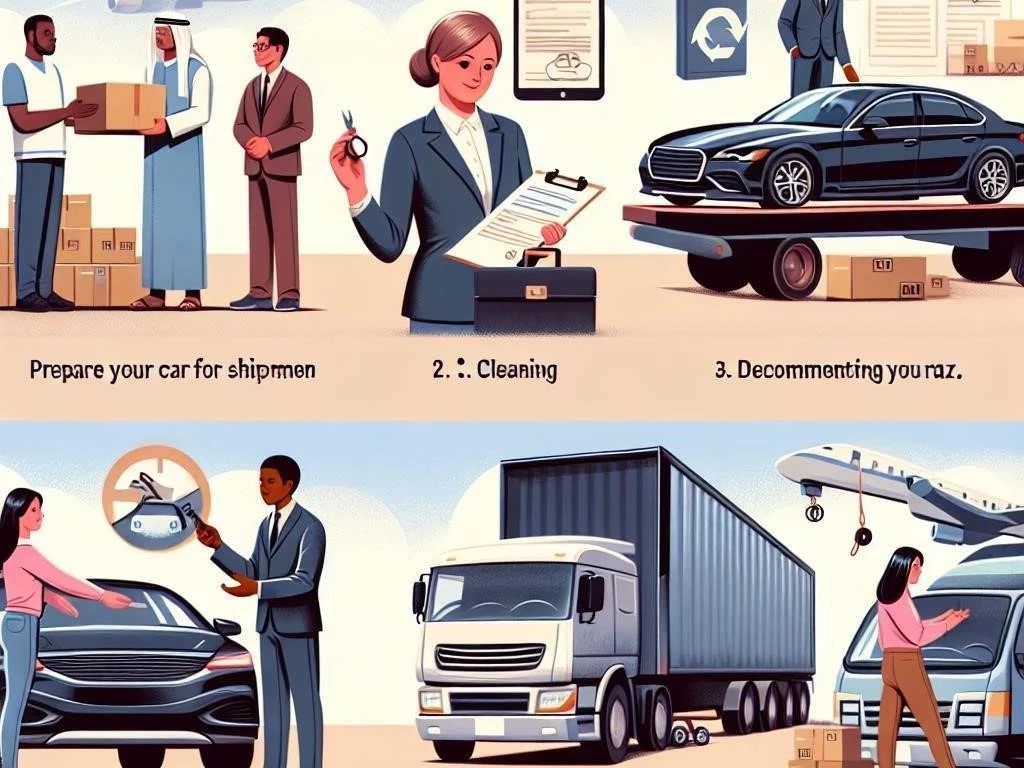
How to Ship My Car: A Comprehensive Guide
Shipping a car involves understanding the process, selecting appropriate services, and ensuring your vehicle’s safety during transport logistics for a seamless experience․
Understanding Car Shipping
Car shipping involves transferring your vehicle from one location to another, often across long distances․ This process requires knowledge of various transport options, including open and enclosed carriers․ Understanding the specifics of vehicle transport will help you make informed decisions regarding shipping methods, timelines, and costs․ By grasping these concepts, you can ensure a smooth and efficient auto shipping experience tailored to your needs․
Types of Vehicle Transport
When shipping a car, you can choose between various types of vehicle transport․ Open car carriers are the most common and cost-effective option, providing adequate protection for most vehicles․ Conversely, enclosed car transport offers superior protection, shielding your vehicle from weather and road debris․ Understanding these options helps you select the best method for your needs, ensuring your car arrives safely and securely at its destination․
2․1 Open Car Carrier
Open car carriers are the most popular choice for vehicle transport, featuring multi-vehicle transport logistics․ These carriers expose your car to the elements, making them less costly compared to enclosed options․ They can accommodate various vehicle types, ensuring efficient auto shipping․ While they provide sufficient protection for most cars, consider your vehicle’s condition and value when choosing this method for shipping a car across long distances․
2․2 Enclosed Car Transport
Enclosed car transport provides enhanced protection for your vehicle during shipping․ This method utilizes a fully enclosed trailer, shielding your car from adverse weather, road debris, and potential damage․ Ideal for luxury, classic, or high-value vehicles, enclosed transport ensures your car arrives in pristine condition․ While shipping costs may be higher, the peace of mind and added security make it a worthwhile investment for valuable auto shipping needs․
Choosing the Right Auto Transport Services
Selecting the right auto transport services is crucial for a successful car shipping experience․ Start by researching various companies to identify their reputations, customer reviews, and available transport options․ Look for providers that offer a range of services, including door-to-door service and different carrier types․ By thoroughly evaluating your options, you can make an informed decision that best fits your vehicle transport needs and budget․
3․1 Researching Car Shipping Companies
When researching car shipping companies, begin by gathering a list of potential providers․ Check online reviews and testimonials to gauge customer satisfaction․ Investigate their experience in the industry, looking for established companies with a solid track record․ Evaluate their services, including insurance options and transport methods․ By thoroughly researching each company, you can make a more informed choice for your vehicle transport needs, ensuring a reliable shipping experience․
3․2 Comparing Car Shipping Quotes
Comparing car shipping quotes is essential for finding the best value for your vehicle transport․ Request quotes from multiple companies, ensuring they include all relevant details such as shipping methods, estimated delivery times, and insurance coverage․ Analyze the differences in pricing, paying attention to what is included in each quote․ This process allows you to make a cost-effective decision while ensuring your car is transported safely and securely․
Preparing Your Vehicle for Shipping
Preparing your vehicle for shipping is crucial to ensure a smooth transport process․ Start by cleaning your car, both inside and out, to facilitate a thorough inspection․ Check for any existing damage and document it with photos․ Remove personal belongings and any aftermarket accessories to avoid potential loss․ Lastly, ensure your gas tank is no more than a quarter full for safety during transport logistics․
4․1 Cleaning and Inspecting Your Car
Cleaning and inspecting your car before shipping is essential for identifying any pre-existing damage․ Thoroughly wash the exterior and vacuum the interior to facilitate a proper inspection․ Examine your vehicle for scratches, dents, or any mechanical issues, taking photos to document its condition․ This process not only helps ensure accountability but also prepares your car for safe transport, minimizing the risk of damage during shipping․
4․2 Documenting the Vehicle Condition
Documenting your vehicle’s condition is a critical step before shipping․ Take detailed photographs from multiple angles, capturing any existing scratches, dents, or damage․ Include close-ups of the wheels, windows, and interior․ This documentation serves as a reference in case of disputes during or after transport․ Ensure you keep a record of these images, along with any inspection reports, for future reference and peace of mind․
Understanding Shipping Costs and Insurance
Understanding shipping costs and insurance is vital for a successful car transport experience․ Various factors influence shipping costs, including distance, vehicle size, and transport method․ Additionally, consider insurance options to protect your investment during transit․ Most auto transport companies provide basic coverage, but you may want to purchase additional insurance for high-value vehicles․ Clarifying these aspects ensures you are well-informed before proceeding with your car shipping․
5․1 Factors Affecting Car Shipping Costs
Several factors influence car shipping costs, making it essential to understand them for accurate budgeting․ Distance plays a significant role; longer trips generally incur higher expenses․ Additionally, the vehicle’s size and weight can affect pricing․ Transport method, such as open versus enclosed car carriers, also impacts costs․ Seasonal demand fluctuations and any special requirements, like expedited shipping, can further influence overall shipping costs, so plan accordingly․
5․2 Importance of Car Shipping Insurance
Car shipping insurance is crucial for safeguarding your vehicle during transport․ While most auto transport companies offer basic coverage, it may not fully protect against potential damages․ Purchasing additional insurance ensures financial security for high-value or classic cars․ This peace of mind allows you to enjoy the shipping process without worrying about unexpected incidents․ Always review insurance options to choose the best protection for your vehicle․
The Shipping Process: What to Expect
The shipping process involves several key steps to ensure your vehicle’s safe transport․ Initially, you’ll schedule a pickup date and discuss logistics with your chosen transport provider․ Once your car is loaded onto the carrier, you will receive tracking information for real-time updates․ Finally, upon delivery, inspect your vehicle for any damage and confirm receipt, ensuring a smooth end to the auto shipping experience․
6․1 Door-to-Door Service vs․ Terminal-to-Terminal
When shipping your car, you can choose between door-to-door service and terminal-to-terminal options․ Door-to-door service offers the convenience of having your vehicle picked up and delivered directly to your specified locations, making it hassle-free․ In contrast, terminal-to-terminal requires you to drop off and pick up your vehicle at designated shipping terminals, often resulting in lower costs but more logistics for you to manage during the process․
6․2 Car Delivery and Pickup Procedures
Understanding car delivery and pickup procedures is essential for a smooth shipping experience․ Upon arrival, the transport company will notify you of your vehicle’s delivery status and schedule․ During pickup, inspect your car for any damage and ensure all documentation is complete․ For delivery, confirm the vehicle’s condition and sign off on the paperwork, ensuring that the transport provider fulfills their obligations during the shipping process․
Interstate vs․ International Car Shipping
When considering car shipping, it’s essential to differentiate between interstate and international transport․ Interstate car shipping involves transporting your vehicle within the same country, typically offering quicker transit times and fewer regulations․ In contrast, international car shipping entails additional complexities, including customs regulations, tariffs, and longer shipping durations․ Understanding these differences will help you prepare for the specific requirements associated with your chosen shipping method, ensuring a smooth process․
7․1 Considerations for Cross-Country Car Shipping
When planning cross-country car shipping, several factors must be considered for a successful experience․ First, choose a reliable transport provider with experience in long-distance shipping․ Evaluate shipping methods, such as open or enclosed carriers, based on your vehicle’s value․ Additionally, check delivery timelines and communicate any special requirements․ Finally, prepare your vehicle and documentation to ensure a smooth transport process across state lines during shipping․
7․2 International Car Shipping Requirements
International car shipping involves specific requirements that must be addressed before transport․ First, ensure you have all necessary documents, including proof of ownership and identification․ Research customs regulations in the destination country, as tariffs and taxes may apply․ Additionally, consider shipping insurance to protect your vehicle during transit․ Communicating with your transport provider about these requirements will facilitate a smoother shipping process and avoid potential delays․
Transport Logistics and Scheduling
Transport logistics and scheduling are crucial for ensuring your vehicle’s timely arrival․ Start by discussing your preferred pickup and delivery dates with your chosen transport provider․ They will help you understand typical transit times and potential delays․ Additionally, consider your vehicle’s availability for pickup and any special circumstances that may affect scheduling․ Effective communication with the transport company will streamline the process and enhance your shipping experience․
8․1 Timing Your Car Relocation
Timing your car relocation is essential for a smooth shipping experience․ Consider seasonal factors, as demand for transport services may fluctuate during peak times, resulting in higher costs and longer wait periods․ Additionally, plan ahead to accommodate any personal schedules or events․ Communicate your availability with the transport provider, allowing them to optimize logistics and ensure your vehicle is shipped within your desired timeframe for maximum convenience․
8․2 Coordination with Car Haulers
Effective coordination with car haulers is vital for a successful shipping experience․ Start by providing them with accurate details about your vehicle, pickup location, and preferred delivery time․ Maintain open communication throughout the process, addressing any concerns or changes to your schedule․ Additionally, confirm the hauler’s insurance coverage and transport method․ This proactive approach ensures that your vehicle is handled properly and arrives safely at its destination․
Final Tips for a Smooth Car Shipping Experience
To ensure a smooth car shipping experience, stay informed about the entire process from start to finish․ Communicate openly with your transport provider regarding expectations and timelines․ Prepare your vehicle by cleaning and documenting its condition․ Finally, be available during pickup and delivery to address any issues promptly․ Following these tips can help alleviate stress and guarantee that your vehicle is transported safely and efficiently․
9․1 Staying Informed About the Shipping Process
Staying informed about the shipping process is crucial for a successful experience․ Regularly check in with your transport provider for updates on your vehicle’s status․ Utilize tracking tools if available to monitor progress in real-time․ Additionally, ask questions regarding any potential delays or changes․ Being proactive in communication ensures that you remain aware of all developments, leading to a more seamless shipping experience overall․
9․2 Communicating with Your Transport Provider
Effective communication with your transport provider is essential for a smooth car shipping experience․ Clearly convey your expectations regarding pickup and delivery times, as well as any special requirements for your vehicle․ Maintain an open line of communication throughout the process, addressing any concerns or questions promptly․ This collaborative approach fosters trust and ensures that your vehicle is treated with care, leading to a successful shipping outcome․
