








How to Ship a Car Cross Country
Shipping a car cross country involves understanding vehicle logistics, selecting auto transport services, getting car shipping quotes, and choosing between enclosed car transport and open car carriers for optimal protection and cost efficiency.
Understanding Car Transport
Car transport involves the movement of vehicles from one location to another, and it’s essential to understand the various aspects of this service when considering shipping a vehicle cross country. Auto transport services specialize in vehicle logistics, ensuring that your car is safely delivered to its destination. When you decide to ship a car, you have several transportation options, including open car carriers and enclosed car transport. Open carriers are typically more cost-effective, while enclosed carriers offer greater protection from environmental factors during transit.
Understanding shipping regulations is also vital, as they can vary by state and may impact your choice of car transport companies. It’s advisable to obtain car shipping quotes from multiple vehicle movers to ensure you get the best deal. Factors influencing shipping costs include distance, vehicle size, and transport method. Additionally, consider the time required for shipping a vehicle, as long-distance car shipping can take anywhere from a few days to a week. Ultimately, being informed empowers you to make the best choice for your car delivery needs.
Importance of Vehicle Shipping
Vehicle shipping is crucial for various reasons, especially when relocating or purchasing a car from a distant location. Understanding the importance of this service can help you make informed decisions during the shipping process. Whether you’re moving for work, school, or personal reasons, long distance car shipping allows you to transport your vehicle safely without adding unnecessary mileage or wear and tear. This is particularly important for high-value vehicles, as they require specialized care during transit.
Moreover, auto transport services streamline the process by handling logistics, ensuring that your vehicle is delivered on time and in optimal condition. Professional car transport companies offer various transportation options, including open car carriers and enclosed car transport, catering to different budgets and vehicle types. Utilizing these services can save you time and reduce stress, allowing you to focus on other aspects of your move. Additionally, understanding shipping regulations can prevent potential issues during the transport process. Ultimately, vehicle shipping provides convenience and peace of mind, making it an essential aspect of car relocation.
Types of Auto Transport Services
When shipping a car cross country, several auto transport services are available, including open car carriers, enclosed car transport, and expedited shipping options. Each service offers unique benefits tailored to your vehicle’s needs.
Open Car Carrier vs. Enclosed Car Transport
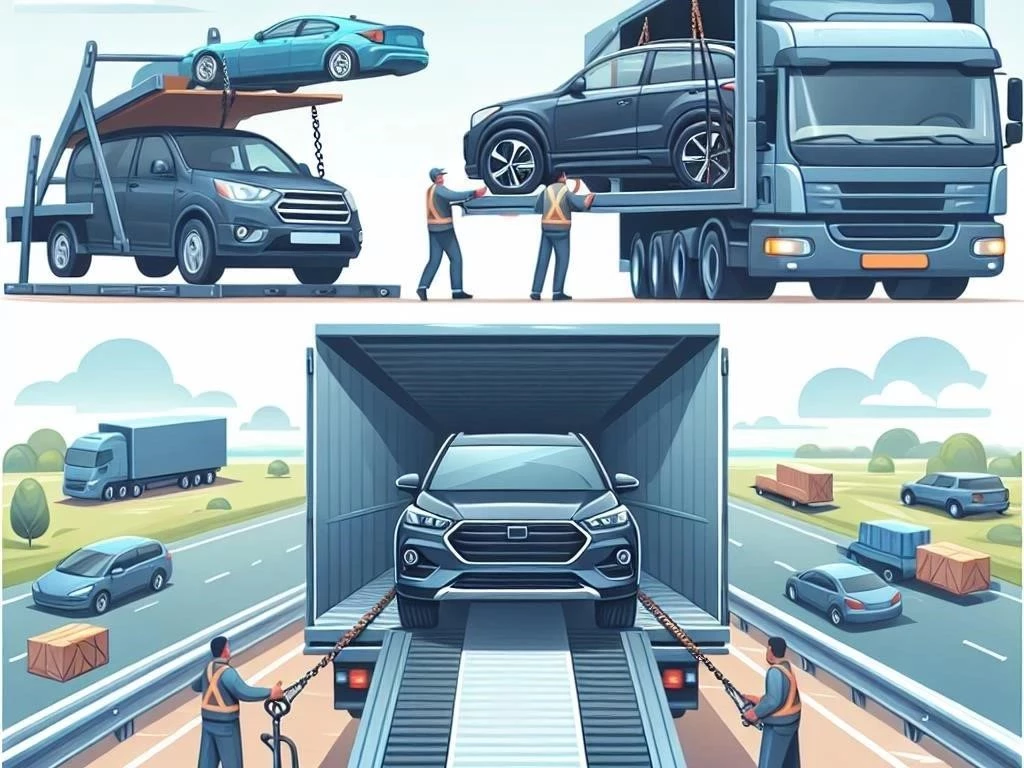
When choosing between open car carriers and enclosed car transport for shipping a vehicle cross country, several factors come into play. Open car carriers are the most common and cost-effective option. They can transport multiple vehicles simultaneously, which lowers shipping costs for customers. However, because the vehicles are exposed to weather and road conditions, there is a higher risk of damage from elements such as rain, dirt, or debris. This option is ideal for standard vehicles that don’t require special protection.
On the other hand, enclosed car transport offers a higher level of protection, as vehicles are transported within a fully enclosed trailer. This method is particularly beneficial for luxury cars, classic cars, or high-value vehicles, as it safeguards them from potential damage during transit. While this option typically incurs higher shipping costs, many car owners find the peace of mind it offers to be worth the investment. Ultimately, the choice between open car carriers and enclosed transport depends on your budget, vehicle type, and desired level of protection during shipping.
Pros and Cons of Each Method
When considering auto transport methods for shipping a vehicle cross country, it’s essential to weigh the pros and cons of open car carriers and enclosed car transport. Open car carriers are advantageous due to their affordability and availability. They allow the transport of multiple vehicles simultaneously, which reduces overall shipping costs. However, a significant downside is the exposure to the elements, increasing the risk of damage from weather, dirt, and debris during transit.
In contrast, enclosed car transport provides superior protection, making it ideal for high-value or classic vehicles. This method reduces risks associated with environmental factors and road debris, ensuring your car arrives in pristine condition. However, the primary drawback is the higher cost compared to open car carriers, which may not fit every budget. Additionally, availability can be limited, especially during peak shipping seasons. Ultimately, the choice between these methods depends on your vehicle’s value, your budget, and whether you prioritize cost-effectiveness or maximum protection for your car during cross country shipping.
Vehicle Logistics for Cross Country Shipping
Understanding vehicle logistics is crucial for successful cross country shipping. It involves planning the transport route, coordinating pickup and delivery times, and ensuring compliance with shipping regulations for a smooth car transport experience.
Planning Your Car Delivery
Planning your car delivery involves several crucial steps to ensure a smooth and efficient shipping process. First, determine the optimal pickup and delivery locations, ensuring they are accessible for both the vehicle hauler and your vehicle. This accessibility can significantly influence the efficiency of the transport. Next, establish a suitable timeline for your car delivery, accounting for factors such as distance and the chosen transport method. While open car carriers typically have faster delivery times, enclosed transport may require additional scheduling considerations.
It’s also essential to communicate with your chosen auto transport service regarding any specific needs or concerns you may have about the delivery process. Be prepared to provide them with accurate information about your vehicle, including its make, model, and condition, as this will help them plan the logistics effectively. Additionally, confirm the shipping regulations in both the pickup and delivery states, as these can vary and may affect the transport timeline. By taking these steps, you can ensure a successful car delivery experience during your cross country shipping process.
Choosing the Right Time for Shipping a Vehicle
Selecting the right time for shipping a vehicle cross country is essential for ensuring a smooth experience. Several factors can influence your decision, including seasonal weather patterns, peak travel times, and personal scheduling. For instance, summer months often see increased demand for auto transport services, leading to higher shipping costs and longer wait times. Conversely, shipping during off-peak seasons like winter can be more affordable and less stressful, but extreme weather conditions may pose challenges for vehicle transport.
Additionally, consider your own timeline when planning the shipment. If you need your vehicle delivered by a specific date, it’s wise to schedule the transport well in advance. This allows for any potential delays and provides flexibility in case of unforeseen circumstances. Furthermore, keep in mind that certain days of the week may impact availability; weekends and holidays can lead to limited service options. By carefully assessing these factors, you can choose the most suitable time for shipping your vehicle, ensuring it arrives at its destination safely and on schedule.
Finding Car Shipping Quotes
To find car shipping quotes, gather estimates from multiple auto transport companies. Compare their services, costs, and delivery times to make an informed decision. This ensures you choose the best option for your needs.
Factors Influencing Shipping Costs
Several factors can significantly influence the shipping costs when transporting a vehicle cross country. One of the primary considerations is the distance between the pickup and delivery locations. Longer distances usually result in higher shipping fees due to increased fuel and labor costs. Additionally, the type of transport method chosen plays a vital role; for instance, enclosed car transport generally costs more than open car carriers due to the added protection and lower capacity.
The size and weight of the vehicle also affect shipping costs. Larger or heavier vehicles often incur higher fees because they may limit the number of cars a carrier can transport at one time. Seasonal demand can impact prices, with peak seasons, such as summer, typically seeing increased rates due to higher demand for auto transport services. Additionally, any special requirements, such as expedited shipping or specific pickup/delivery needs, can add to overall costs. Understanding these factors helps you budget effectively and make informed decisions when shipping your vehicle across the country.
Hidden Fees to Watch Out For
When shipping a vehicle cross country, it’s crucial to be aware of potential hidden fees that can inflate your overall costs. Many auto transport companies may advertise low base rates, but additional charges can quickly add up. One common fee is the “fuel surcharge,” which can vary based on fuel prices and significantly affect your final bill. Another potential charge is for “door-to-door service,” where the carrier picks up and delivers the vehicle directly to your specified locations. If your locations are not easily accessible, additional fees may apply.
Additionally, some companies may impose “wait time fees” if the pickup or delivery takes longer than expected. It’s also essential to inquire about “insurance fees,” as coverage may not be included in the quoted price. Lastly, be mindful of cancellation or rescheduling fees, which can catch you off guard if plans change unexpectedly. To avoid surprises, always read the contract thoroughly and ask for a detailed breakdown of all potential costs before committing to a car shipping service.
Auto Relocation Best Practices
For a successful auto relocation, research reputable car transport companies, prepare your vehicle properly, secure necessary documentation, and plan logistics in advance. Always communicate your needs clearly to ensure a smooth shipping process.
Preparing Your Vehicle for Long Distance Car Shipping
Preparing your vehicle for long distance car shipping is essential to ensure its safety and condition during transit. Start by cleaning both the interior and exterior of your vehicle. This allows you to inspect for any existing dents or scratches, which should be documented before shipping. Remove any personal belongings from the car, as most auto transport companies do not allow personal items due to liability issues. Ensure that your vehicle is in good working condition; check the battery, tire pressure, and fluid levels. If you have an alarm system, disable it to prevent unnecessary disruptions during transport.
It’s also advisable to reduce the fuel level to about a quarter tank, as this lessens the weight of the vehicle and minimizes risks. Take photographs of the vehicle from multiple angles for your records. Additionally, secure loose parts or accessories, such as spoilers or roof racks, to prevent them from getting damaged. Finally, provide the auto transport company with essential information, including your vehicle’s make, model, and any specific instructions regarding its handling.
Documentation and Regulations
When shipping a vehicle cross country, understanding the necessary documentation and regulations is crucial for a smooth process. First, you will need to have the vehicle’s title and registration readily available. This documentation proves ownership and may be required by the auto transport company. Additionally, some states require a bill of sale, especially if the vehicle has been recently purchased. It’s essential to check the specific regulations in both the pickup and delivery states, as they can vary significantly. Certain states may have additional requirements for vehicle transport, including emissions compliance or safety inspections.
Insurance documentation is also vital; verify that the auto transport company carries adequate insurance coverage for potential damages during transit. Ask for proof of this insurance before shipping. Furthermore, you may need to complete a Vehicle Condition Report, detailing the state of the vehicle when it is picked up. This document acts as a reference point for any damages that may occur during transport. By ensuring all necessary documentation is in order and understanding relevant regulations, you can help facilitate a seamless vehicle shipping experience;
Selecting Car Transport Companies
Selecting the right car transport company involves researching options, checking customer reviews, comparing quotes, and ensuring proper licensing and insurance. Choose a reputable provider to guarantee a smooth and safe shipping experience for your vehicle.
Researching Vehicle Movers
Researching vehicle movers is a critical step in ensuring a successful car shipping experience. Start by compiling a list of potential auto transport companies, focusing on those with a proven track record in cross country shipping. Utilize online resources, such as review websites, to read customer feedback and ratings. Pay attention to both positive and negative experiences, as they can provide valuable insights into the reliability and quality of service offered by each company.
Additionally, check if the companies are licensed and insured, as this is essential for protecting your vehicle during transit. You can verify their credentials through the Federal Motor Carrier Safety Administration (FMCSA) website. Ask for recommendations from friends or family members who have previously used auto transport services, as personal experiences can guide your decision; Furthermore, it’s wise to contact the companies directly to inquire about their shipping processes, costs, and any additional services they offer. Gathering this information will help you make an informed choice, ensuring that your vehicle is in capable hands throughout the shipping process.
Reading Customer Reviews and Testimonials
Reading customer reviews and testimonials is a vital part of selecting the right auto transport company for shipping your vehicle cross country. These reviews provide firsthand accounts of other customers’ experiences, offering insights into the reliability and quality of the service. Look for reviews on reputable websites, as they often provide a balanced view of each company’s performance. Pay special attention to comments about punctuality, communication, and the overall condition of vehicles upon delivery.
Additionally, identify recurring themes in customer feedback, such as praise for excellent customer service or complaints about hidden fees. These patterns can help you gauge the company’s strengths and weaknesses. Be cautious, however, of overly positive or negative reviews that may seem biased; a mix of feedback tends to reflect a more accurate portrayal of the company. It can also be beneficial to check social media platforms for real-time customer interactions, as these may reveal how the company addresses concerns or resolves issues. By thoroughly evaluating reviews and testimonials, you can make a more informed decision when selecting a vehicle mover for your cross country shipping needs.
Transportation Options for Interstate Car Shipping
When shipping a car interstate, you have several transportation options, including open car carriers, enclosed car transport, and door-to-door service. Each option offers different benefits and costs, catering to various shipping needs and preferences.
Understanding Car Freight Services
Understanding car freight services is essential when considering how to ship a vehicle cross country. Car freight services involve the transportation of vehicles using specialized carriers, which can vary in type and method. The most common options are open car carriers and enclosed transport. Open car carriers are typically more economical and can transport multiple vehicles simultaneously. However, they expose your car to weather and road debris during transit. Enclosed transport, while more expensive, offers added protection against environmental factors, making it ideal for luxury or classic cars.
Additionally, car freight services include various logistics aspects, such as scheduling, pickup, and delivery options. Some companies offer door-to-door service, which means the carrier will pick up and drop off the vehicle at your specified locations. Understanding the differences between these services allows you to choose the best option based on your budget and vehicle needs. Furthermore, always inquire about insurance coverage provided during transport. By comprehensively understanding car freight services, you can make an informed decision that ensures your vehicle’s safety and timely delivery.
Tracking Your Vehicle During Shipping
Tracking your vehicle during shipping is an essential aspect of the auto transport process, providing peace of mind as your car travels cross country. Most reputable car transport companies offer tracking services, allowing you to monitor your vehicle’s location and estimated arrival time. Upon booking your shipment, ask the transport company about their tracking options, as they may provide you with a tracking number or access through their website or mobile app.
Utilizing these tracking tools can help you stay informed throughout the shipping process, ensuring that you are aware of any delays or changes in schedule. In addition to digital tracking, maintain communication with the transport company to receive updates directly from them. This is particularly important in cases of unexpected weather conditions or road closures that could impact transit times. By actively tracking your vehicle, you can prepare for its arrival and minimize any potential inconveniences. Overall, effective tracking enhances the shipping experience, making the process smoother and less stressful for both you and the transport company.
Furthermore, preparing your vehicle properly and understanding the necessary documentation and regulations will help facilitate a smooth shipping process. Stay informed about potential hidden fees and ensure that you are aware of the factors influencing shipping costs. Don’t forget to track your vehicle during transit for peace of mind. Ultimately, by following these guidelines and making informed decisions, you can ensure that your vehicle arrives safely and on time at its destination. Investing time and effort into the shipping process will lead to a positive experience and satisfaction with your chosen auto transport service.
