







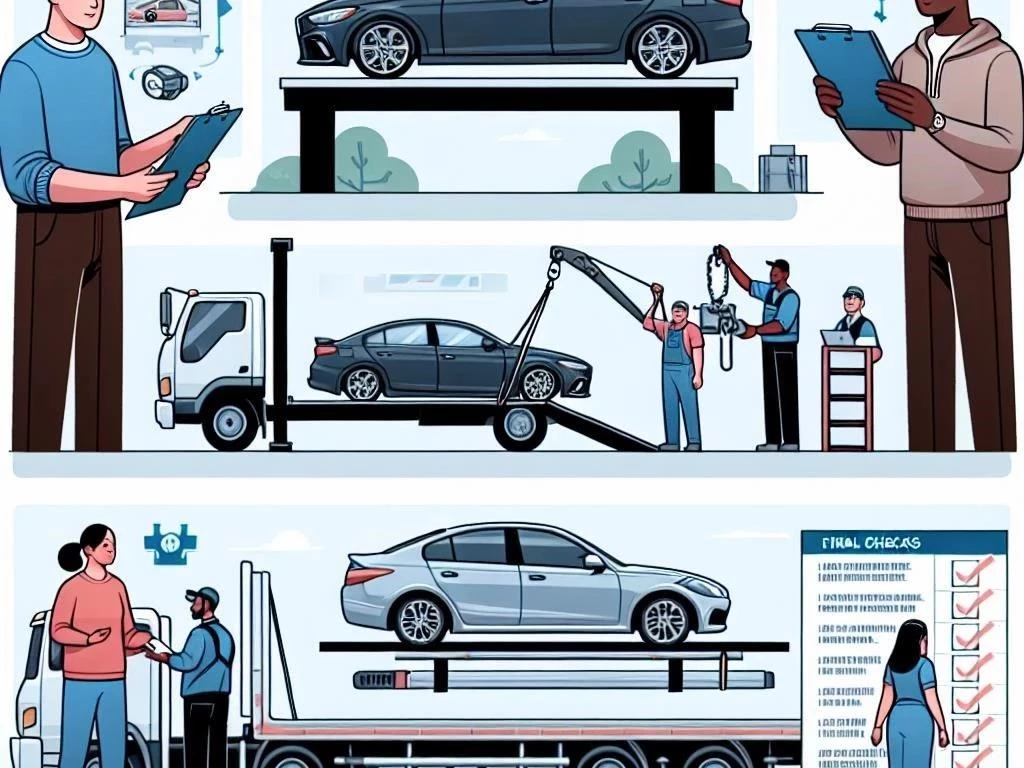
How to Ship a Car: A Comprehensive Guide
Shipping a car involves selecting reliable auto transport companies, understanding vehicle shipping options, and ensuring proper logistics for secure and efficient car delivery across distances․
Understanding Car Shipping
Car shipping is the process of transporting a vehicle from one location to another using specialized services, ensuring safe and efficient vehicle transport across various distances and conditions․
1․1 What is Car Shipping?
Car shipping refers to the process of transporting a vehicle from one location to another․ This service is commonly utilized by individuals relocating, purchasing vehicles online, or moving across the country․ Auto shipping encompasses various vehicle transport methods, including open car carriers and enclosed car transport․ Open carriers are cost-effective but expose vehicles to the elements, while enclosed carriers provide extra protection for luxury or classic cars․ When shipping a car, you can choose between door-to-door service and terminal-to-terminal transport, depending on convenience and budget; Auto transport companies handle logistics, ensuring secure and timely delivery․ Factors influencing shipping costs include distance, vehicle type, and chosen transport method․ Additionally, customers often have access to vehicle tracking and shipping insurance to safeguard their car during transit, enhancing peace of mind․
1․2 Importance of Vehicle Transport
Vehicle transport is crucial for various reasons, primarily ensuring safe and efficient relocation of cars over long distances․ It allows individuals to move their vehicles when relocating, attending college, or traveling for work, providing convenience and peace of mind․ Utilizing professional car shipping services can save time and effort, especially for those who cannot drive their vehicles to a new location․ Additionally, auto shipping protects vehicles from wear and tear that can occur during long journeys, minimizing the risk of damage․ Access to various shipping options, including enclosed car transport for valuable cars, enhances the safety of the vehicle during transit․ Furthermore, vehicle tracking and shipping insurance add a layer of security, reassuring customers that their investment is protected throughout the shipping process․
Types of Car Transport Services
There are various car transport services available, including open car carriers, enclosed car transport, and door-to-door service․ Each option caters to different customer needs and preferences․
2․1 Open Car Carrier
Open car carriers are one of the most common and cost-effective methods for transporting vehicles․ They consist of large trailers that can carry multiple vehicles simultaneously, making them ideal for shipping cars over long distances․ The open design exposes vehicles to the elements, such as weather and road debris, which can be a concern for some owners․ However, the lower shipping costs often offset these risks, making open carriers a popular choice for everyday vehicles; These carriers are commonly used by auto transport companies for cross-country car transport and long-distance shipping․ While open car carriers are suitable for most cars, owners of luxury or classic vehicles may prefer enclosed car transport for increased protection․ Overall, choosing an open car carrier can provide an efficient solution for budget-conscious customers․
2․2 Enclosed Car Transport
Enclosed car transport is a premium vehicle shipping option that provides maximum protection during transit․ This method involves transporting vehicles in a fully enclosed trailer, shielding them from external elements such as weather, dust, and road debris․ This is particularly important for luxury, classic, or vintage cars, which require additional care to maintain their condition․ Enclosed carriers typically accommodate fewer vehicles, ensuring a more secure and controlled environment for each car․ While shipping costs for enclosed transport are higher compared to open carriers, the added security and peace of mind often justify the expense․ Auto transport companies offering enclosed car transport also provide specialized handling and care during loading and unloading, minimizing the risk of damage․ Overall, enclosed transport is an excellent choice for those seeking the utmost protection for their vehicles․
2․3 Door-to-Door Service
Door-to-door service is one of the most convenient options for shipping a car, as it involves the transport company picking up the vehicle directly from the owner’s location and delivering it to the specified destination․ This service eliminates the need for customers to transport their vehicles to a terminal, saving time and reducing hassle․ Door-to-door service is especially beneficial for those relocating, as it provides a seamless and straightforward experience․ However, it’s essential to ensure that the truck can access the pickup and drop-off locations, as some residential areas may pose challenges for larger car haulers․ While this option may come with slightly higher shipping costs, the convenience it offers makes it a popular choice among customers․ Overall, door-to-door service enhances the overall efficiency and ease of car shipping․
Preparing for Car Shipping
Preparing for car shipping involves choosing the right auto transport company, understanding shipping costs, and ensuring your vehicle is ready for safe transport to its destination․
3․1 Choosing the Right Auto Transport Company
Choosing the right auto transport company is crucial for a successful car shipping experience․ Begin by researching reputable companies with positive customer reviews and industry ratings․ Look for those that provide various vehicle shipping options, such as open and enclosed transport, to suit your needs․ Ensure the company is licensed and insured, as this protects your vehicle during transit․ Additionally, inquire about their experience with long-distance and international car shipping if applicable․ Compare shipping costs among different providers, but remember that the cheapest option may not always be the best․ Ask about additional services, such as vehicle tracking and shipping insurance, which can enhance your peace of mind․ Finally, communicate openly with the company to clarify timelines and expectations for your car delivery throughout the process․
3․2 Understanding Shipping Costs
Understanding shipping costs is essential when planning to ship a car․ Various factors influence these costs, including distance, vehicle type, and the chosen transport method․ Generally, longer distances result in higher shipping fees․ Additionally, larger or heavier vehicles may incur extra charges due to their size․ Open car carriers tend to be more affordable compared to enclosed transport, which offers increased protection for luxury or classic vehicles․ It’s also important to consider any additional fees, such as pickup and delivery, terminal handling, and insurance coverage․ Many auto transport companies provide free quotes, allowing you to compare pricing easily․ Be cautious of unusually low rates, as they may indicate subpar service․ By understanding these factors, you can budget effectively and choose the best option for your car shipping needs;
3․3 Preparing Your Vehicle for Transport
Preparing your vehicle for transport is essential to ensure a smooth shipping process and minimize the risk of damage․ Start by cleaning your car, both inside and out, as this allows for a thorough inspection of its condition․ Remove personal belongings, as most auto transport companies do not cover lost items during shipping․ Check the fluid levels and tire pressure to ensure your vehicle is in good working order․ Disable any alarms and ensure your gas tank is no more than a quarter full to reduce weight․ Document any existing damage with photographs to protect yourself during the claims process․ Finally, communicate with your chosen transport company about any specific requirements or concerns․ Properly preparing your vehicle can lead to a hassle-free and efficient shipping experience․
Shipping a Car: The Process
The car shipping process involves several key steps: obtaining a quote, booking the shipment, and coordinating vehicle pickup and delivery, ensuring a smooth transportation experience overall․
4․1 Getting a Quote
Getting a quote is the first step in the car shipping process․ Most auto transport companies provide free quotes online or over the phone․ To obtain an accurate estimate, you’ll need to provide essential details about your vehicle, such as its make, model, and condition․ Additionally, specify the pickup and delivery locations and preferred shipping method, whether open or enclosed transport․ Prices may vary based on distance, vehicle size, and shipping options selected․ Some companies may offer discounts for specific routes or seasonal promotions․ After receiving quotes from multiple providers, compare their services, pricing, and customer reviews․ It’s crucial to ask about any additional fees that may arise during the shipping process․ By gathering quotes, you can make an informed decision that aligns with your budget and shipping requirements․
4․2 Booking the Shipment
Booking the shipment is a crucial step in the car shipping process, ensuring your vehicle is scheduled for transport․ Once you’ve selected an auto transport company, contact them to confirm your chosen shipping method and provide necessary information, such as pickup and delivery locations․ Review the terms and conditions, including cancellation policies and estimated timelines․ It’s important to ask about any additional fees that may apply during the booking process․ After finalizing the details, you will typically need to provide a deposit to secure your shipment․ Ensure you receive a confirmation email or document outlining the agreed-upon terms, pickup date, and contact information for the driver․ This documentation will serve as your reference throughout the shipping process, helping to facilitate communication and address any concerns that may arise․
4․3 Vehicle Pickup and Delivery
The vehicle pickup and delivery process is essential in ensuring your car is transported securely and efficiently․ On the scheduled pickup day, be prepared to meet the driver at the designated location․ Conduct a thorough inspection of your vehicle with the driver, documenting its condition with photos to address any potential disputes later․ Ensure you have all necessary paperwork ready, including your booking confirmation and identification․ Once the vehicle is loaded onto the transport carrier, the driver will provide you with an estimated delivery timeframe․ During transit, you can track your vehicle using any available tracking options provided by the transport company․ Upon delivery, inspect your car again to confirm it arrived in the same condition as when it was picked up․ This step is vital for ensuring a smooth car shipping experience․
Long-Distance Car Shipping
Long-distance car shipping requires careful planning and coordination, ensuring safe transport over large distances․ Understanding logistics and choosing the right auto transport service is essential․
5․1 Cross-Country Car Transport
Cross-country car transport involves shipping a vehicle across vast distances, often requiring careful planning and coordination․ When selecting a transport company for this service, consider their experience with long-distance shipping and customer reviews․ Open car carriers are a common choice for cross-country transport due to their affordability and efficiency․ However, for valuable or classic vehicles, enclosed car transport may be more suitable, providing added protection against potential damage․ The shipping process typically takes several days to weeks, depending on the distance and logistics involved․ Ensure your chosen company offers vehicle tracking, allowing you to monitor your car’s journey in real-time․ Additionally, confirm the estimated delivery date and any necessary paperwork ahead of time․ Proper planning can lead to a successful cross-country car shipping experience․
5․2 Logistics of Long-Distance Shipping
Logistics of long-distance shipping are critical to ensure a smooth and efficient transport process․ Factors such as route planning, vehicle handling, and scheduling play significant roles․ Transport companies must assess the best routes based on traffic patterns, weather conditions, and road regulations to minimize delays․ Additionally, understanding pickup and delivery locations is vital, as some areas may pose challenges for larger car haulers․ Proper communication between the transport company and customers is essential to coordinate schedules and address any special requirements․ Vehicle tracking technology can enhance logistics by providing real-time updates on the shipment’s progress․ Furthermore, it’s important for companies to have contingency plans in place to handle unexpected issues, such as inclement weather or road closures․ Efficient logistics ultimately ensure timely and safe vehicle transport over long distances․
International Car Shipping
International car shipping involves transporting vehicles across borders, requiring attention to customs regulations, paperwork, and choosing the right shipping options to ensure safe and efficient transport․
6․1 Understanding Customs Regulations
Understanding customs regulations is crucial for international car shipping, as each country has specific requirements that must be met for vehicle entry․ Before shipping, research the destination country’s import rules, including any taxes, tariffs, or duties that may apply․ Documentation is key; ensure that you have all necessary paperwork, such as the vehicle title, bill of sale, and any required forms for customs clearance․ Some countries may require an inspection or emissions certification before allowing a vehicle to enter․ Additionally, familiarize yourself with the shipping method, as some options may involve different customs procedures․ Engaging a reputable auto transport company with experience in international shipping can help navigate these complexities․ Properly understanding and adhering to customs regulations will facilitate a smooth shipping process and avoid unexpected delays or penalties․
6․2 Vehicle Shipping Options for International Transport
When considering vehicle shipping options for international transport, two primary methods are commonly used: container shipping and roll-on/roll-off (RoRo) service․ Container shipping provides maximum protection for your vehicle, as it is loaded into a secure container before transport․ This option is ideal for luxury or classic cars, as it safeguards against damage from weather or external elements․ However, it can be more expensive than other methods․ On the other hand, RoRo service involves driving the vehicle onto a specialized ship, where it is secured for the journey․ This method is often more cost-effective but offers less protection compared to containers․ Additionally, some companies may provide various service levels, including door-to-door delivery or terminal-to-terminal options․ Selecting the right shipping method depends on your budget and vehicle protection needs during international transport․
Insurance and Vehicle Tracking
Insurance and vehicle tracking are essential components of the car shipping process, providing peace of mind and security during transit, ensuring your vehicle is protected throughout its journey․
7․1 Importance of Shipping Insurance
Shipping insurance is a critical aspect of the car shipping process, safeguarding your vehicle against potential damage or loss during transit․ While most auto transport companies carry basic liability coverage, this may not fully protect your vehicle’s value․ Opting for additional shipping insurance ensures that you are financially covered in case of accidents, theft, or unforeseen incidents․ Before shipping, assess your vehicle’s worth and choose an insurance policy that reflects its value․ Additionally, carefully review the terms and conditions of the coverage provided, as some policies may have exclusions or limits․ It’s also essential to document your vehicle’s condition with photographs before transport to support any insurance claims if necessary․ Investing in adequate shipping insurance provides peace of mind, allowing you to focus on other aspects of your car shipping experience․
7․2 Tracking Your Vehicle During Transport
Tracking your vehicle during transport is a vital feature offered by many auto transport companies, providing peace of mind throughout the shipping process․ Most reputable companies utilize GPS technology, allowing you to monitor your vehicle’s location in real-time․ Upon booking your shipment, inquire about the tracking options available and how often updates will be provided․ Some companies may offer online portals or mobile apps for easy access to tracking information․ Knowing your vehicle’s whereabouts can help alleviate concerns about delays or potential issues during transit․ Additionally, this tracking capability can facilitate communication with the transport company if any questions arise․ Furthermore, establish clear expectations regarding estimated delivery times while using tracking to remain informed․ Overall, a reliable vehicle tracking system enhances the transparency and security of the car shipping experience․
FAQs About Car Shipping
This section addresses common questions regarding car shipping, providing essential information to help customers navigate the process, understand their options, and make informed decisions confidently․
8․1 Common Concerns in Auto Shipping
Common concerns in auto shipping often revolve around the safety and security of the vehicle during transport․ Many customers worry about potential damage, theft, or delays․ To address these concerns, it’s crucial to choose a reputable auto transport company with positive reviews and proven reliability․ Additionally, understanding the insurance options available can alleviate fears regarding vehicle protection․ Customers may also be anxious about the shipping process itself, including pickup and delivery timelines․ Clear communication with the transport company can help set realistic expectations and provide updates throughout the journey․ Another common concern is the cost of shipping; comparing quotes from multiple companies can help ensure you receive a fair price․ Lastly, customers often question the type of transport method best suited for their vehicle’s safety and budget, which requires careful consideration․
8․2 Tips for Smooth Car Relocation
To ensure a smooth car relocation, start by researching and selecting a reliable auto transport company with positive reviews and a strong track record․ Obtain multiple quotes to compare pricing and services offered․ Prepare your vehicle by cleaning it and removing personal belongings, as this reduces the risk of damage during transport․ Take detailed photos of your car’s condition for documentation․ Confirm the shipping method that best suits your needs, whether open or enclosed transport․ Communicate clearly with the transport company about pickup and delivery preferences, ensuring they align with your schedule․ Stay organized by keeping all paperwork, including contracts and insurance documents, easily accessible․ Lastly, utilize vehicle tracking options provided by the shipping company to monitor your car’s journey, ensuring peace of mind throughout the relocation process․
