







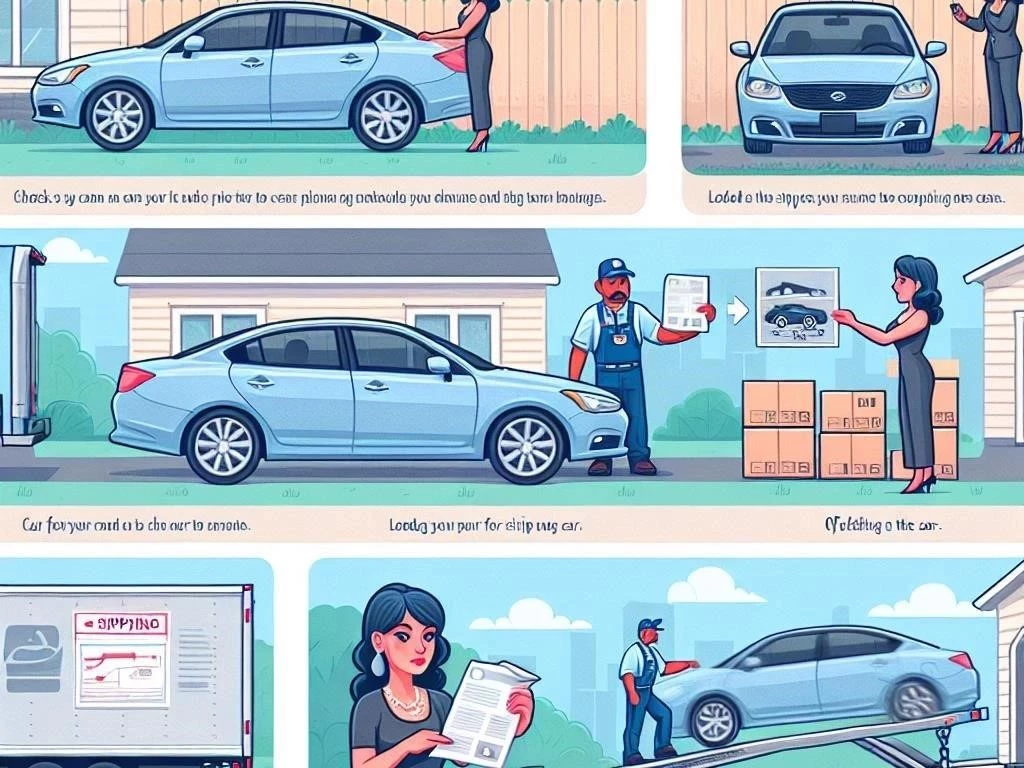
How to Ship a Car: A Comprehensive Guide
Shipping a car involves understanding vehicle logistics‚ comparing transport companies‚ and selecting appropriate methods. Knowing car shipping tips ensures a seamless and cost-effective experience for vehicle relocation.
Understanding Car Transport
Car transport refers to the process of moving vehicles from one location to another. This can include various methods such as open transport or enclosed transport‚ depending on your needs and budget. Understanding the different aspects of vehicle shipping is essential for making informed decisions. Key elements include shipping services‚ such as door-to-door service or terminal-to-terminal shipping‚ which cater to various customer preferences. Additionally‚ knowing the shipping costs involved is crucial for budgeting purposes. Factors affecting these costs may include distance‚ type of transport‚ and vehicle size. When considering auto transport‚ it’s also important to evaluate transport insurance options to protect your investment during transit. By grasping these fundamentals‚ you can streamline the car delivery process and ensure a successful experience when relocating your vehicle.
Types of Vehicle Shipping
There are several types of vehicle shipping methods available‚ each catering to different needs and preferences. The two most common options are open transport and enclosed transport. Open transport is often more affordable‚ utilizing open car carriers to transport multiple vehicles simultaneously. While this method is efficient‚ it exposes vehicles to weather conditions and road debris. Enclosed transport‚ on the other hand‚ offers greater protection as vehicles are shipped in a fully enclosed trailer‚ safeguarding them from external elements. This method is ideal for high-value or classic cars that require extra care during transit. Additionally‚ some transport companies provide specialized shipping services‚ such as international shipping and car auction shipping‚ ensuring your vehicle reaches its destination safely. Understanding these options helps you make an informed decision for your shipping needs.
2.1 Enclosed Transport
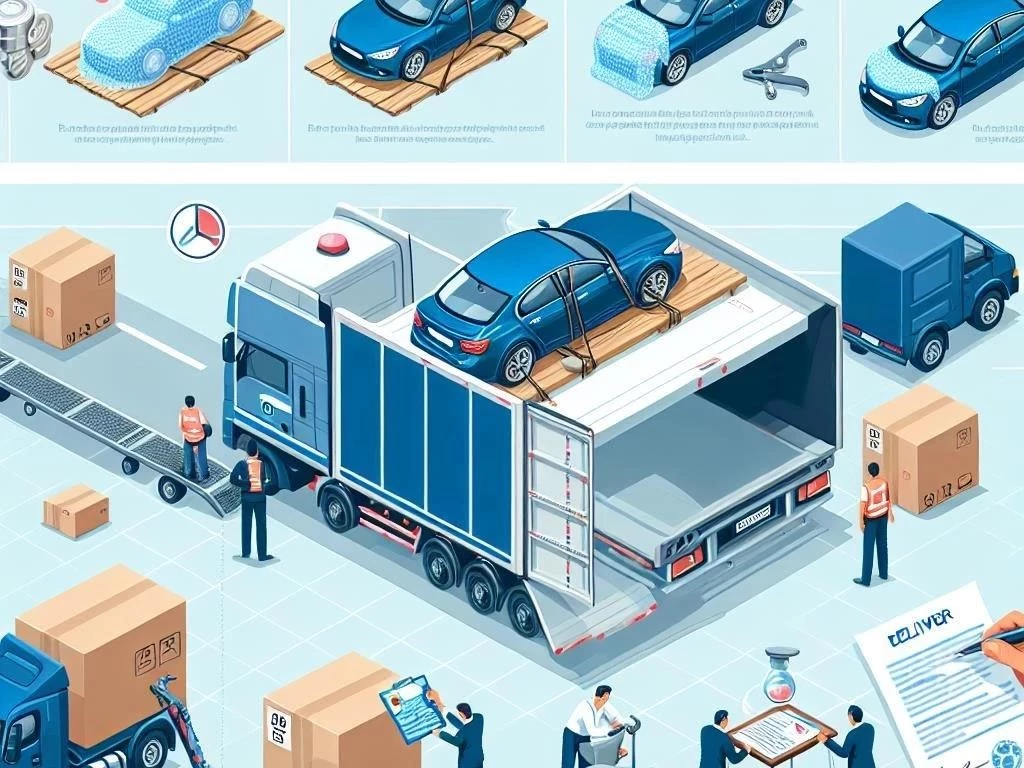
Enclosed transport is a premium option for vehicle shipping that provides maximum protection during transit. In this method‚ vehicles are loaded into a fully enclosed trailer‚ shielding them from weather elements‚ road debris‚ and potential damage. This service is particularly beneficial for high-value‚ classic‚ or luxury cars that require special care. By utilizing enclosed transport‚ owners can rest assured that their vehicles will be safeguarded against scratches‚ dents‚ or any other harm that can occur during shipping. Although the costs associated with enclosed transport may be higher than open transport‚ many vehicle owners consider it a worthwhile investment for peace of mind. When selecting a transport company‚ inquire about their enclosed transport options and ensure they have the proper equipment and experience for handling your vehicle securely and professionally.
2.2 Open Transport
Open transport is one of the most common and cost-effective methods for shipping vehicles. In this approach‚ cars are transported on open car carriers‚ allowing multiple vehicles to be shipped simultaneously. This method is ideal for standard vehicles‚ as it provides an efficient way to move them over long distances. However‚ because vehicles are exposed to the elements‚ there is a risk of damage from weather conditions‚ road debris‚ and other external factors. Despite these risks‚ many vehicle owners choose open transport due to its affordability and availability. When selecting a transport company‚ it’s essential to inquire about their experience and safety measures in place for open transport. Understanding the pros and cons of this shipping method will help you make an informed decision tailored to your specific needs and preferences.
The Importance of Vehicle Logistics
Vehicle logistics plays a crucial role in the car shipping process‚ ensuring that vehicles are transported efficiently and securely. This aspect encompasses the planning‚ execution‚ and management of vehicle transportation‚ which involves coordinating various elements such as routes‚ schedules‚ and shipping methods. Effective vehicle logistics can significantly reduce shipping times and costs while enhancing overall service quality. It also involves tracking shipments‚ which provides customers with real-time updates on their vehicle’s location. Moreover‚ well-organized logistics can help prevent delays and minimize the risk of damages during transit‚ safeguarding your investment. Transport companies that prioritize vehicle logistics demonstrate their commitment to customer satisfaction and reliability. By understanding the importance of logistics in auto transport‚ you can make informed decisions that lead to a smoother and more efficient shipping experience for your vehicle.
Choosing the Right Transport Company
Selecting the right transport company is vital for a successful car shipping experience. Start by researching various transport companies to understand their services‚ reputation‚ and experience in the industry. Look for companies that specialize in automobile shipping and offer a range of options‚ such as open and enclosed transport. Checking credentials‚ such as licensing and insurance‚ is crucial for ensuring your vehicle’s safety during transit. Reading reviews and testimonials from previous customers can provide valuable insights into the company’s reliability and customer service. Additionally‚ inquire about shipping quotes and compare prices while considering the level of service offered. Ultimately‚ choosing a reputable transport company will help you avoid potential issues and ensure your vehicle arrives at its destination in excellent condition and within the promised timeframe.
4.1 Researching Transport Companies
Researching transport companies is a crucial step in ensuring a smooth car shipping process. Begin by compiling a list of potential companies that specialize in automobile shipping. Utilize online resources‚ such as customer reviews‚ ratings‚ and testimonials‚ to gauge their reputation. Pay attention to feedback regarding reliability‚ professionalism‚ and customer service. It’s also important to check for licensing and insurance coverage to protect your vehicle during transport. Investigating the variety of services offered‚ including open and enclosed transport options‚ will help you find a company that meets your specific needs. Additionally‚ reach out to each company for shipping quotes and inquire about their processes‚ including pickup and delivery methods. Thorough research will empower you to make an informed decision and ensure a positive car transport experience.
4.2 Reading Reviews and Testimonials
Reading reviews and testimonials is an essential part of selecting a reliable transport company for your vehicle shipping needs. Customer feedback provides insights into the experiences of others who have previously utilized the company’s services. Focus on both positive and negative reviews to gain a balanced perspective on the company’s performance. Look for consistent themes in feedback‚ such as punctuality‚ communication‚ and the quality of service provided. Additionally‚ consider testimonials that highlight specific experiences related to the type of transport you require‚ whether it be open or enclosed transport. Online platforms‚ such as Google‚ Yelp‚ and transport-specific forums‚ are excellent resources for gathering this information. By carefully evaluating reviews and testimonials‚ you can make an informed decision and choose a transport company that aligns with your expectations for a smooth car shipping experience.
Shipping Costs: What to Expect
Understanding shipping costs is essential when planning to transport your vehicle. The costs can vary significantly based on several factors‚ including the distance of the shipment‚ the type of transport chosen‚ and the size and weight of your vehicle. Open transport is typically more affordable than enclosed transport due to its ability to carry multiple vehicles simultaneously. Additionally‚ seasonal demand can influence prices‚ with higher rates during peak moving seasons. When requesting shipping quotes from transport companies‚ ensure they provide a detailed breakdown of costs‚ including any additional fees for services like transport insurance or expedited delivery. Comparing quotes from multiple transport companies can help you find a competitive rate. Ultimately‚ being aware of these factors will help you budget effectively for your car shipping experience and avoid unexpected expenses.
5.1 Factors Affecting Shipping Costs
Several factors significantly influence shipping costs when transporting a vehicle. One of the primary elements is the distance between the pickup and delivery locations. Longer distances generally result in higher costs due to fuel and labor expenses. The type of transport chosen also plays a crucial role; open transport is typically less expensive than enclosed transport‚ which offers additional protection for high-value vehicles. Vehicle size and weight can further impact costs‚ as larger and heavier vehicles may require specialized equipment or additional resources. Seasonal demand is another factor‚ with prices often rising during peak moving seasons. Additionally‚ optional services‚ such as transport insurance or expedited shipping‚ can add to the overall cost. Understanding these factors will help you better estimate shipping expenses and make informed choices regarding your vehicle transport;
5.2 Getting Accurate Shipping Quotes
Obtaining accurate shipping quotes is vital for planning your vehicle transport budget effectively. Start by providing transport companies with detailed information about your vehicle‚ including its make‚ model‚ and dimensions‚ as these factors influence pricing. Specify the shipping method you prefer‚ whether open or enclosed transport‚ to receive tailored quotes. Additionally‚ include the pickup and delivery locations‚ as distance plays a significant role in determining costs. When reaching out to multiple transport companies‚ request written quotes to compare services and pricing transparently. Be cautious of quotes that appear unusually low‚ as they may indicate subpar service. Finally‚ inquire about any additional fees that might apply‚ such as fuel surcharges or transport insurance. By gathering comprehensive and accurate quotes‚ you can make informed decisions that align with your shipping needs.
The Car Shipping Process
The car shipping process involves several key steps that ensure a smooth and efficient transportation experience. Initially‚ you’ll need to choose a reputable transport company that meets your specific needs. Once selected‚ you’ll provide essential information about your vehicle‚ including its make‚ model‚ and condition. The company will then offer you a shipping quote based on this information. After agreeing on the price‚ the next step is scheduling the pickup. Depending on your preference‚ you can choose between terminal-to-terminal shipping or door-to-door service. On the scheduled date‚ a truck will arrive to collect your vehicle. After pickup‚ your car will be transported to the designated location‚ where it will undergo an inspection upon delivery. By understanding this process‚ you can ensure a successful and hassle-free vehicle shipping experience.
6.1 Pickup and Delivery Options
When shipping a car‚ understanding pickup and delivery options is essential for a seamless experience. There are primarily two options available: terminal-to-terminal shipping and door-to-door service. Terminal-to-terminal shipping requires you to drop off your vehicle at a designated terminal‚ where it will be stored until transport. This option can be more cost-effective but may involve additional travel to reach the terminal. In contrast‚ door-to-door service offers convenience by allowing the transport company to pick up your vehicle directly from your home or specified location and deliver it to your desired destination. While this option is typically more expensive‚ it saves you time and effort. When selecting a transport company‚ inquire about the availability of these options to determine which best fits your needs and preferences for vehicle shipping.
6.2 Terminal-to-Terminal Shipping
Terminal-to-terminal shipping is a popular option for vehicle transport‚ providing a structured method for moving cars. In this approach‚ you drop off your vehicle at a designated shipping terminal‚ where it will be securely stored until it is loaded onto a transport carrier. This method often results in lower shipping costs due to the reduced need for door-to-door service. However‚ it’s essential to consider the convenience factor; you’ll need to arrange transportation to and from the terminal. Terminals are typically located in major cities‚ making them accessible‚ but may require travel if you live further away. Upon arrival at the destination terminal‚ you can pick up your vehicle after a brief inspection. Understanding this method’s logistics can help you decide if it aligns with your shipping needs and budget.
6.3 Door-to-Door Service
Door-to-door service is a highly convenient option for vehicle shipping‚ allowing the transport company to pick up and deliver your vehicle directly at your specified locations. This service eliminates the need for you to travel to a terminal‚ making it an ideal choice for individuals with busy schedules or limited transportation options. Upon scheduling‚ a driver will arrive at your home or designated pickup point to collect your vehicle. After transit‚ the driver will deliver it right to your doorstep or the destination of your choice. While door-to-door service generally comes at a higher cost than terminal-to-terminal shipping‚ many customers find the convenience and time-saving benefits worth the investment. When selecting a transport company‚ ensure they offer this service and clarify any additional fees that may apply for pickup and delivery.
Long-Distance Shipping Considerations
When planning to ship a car over long distances‚ several important considerations must be taken into account. First‚ understand that the distance will significantly impact shipping costs‚ so be prepared for higher expenses compared to shorter routes. Additionally‚ the type of transport method you choose—open or enclosed—will also affect pricing and protection levels. Long-distance shipping may involve multiple stops‚ which can influence delivery times. It’s essential to communicate your schedule and any specific needs to the transport company. Inspecting your vehicle before shipping is crucial to document its condition‚ ensuring you can address any potential damages upon delivery. Lastly‚ inquire about transport insurance options to safeguard your investment during transit. By considering these factors‚ you can streamline the long-distance shipping process and ensure a successful experience.
7.1 Cross-Country Transport
Cross-country transport involves shipping a vehicle across long distances‚ often from one coast to another. When planning this type of shipment‚ it’s essential to understand the logistics involved‚ including the length of the journey and potential delivery timelines. The choice between open and enclosed transport is significant; while open transport is more economical‚ enclosed transport provides extra protection against weather and road debris. Ensure you choose a reputable transport company experienced in cross-country shipping‚ as they will be familiar with the various regulations and routes. It’s vital to prepare your vehicle by removing personal items and documenting its condition before transport. Additionally‚ communicate your shipping preferences clearly to get accurate quotes and timelines. Proper planning will ensure a smooth cross-country transport experience for your vehicle.
7.2 International Shipping
International shipping of a vehicle involves additional complexities compared to domestic transport. It’s essential to understand the regulations and requirements for the destination country‚ as each country may have different import laws‚ taxes‚ and duties. Begin by researching the necessary documentation‚ such as customs forms and proof of ownership. Choosing a reputable transport company experienced in international shipping is crucial‚ as they can guide you through the process and ensure compliance with regulations. You will also need to decide between shipping methods‚ such as container shipping or roll-on/roll-off (RoRo) transport‚ each with its advantages. Additionally‚ consider obtaining transport insurance to protect your vehicle during the journey. Proper preparation and understanding of international shipping intricacies will significantly enhance your experience and ensure successful vehicle transport across borders.
Transport Insurance: Protecting Your Investment
Transport insurance is a critical consideration when shipping your vehicle‚ providing essential protection against potential damages during transit. Accidents‚ weather-related incidents‚ or unforeseen issues can occur‚ making insurance a valuable safety net. When selecting a transport company‚ inquire about the insurance coverage they offer‚ as policies can vary significantly. Ensure that you understand the extent of the coverage‚ including any deductibles‚ limitations‚ and exclusions. It’s also wise to assess whether your personal auto insurance policy covers damage during transport; if not‚ consider purchasing supplemental insurance for added peace of mind. Documenting your vehicle’s condition prior to shipping is vital to support any claims should damage occur. By prioritizing transport insurance‚ you can protect your investment and enjoy a smoother vehicle shipping experience with reduced risk of financial loss.
Car Relocation Tips
When relocating your car‚ several tips can help streamline the shipping process and ensure a successful experience. First‚ plan ahead by researching and selecting a reputable transport company that fits your needs. Communicate your preferred shipping method‚ either open or enclosed transport‚ based on your vehicle’s value and required protection. Preparing your vehicle is crucial; remove personal items‚ perform maintenance checks‚ and document its condition with photos. This helps in case of any disputes regarding damages during transport. Additionally‚ confirm pickup and delivery dates with the transport company for clarity. Be aware of any requirements at your destination‚ such as emissions or registration regulations‚ to avoid complications. Lastly‚ stay informed throughout the process by maintaining contact with the transport company and tracking your vehicle’s progress during shipping.
9.1 Preparing Your Vehicle for Shipping
Preparing your vehicle for shipping is crucial to ensure a smooth transport experience and minimize potential issues. Start by cleaning your car‚ both inside and out‚ so you can easily inspect its condition for any pre-existing damages. Remove all personal belongings‚ as transport companies typically do not cover items left in the vehicle. Check fluid levels‚ tire pressure‚ and battery condition to ensure your vehicle is in good working order. Disable any alarms and ensure the fuel tank is no more than a quarter full to reduce weight. Document your vehicle’s condition with detailed photos from various angles‚ noting any scratches or dents. Lastly‚ ensure you have all necessary paperwork‚ including registration and insurance‚ ready to provide to the transport company during pickup. These steps will help facilitate a successful shipping process.
9.2 Choosing Between Car Carriers
Choosing the right car carrier is essential for ensuring your vehicle is transported safely and efficiently. Start by researching various transport companies‚ focusing on their reputation‚ experience‚ and customer reviews. Evaluate the types of carriers they use; open transport is generally more cost-effective‚ while enclosed transport offers superior protection for high-value or classic cars. Additionally‚ consider the carrier’s insurance coverage and what it includes in case of damage during transport. Request quotes from multiple carriers to compare pricing and services but beware of unusually low estimates that may indicate inferior service. Check if they offer tracking options for your vehicle during transit‚ providing peace of mind. Finally‚ ensure their policies align with your specific shipping needs‚ including pickup and delivery options. A thorough selection process will enhance your shipping experience.
Special Cases in Auto Transport
When shipping a vehicle‚ certain special cases may require unique considerations to ensure a smooth transport experience. One common scenario is car auction shipping‚ where vehicles are transported to and from auction sites. This process often requires quick turnaround times‚ so it’s essential to choose a transport company experienced in handling auction logistics. Another special case involves shipping classic or vintage cars‚ which typically necessitates enclosed transport for added protection against the elements and road debris. It’s vital to communicate the specific needs of such vehicles to the transport company. Additionally‚ some vehicles may require modifications or special equipment for safe loading and unloading. By understanding these special cases and discussing them with your chosen transport provider‚ you can ensure the safe and efficient transport of your vehicle.
10.1 Car Auction Shipping
Car auction shipping involves transporting vehicles to and from auction sites‚ requiring careful planning and coordination. The timeline is often tight‚ making it crucial to work with a transport company experienced in auction logistics. Start by researching transport providers that specialize in auction shipping to ensure they understand the urgency involved. Provide them with detailed information about the vehicle‚ including its condition‚ dimensions‚ and any special handling requirements. Be aware of the auction dates to schedule pickup and delivery accordingly. It’s also wise to document the vehicle’s condition thoroughly before transport‚ taking photos to address any potential disputes. Additionally‚ ensure that the transport company has the necessary insurance coverage to protect your investment during transit. By focusing on these factors‚ you can facilitate a seamless car auction shipping experience.
10.2 Shipping Classic Cars
Shipping classic cars requires special attention and care to ensure their protection during transport. These vehicles often hold significant value‚ both financially and sentimentally‚ which necessitates using a transport method that minimizes risk. Enclosed transport is highly recommended‚ as it shields classic cars from harsh weather‚ road debris‚ and potential damages during transit. When selecting a transport company‚ ensure they have experience handling classic cars and can provide references or testimonials from previous clients. Additionally‚ verify that the company offers adequate insurance coverage to protect your investment. Preparing the vehicle for shipping is crucial; document its condition through detailed photographs and remove personal items. Communicate any specific requirements or concerns to the transport provider to ensure a smooth shipping process. With careful planning‚ your classic car can arrive safely at its destination.
Final Thoughts on Car Shipping
As you prepare to ship your car‚ it’s essential to reflect on the various factors that contribute to a successful transport experience. Start by conducting thorough research on transport companies‚ ensuring they have a strong reputation and experience in the industry. Evaluating shipping methods‚ such as open versus enclosed transport‚ can help you make informed decisions based on your vehicle’s needs. Additionally‚ understanding the importance of transport insurance safeguards your investment during transit. Always communicate clearly with the transport provider to set expectations regarding pickup and delivery timelines. Remember to prepare your vehicle properly for shipping to minimize potential issues. Finally‚ staying informed about common car shipping myths can help you navigate the process with confidence. By following these guidelines‚ you can ensure a smooth and efficient car shipping experience.
11.1 Common Car Shipping Myths
Understanding common car shipping myths is essential for making informed decisions when transporting your vehicle. One prevalent myth is that all shipping companies provide the same level of service‚ but this is far from true; researching and comparing carriers is crucial. Another misconception is that open transport is less safe than enclosed transport; while enclosed options offer more protection‚ open transport is still secure for most vehicles. Many believe that shipping costs are fixed‚ but various factors influence pricing‚ including distance and vehicle type. Additionally‚ some think they can leave personal belongings in their cars‚ but this is typically against policy and may lead to complications during transport. Educating yourself about these myths will help you navigate the car shipping process more effectively and avoid potential pitfalls.
11.2 Car Shipping Tips for a Smooth Experience
To ensure a smooth car shipping experience‚ follow these helpful tips. Start by thoroughly researching transport companies‚ focusing on reputation‚ reviews‚ and experience in the industry. Request multiple shipping quotes to compare prices and services‚ keeping in mind that the cheapest option may not always be the best. Prepare your vehicle by cleaning it‚ documenting its condition with photos‚ and removing personal belongings. Communicate your specific needs and preferences clearly with the transport company to avoid misunderstandings. Choose the right shipping method‚ considering factors such as distance‚ vehicle type‚ and budget. Stay informed about the shipping process and maintain regular communication with the transport provider for updates. Finally‚ understand the importance of transport insurance to protect your investment during transit. Following these tips will enhance your overall car shipping experience.
