







How Much Will It Cost to Ship a Car?
Shipping a car involves various factors affecting costs, including distance, method, vehicle type, and additional fees. Understanding these helps estimate expenses accurately.
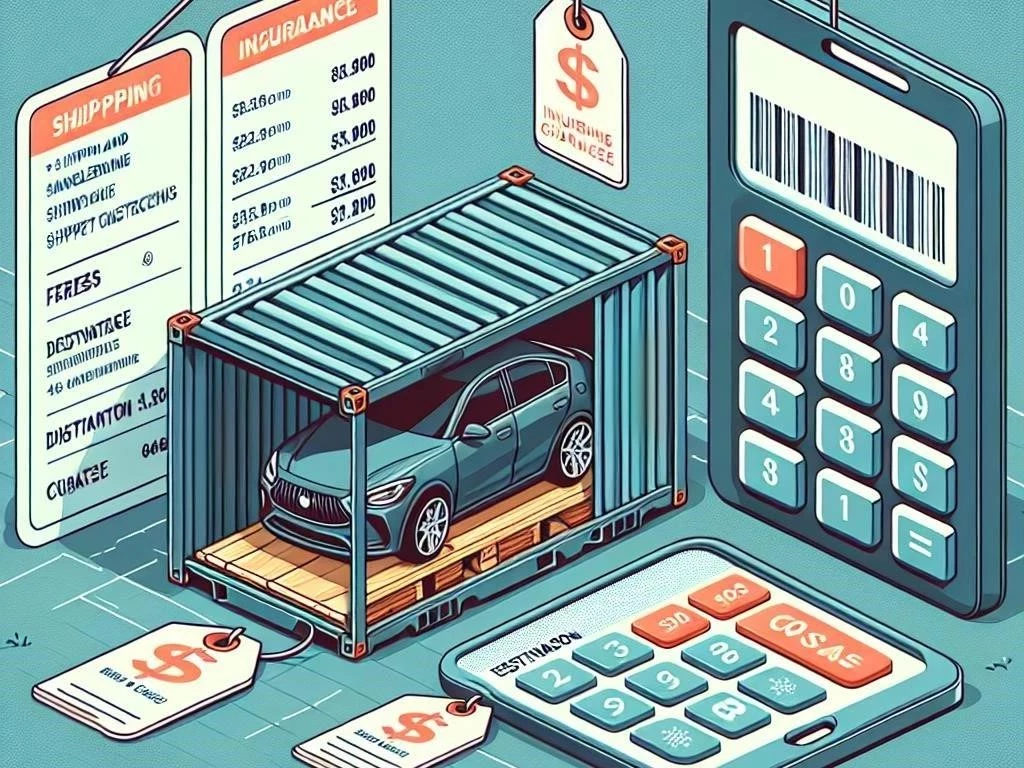
When considering how much it will cost to ship a car, it’s essential to understand the various components involved in the pricing structure; Car shipping costs can vary significantly based on several factors, such as the distance of transport, the method of shipping, and the type of vehicle being transported. Customers often seek reliable auto transport quotes to gauge potential expenses. Additionally, factors like seasonal demand and location can influence vehicle transportation prices. To make informed decisions, potential shippers should use a car shipping calculator for accurate shipping estimates. Understanding these elements is crucial for budgeting and ensuring a smooth vehicle relocation process.
Factors Influencing Car Shipping Costs
Several factors play a significant role in determining car shipping costs. First, the type and size of the vehicle affect the auto shipping fees; larger or heavier vehicles typically incur higher charges. Second, the distance of transport is crucial; longer distances usually lead to increased costs. Third, the transport method chosen, whether open trailer shipping or enclosed car transport, influences prices due to varying levels of protection and service. Additionally, the time of year can affect demand, with peak seasons often resulting in higher rates. Finally, the pickup and delivery locations’ accessibility can impact logistics for car transport, leading to potential extra fees.
2.1 Vehicle Type and Size
The vehicle type and size significantly influence car shipping costs. Standard sedans typically have lower auto shipping fees compared to larger vehicles, such as SUVs and trucks. Heavier and oversized vehicles require more resources and space during transport, leading to increased shipping rates. Luxury or classic cars may necessitate enclosed car transport for added protection, further elevating expenses. Additionally, modifications, such as aftermarket accessories or lifted suspensions, can impact pricing due to unique handling requirements. Understanding these factors helps potential shippers accurately gauge vehicle transportation prices. When requesting auto transport quotes, be sure to provide detailed vehicle information to receive precise estimates tailored to specific needs.
2.2 Distance of Transport
The distance of transport is a critical factor in determining car shipping costs. Generally, the longer the distance, the higher the vehicle transportation price will be. This increase is due to the additional fuel, time, and logistics required for long-distance car shipping. Shorter distances often result in lower shipping rates, making local car transport costs more economical. However, it is essential to consider that long-distance shipments can offer competitive rates, especially if booked in advance or during off-peak seasons. When calculating expenses, potential shippers should also account for any potential additional fees associated with remote pickup or delivery locations that may arise during transport.
2.3 Transport Method
The transport method chosen significantly impacts car shipping costs. There are primarily two options: open trailer shipping and enclosed car transport. Open trailer shipping is the most common and economical choice, typically resulting in lower auto shipping fees due to carrying multiple vehicles simultaneously. However, it exposes cars to weather and road conditions. On the other hand, enclosed car transport offers superior protection, safeguarding vehicles from environmental hazards, which comes at a higher price. The choice of transport method also affects logistics for car transport, as enclosed options may require more specialized handling. Understanding these differences helps consumers make informed decisions regarding vehicle shipping options.
2.4 Time of Year
The time of year significantly influences car shipping costs, as demand for transportation services fluctuates. Peak seasons, such as summer and late spring, typically see higher vehicle transportation prices due to increased demand from individuals relocating or buying cars. Conversely, shipping costs may decrease during off-peak seasons, such as winter, when fewer people are moving cars. Additionally, holidays can also impact availability and rates, leading to potential surcharges. When planning to transport a vehicle, it’s important to consider these seasonal factors and secure auto transport quotes in advance. Understanding the timing can help consumers save on auto relocation costs and ensure timely delivery.
2.5 Location and Accessibility
The location and accessibility of pickup and delivery points significantly impact car shipping costs. Urban areas typically have better access for transport carriers, resulting in lower auto shipping fees compared to rural or remote locations. Inaccessible areas may require additional logistics for car transport, leading to surcharges. Furthermore, narrow streets, limited parking, or difficult terrain can complicate vehicle loading and unloading, increasing overall expenses. It’s essential for customers to provide accurate information about their locations when requesting auto transport quotes. This helps shipping companies assess the feasibility of transport and provide precise pricing; Understanding these geographic factors aids in budgeting for vehicle transportation effectively.
Understanding Auto Shipping Fees
Auto shipping fees encompass various costs associated with transporting a vehicle from one location to another. These fees can vary based on several factors, including the transport method, distance, and the type of vehicle being shipped. Additionally, customers should be aware of potential extra charges, such as fuel surcharges, insurance fees, and costs for expedited shipping. Many companies offer auto transport quotes that itemize these expenses, providing transparency and aiding in budgeting. Understanding the breakdown of auto shipping fees enables consumers to make informed decisions and compare different service providers effectively. This knowledge is crucial for ensuring a seamless vehicle transportation experience.
3.1 Open Trailer Shipping
Open trailer shipping is one of the most economical methods for transporting vehicles, making it a popular choice among car owners. This method involves transporting cars on an open carrier, which can accommodate multiple vehicles at once. As a result, the cost per vehicle is lower, leading to reduced auto shipping fees. However, vehicles transported using this method are exposed to environmental factors like weather and debris during transit. While open trailer shipping is suitable for most standard cars, owners of luxury or vintage vehicles may prefer enclosed transport for added protection. Understanding the benefits and risks of open trailer shipping helps consumers make informed decisions.
3.2 Enclosed Car Transport
Enclosed car transport offers an added layer of protection for vehicles during transit, making it ideal for high-value, classic, or luxury cars. This method involves transporting vehicles within a fully enclosed trailer, shielding them from environmental hazards such as rain, snow, and road debris. However, the enhanced security and protection come at a higher cost, resulting in increased auto shipping fees compared to open trailer shipping. The expense reflects the additional care required in handling and the specialized equipment used. When considering enclosed transport, potential shippers should evaluate the value of their vehicle and the importance of protection against potential damage during transit before making a decision.
Cost Breakdown of Car Shipping
Understanding the cost breakdown of car shipping is essential for budgeting effectively. The total cost typically includes several components, such as base shipping fees, which cover the transportation service itself. Additional charges may apply, including fuel surcharges, insurance fees, and costs related to the transport method chosen. For instance, enclosed car transport generally incurs higher fees than open trailer shipping. Moreover, factors like distance traveled and vehicle type also contribute to the final price. Customers should request detailed auto transport quotes to gain insight into each cost component, allowing for better comparisons among shipping companies. This approach ensures a transparent and informed decision-making process.
4.1 Shipping Estimate for Vehicles
Obtaining a shipping estimate for vehicles is a crucial step in understanding overall car shipping costs. Estimates are typically provided by auto transport companies based on various factors, including vehicle type, distance, transport method, and seasonal demand. Many companies offer online tools, such as a car shipping calculator, to help potential customers receive quick quotes. These estimates can vary significantly, so it is essential to compare multiple quotes to find the best deal. Additionally, ensure that the estimate includes all potential fees, such as insurance and fuel surcharges, to avoid unexpected costs. A comprehensive shipping estimate allows for better planning and budgeting throughout the transport process.
4.2 Auto Transport Quotes
Auto transport quotes provide essential insights into the costs associated with shipping a vehicle. These quotes are typically generated based on the specific details of the shipment, such as the vehicle’s make and model, pickup and delivery locations, and chosen transport method. Customers should request quotes from multiple companies to compare pricing effectively. A reliable quote will include a breakdown of costs, such as base fees, fuel surcharges, and any additional charges for expedited shipping or special handling. It’s important to read the fine print and understand the terms before making a decision. Accurate auto transport quotes ensure informed choices and help manage overall shipping expenses.
4.3 Freight Charges for Cars
Freight charges for cars are a critical component of the overall cost of vehicle transportation. These charges encompass the expenses related to moving a vehicle from one location to another, including logistics, fuel, and handling fees. The amount charged can vary based on factors like distance, transport method, and vehicle type; For instance, long-distance shipments typically incur higher freight charges compared to local transport. Additionally, enclosed car transport options usually attract higher freight rates due to the extra protection and specialized services provided. Understanding these freight charges is essential for consumers to budget appropriately and to select the best shipping option for their needs.
Local Car Transport Costs vs. Long-Distance Car Shipping
When comparing local car transport costs to long-distance car shipping, significant differences in pricing and logistics emerge. Local transport is generally more affordable, as it involves shorter distances, less fuel consumption, and quicker turnaround times. This often results in lower auto shipping fees. In contrast, long-distance car shipping typically incurs higher costs due to increased fuel expenses, longer transit times, and potential for additional fees. However, long-distance services may offer competitive rates if booked during off-peak seasons. Customers should assess their specific needs and budget when considering either option. Understanding these differences aids in making informed decisions regarding vehicle transportation services.
5.1 Local Car Transport Costs
Local car transport costs are generally lower than those associated with long-distance shipping, making them more appealing for short relocations. These costs vary depending on factors such as the vehicle type, distance traveled, and the chosen transport method. For typical local moves, customers can expect to pay less due to reduced fuel consumption and shorter transit times. Additionally, many companies offer competitive pricing for local car transport, which often includes fewer logistical challenges. However, hidden fees may arise, such as fuel surcharges or specific handling costs. Understanding local car transport costs can help consumers budget effectively and choose the most suitable service for their needs.
5.2 Long-Distance Car Shipping Prices
Long-distance car shipping prices can vary significantly based on several factors, including distance, vehicle type, and transport method. Typically, longer journeys entail higher costs due to increased fuel consumption, labor, and logistics involved. Customers should expect to pay more for enclosed car transport options, which provide additional protection but come at a premium. Additionally, peak seasons, such as summer, often lead to elevated prices due to high demand. To get the best long-distance shipping rates, it is advisable to compare multiple auto transport quotes and consider booking in advance. Understanding these pricing dynamics helps consumers make informed decisions regarding their vehicle shipping needs.
Cross-Country Car Shipping Rates
Cross-country car shipping rates are influenced by various factors, including distance, vehicle type, and transport method. Typically, longer distances result in higher costs due to increased fuel consumption and logistical planning. Additionally, the choice between open trailer shipping and enclosed car transport can significantly affect the price; enclosed transport often incurs higher fees due to the added protection it offers. Seasonal demand, such as during summer or holiday periods, can also impact rates, leading to potential surcharges. To get accurate quotes, consumers should inquire with multiple auto transport companies and provide specific details about their shipping needs. Understanding these rates helps in effective budgeting.
6.1 Factors Impacting Cross-Country Rates
Several factors influence cross-country car shipping rates, making it essential for consumers to understand them before committing. Distance is one of the most significant factors; longer routes typically incur higher costs due to increased fuel consumption and time. The type of vehicle being shipped also plays a role; larger or more valuable cars may attract higher fees. Additionally, the chosen transport method—open trailer versus enclosed transport—affects pricing, with enclosed options generally costing more. Seasonal demand can further impact rates, as periods of high demand, such as summer, often lead to increased prices. Understanding these factors enables consumers to make informed shipping decisions.
6.2 Average Rates for Cross-Country Shipping
Average rates for cross-country shipping can vary widely, typically ranging from $800 to $1,500, depending on several factors. These factors include the distance between the pickup and delivery locations, the type of vehicle, and the transport method selected. For instance, open trailer shipping generally offers lower rates compared to enclosed transport, which provides extra safety for valuable vehicles. Moreover, seasonal fluctuations may affect pricing; summer months often see higher rates due to increased demand. To ensure competitive pricing, consumers should gather multiple quotes from different auto transport companies. Understanding these average rates assists in budgeting for long-distance vehicle shipping effectively.
International Car Shipping Fees
International car shipping fees encompass a variety of costs associated with transporting a vehicle across borders. These fees can be significantly higher than domestic shipping due to additional logistical challenges, customs regulations, and the distance involved. Factors influencing these costs include the destination country, the type of vehicle, and the chosen transport method. Typically, shipping methods like roll-on/roll-off (RoRo) tend to be more affordable compared to container shipping, which provides greater protection. It’s essential to consider potential customs and import fees that may arise upon arrival, as these can add to the overall expense. Understanding international car shipping fees is crucial for effective budgeting.
7.1 Overview of International Costs
International car shipping costs can vary greatly based on several factors, including destination, vehicle type, and shipping method. Generally, consumers can expect to pay anywhere from $1,000 to $5,000 for international transport. Key costs include freight charges, which account for the actual transportation of the vehicle, and insurance fees to safeguard against potential damage. Additionally, customs duties and taxes may apply upon arrival, which vary by country and can significantly impact the total cost. It’s crucial to obtain detailed quotes from multiple shipping companies, ensuring that all costs are transparent and included, to make informed decisions regarding international vehicle shipping expenses.
7.2 Customs and Import Fees
Customs and import fees are critical components of the total cost when shipping a car internationally; These fees vary significantly depending on the destination country and the vehicle’s value. Typically, customs duties can range from 2% to 20% of the vehicle’s declared value, impacting the overall shipping expenses. Additionally, some countries impose a value-added tax (VAT) or other local taxes upon importation, which can further increase costs. It’s essential for shippers to research the specific customs regulations and fees associated with their target country to avoid unexpected charges. Understanding these fees helps in accurately budgeting for international vehicle shipping and ensures compliance with local laws.
Calculating Car Shipping Costs
Calculating car shipping costs involves several key factors that impact the overall price. To begin, assess the distance between the pickup and delivery locations, as longer distances typically incur higher fees. Next, consider the type of vehicle being shipped; larger or luxury vehicles may attract additional charges. The chosen transport method also significantly affects pricing; enclosed transport generally costs more than open trailer shipping. Additionally, seasonal demand can influence rates, with peak times often resulting in increased prices. Using an online car shipping calculator can help provide a quick estimate. Gathering multiple quotes from different companies ensures a well-informed decision regarding vehicle transportation costs.
8.1 Car Shipping Calculator Tools
Car shipping calculator tools are invaluable resources for estimating vehicle transportation costs quickly and accurately. These online tools allow users to input specific details, such as pickup and delivery locations, vehicle type, and transport method, to receive instant quotes. Most calculators take into account various factors, including distance, fuel prices, and seasonal demand, providing a comprehensive overview of potential costs. Utilizing these tools helps consumers compare prices from different shipping companies effectively. However, it’s important to remember that the estimates provided are approximate; actual costs may vary based on additional fees or changes in logistics. Overall, car shipping calculators streamline the budgeting process for vehicle transportation.
8.2 How to Use a Shipping Calculator
Using a shipping calculator is a straightforward process that can significantly assist in estimating car shipping costs. First, locate a reliable online shipping calculator from a reputable auto transport company. Begin by entering the pickup and delivery locations, ensuring accuracy for distance calculations. Next, input the vehicle details, including make, model, and size, as these factors influence pricing. Then, select the preferred transport method, such as open or enclosed transport. Lastly, review any additional services, such as insurance or expedited shipping options, which may affect the total cost. Once all information is entered, click “calculate” to receive an estimated shipping price tailored to your specifications.
Logistics for Car Transport
Logistics for car transport play a vital role in determining the overall cost and efficiency of shipping a vehicle. Effective logistics management involves coordinating various elements, including route planning, scheduling, and selecting the right transport method. Companies must consider factors such as traffic patterns, weather conditions, and distance to optimize delivery times and minimize costs. Additionally, ensuring proper handling and securing of vehicles during transport is essential to prevent damage. Communication between the shipping company and the customer is key, providing updates on the vehicle’s status and addressing any concerns. By managing logistics efficiently, companies can offer competitive pricing and reliable service for customers needing vehicle transportation.
9.1 Choosing the Right Shipping Company
Choosing the right shipping company is crucial for ensuring a smooth and cost-effective vehicle transport experience. Start by researching companies with positive customer reviews and industry reputation. Look for those that offer transparent pricing and detailed auto transport quotes, avoiding hidden fees. Verify that the company is licensed and insured, as this protects your vehicle during transit. It is beneficial to compare multiple quotes to find the best rates while considering factors such as shipping methods and delivery times. Additionally, inquire about customer support options, as responsive communication can alleviate concerns throughout the process. Ultimately, selecting a reliable shipping company can lead to successful vehicle transportation.
9.2 Types of Vehicle Shipping Options Available
There are several types of vehicle shipping options available, each catering to different needs and budgets. Open trailer shipping is the most common and cost-effective method, where vehicles are transported on an open truck, exposing them to weather but allowing for lower prices. Enclosed car transport, on the other hand, provides added protection from the elements and potential damage, making it ideal for luxury or classic vehicles, though it comes at a higher cost. Other options include door-to-door service, where vehicles are picked up and delivered directly to specified locations, and terminal-to-terminal shipping, which requires customers to drop off and pick up vehicles at designated locations. Understanding these options helps consumers make informed decisions.
