








How Much to Ship a Car from Japan to USA
Shipping a car from Japan involves various costs, including car shipping cost, logistics services, and customs duties. Understanding these factors can help estimate total transportation expenses effectively.
When considering how much it costs to ship a car from Japan to the USA, several factors come into play. The car shipping cost can vary significantly based on shipping options, vehicle size, and destination. Importing a car from Japan involves understanding international car transport processes and associated costs, including shipping fees, freight charges, and port fees. Typically, ocean freight is the most economical choice for vehicle shipping, especially for larger cars, while air freight offers a quicker, albeit more expensive alternative.
Additionally, it’s crucial to factor in customs duties and import taxes, which can add to the overall transportation expenses. Working with reputable auto shipping companies can help provide accurate shipping quotes and clarify logistics services. Ultimately, understanding these various components will enable you to make informed decisions and prepare for the total cost of shipping a vehicle overseas, ensuring a seamless experience from start to finish.
Factors Influencing Car Shipping Cost
Several key factors significantly influence the car shipping cost when transporting a vehicle from Japan to the USA. First, the shipping method chosen plays a crucial role; options like container shipping or roll-on/roll-off (RoRo) can vary drastically in price. Container shipping tends to be more expensive due to added security and space for personal items, while RoRo is generally less costly. Additionally, the type of vehicle being shipped can affect costs—larger or heavier vehicles typically incur higher freight charges.
Furthermore, the destination port within the USA also impacts the overall shipping fees. Ports with higher traffic might have additional port fees. Other factors include customs duties, import taxes, and the overall distance from Japan to the final delivery point. Lastly, fluctuations in fuel prices can influence shipping rates, emphasizing the importance of comparing shipping quotes from different auto shipping companies to ensure competitive pricing.
Overview of Vehicle Shipping Options
When planning to ship a car from Japan to the USA, it’s essential to explore various vehicle shipping options available. The most common methods include ocean freight and air freight, each with its own advantages and disadvantages. Ocean freight is the preferred choice for many due to its cost-effectiveness, especially for larger vehicles. This method generally involves two primary formats: container shipping and roll-on/roll-off (RoRo). Container shipping offers enhanced protection for your vehicle, allowing for the inclusion of personal belongings, but comes at a higher price.
On the other hand, RoRo is more affordable but requires the vehicle to be driven onto the ship and secured for transport, making it less ideal for high-value cars. Air freight is a faster alternative, but considerably more expensive, often reserved for urgent shipments. Understanding these shipping options is crucial for making informed decisions on how to optimize costs while ensuring the safe transport of your vehicle.
3.1. Ocean Freight vs. Air Freight
When considering how to ship a car from Japan to the USA, understanding the differences between ocean freight and air freight is crucial. Ocean freight is the most common and economical method for transporting vehicles internationally. This shipping option typically accommodates large volumes, allowing for reduced shipping fees per vehicle. It involves either container shipping or roll-on/roll-off (RoRo), with container shipping offering added security and protection.
Conversely, air freight is significantly faster, with delivery times reduced to days instead of weeks. However, this speed comes at a much higher cost, making it less viable for many vehicle shipments. Air freight is suitable for urgent shipments or high-value cars that require immediate delivery. When deciding between these two methods, consider factors such as transportation expenses, delivery time, and the overall value of the vehicle. Ultimately, choosing the right shipping method will depend on individual needs and budgetary constraints.
3.2. Container Shipping vs. Roll-on/Roll-off (RoRo)
When exploring vehicle shipping options, understanding the differences between container shipping and roll-on/roll-off (RoRo) is essential for making an informed decision. Container shipping provides enhanced protection for your vehicle during transit. In this method, cars are loaded into a shipping container, which can also accommodate personal belongings. This added security reduces the risk of damage and theft, making it ideal for high-value or classic cars.
However, container shipping typically incurs higher freight charges compared to RoRo. On the other hand, RoRo is a more economical choice for transporting vehicles. In this process, cars are driven onto the ship and secured in place for transit. While RoRo is generally less expensive, it offers less protection, exposing vehicles to the elements. Ultimately, the choice between container shipping and RoRo should be based on factors such as budget, vehicle value, and individual shipping needs, ensuring a safe and efficient transport experience.
Importing a Car from Japan: An Overview
Importing a car from Japan to the USA involves a series of steps and considerations that can influence the overall shipping costs. First, it’s essential to research and comply with car import regulations set by the U.S. Department of Transportation (DOT) and the Environmental Protection Agency (EPA). These regulations dictate specific standards that vehicles must meet to be eligible for importation, impacting whether modifications are necessary, which can increase shipping expenses.
Additionally, prospective importers must gather all required documentation, including the original title, bill of sale, and any compliance certificates. Understanding the implications of customs duties and import taxes is crucial, as these can significantly affect the total cost of shipping. Furthermore, engaging with reputable logistics services can streamline the import process, ensuring that vehicles are transported efficiently and legally. Overall, being well-informed about these aspects will help facilitate a smoother and more cost-effective experience when importing a vehicle from Japan.
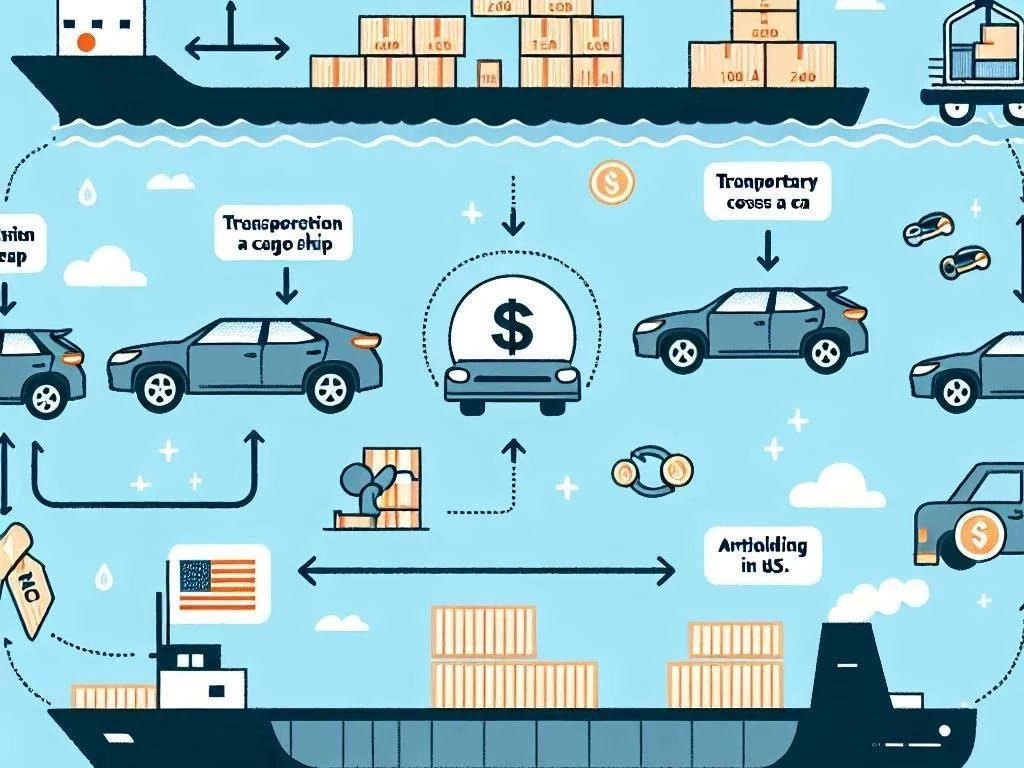
Breakdown of Shipping Fees and Freight Charges
Understanding the breakdown of shipping fees and freight charges is vital when determining how much it costs to ship a car from Japan to the USA. The base shipping cost is the first component and varies based on the chosen method—ocean freight generally being more affordable than air freight. Within ocean freight, rates differ between container shipping and roll-on/roll-off (RoRo) options, with container shipping being pricier due to added security.
Additional charges often include port fees, which are incurred at both the departure and arrival ports. These fees can vary by location and should be factored into the overall budget. Customs duties and import taxes are also critical components, as they can significantly raise the total expenses. Finally, some logistics services may charge handling fees for documentation and processing. By comprehensively understanding these various components, individuals can better estimate the total cost of their vehicle shipping journey.
5.1. Base Shipping Costs
The base shipping costs play a crucial role in determining how much it costs to ship a car from Japan to the USA. These costs vary significantly depending on the shipping method selected. Ocean freight remains the most cost-effective option for transporting vehicles. Within this category, roll-on/roll-off (RoRo) tends to have lower base shipping costs compared to container shipping, which provides added protection. For RoRo, vehicles are driven directly onto the ship and secured, making it a straightforward and economical choice.
In contrast, container shipping involves loading vehicles into a sealed container, providing enhanced security and the option to include personal belongings. This method generally incurs higher base costs due to the additional handling and space required. Furthermore, the size and weight of the vehicle can also influence shipping rates, with larger or heavier vehicles attracting higher fees. Understanding these base costs is essential for accurately budgeting the overall shipping expenses involved in transporting a vehicle internationally.
5.2. Additional Port Fees
When shipping a car from Japan to the USA, additional port fees can significantly impact the overall cost. These fees vary based on the departure and arrival ports and are essential to consider when estimating shipping expenses. Typical additional port fees include loading and unloading charges, which cover the costs involved in handling the vehicle at each port. This can include labor, equipment, and logistical coordination necessary to safely transport vehicles.
Moreover, some ports may impose specific handling fees for customs inspections, which can further increase costs. It’s also important to account for terminal fees, which are charged for the use of the port facilities during the shipping process. These terminal fees can differ significantly between ports, making it crucial to research the specific charges associated with both the origin and destination ports; Overall, understanding additional port fees helps prospective importers accurately calculate the total costs involved in shipping their vehicles overseas.
5.3. Customs Duties and Import Taxes
Understanding customs duties and import taxes is essential for accurately estimating how much it costs to ship a car from Japan to the USA. These fees are imposed by the U.S. government and vary based on the vehicle’s value, age, and type. Typically, customs duties are calculated as a percentage of the vehicle’s declared value, which can range from 2.5% for passenger vehicles to higher rates for trucks and other types of vehicles.
Import taxes may also apply, adding to the overall shipping expenses. It’s crucial for importers to prepare for these additional costs when budgeting for their vehicle shipment. Furthermore, all required documentation, including the bill of sale and customs declarations, must be accurately completed to avoid delays and unexpected charges. Engaging with a customs broker can streamline this process, ensuring compliance with regulations. Overall, a thorough understanding of customs duties and import taxes will help facilitate a smoother import experience for prospective vehicle owners.
Understanding International Car Transport Regulations
When shipping a car from Japan to the USA, understanding international car transport regulations is crucial for a seamless experience. These regulations govern various aspects of vehicle importation, ensuring compliance with both U.S. safety and environmental standards. The U.S. Department of Transportation (DOT) and the Environmental Protection Agency (EPA) set specific requirements that vehicles must meet to be eligible for import. This may include modifications to comply with emissions standards and safety regulations.
Moreover, importers must be aware of documentation requirements, including the vehicle’s original title, bill of sale, and any compliance certifications. These documents are essential for customs clearance and can influence overall shipping costs. Failure to adhere to these regulations may result in delays or additional fees, emphasizing the importance of thorough preparation. Engaging with logistics services familiar with these regulations can significantly ease the import process, ensuring that all stipulations are met, leading to successful vehicle transport.
6.1. Car Import Regulations in the USA
Car import regulations in the USA are pivotal for anyone considering shipping a vehicle from Japan. The U.S. Department of Transportation (DOT) and the Environmental Protection Agency (EPA) enforce strict guidelines to ensure that all imported vehicles meet safety and environmental standards. Vehicles must comply with the Federal Motor Vehicle Safety Standards (FMVSS), which cover aspects like braking efficiency, seatbelt functionality, and emission levels.
Additionally, the EPA requires that cars meet specific emissions standards, which can necessitate modifications for vehicles not originally designed for the U.S. market. Importers must also ensure they have the proper documentation, including the original title and the bill of sale, to facilitate customs clearance. Failure to adhere to these regulations can result in significant delays or even the refusal of entry into the U.S. market. Understanding these regulations is crucial for a successful and efficient import process, minimizing unexpected costs and complications during shipping.
6.2. Required Documentation for Importing a Vehicle
When importing a vehicle from Japan to the USA, having the correct documentation is essential for a smooth shipping process. The primary documents required include the original title, which proves ownership, and the bill of sale, detailing the purchase transaction. These documents are crucial for customs clearance and must be presented to authorities upon arrival in the USA.
Additionally, importers need to provide a declaration form that outlines the vehicle’s make, model, year, and VIN (Vehicle Identification Number). This information is vital for verifying compliance with U.S. regulations. Importers may also need an EPA compliance certificate, indicating that the vehicle meets U.S. environmental standards. If modifications are necessary, documentation proving these changes may be required. Lastly, a customs bond may be necessary to ensure that any duties and fees are paid. Preparing these documents in advance will help avoid delays and ensure a successful vehicle importation experience.
Logistics Services for Overseas Car Transport
When considering how much it costs to ship a car from Japan to the USA, engaging reputable logistics services for overseas car transport is essential. These companies specialize in managing the complexities involved in international vehicle shipping, ensuring compliance with all regulations while optimizing costs. They offer various services, including transportation, customs clearance, and documentation assistance, making the process smoother for importers.
Logistics providers typically have extensive networks with shipping lines and ports, allowing for better shipping quotes and delivery options. They can help choose the most suitable shipping method—be it container shipping or roll-on/roll-off (RoRo)—based on individual needs and budget. Furthermore, their expertise ensures that all necessary paperwork is completed accurately, preventing potential delays or additional fees. Overall, utilizing logistics services enhances the efficiency and reliability of overseas car transport, ultimately leading to a more cost-effective and hassle-free experience for vehicle importers.
Getting Accurate Shipping Quotes
Obtaining accurate shipping quotes is crucial for understanding how much it costs to ship a car from Japan to the USA. When requesting quotes from auto shipping companies, it’s essential to provide detailed information about the vehicle, including make, model, year, weight, and dimensions. This data helps shipping companies calculate more precise estimates based on the specific needs of the vehicle.
Additionally, be sure to specify the preferred shipping method—whether ocean freight or air freight—and whether you want container shipping or roll-on/roll-off (RoRo). Each option has different cost implications. It’s also beneficial to inquire about additional fees, such as customs duties, port fees, and handling charges, which can significantly affect the total shipping expenses. Comparing quotes from multiple logistics providers will allow you to identify competitive rates. Lastly, ensure that the quotes are transparent and itemized, detailing all costs involved to avoid unexpected surprises during the shipping process.
8.1. Comparing Auto Shipping Companies
When exploring how much it costs to ship a car from Japan to the USA, comparing auto shipping companies is essential for finding the best deal. Start by gathering shipping quotes from multiple providers, ensuring you provide consistent vehicle information to each for accurate comparisons. Look for companies with experience in international car transport and positive customer reviews, as this can indicate reliability and service quality.
Pay attention to the specific services offered by each company, such as container shipping versus roll-on/roll-off (RoRo), as well as any additional logistics services like customs clearance assistance. Additionally, check if they provide insurance options to protect your vehicle during transit. Transparency in pricing is crucial; ensure each quote includes all potential costs, including base shipping fees, customs duties, and any hidden charges. By thoroughly comparing these factors, you can make an informed decision that balances cost, service quality, and peace of mind when shipping your vehicle.
8.2. Importance of Transparency in Shipping Quotes
Transparency in shipping quotes is crucial when determining how much it costs to ship a car from Japan to the USA. Clear and detailed quotes help prospective importers understand the full scope of shipping expenses, including base shipping fees, customs duties, and any additional charges that may arise. Without transparency, hidden costs can lead to unpleasant surprises and budget overruns during the shipping process.
Moreover, transparent quotes foster trust between customers and auto shipping companies, allowing clients to make informed decisions about which service to choose. A reputable company will provide a comprehensive breakdown of costs, explaining each component and its necessity. This openness not only helps in comparing quotes among different providers but also in anticipating the total expenses involved in the vehicle shipping process. Ultimately, prioritizing transparency in shipping quotes ensures a smoother and more predictable experience for anyone looking to import a vehicle from Japan.
Estimating Delivery Time for Vehicle Shipping
Estimating delivery time for vehicle shipping from Japan to the USA involves several factors that can influence the overall timeline. Typically, ocean freight is the most common method for shipping cars, and it generally takes between 4 to 8 weeks for a vehicle to reach its destination. This timeframe can vary based on the specific shipping route, weather conditions, and the efficiency of port operations.
When using roll-on/roll-off (RoRo) shipping, vehicles may have a quicker turnaround compared to container shipping, which may require additional time for loading and unloading. Additionally, customs clearance processes at the destination port can also affect delivery time, as delays in paperwork or inspections may arise. It’s essential to factor in these potential delays when planning for vehicle arrival. By discussing estimated delivery times with logistics services and understanding the various elements involved, importers can better manage their expectations and ensure a smoother shipping experience.
Calculating total transportation expenses when shipping a car from Japan to the USA involves considering various factors that contribute to the overall cost. Key components include base shipping costs, additional port fees, customs duties, and import taxes. Each of these elements can significantly impact the final amount, making it essential to account for them during the budgeting process.
Additionally, obtaining accurate shipping quotes and comparing different auto shipping companies can help identify competitive rates. Transparency in pricing is crucial, as hidden fees can lead to unexpected charges. Engaging logistics services that specialize in international car transport can further streamline the process and ensure all regulations are met. Understanding delivery timelines is also vital, as it can affect when expenses are incurred. By carefully analyzing each aspect of the shipping process, prospective importers can effectively manage their budgets and ensure a smooth experience when bringing their vehicles into the United States.
