







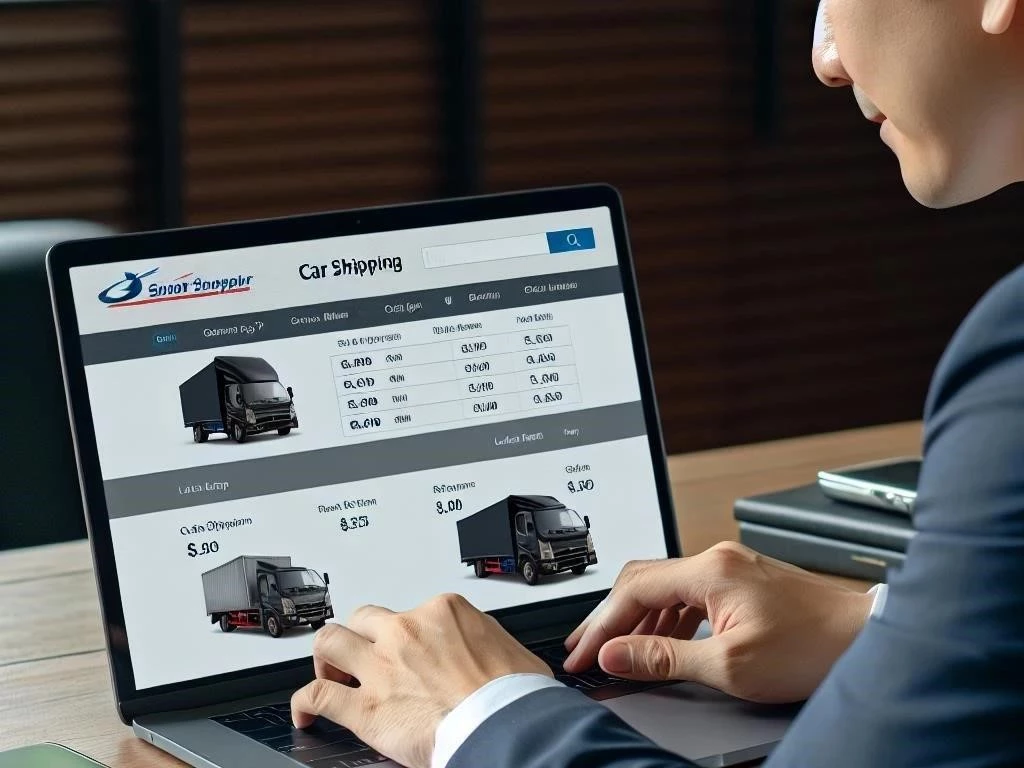
How Much Is It to Ship My Car?
The cost to ship your car varies greatly based on distance, vehicle type, transport method, and current shipping rates. Understanding these factors helps estimate your total expense effectively.

Understanding Shipping Costs
Shipping costs for vehicles are influenced by various factors including distance, vehicle size, transport type, insurance, and current market conditions, making it essential to analyze each aspect thoroughly.
What Affects Shipping Rates?
Several factors significantly impact shipping rates when transporting your vehicle. First, the distance between the origin and destination plays a vital role; longer distances generally incur higher costs. The type of vehicle also matters; larger or heavier cars may attract additional fees. Transport method selection, whether open or enclosed transport, influences prices as well, with enclosed options typically costing more due to added protection. Seasonal fluctuations can also affect shipping rates, with higher demand in certain months leading to increased costs. Additionally, fuel prices and local market conditions play a part in determining auto transport fees. Insurance coverage may further impact the overall shipping costs, particularly if you desire additional protection during transit. Finally, logistics and the availability of transport services in your area can also contribute to varying rates for vehicle shipping.
Cost Factors in Vehicle Shipping
When considering the cost of vehicle shipping, various factors come into play that can influence the final price. The type of transport method chosen, whether open transport or enclosed transport, greatly affects costs, with enclosed options providing extra protection but at a higher price. Additionally, the size and weight of your vehicle can impact shipping fees; larger vehicles often require more space and resources. Distance is another crucial factor; longer hauls typically incur higher shipping rates due to increased fuel consumption and logistical complexities. Seasonal demand fluctuations may also influence costs, particularly during peak moving seasons when more people are relocating. Insurance coverage for your vehicle during transport adds another layer of expense. Finally, the availability of transport services in your area can also affect pricing and overall accessibility for vehicle relocation.
Types of Car Shipping Services
Car shipping services vary greatly, offering options such as open transport and enclosed transport. Each method has unique benefits, costs, and suitability for different vehicle types and conditions.
Open Transport vs. Enclosed Transport
When deciding between open transport and enclosed transport for shipping your vehicle, consider the level of protection and cost involved. Open transport is the most common method, transporting multiple vehicles on an open trailer. This option is generally more affordable, making it suitable for standard vehicles, but exposes cars to weather and road debris during transit. On the other hand, enclosed transport offers greater protection, as vehicles are transported within a fully enclosed trailer. This method is ideal for luxury, vintage, or high-value vehicles, as it shields them from environmental hazards. However, enclosed transport typically comes at a higher price due to its added safety features. Ultimately, the choice between these two methods depends on your budget, vehicle type, and personal preferences regarding risk and protection during car shipping.
Long-Distance Shipping Options
Long-distance shipping options for cars provide various methods to facilitate vehicle relocation across significant distances. Typically, the most common methods are open transport and enclosed transport, each offering distinct benefits depending on your needs. Open transport is widely used for long-haul shipping due to its cost-effectiveness, allowing multiple vehicles to be transported simultaneously. However, exposed vehicles may face environmental risks. Alternatively, enclosed transport provides comprehensive protection, ideal for high-value or classic cars, ensuring they remain shielded from debris and elements. Additionally, some companies offer door-to-door service, delivering your vehicle directly to your specified location, enhancing convenience. Factors influencing long-distance shipping costs include distance, vehicle type, and transport method. Researching various car shipping services and obtaining transport quotes can help you find the best solution tailored to your long-distance shipping requirements while managing your budget effectively.
Calculating Auto Transport Fees
Calculating auto transport fees involves considering various factors including distance, vehicle condition, transport method, and current market rates. Understanding these elements helps you determine overall shipping costs accurately.
Using a Shipping Calculator
Utilizing a shipping calculator can significantly streamline the process of estimating costs for shipping your vehicle; These online tools allow you to input essential details such as pickup and delivery locations, vehicle type, and preferred transport method. Once you enter this information, the calculator provides a range of estimates based on current shipping rates and market trends. This helps you understand potential auto transport fees more clearly. Additionally, many shipping calculators consider different factors, including seasonal demand and additional services, which can further refine your estimates. By comparing various transport quotes generated from different calculators, you can make an informed decision regarding the most suitable shipping option for your budget and timeline. Ultimately, leveraging a shipping calculator enhances your ability to navigate the complexities of vehicle transport costs efficiently and effectively.
Factors Influencing Auto Shipping Prices
Several factors influence auto shipping prices, making it essential to understand them when planning your vehicle transport. Distance plays a significant role, as longer hauls generally incur higher costs due to increased fuel consumption and logistical complexities. The type of vehicle being shipped also affects pricing; larger or heavier cars may require specialized transport, leading to additional fees. Furthermore, the chosen transport method, whether open or enclosed, impacts overall costs, with enclosed transport typically being more expensive due to enhanced protection. Seasonal demand fluctuations can result in varying prices; peak moving seasons often drive costs higher. Insurance coverage for your vehicle during transport adds another expense to consider. Additionally, the availability of transport services in your area can affect pricing and accessibility, making it crucial to research and compare different shipping options thoroughly before making your decision.
Getting Transport Quotes
Obtaining transport quotes is crucial for understanding costs associated with shipping your car. Comparing different quotes helps identify the best service options tailored to your specific vehicle shipping needs.
Comparing Different Transport Options
When considering how much it costs to ship your car, comparing different transport options is essential for making an informed decision. Various shipping services offer unique advantages and pricing structures, so understanding these differences can help you find the most suitable option. Start by gathering transport quotes from multiple companies, ensuring you provide the same details for each request, such as pickup and delivery locations, vehicle type, and preferred transport method. Analyze each quote carefully, noting the differences in pricing, services included, and estimated delivery timelines. Additionally, consider the reputation and reviews of each shipping company, as customer experiences can provide valuable insights into the quality of service. By weighing the pros and cons of each transport option, you can make a choice that balances cost, safety, and reliability, ensuring your vehicle arrives at its destination securely.
Understanding Freight Charges
Understanding freight charges is crucial when determining how much it costs to ship your car. Freight charges refer to the fees associated with transporting your vehicle from one location to another, encompassing various cost factors. These charges can vary based on distance, vehicle type, weight, and the chosen transport method, whether open or enclosed transport. Additionally, freight charges may include insurance costs, fuel surcharges, and other logistical expenses incurred during the shipping process. It’s essential to ask transport companies for a detailed breakdown of these charges to gain clarity on what you’re paying for. Some companies may offer all-inclusive rates, while others itemize specific services. By comprehensively understanding freight charges, you can better evaluate transport quotes and make informed decisions that align with your budget and shipping requirements, ultimately ensuring a smoother vehicle shipping experience.
Interstate Car Shipping
Interstate car shipping involves transporting vehicles between different states, often requiring specialized logistics. Understanding costs and regulations is essential for a smooth and efficient vehicle relocation process.
How Interstate Shipping Differs
Interstate shipping differs from local vehicle transport in several significant ways, impacting overall costs and logistics. First, the distance involved in interstate shipping is typically greater, leading to higher transport fees due to fuel consumption and time required for travel. Additionally, state regulations and requirements may vary, necessitating compliance with different laws and insurance policies depending on the states involved. Transport companies may also face varying weather conditions and road regulations that can affect delivery times and costs. Moreover, interstate car shipping often involves a more extensive logistical network, which may result in longer wait times for pickup or delivery. Understanding these differences is crucial for estimating costs accurately and choosing the right service for your vehicle relocation. Ultimately, being aware of these factors helps ensure a smoother and more efficient interstate shipping experience for your car.
Car Delivery Timelines
Car delivery timelines play a crucial role in understanding the overall process of shipping your vehicle. These timelines can vary significantly based on several factors, including the distance between pickup and delivery locations, the chosen transport method, and the volume of shipments at the time. Typically, open transport options may have shorter delivery times due to the ability to transport multiple vehicles simultaneously. In contrast, enclosed transport might take longer due to its specialized nature and limited capacity. Additionally, seasonal fluctuations can impact delivery schedules; peak moving seasons may result in longer wait times due to increased demand for services. It’s essential to communicate with your chosen shipping company to obtain estimated delivery timelines, as they can provide valuable insights into potential delays and assist in planning your vehicle’s relocation effectively. Understanding these timelines ensures a smoother shipping experience.
Vehicle Relocation Considerations
When planning vehicle relocation, consider factors like transport method, insurance coverage, delivery timelines, and destination regulations. These elements significantly influence the overall cost and shipping experience.
Choosing the Right Car Hauling Service
Selecting the right car hauling service is critical for ensuring a smooth and cost-effective vehicle shipping experience. Start by researching various companies, focusing on their reputation, customer reviews, and industry experience. This information helps you gauge the reliability and professionalism of each service provider. Next, consider the different transport options they offer, such as open or enclosed transport, as this can significantly affect your shipping costs and the level of protection for your vehicle. Additionally, inquire about insurance coverage and any additional fees that may apply during the transportation process. Request detailed transport quotes from multiple companies to compare pricing and services effectively. Ultimately, choosing a reputable and well-reviewed car hauling service ensures that your vehicle arrives at its destination safely and on time, aligning with your budget and expectations for the shipping process.
Logistics of Vehicle Shipping
The logistics of vehicle shipping encompass various elements that contribute to the overall process, affecting both cost and efficiency. First, it’s essential to coordinate pickup and delivery locations, as proximity to major highways can impact transport times and expenses. Understanding the route your vehicle will take is crucial, as it can help anticipate potential delays due to traffic, weather conditions, or road construction. Additionally, the scheduling of transport services plays a significant role; timing your shipment during off-peak periods can result in lower costs and faster delivery. Communication with the transport company is vital, as they can provide updates on your vehicle’s status and any logistical challenges encountered. Furthermore, reviewing the company’s insurance policies ensures your vehicle is adequately protected during transit. Overall, effective logistics management contributes significantly to a successful and cost-effective vehicle shipping experience.
Final Thoughts on Car Shipping Costs
Understanding car shipping costs involves evaluating multiple factors, including transport methods, distance, and service quality. Thorough research ensures informed decisions and helps optimize your vehicle shipping experience efficiently.
Finding the Best Car Shipping Services
Finding the best car shipping services is essential for ensuring your vehicle is transported efficiently and safely. Begin by researching various companies, focusing on their reputation and customer feedback. Online reviews and testimonials provide insights into the experiences of previous customers, helping you gauge the reliability of each service provider. Next, compare the services offered, such as open versus enclosed transport, and evaluate pricing structures. Obtaining multiple transport quotes can assist in understanding the cost range for your specific shipping needs. Additionally, inquire about insurance options to protect your vehicle during transit, as this is a critical factor in choosing a service. Lastly, assess the responsiveness of customer service representatives, as clear communication is vital during the shipping process. By conducting thorough research, you can identify the best car shipping services tailored to your requirements and budget.
Tips for Reducing Shipping Costs
Reducing shipping costs for your vehicle can be achieved through several effective strategies. First, consider booking your transport well in advance; this often allows you to secure lower rates and better availability. Additionally, researching multiple car shipping companies and obtaining various quotes enables you to compare prices and find the most cost-effective option. Opting for open transport instead of enclosed transport can also significantly decrease your overall expenses, although it may expose your vehicle to the elements. Moreover, being flexible with pickup and delivery dates can lead to savings, as companies may offer discounts for less busy transport windows. Finally, consider consolidating shipments with others traveling in the same direction; this can lower costs due to shared transport expenses. By implementing these tips, you can effectively minimize your vehicle shipping costs and stay within budget.
