







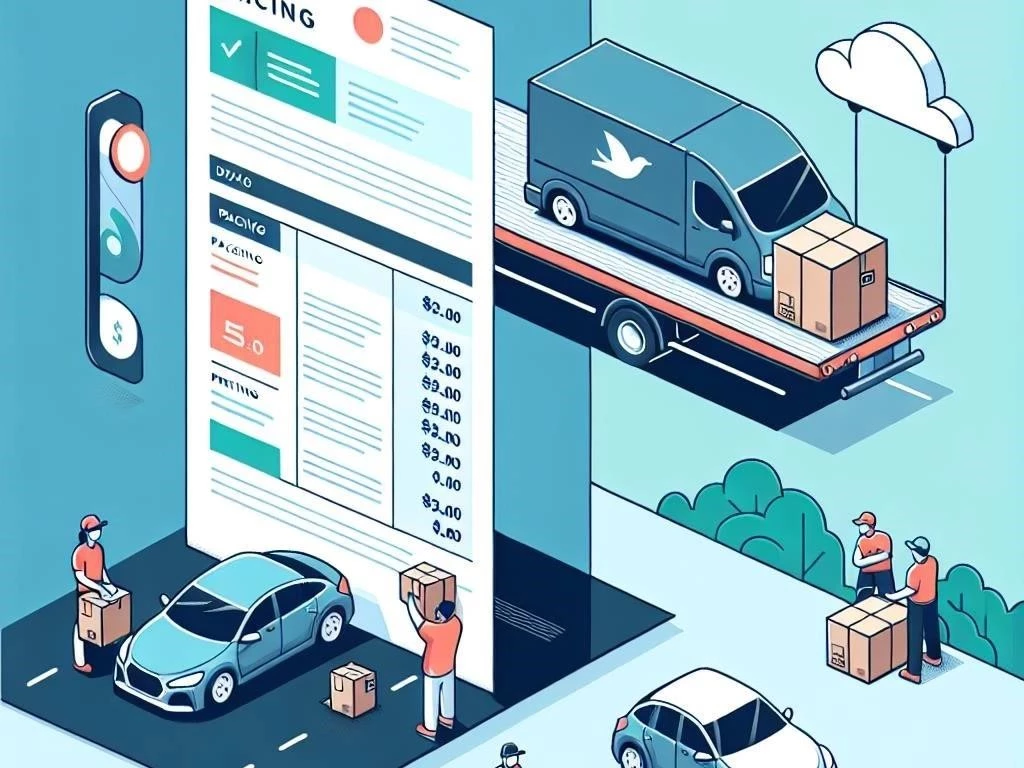
How Much Does It Cost to Get a Car Shipped
Understanding the factors affecting car shipping costs is essential for planning your budget effectively when considering vehicle transport options, shipping rates, and services available.
1.1 Understanding Car Shipping
Car shipping involves transporting vehicles from one location to another, catering to various needs such as relocation, purchases, or auctions. The process typically includes selecting between different vehicle shipping options like open transport or enclosed transport, which significantly influences the overall cost. Additional factors, such as distance, vehicle size and weight, and seasonal demand, can also contribute to the final price. Understanding the logistics behind auto transport services is crucial when estimating expenses. To ensure a smooth experience, it’s essential to gather transport quotes and be aware of potential car delivery expenses and shipping insurance requirements that may apply.
1.2 Importance of Knowing Costs
Knowing the costs associated with shipping a car is vital for budgeting and making informed decisions when selecting auto transport services. Understanding car shipping costs helps you evaluate different vehicle shipping options and compare shipping rates from various carrier services. Being aware of the potential expenses, including freight charges and additional car delivery expenses, allows you to avoid unexpected financial burdens. Furthermore, understanding the cost of car transport can guide you in choosing between open transport and enclosed transport. Ultimately, thorough knowledge of shipping costs ensures a seamless car delivery experience while optimizing your logistics and overall expenditure.
Factors Influencing Car Shipping Costs
Many elements affect car shipping costs, including distance, vehicle size, transport type, seasonality, and specific logistics involved in the chosen auto transport services.
2.1 Distance-Based Pricing
Distance-based pricing plays a significant role in determining car shipping costs. The farther the vehicle must travel, the higher the associated expenses will be. Shipping rates are often calculated based on the miles between the pickup and delivery locations, taking into account fuel costs and time spent on the road. For shorter distances, transport quotes tend to be lower, while long-distance car shipping may incur additional fees due to the extended logistics involved. It’s essential to understand this factor when comparing auto transport services, as it directly impacts the total cost of car transport and can influence your shipping options.
2.2 Type of Transport: Open vs. Enclosed
The choice between open transport and enclosed transport significantly influences car shipping costs. Open transport is typically more affordable, as it allows multiple vehicles to be transported simultaneously, reducing overall expenses. However, it exposes the vehicle to weather elements and road debris. On the other hand, enclosed transport provides added protection, shielding the vehicle from external factors, making it ideal for luxury or classic cars. This enhanced safety comes at a higher price. Understanding the differences in auto shipping prices between these two options is crucial for making an informed decision based on your budget and vehicle’s needs.
2.3 Vehicle Size and Weight
Vehicle size and weight are crucial factors impacting car shipping costs. Heavier and larger vehicles often incur higher transport fees due to the increased fuel consumption and space requirements during transit. Auto transport services typically have weight limits, and exceeding these can lead to additional charges. Furthermore, specialized equipment may be needed for larger vehicles, further escalating expenses. Conversely, smaller and lighter vehicles can benefit from lower shipping rates. It’s essential to provide accurate vehicle specifications when requesting transport quotes to ensure a precise estimate of the cost of car transport and avoid unexpected financial surprises during the shipping process.
2.4 Seasonal Demand Fluctuations
Seasonal demand fluctuations significantly influence car shipping costs throughout the year. Certain times, such as summer and holidays, witness increased demand for vehicle transport services, leading to higher shipping rates. During peak seasons, carrier availability may be limited, resulting in elevated prices due to heightened competition for transport slots. Conversely, off-peak seasons often provide more competitive rates and greater availability, making it an ideal time for cost-effective shipping. Understanding these seasonal trends can help you plan your vehicle transport more strategically, allowing you to optimize your budget and select the best shipping options based on the timing of your needs.
Overview of Vehicle Transport Fees
Vehicle transport fees encompass various charges, including shipping rates, freight charges, and additional expenses, all crucial for understanding total costs when shipping a car.
3.1 Average Auto Shipping Prices
Average auto shipping prices can vary significantly based on several factors, including distance, vehicle size, and transport type. Generally, shipping a car within a few hundred miles may cost between $300 to $700, while long-distance car shipping could range from $800 to over $1,500. Enclosed transport services typically command higher rates due to added protection, often increasing costs by 30% to 50%. Additionally, seasonal demand fluctuations can further affect these prices. It’s essential to gather multiple transport quotes to ensure you receive a competitive rate that aligns with your budget and specific vehicle shipping requirements for optimal savings.
3.2 Breakdown of Freight Charges
Freight charges represent a significant portion of car shipping costs, encompassing several components. First, the base rate is determined by the distance and vehicle type. Additional fees may include fuel surcharges, which fluctuate with fuel prices, and insurance costs to protect your investment during transport. If you opt for enclosed transport, expect higher freight charges due to the additional protection provided. Moreover, if your vehicle requires special handling or equipment, this may incur extra expenses. Understanding this breakdown helps you assess the overall cost more accurately, ensuring you make informed decisions when selecting auto transport services for your vehicle.
3.3 Additional Car Delivery Expenses
In addition to the primary shipping costs, various additional car delivery expenses can arise during the transport process. These may include destination or delivery fees, which are charged based on the drop-off location’s accessibility and distance from major highways. If you prefer door-to-door service, this option typically incurs higher costs compared to terminal-to-terminal shipping. Furthermore, if your vehicle is inoperable, additional charges for special handling or equipment may apply. Lastly, remember to consider shipping insurance costs, which can vary based on coverage levels and the vehicle’s value. Understanding these expenses ensures comprehensive budgeting for your car shipping needs.
Types of Auto Transport Services
Different types of auto transport services, such as open transport and enclosed transport, significantly impact overall costs, providing various options to meet your shipping needs.
4.1 Open Transport vs. Enclosed Transport
When considering auto transport services, the choice between open transport and enclosed transport is crucial as it directly impacts costs. Open transport is the more affordable option, allowing multiple vehicles to be transported simultaneously on open trailers, which reduces shipping costs. However, this method exposes vehicles to weather and road debris. Conversely, enclosed transport offers superior protection by transporting vehicles in fully covered trailers, safeguarding them from environmental elements. This option is ideal for luxury or classic cars but comes with higher shipping rates. Evaluating your budget and vehicle type will help determine the best transport method for your needs.
4.2 Door-to-Door Service vs. Terminal-to-Terminal Shipping
Choosing between door-to-door service and terminal-to-terminal shipping significantly affects car shipping costs. Door-to-door service involves the carrier picking up and delivering your vehicle directly to specified locations, providing convenience but often incurring higher fees due to the added logistics. This option is particularly beneficial for those with limited time or resources. In contrast, terminal-to-terminal shipping requires you to drop off and pick up your vehicle at designated terminals. This method is generally more affordable, but it may involve additional travel and time commitments. Understanding these options helps you select the most suitable and cost-effective transport service for your needs.
Understanding Shipping Rates
Shipping rates for car transport vary based on multiple factors, including distance, vehicle type, transport method, and additional services, impacting overall costs significantly.
5.1 How to Get Accurate Transport Quotes
Obtaining accurate transport quotes is essential for budgeting your car shipping costs effectively. Start by gathering information about your vehicle, including make, model, weight, and dimensions. Reach out to multiple auto transport companies to request quotes, ensuring you provide consistent details to each. Be transparent about your shipping preferences, such as the desired transport method (open or enclosed) and service type (door-to-door or terminal-to-terminal). Inquire about additional fees, such as insurance or special handling charges. Finally, compare the quotes received, taking note of customer reviews and ratings to choose a reliable company that meets your budgetary requirements and needs.
5.2 Comparing Shipping Rates from Different Carrier Services
Comparing shipping rates from various carrier services is crucial for finding the best deal on car transport. Start by compiling transport quotes from multiple companies, ensuring you provide identical vehicle and shipping information for consistency. Pay attention to the details included in each quote, such as transport method, delivery times, and any additional fees. Consider factors like insurance coverage, customer service reputation, and delivery options offered. Additionally, researching online reviews and testimonials can provide insights into the reliability of each carrier. By thoroughly comparing these aspects, you can make an informed decision that aligns with your budget and needs for shipping a car.
Long-Distance Car Shipping Considerations
When considering long-distance car shipping, it’s essential to evaluate costs, logistics, transport methods, delivery timelines, and insurance options to ensure a smooth shipping experience.
6.1 What to Expect with Interstate Car Shipping
When shipping a car interstate, expect several key factors to influence the overall process and costs. First, distance plays a critical role in determining shipping rates, with longer distances generally incurring higher fees. Additionally, various transport methods, such as open or enclosed transport, can affect pricing and delivery timeframes. It’s important to consider state regulations, as some states may have specific requirements for vehicle transport. You should also anticipate potential delays due to factors like weather or traffic conditions. Understanding these aspects will help you set realistic expectations and ensure a smooth interstate car shipping experience while managing costs.
6.2 Logistics of Long-Distance Transport
Logistics play a vital role in long-distance car shipping, impacting both costs and efficiency. Factors to consider include route planning, which affects travel times and fuel consumption. Carriers often use optimized routes to ensure timely deliveries while minimizing expenses. Additionally, the availability of transport vehicles and drivers can influence shipping schedules, especially during peak seasons. Communication is essential; keeping track of your vehicle’s status and expected arrival can alleviate concerns. Furthermore, it’s crucial to coordinate pickup and delivery locations, ensuring they are accessible for transport vehicles. Understanding these logistics will help you streamline the shipping process and manage costs effectively.
Shipping Insurance and Its Impact on Cost
Shipping insurance is crucial for protecting your vehicle during transport, affecting overall costs. Higher coverage levels often result in increased shipping expenses, impacting your budget.
7.1 Importance of Shipping Insurance
Shipping insurance is vital for safeguarding your vehicle during transport, providing peace of mind against potential damages or losses. Accidents, theft, and weather-related incidents can occur, jeopardizing your car’s condition. Investing in adequate insurance coverage protects your investment and ensures that you receive compensation for repairs or replacement if necessary. Many auto transport companies offer basic insurance, but it may not cover the full value of your vehicle. Therefore, evaluating your coverage options is crucial to ensure sufficient protection. Understanding the importance of shipping insurance helps you make informed decisions, ultimately saving you from unexpected financial burdens during the shipping process.
7.2 How Insurance Affects Overall Car Shipping Costs
Insurance significantly impacts overall car shipping costs, as higher coverage levels typically result in increased fees. While basic insurance may be included in the transport quote, it often covers only a fraction of the vehicle’s value. Opting for comprehensive coverage can provide greater protection but will raise shipping expenses. Additionally, some carriers may charge extra for specialized insurance options tailored to luxury or classic cars. It’s essential to weigh the cost of insurance against the potential risk of loss or damage during transport. Understanding how insurance affects overall costs enables you to make informed decisions when selecting shipping services for your vehicle.
Understanding car shipping costs involves evaluating various factors, including transport methods, insurance, and logistics, ensuring informed decisions for a successful and budget-friendly shipping experience.
8.1 Final Thoughts on Cost of Car Transport
When considering the cost of car transport, it’s essential to evaluate all associated factors thoroughly. Prices can vary significantly based on distance, vehicle type, and transport method. Understanding the difference between open and enclosed transport can help you choose the best option for your budget. Additionally, considering shipping insurance is crucial for safeguarding your vehicle. Always obtain multiple quotes to compare rates from various carriers, ensuring you get the best value for your money. By being informed about all these elements, you can make confident decisions that align with your financial goals while ensuring a smooth shipping experience.
8.2 Tips for Reducing Vehicle Shipping Costs
Reducing vehicle shipping costs requires strategic planning and informed choices. Start by booking your transport well in advance to secure lower rates, as last-minute bookings often incur premium fees. Consider flexible pickup and delivery dates, as this can lead to discounted rates. Opting for open transport instead of enclosed transport can significantly lower costs, especially for standard vehicles. Additionally, compare multiple quotes from different carriers to find competitive rates and consider consolidating shipments if you have multiple vehicles. Finally, ensure your vehicle is in operational condition, as inoperable vehicles may incur extra handling fees, further increasing total shipping costs.
