








How Do You Ship a Car?
Shipping a car involves understanding transport options, selecting reliable companies, obtaining quotes, preparing your vehicle, and navigating regulations for safe delivery and logistics management.
Understanding the Auto Shipping Process
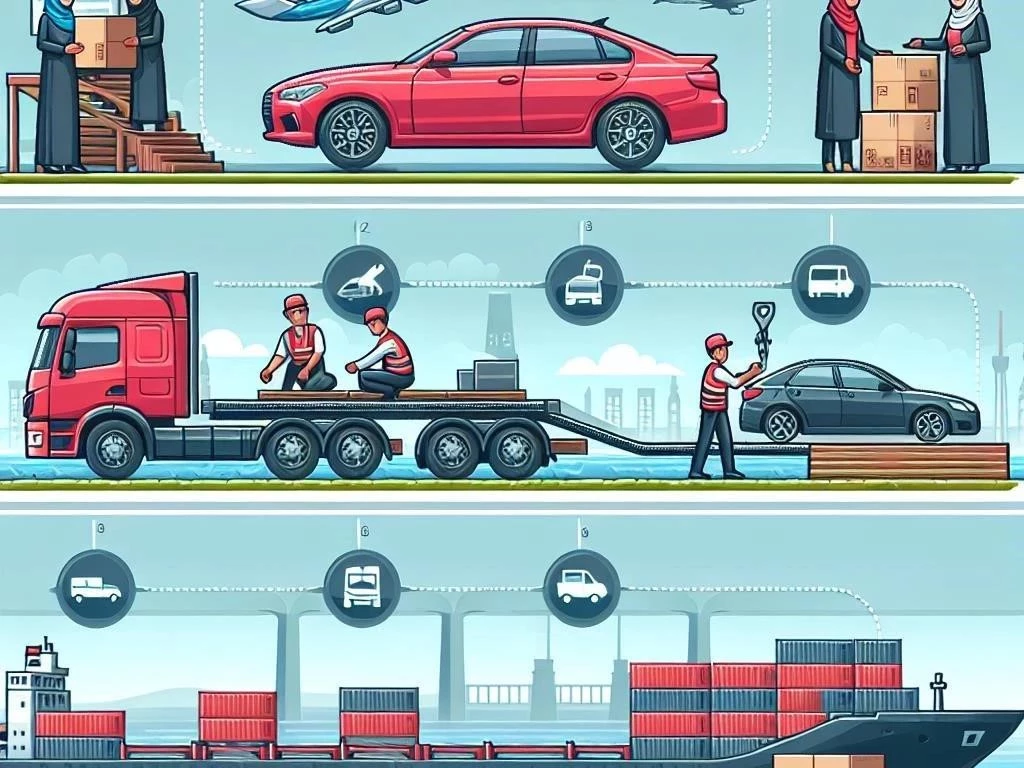
The auto shipping process begins with selecting a transport method, either open or enclosed transport. Next, you need to choose a reliable transport company that provides door-to-door service. After that, obtain transport quotes to compare pricing and services. Finally, prepare your vehicle for pickup, ensuring all necessary documentation and insurance are in place for a smooth shipping experience.
Choosing the Right Shipping Method
Selecting the appropriate shipping method is crucial for your vehicle’s safety and cost-effectiveness. Open transport is more affordable and suitable for standard vehicles, while enclosed transport offers enhanced protection for luxury or classic cars. Consider your budget, the vehicle’s value, and the distance involved to make a well-informed decision that aligns with your specific shipping needs and preferences.
2.1 Open Transport vs. Enclosed Transport
Open transport involves loading vehicles onto a trailer without protective covering, making it a cost-effective option for standard vehicles. However, it exposes cars to weather and road debris. In contrast, enclosed transport provides complete protection from external elements, ideal for high-value or classic cars. Weigh the benefits and drawbacks of each method to determine the best fit for your shipping requirements.
2.2 Door-to-Door Service vs. Terminal-to-Terminal
Door-to-door service offers convenience as the transport company picks up and delivers your vehicle directly to specified locations. This method is ideal for those seeking a hassle-free experience. Conversely, terminal-to-terminal shipping requires you to drop off and pick up your vehicle at designated terminals. While often cheaper, it may involve more effort and time, impacting overall convenience during the auto shipping process.
Selecting a Reliable Transport Company
Choosing a reliable transport company is essential for a smooth shipping experience. Start by evaluating their credentials, such as licensing and insurance coverage. Look for experienced companies with a strong track record in auto transport services. Additionally, consider their customer support, available shipping methods, and flexibility in meeting your needs. A thorough selection process enhances your vehicle’s safety during transport.
3.1 Researching Transport Companies
When researching transport companies, gather information from various sources including online reviews, ratings, and recommendations from friends or family. Check the company’s website for details on services offered, including vehicle shipping options and insurance policies; Verify their accreditation with organizations like the Better Business Bureau. A comprehensive research approach helps ensure you select a reputable company for your auto shipping needs.
3.2 Checking Reviews and Ratings
Checking reviews and ratings is crucial when selecting a transport company. Look for customer feedback on platforms like Google, Yelp, and transport-specific websites. Pay attention to comments regarding reliability, communication, and overall satisfaction. High ratings and positive reviews indicate a trustworthy company, while consistent negative feedback may signal potential issues. This research ensures a well-informed decision for your vehicle’s shipping experience.
Getting Transport Quotes
Obtaining transport quotes is an essential step in the car shipping process. Start by contacting multiple transport companies to request estimates based on your vehicle’s details, shipping distance, and preferred methods. Ensure you provide accurate information to receive reliable quotes. Comparing these estimates helps you understand the market rates, enabling you to make an informed decision regarding your vehicle’s shipping costs and options.
4.1 Factors Influencing Shipping Costs
Several factors influence shipping costs when transporting a vehicle. Key elements include the distance between pickup and delivery locations, the type of transport method selected, and the vehicle’s size and weight. Additional considerations are seasonal demand fluctuations, fuel prices, and any special requirements like enclosed transport. Understanding these factors helps you anticipate costs and make informed decisions during the auto shipping process.
4.2 Comparing Transport Quotes
When comparing transport quotes, consider both price and services offered by different companies. Look for hidden fees, such as insurance or fuel surcharges, which can affect the overall cost. Evaluate the shipping methods available and their associated benefits. Additionally, check for delivery timelines and customer support options. A comprehensive comparison ensures you select the best transport option for your vehicle shipping needs.
Preparing Your Vehicle for Shipping
Preparing your vehicle for shipping is crucial for a smooth transport experience. Start by cleaning your car, both inside and out, to identify any pre-existing damage. Remove personal belongings, as transport companies typically prohibit them. Check fluid levels, tire pressure, and battery health. Finally, document your vehicle’s condition with photos to ensure transparency and facilitate any potential claims during the shipping process.
5.1 Car Pickup Instructions
To ensure a smooth car pickup process, coordinate with the transport company for a convenient time and location. Arrive early to facilitate the inspection and loading process. Provide the driver with necessary paperwork, including your identification and transport agreement. Make sure your vehicle is accessible and free of obstacles. Lastly, confirm any special instructions regarding the vehicle’s handling during transport.
5.2 Documentation and Insurance Needs
Proper documentation is crucial for shipping your vehicle. Prepare the vehicle title, registration, and any applicable identification for the transport company. Additionally, review your existing auto insurance policy to ensure coverage during transport. Consider purchasing car shipping insurance for added protection against potential damage. Having all necessary documents and insurance in place facilitates a seamless auto shipping process and provides peace of mind.
Understanding Logistics and Transport Regulations
Understanding logistics and transport regulations is essential for a successful vehicle shipping experience. Familiarize yourself with local, state, and federal guidelines that govern auto transport. Regulations may include specific requirements for vehicle weight limits, safety standards, and documentation. Additionally, research any restrictions on shipping vehicles across state lines or internationally. Staying informed ensures compliance and smooth processing during your car shipping journey.
6.1 Interstate Transport Rules
When shipping a vehicle across state lines, it’s crucial to understand interstate transport rules. Compliance with federal regulations is mandatory, including ensuring the transport company is licensed and insured. Additionally, verify that the vehicle meets safety standards specific to each state. Familiarize yourself with any state-specific restrictions or requirements that may impact your vehicle’s transport, ensuring a smooth interstate shipping process.
6.2 International Shipping Regulations
Shipping a vehicle internationally involves adhering to specific regulations and customs requirements. Research the import regulations of the destination country, including taxes and tariffs that may apply. Ensure all necessary documentation, such as the vehicle title and proof of ownership, is prepared. Additionally, confirm that the transport company complies with international shipping standards, guaranteeing a seamless auto transport experience across borders.
Vehicle Carriers and Their Role
Vehicle carriers play a crucial role in the auto shipping process by transporting vehicles from one location to another. They utilize specialized trailers designed for safe and efficient transport, ensuring that vehicles are protected during the journey. Carriers are responsible for adhering to safety regulations, providing timely deliveries, and maintaining vehicle condition. Understanding their role helps ensure a successful car shipping experience.
7.1 Types of Vehicle Carriers
There are primarily two types of vehicle carriers: open and enclosed transport. Open carriers are more common and cost-effective, accommodating multiple vehicles but exposing them to the elements. Enclosed carriers offer enhanced protection from weather and road debris, making them ideal for luxury or classic cars. Understanding these options helps you choose the most suitable carrier based on your vehicle’s value and shipping needs.
7.2 Safety Measures for Car Hauling
Implementing safety measures for car hauling is essential to protect vehicles during transport. Carriers should use secure tie-downs and straps to prevent movement while in transit. Regular inspections of the transport equipment ensure that it meets safety standards. Additionally, drivers should be trained in safe loading and unloading practices. These precautions help minimize risks and ensure a safe shipping experience for all vehicles.
Tracking Your Car Delivery
Tracking your car delivery is essential for peace of mind during the shipping process. Most transport companies provide tracking options, allowing you to monitor your vehicle’s status in real-time. Regular communication with the transport company can also provide updates on estimated delivery times and any potential delays. Staying informed ensures you are prepared for your vehicle’s arrival and can address any issues promptly.
8.1 Communication with Transport Companies
Effective communication with transport companies is vital throughout the shipping process. Establish clear channels for updates regarding pickup, transport status, and delivery timelines. Don’t hesitate to ask questions about any concerns you may have, including insurance, potential delays, or specific handling instructions. Maintaining open communication ensures that you stay informed and can address any issues that may arise during the vehicle shipping process.
8.2 Estimated Delivery Times
Understanding estimated delivery times is crucial when shipping a vehicle; These times can vary based on distance, transport method, and carrier schedules. Typically, carriers provide a time frame during booking, which may change due to unforeseen circumstances such as weather or traffic. Staying in touch with the transport company for updates helps you better plan for your vehicle’s arrival and manage expectations accordingly.
Final Considerations for Car Relocation
When finalizing your car relocation, consider post-delivery inspections to ensure your vehicle arrived in good condition. Review any documentation provided by the transport company concerning the shipment. Address any concerns immediately with the carrier to resolve issues quickly. Additionally, familiarize yourself with local regulations regarding vehicle registration and insurance in your new location to ensure a smooth transition after shipping.
9.1 Post-Delivery Inspection
Conducting a post-delivery inspection is vital to ensure your vehicle’s condition after transport. Thoroughly examine the exterior and interior for any damage or issues that may have occurred during shipping. Document any discrepancies with photos and notes, and report them to the transport company immediately. This prompt action is crucial for filing claims and ensuring you receive appropriate compensation for any damages incurred.
9.2 Resolving Shipping Issues
Resolving shipping issues promptly is essential for a satisfactory vehicle transport experience. If you encounter problems, such as delays or damage, contact the transport company immediately to discuss your concerns. Provide any documentation or evidence to support your claims. Most reputable companies will work with you to find a resolution, ensuring that your vehicle shipping experience meets your expectations and needs.
