







How Do You Ship a Car to Hawaii?
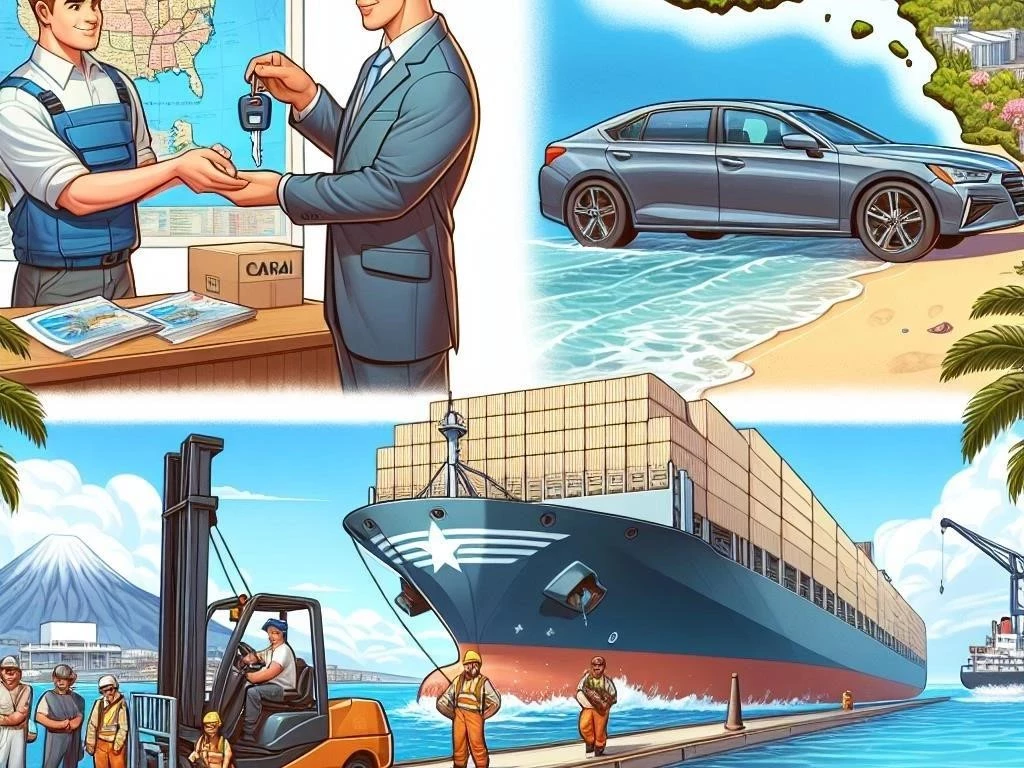
Shipping a car to Hawaii involves understanding logistics, choosing appropriate services, and ensuring compliance with regulations, all while considering costs and delivery options available.
Understanding Hawaii Car Transport
Hawaii car transport involves moving vehicles to the islands through specialized shipping services. The process typically includes auto shipping via ocean freight, with careful attention to shipping logistics. Understanding vehicle shipping options is crucial, as it influences both cost and delivery time. Various methods like container shipping and roll-on/roll-off shipping cater to different needs. It’s essential to consider the port of departure, as it affects transit duration. Additionally, familiarity with shipping regulations and insurance options is important for a smooth experience. Reliable shipping carriers offer different freight services, ensuring safe automobile transport. Knowing these elements is vital for efficient Hawaii relocation.
Choosing the Right Shipping Services
Selecting the right shipping services for your vehicle transport to Hawaii is essential for a successful experience. Research various shipping carriers that specialize in vehicle logistics and have a good reputation. Look for companies offering comprehensive services, including motorcycle shipping and automobile transport. Compare shipping costs and the types of services available, such as container shipping or roll-on/roll-off options. Evaluate customer reviews to gauge reliability and efficiency. Ensure the carrier is familiar with Hawaii relocation requirements and shipping regulations. Additionally, inquire about insurance options to protect your vehicle during transit. This careful selection process will enhance your shipping experience significantly.
Shipping Logistics for Auto Shipping
Shipping logistics for auto shipping to Hawaii involves careful planning and coordination to ensure a smooth process. First, determine the best port of departure based on your location and shipping options available. Next, select an appropriate vehicle shipping method, such as container shipping or roll-on/roll-off. Properly prepare your vehicle for transport, which includes removing personal items and documenting its condition. It’s vital to understand the timeline involved, as transoceanic transport can take several weeks. Additionally, stay informed about shipping regulations specific to Hawaii and any necessary documentation required. Efficient logistics management ultimately enhances the overall shipping experience and ensures timely car delivery.
Types of Vehicle Shipping Methods
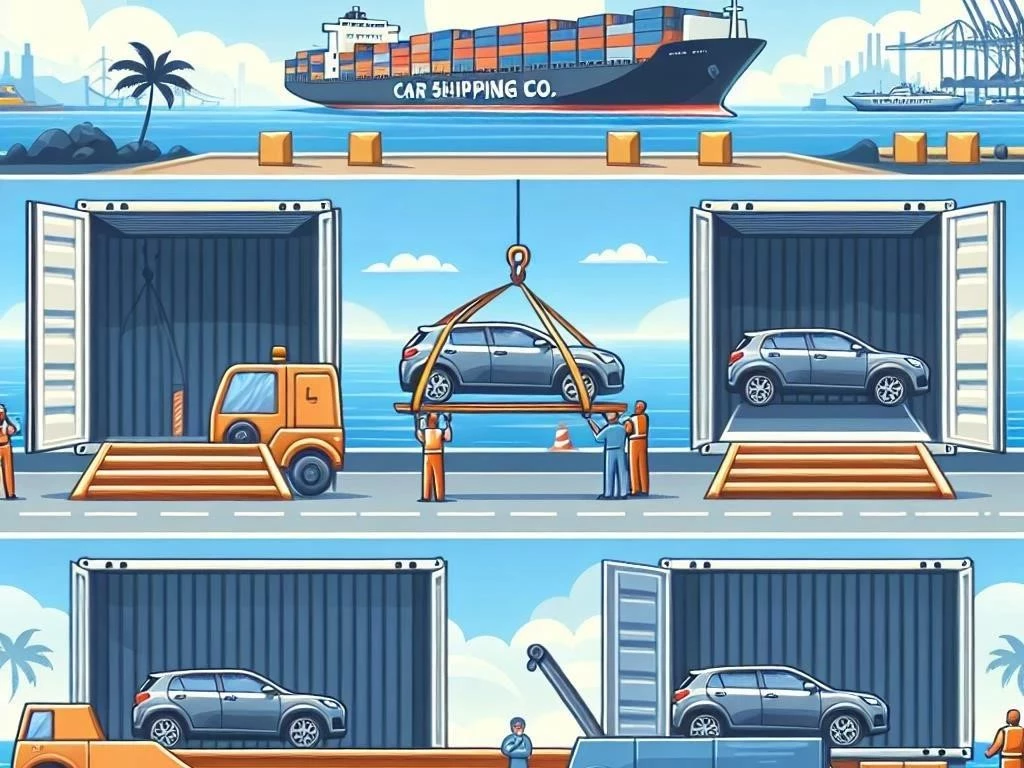
When planning auto shipping to Hawaii, it’s essential to understand the various vehicle shipping methods available. The most common method is ocean freight, which provides a cost-effective solution for transporting cars. Another popular option is container shipping, where vehicles are secured in containers, offering enhanced protection during transit. Roll-on/roll-off shipping is also widely used, allowing vehicles to be driven onto the ship, making loading and unloading straightforward. Each method has its unique benefits and drawbacks, depending on your budget and vehicle type. Evaluating these options carefully ensures you choose the best fit for your Hawaii relocation and shipping logistics needs.
4.1 Ocean Freight
Ocean freight is a primary method for shipping vehicles to Hawaii, offering an economical solution for transporting cars over long distances. This method involves loading vehicles onto cargo ships, which travel across the Pacific Ocean. Ocean freight is particularly advantageous for larger shipments, as it can accommodate multiple vehicles simultaneously. The transit time typically ranges from two to four weeks, depending on the port of departure and shipping schedules. Additionally, ocean freight provides options for securing vehicles, ensuring their safety during maritime transport. When selecting this method, it’s essential to consider shipping regulations and necessary documentation to ensure a smooth shipping experience.
4.2 Container Shipping
Container shipping is an excellent option for transporting vehicles to Hawaii, providing enhanced protection during transit. This method involves placing the vehicle inside a secure shipping container, safeguarding it from potential damage caused by weather or other elements. Container shipping is particularly beneficial for luxury cars or motorcycles, as it minimizes exposure to the elements and reduces the risk of theft. Additionally, this method allows for the inclusion of personal items within the container, maximizing space efficiency. However, it’s important to consider shipping costs, as container shipping can be more expensive than other methods. Overall, it offers peace of mind for vehicle owners.
4.3 Roll-on/Roll-off Shipping
Roll-on/roll-off (RoRo) shipping is a popular method for transporting vehicles to Hawaii, characterized by its straightforward loading and unloading process. In this method, vehicles are driven directly onto the cargo ship and secured in designated spaces. This approach significantly reduces the time and labor involved in handling the vehicles, making it a cost-effective option for auto shipping. RoRo shipping is especially suitable for standard vehicles, as it accommodates cars, trucks, and motorcycles without the need for containers. However, it’s important to note that this method offers less protection from the elements compared to container shipping, so owners should weigh their options accordingly.
Factors Influencing Shipping Costs
Shipping costs for transporting a vehicle to Hawaii can vary widely based on several factors. First, the distance from the port of departure significantly impacts pricing; longer distances usually result in higher costs. Vehicle size and weight also play a crucial role, as larger or heavier vehicles typically incur higher shipping fees. Additionally, the chosen shipping method—such as ocean freight, container shipping, or roll-on/roll-off—affects overall expenses. Additional shipping services, including insurance options and expedited delivery, can further influence costs. Understanding these factors is essential for budgeting and selecting the most suitable shipping service for your Hawaii relocation needs.
5.1 Distance and Port of Departure
The distance from the port of departure to Hawaii is a significant factor affecting shipping costs. Longer distances typically lead to higher expenses due to increased fuel consumption and extended transit times. The choice of port of departure also influences overall costs; major ports with frequent shipping services often offer more competitive rates. Ports such as Los Angeles, San Francisco, and Seattle are popular due to their established shipping routes. Additionally, seasonal demand fluctuations can impact pricing, as peak seasons may result in higher costs. Ultimately, understanding these dynamics will assist you in planning your vehicle shipment more effectively and economically.
5.2 Vehicle Size and Weight
The size and weight of your vehicle are crucial factors influencing shipping costs when transporting a car to Hawaii. Heavier and larger vehicles generally incur higher fees due to the additional space they occupy and the increased weight that must be transported. Shipping carriers often categorize vehicles into classes based on their dimensions and weight, with each class having a set rate. For instance, compact cars may be less expensive to ship compared to SUVs or trucks. Additionally, oversized vehicles may require special handling or permits, further adding to the overall shipping expense. Understanding these factors helps in budgeting effectively for your shipment.
5.3 Additional Shipping Services
When shipping a vehicle to Hawaii, additional shipping services can significantly impact the overall costs. Services such as expedited shipping, where delivery is prioritized, typically incur higher fees due to the need for faster transport arrangements. Furthermore, options like enclosed shipping provide extra protection for your vehicle, particularly for luxury or classic cars, but at a premium price. Insurance options are also essential to consider; choosing higher coverage will increase costs but provide peace of mind. Finally, services like door-to-door delivery can enhance convenience but may come at an additional expense. Evaluating these options is crucial for informed decision-making regarding your shipment.
Preparing Your Vehicle for Transport
Preparing your vehicle for transport to Hawaii is crucial for ensuring a smooth shipping experience. Start by thoroughly cleaning the car, both inside and out, to allow for a proper inspection of its condition. Remove all personal items, as these can be damaged or lost during transit. Additionally, check fluid levels, tire pressure, and battery condition to ensure the vehicle is ready for transport. Take photographs of the vehicle from multiple angles to document its condition before shipping. Finally, secure or disable any alarm systems to prevent complications during the shipping process. Proper preparation helps protect your vehicle and facilitates a successful shipment.
Understanding Shipping Regulations
Understanding shipping regulations is essential when transporting a vehicle to Hawaii. Each state, including Hawaii, has specific laws and requirements governing vehicle importation. For instance, vehicles must meet certain emissions standards, and any modifications should comply with local regulations. Additionally, you’ll need to provide necessary documentation, such as the vehicle title, bill of sale, and proof of ownership, to facilitate the shipping process. It’s crucial to research and ensure compliance with both federal and state regulations to avoid delays or penalties. Familiarizing yourself with these requirements will streamline the shipping process and help ensure a hassle-free experience when relocating your vehicle to Hawaii.
Insurance Options for Your Shipment
When shipping a vehicle to Hawaii, exploring insurance options for your shipment is vital for peace of mind. Most shipping carriers offer basic coverage, which typically protects against damages that may occur during transport. However, this coverage may not be sufficient for high-value vehicles or specialized automobiles. It’s advisable to consider additional insurance options, which can provide more comprehensive protection. You may also check with your auto insurance provider to see if your policy covers transport-related damages. Understanding the different insurance options available allows you to make an informed decision, ensuring your vehicle is adequately protected throughout the shipping journey to Hawaii.
Working with Shipping Carriers
When shipping a vehicle to Hawaii, working with reputable shipping carriers is essential for a smooth experience. Research various carriers that specialize in vehicle logistics and have positive customer reviews. Establish clear communication regarding shipping methods, timelines, and costs. Request quotes from multiple carriers to compare services and pricing effectively. Ensure the carrier is familiar with Hawaii’s shipping regulations and can provide necessary documentation. Additionally, inquire about their insurance options to protect your vehicle during transport. Building a good relationship with the shipping carrier will facilitate the process and help address any concerns or questions that may arise throughout the shipping journey.
Final Steps: Car Delivery and Hawaii Relocation
Once your vehicle has been shipped to Hawaii, the final steps include car delivery and ensuring a smooth relocation experience. Coordinate with your shipping carrier to confirm the delivery date and location. Upon arrival, inspect your vehicle thoroughly for any damages or issues that may have occurred during transit. Report any problems to the carrier immediately to address claims or concerns. Additionally, familiarize yourself with local driving regulations and requirements specific to Hawaii. Completing necessary paperwork for vehicle registration and insurance is also crucial. Following these final steps will ensure a successful transition and enjoyable time living in your new Hawaiian surroundings.
