







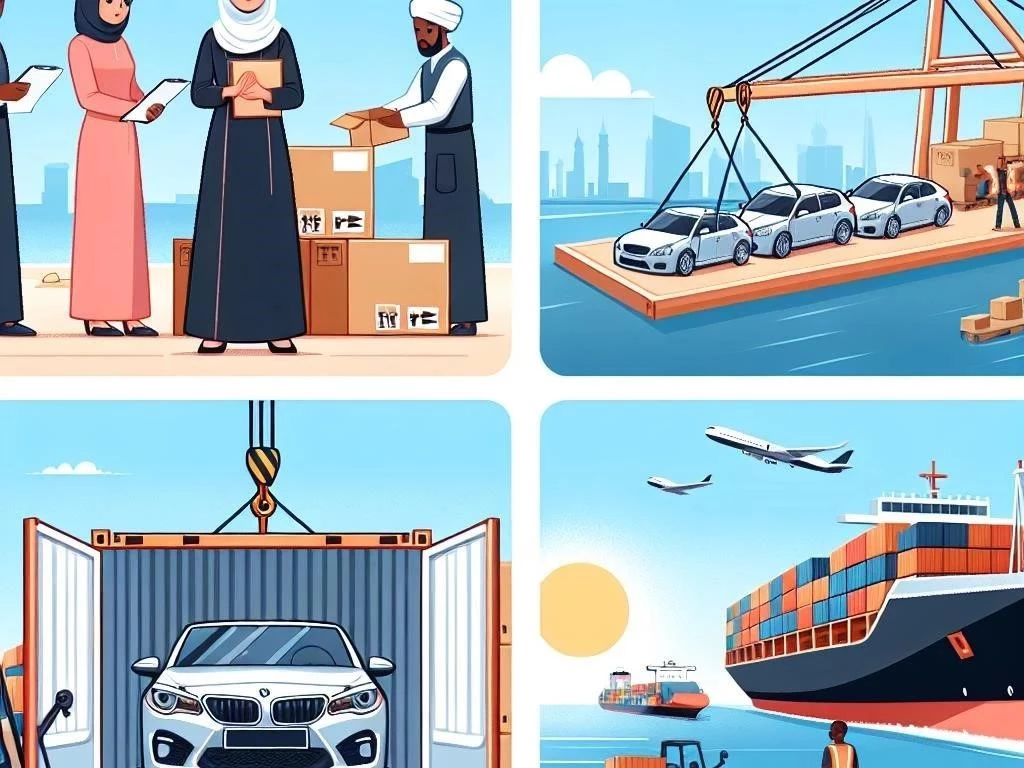
How Do You Ship a Car Overseas?
Shipping a car overseas involves selecting a reliable company, understanding shipping methods, preparing documentation, and ensuring compliance with international regulations and customs requirements.
Understanding International Shipping
International shipping is a complex process that involves transporting goods, including vehicles, across borders. It requires knowledge of various shipping regulations, customs requirements, and logistics services. Understanding the laws governing international transport is crucial for compliance. Shipping costs can vary based on destination, method, and vehicle size. Different international carriers offer diverse options, which can include container shipping or marine shipping methods. It’s essential to consider transit time and port handling procedures. Additionally, securing insurance coverage protects against potential damages during transit. Proper shipping documentation is vital for smooth customs clearance and ensuring that your vehicle reaches its destination without complications.
Types of Vehicle Transport
When shipping a car overseas, understanding the types of vehicle transport is essential. The most common methods include auto shipping, container shipping, and marine shipping. Auto shipping usually involves transporting vehicles on specialized carriers, while container shipping provides added protection by placing vehicles in a secured container. Marine shipping is often the most cost-effective method for larger shipments. Each option has its benefits, including different levels of protection, transit time, and shipping costs. Choosing the right method depends on your budget, urgency, and vehicle type. It’s crucial to evaluate all available options before making a decision to ensure a smooth shipping experience.
2.1 Auto Shipping Methods
Auto shipping methods primarily include open and enclosed transport options. Open transport is the most common and cost-effective method, where vehicles are loaded onto open trailers. Although exposed to elements, this method is generally safe and efficient for standard vehicles. Enclosed transport provides additional protection, as vehicles are shipped in closed trailers, safeguarding them from weather and debris. This option is ideal for high-value or classic cars. Additionally, some companies offer door-to-door service, delivering vehicles directly from your location to the destination. When choosing an auto shipping method, consider your vehicle’s value, urgency, and budget to ensure optimal protection during transit.
2.2 Container Shipping vs. Marine Shipping
When deciding between container shipping and marine shipping for vehicle transport, several factors come into play. Container shipping involves placing vehicles in a secure container, providing maximum protection from weather, theft, and damage during transit. This method is ideal for high-value cars or delicate models. Conversely, marine shipping typically involves transporting vehicles on roll-on/roll-off ships, where cars are driven directly onto the vessel. This method is usually more cost-effective for bulk shipments but offers less protection. Ultimately, your choice should depend on your budget, the vehicle’s value, and how much protection you desire during overseas delivery to ensure a smooth shipping experience.
The Process of Car Export
The car export process involves several essential steps to ensure a smooth overseas shipping experience. First, gather all necessary shipping documentation, including the vehicle title and bill of sale, to comply with regulations. Next, prepare your car for export by cleaning it and removing personal belongings. Choose a reputable shipping company that specializes in international shipping and understands customs clearance. Once your vehicle is loaded onto the carrier, monitor its progress during transit. After arrival, ensure that all customs requirements are met for clearance. By following these steps, you can facilitate a successful export process and ensure the safe arrival of your vehicle.
3.1 Preparing Your Vehicle for Export
Preparing your vehicle for export is a crucial step in the shipping process. Start by cleaning the car thoroughly, both inside and out, to meet customs requirements and facilitate inspections. Remove all personal items, as these may be subject to additional scrutiny during shipping. Next, check fluid levels, tire pressure, and battery condition to ensure the vehicle is in good running order. Document any existing damages with photographs for reference. Additionally, disable any alarms and ensure the fuel tank is less than a quarter full to comply with shipping regulations. Following these steps will help ensure a smooth export process and safe transport.
3.2 Important Shipping Documentation
Having the correct shipping documentation is essential for a successful vehicle export. Key documents include the vehicle title, which proves ownership, and the bill of sale, detailing the sale transaction. Additionally, you may need a notarized power of attorney if someone else is handling the shipping process on your behalf. Customs forms are also necessary to facilitate clearance at the destination port. Make sure to include a copy of your identification and any insurance documentation for added security. Proper documentation minimizes potential delays and ensures compliance with international shipping regulations, making the entire process smoother and more efficient for all parties involved.
Choosing the Right Shipping Company
Selecting the right shipping company is crucial for a successful car export experience. Start by researching reputable companies with expertise in international shipping and a strong track record. Look for online reviews and testimonials to gauge customer satisfaction. Ensure the company offers various shipping methods tailored to your needs, such as container or marine shipping. Compare quotes from different shipping companies to understand the shipping costs involved. Additionally, verify that the company provides adequate insurance coverage to protect your vehicle during transit. Finally, confirm their ability to handle customs clearance efficiently, ensuring a smooth shipping process from start to finish.
4.1 Researching Shipping Companies
Researching shipping companies is vital for ensuring a safe and efficient car export process. Begin by identifying companies specializing in international shipping and vehicle transport. Check their websites for information about services offered, transit times, and customer support. Look for industry certifications or memberships that signify credibility. Online reviews and testimonials can provide insight into other customers’ experiences. Additionally, inquire about their experience with customs clearance and any specific shipping regulations related to your destination country. Request quotes from multiple companies to compare pricing and services. Thorough research will enable you to make an informed decision, ensuring a smooth shipping experience.
4.2 Evaluating Logistics Services
Evaluating logistics services is essential when selecting a shipping company for your car export. Assess the range of services offered, including packing, loading, and transportation options. Consider whether the company provides door-to-door service, which simplifies the process by handling all logistics from your location to the destination. Investigate their experience with customs clearance, as this can significantly impact transit times. Additionally, inquire about tracking systems to monitor your vehicle’s journey. Ensure that the logistics company has a clear communication policy, allowing you to stay informed throughout the shipping process. A thorough evaluation of logistics services will lead to a smoother, more efficient shipping experience.
Understanding Shipping Costs
Understanding shipping costs is crucial when planning to export your vehicle overseas. Several factors influence these costs, including the shipping method, distance, and vehicle size. Container shipping tends to be more expensive than marine shipping due to the added protection it offers. Additionally, costs may vary depending on whether you choose door-to-door service or port-to-port shipping. Be aware of potential extra fees, such as customs duties, handling charges, and insurance coverage. Obtaining multiple quotes from different shipping companies can help you compare prices and services effectively. Knowing all potential costs upfront ensures you budget accurately for a seamless shipping experience.
5.1 Factors Affecting Shipping Costs
Several factors significantly affect shipping costs when exporting a vehicle overseas. First, the shipping method chosen—such as open transport, enclosed transport, or container shipping—can influence pricing. Distance is another critical factor; longer distances typically result in higher shipping fees. The size and weight of the vehicle also play a role, as larger or heavier vehicles incur additional costs. Additionally, the time of year can impact pricing, with peak seasons often leading to increased rates. Lastly, insurance coverage levels can affect overall costs, as higher coverage leads to higher premiums. Understanding these factors helps in budgeting for vehicle export expenses.
5.2 Insurance Coverage Options
When shipping a car overseas, understanding insurance coverage options is vital for protecting your investment. Most shipping companies offer basic coverage, which typically includes liability for damage during transit. However, this may not fully cover the vehicle’s value. Consider opting for additional insurance, which can provide comprehensive protection against theft, loss, or damage. Evaluate the different policies available, as some may cover specific risks and offer varying deductibles. Additionally, check if your current auto insurance policy extends coverage to international shipping. Choosing the right insurance option ensures peace of mind, allowing you to transport your vehicle confidently and securely across borders.
Customs Clearance and Regulations
Customs clearance and regulations are critical aspects of the vehicle export process. Each country has specific requirements for importing vehicles, including necessary documentation, taxes, and duties. To ensure compliance, research the destination country’s customs regulations thoroughly. Essential documents often include the vehicle title, bill of sale, and an import declaration form. Some countries may also require emissions testing or compliance with safety standards; Engaging a customs broker can simplify the process, as they are familiar with the regulations and can help prepare necessary paperwork. Navigating customs clearance efficiently minimizes potential delays, ensuring your vehicle arrives at its destination without complications.
6.1 Importance of Compliance with Shipping Regulations
Compliance with shipping regulations is crucial when exporting a vehicle overseas. Adhering to these regulations helps prevent legal issues, fines, or delays during the customs clearance process. Each country has specific import requirements, such as emissions standards and safety regulations, that must be met for the vehicle to enter. Failure to comply can result in the vehicle being denied entry, requiring costly returns or additional fees. Furthermore, proper documentation ensures a smoother shipping experience, minimizing potential complications. By understanding and following all relevant shipping regulations, you protect your investment and facilitate a successful vehicle export, ensuring timely arrival at its destination.
6.2 Preparing for Customs Clearance
Preparing for customs clearance is essential to ensure a smooth vehicle export process. Begin by gathering all required documentation, including the vehicle title, bill of sale, and any import permits specific to the destination country. Verify that your documents are accurate and complete, as discrepancies can lead to delays. Additionally, ensure that the vehicle meets all local regulations, such as emissions and safety standards. Engaging a customs broker can simplify this process, as they are knowledgeable about regulations and can assist in submitting the necessary paperwork. Proper preparation for customs clearance minimizes complications and ensures timely delivery of your vehicle to its destination.
Port Handling and Transit Time
Understanding port handling and transit time is crucial for a successful vehicle shipping experience. Port handling refers to the processes involved in loading and unloading vehicles at the shipping port, which can vary in efficiency based on location and shipping company. Factors such as port congestion, customs inspections, and weather conditions can affect the overall transit time. Typically, transit times range from a few weeks to over a month, depending on the destination and shipping method chosen. Planning ahead and staying informed about potential delays can help manage expectations, ensuring a smoother shipping experience for your vehicle during its journey overseas.
7.1 What to Expect During Port Handling
During port handling, several processes ensure your vehicle is safely loaded and unloaded. Initially, your vehicle will undergo an inspection for damage and compliance with shipping regulations. Once cleared, it will be securely parked in the designated area until loading. The loading process involves careful handling, with trained personnel utilizing specialized equipment to prevent damage. Expect potential delays due to congestion or customs inspections, which may require additional paperwork. After unloading at the destination port, your vehicle will again be inspected before customs clearance. Understanding these steps prepares you for the port handling process, ensuring your vehicle’s safe arrival.
7.2 Estimated Transit Time for Vehicle Transport
Estimating transit time for vehicle transport overseas involves several factors that can affect delivery speed. Generally, transit times range from two to six weeks, depending on the shipping method, distance, and destination port. For instance, container shipping may take longer than roll-on/roll-off methods due to additional loading and unloading processes. Other factors, such as weather conditions, port congestion, and customs clearance, can also influence transit times. It’s essential to consult with your shipping company for a more accurate estimate based on your specific route and circumstances. Understanding these variables helps manage expectations during the vehicle shipping process.
Car Relocation Tips
When relocating your car overseas, several tips can help ensure a smooth process. First, thoroughly research the destination country’s regulations regarding vehicle importation to avoid any surprises. Prepare your vehicle by cleaning it and documenting its condition with photos. Additionally, gather all necessary paperwork, including the title and bill of sale, to facilitate customs clearance. Choose a reliable shipping company with experience in international transport and verify their insurance coverage. Stay informed about shipping timelines and maintain communication with the shipping company throughout the process. Lastly, plan for your car’s arrival by understanding local registration and insurance requirements in the new location.
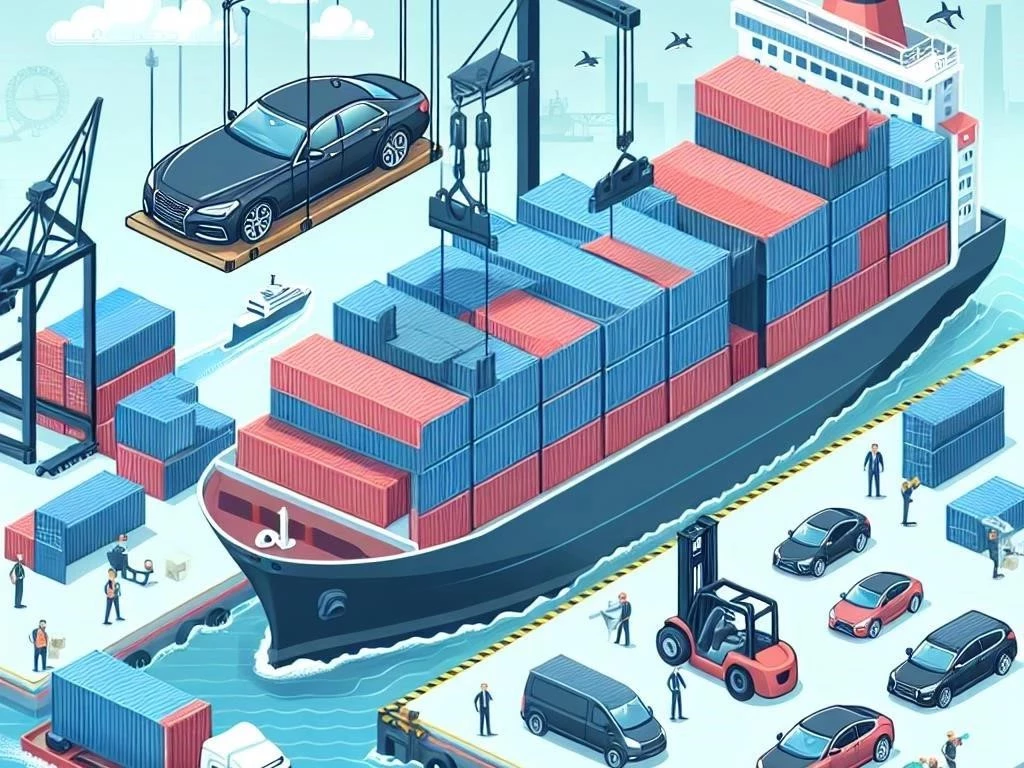
8.1 Preparing for Your Car’s Arrival
Preparing for your car’s arrival after shipping overseas involves several important steps. First, ensure that you have all necessary documentation ready, including customs clearance papers, proof of ownership, and any required import permits. Familiarize yourself with local regulations regarding vehicle registration and insurance, as these can vary significantly. Additionally, consider arranging for transportation from the port to your new location, as you may need to pick up the vehicle. Inspect the car thoroughly upon arrival to ensure it matches the condition documented before shipping. Lastly, be prepared to handle any customs duties or fees associated with the import process.
8.2 Post-Shipping Considerations
After your vehicle has been shipped overseas, several post-shipping considerations are crucial for a smooth transition. First, ensure that all necessary paperwork, including customs documents and registration forms, is in order. Check the vehicle for any damage incurred during transit, documenting any issues with photos for potential insurance claims. Familiarize yourself with local driving laws, including insurance requirements and registration procedures, to avoid legal complications. Additionally, consider scheduling a maintenance check to ensure the car is in optimal condition after shipping. Lastly, stay in touch with your shipping company for any updates or assistance related to your vehicle’s status post-delivery.
Working with International Carriers
Working with international carriers is a key component of shipping your car overseas efficiently. Start by researching carriers that specialize in vehicle transport and have a good reputation in the industry; Evaluate their shipping methods, such as container shipping or roll-on/roll-off options, to determine which best suits your needs. Ensure the carrier is well-versed in customs clearance procedures to facilitate a smooth import process. Communication is vital; maintain contact throughout the shipping process to receive updates on your vehicle’s status. Additionally, confirm they offer adequate insurance coverage, protecting your investment during transit. A reliable international carrier ensures a successful shipping experience for your vehicle.
9.1 Selecting the Right International Carrier
Selecting the right international carrier is crucial for a successful vehicle shipping experience. Start by researching carriers that specialize in auto shipping and have positive customer reviews. Compare their services, including shipping methods, transit times, and insurance options. Look for carriers with experience in customs clearance, as this will simplify the import process. Verify their credentials, such as licensing and industry affiliations, to ensure reliability. Request quotes from multiple carriers to compare pricing, but be wary of unusually low rates, which may indicate subpar service. Ultimately, choose a carrier that aligns with your needs, ensuring a safe and efficient transport for your vehicle.
9.2 Understanding Their Role in Vehicle Logistics
Understanding the role of international carriers in vehicle logistics is essential for a successful shipping experience. These carriers manage the entire transportation process, from pickup at your location to delivery at the destination. They coordinate shipping methods, ensuring the vehicle is securely loaded and transported, whether by sea or land. Additionally, carriers handle customs documentation, making the process smoother and more efficient. They also provide tracking services, allowing you to monitor your vehicle’s journey in real-time. Ultimately, international carriers serve as key players in logistics, ensuring your vehicle reaches its destination safely and on time while adhering to all regulations.
