







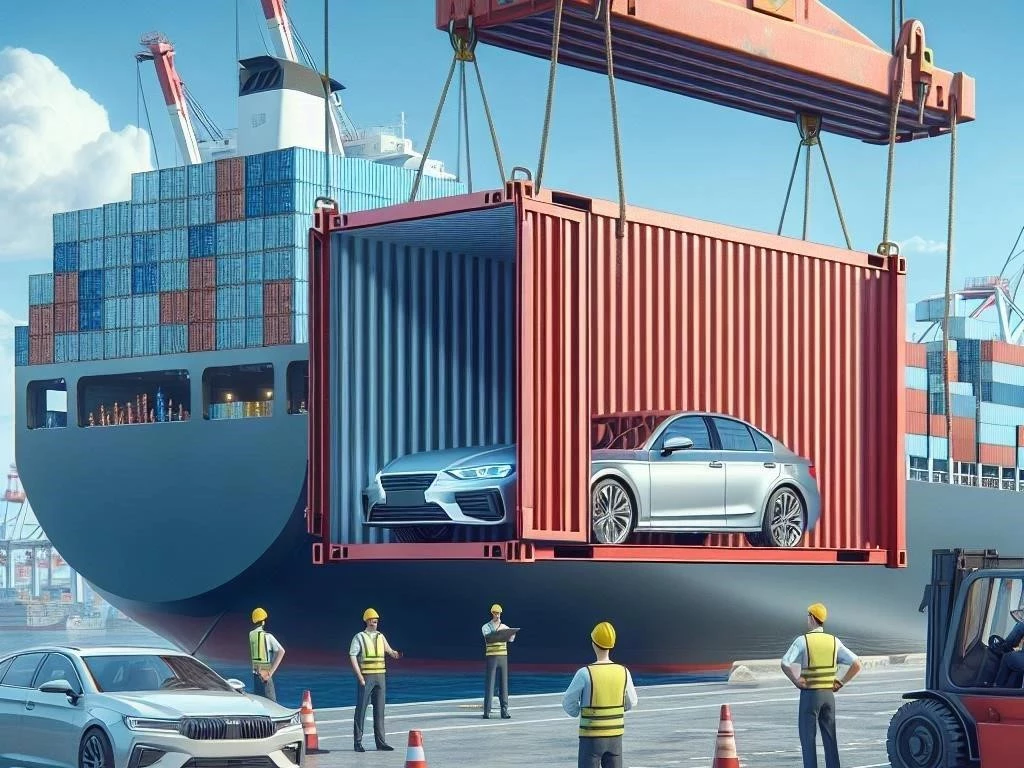
How Do You Ship a Car Across Country?
Shipping a car across country involves selecting a transport company, choosing between open or enclosed transport, and understanding the shipping process and costs involved.
Understanding Car Transport Options
When considering car transport options for shipping your vehicle across the country, it’s essential to understand the various methods available. The two primary options are open transport and enclosed transport. Open transport involves loading vehicles onto a trailer that is exposed to the elements, making it a more cost-effective choice. Conversely, enclosed transport provides protection from weather and road debris, ideal for high-value or classic cars. Additionally, you can choose door-to-door service or terminal-to-terminal service, each with its own benefits. Researching different auto transport services will help you determine the best method for your needs. Compare car shipping quotes and evaluate transport companies based on their reputation and reliability to ensure a smooth auto shipping process.
What is Vehicle Shipping?
Vehicle shipping refers to the process of transporting a car from one location to another, often across long distances. This service is essential for individuals relocating, purchasing vehicles online, or sending cars to family or friends. The vehicle shipping process typically involves selecting a transport company that specializes in auto transport services. Once a company is chosen, customers can decide between different shipping options, including open or enclosed transport. Vehicle shipping includes steps like obtaining car shipping quotes, scheduling the pickup, and ensuring the vehicle is prepared for loading. Understanding the auto shipping process helps customers navigate the logistics and make informed decisions regarding their vehicle’s safe and timely delivery to its destination.
The Importance of Auto Transport Services
Auto transport services play a crucial role in simplifying the process of shipping a vehicle across the country. These services provide expertise in vehicle logistics, ensuring that your car reaches its destination safely and efficiently. By utilizing professional car movers, customers can avoid the complexities of long-distance travel and the associated wear and tear on their vehicles. Furthermore, auto transport companies offer various shipping options tailored to different needs, including open and enclosed transport methods. This flexibility allows customers to choose the best solution based on their budget and vehicle type. Additionally, reputable transport companies handle all necessary paperwork and provide insurance coverage, giving customers peace of mind during the vehicle relocation process.
Choosing the Right Method for Long-Distance Car Shipping
Selecting the appropriate method for long-distance car shipping involves evaluating your vehicle’s needs, budget, and desired level of protection during transportation.
Open Transport vs. Enclosed Transport
When choosing between open transport and enclosed transport for shipping a car across the country, understanding the differences is vital. Open transport involves loading vehicles onto an open trailer, exposing them to weather conditions and road debris. This option is generally more affordable and commonly used for standard vehicles. Conversely, enclosed transport provides a protective environment for your car, shielding it from external elements. This method is ideal for high-value, classic, or luxury cars, ensuring maximum safety during transit. While enclosed transport typically incurs higher shipping costs, the added protection may justify the expense for certain vehicles. Consider your budget, vehicle type, and desired level of protection when deciding which transport method best suits your needs.
Pros and Cons of Open Transport
Open transport offers several advantages and disadvantages for shipping a car across the country. One significant benefit is cost-effectiveness, as it is generally cheaper than enclosed transport. This option is widely available and can accommodate multiple vehicles, increasing efficiency. Additionally, open transport is ideal for standard cars, making it a popular choice among many customers. However, there are downsides to consider. Vehicles are exposed to weather conditions, dirt, and debris during transit, which may lead to minor damage or soiling. Moreover, if your car is a high-value or luxury model, the lack of protection may not be suitable. Weighing these pros and cons will help you determine if open transport aligns with your shipping needs and vehicle type;
Advantages of Enclosed Transport
Enclosed transport offers several advantages for those shipping a car across the country, particularly for high-value or classic vehicles. One of the primary benefits is the enhanced protection it provides against environmental factors such as rain, snow, and debris. This shielding minimizes the risk of damage during transit, ensuring your vehicle arrives in pristine condition. Additionally, enclosed transport offers a secure environment, which is especially important for luxury cars that require extra care. The transportation process is also typically more controlled, giving customers peace of mind. Moreover, many enclosed transport carriers are equipped with specialized loading and unloading techniques, further protecting vehicles. Overall, choosing enclosed transport can be a wise investment for those prioritizing safety and condition during shipping.
The Auto Shipping Process
The auto shipping process involves several key steps, including obtaining quotes, preparing the vehicle, scheduling pickup, and ensuring safe delivery to the destination.
Preparing Your Vehicle for Shipping
Preparing your vehicle for shipping is essential to ensure a smooth transportation process. Start by cleaning your car thoroughly, both inside and out, to help inspect for any existing damage. Take detailed photographs of your vehicle from various angles, documenting its condition before transport. Next, remove any personal belongings, as transport companies typically prohibit items inside the vehicle. It’s also crucial to check fluid levels, tire pressure, and battery health to avoid any issues during transit. Additionally, disable any alarm systems and ensure that your gas tank is only one-quarter full, which helps reduce weight. Finally, provide the transport company with any necessary paperwork, such as registration and insurance information, to facilitate a seamless shipping experience.
Understanding Car Freight Logistics
Understanding car freight logistics is crucial when shipping a vehicle across the country. This process involves the coordination of various transportation elements to ensure safe and timely delivery. First, it’s essential to choose a reliable transport company that specializes in auto shipping. They will manage the logistics, including scheduling pick-up and delivery times, selecting appropriate transport methods, and tracking your vehicle during transit. Additionally, understanding the route and potential challenges, such as weather conditions or road construction, can help in planning. The logistics also encompass insurance coverage for your vehicle during shipping, providing peace of mind. Overall, grasping the intricacies of car freight logistics enables customers to make informed decisions, ensuring a seamless shipping experience for their vehicles.
Finding a Reliable Transport Company
Finding a reliable transport company is vital for successfully shipping a car across the country. Start by conducting thorough research online, focusing on companies with a strong reputation in auto transport services. Read customer reviews and testimonials to gauge their reliability and service quality. Additionally, check for proper licensing and insurance to ensure compliance with industry regulations. Request car shipping quotes from multiple companies to compare pricing, services, and delivery timelines. It’s also beneficial to ask about their experience with your specific vehicle type, whether it’s a standard car or a luxury model. Finally, communicate directly with potential transport companies to address any questions or concerns, ensuring you choose a trustworthy partner for your vehicle shipping needs.
Getting Car Shipping Quotes
Obtaining car shipping quotes involves contacting different transport companies, providing necessary vehicle details, and comparing prices, services, and delivery timelines for informed decision-making.
Factors Influencing Shipping Costs
Several factors influence shipping costs when transporting a car across the country. Firstly, the distance between the pickup and delivery locations plays a significant role; longer distances typically incur higher fees. The type of transport selected, whether open or enclosed, also impacts pricing, with enclosed transport generally being more expensive due to its protective features. Additionally, the size and weight of the vehicle can affect costs, as larger or heavier cars may require specialized equipment. Seasonal demand fluctuations can also influence pricing, with peak times often resulting in higher rates. Finally, any additional services, such as expedited shipping or door-to-door service, may increase overall costs. Understanding these factors can help you budget effectively for your vehicle shipment.
How to Compare Car Shipping Quotes
Comparing car shipping quotes is essential for making an informed decision when transporting a vehicle. Start by gathering quotes from multiple transport companies to ensure a comprehensive overview of options. Pay attention to the details included in each quote, such as transport method, estimated delivery time, and insurance coverage. Evaluate the reputation of each company, looking for customer reviews and ratings to assess reliability and service quality. Additionally, consider any hidden fees that may not be included in the initial quote, such as fuel surcharges or terminal handling charges. Finally, weigh the overall value of services offered rather than simply choosing the lowest price. This thorough evaluation will enable you to select the best car shipping option for your needs.
Interstate Vehicle Shipping and Vehicle Relocation
Interstate vehicle shipping involves transporting cars across state lines, requiring careful planning, coordination, and understanding of regulations to ensure a successful relocation experience.
What to Expect During Car Delivery
During car delivery, you can expect a few key steps to ensure a smooth process. The transport company will typically contact you in advance to confirm the delivery schedule and provide an estimated arrival time. Upon arrival, the driver will conduct a thorough inspection of your vehicle, comparing its condition to the documentation provided before shipping. It’s crucial to be present during delivery to review the vehicle’s condition and address any concerns immediately. You should also verify that all personal items have been removed, as transport companies often discourage leaving belongings in the car. Finally, you’ll need to sign the delivery paperwork, confirming receipt and satisfaction with the vehicle’s condition, completing the shipping process and ensuring a successful vehicle relocation experience.
The Role of Car Movers in Vehicle Relocation
Car movers play a crucial role in the vehicle relocation process, ensuring a seamless and efficient transportation experience. These professionals specialize in auto transport, handling the logistics of shipping vehicles across long distances. Their expertise allows them to select the best transport methods, whether open or enclosed, based on the vehicle type and customer preferences. Car movers also manage necessary documentation, ensuring compliance with regulations and providing customers with peace of mind. They coordinate pickup and delivery schedules, keeping clients informed throughout the process. Additionally, car movers conduct thorough inspections before and after transport, documenting vehicle conditions and addressing any concerns that may arise. Ultimately, their knowledge and experience contribute to a smooth vehicle relocation, making the shipping process less stressful for customers;
Understanding the Car Carrier Options
Understanding car carrier options involves recognizing the differences between open and enclosed transport, ensuring you select the most suitable method for your vehicle’s needs.
Types of Car Carriers Available
When shipping a car across the country, understanding the types of car carriers available is essential for selecting the right option. The most common are open carriers, which transport multiple vehicles on an open trailer. This method is cost-effective and suitable for standard vehicles, but it exposes cars to potential weather and road debris. Enclosed carriers, on the other hand, provide a protective environment, shielding vehicles from external elements. This option is ideal for high-value, classic, or luxury cars, ensuring maximum safety during transit. Additionally, specialized carriers may be available, accommodating unique vehicle types, such as oversized or non-operational cars. Ultimately, your choice of carrier should reflect your vehicle’s value, condition, and your budgetary constraints for shipping.
Tips for Choosing the Right Car Carrier
Choosing the right car carrier is essential for ensuring a successful vehicle shipping experience. Start by researching various transport companies, focusing on those with positive customer reviews and a solid reputation in the industry. Verify their licensing and insurance to ensure compliance with regulations, which adds a layer of protection for your vehicle. Ask for detailed quotes that outline services provided, including transport method and delivery timeframes. Consider your vehicle’s specific needs, such as whether you require open or enclosed transport. Additionally, communicate directly with the carrier to address any questions or concerns. Finally, choose a company that offers tracking services, allowing you to monitor your vehicle’s journey, which enhances your peace of mind during the shipping process.

Final Thoughts on Freight Shipping for Cars
Freight shipping for cars requires thorough planning, understanding available options, and selecting a reliable transport company to ensure a smooth and successful shipping experience.
