







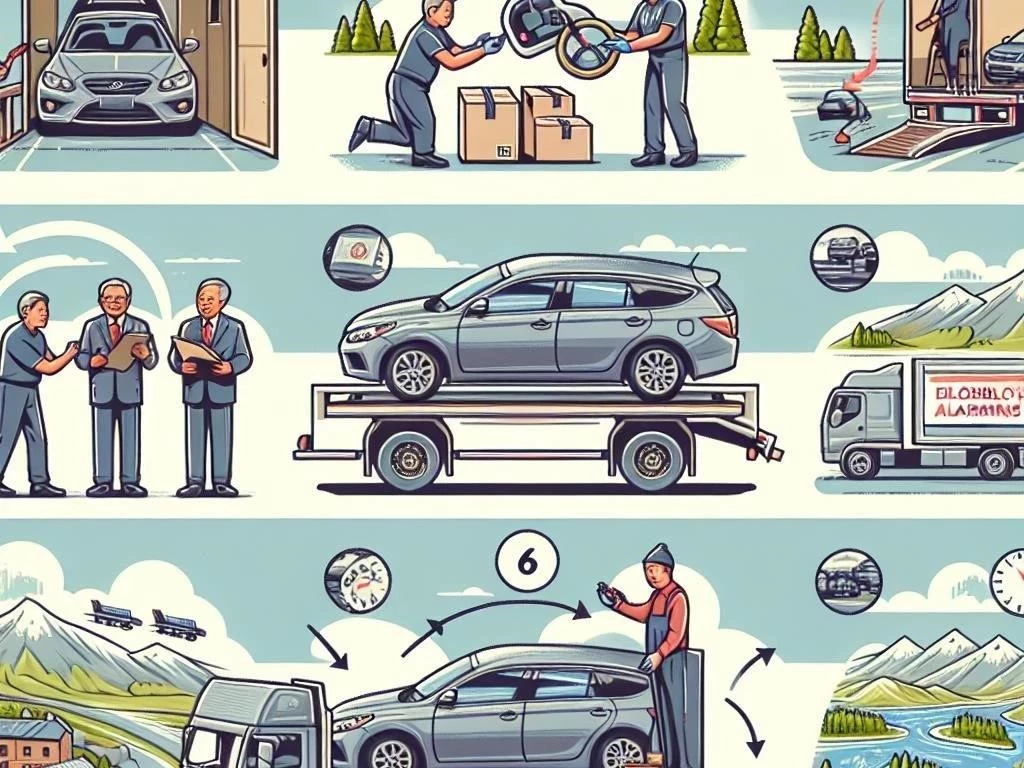
How Do I Ship My Car Across Country?
To ship your car across country‚ research vehicle shipping companies‚ compare auto transport options‚ and choose reliable car carriers for your specific needs.
Car shipping involves transporting vehicles over distances. Understanding its process‚ logistics‚ and available options ensures a smooth experience for your vehicle relocation needs.
1.1 What is Car Shipping?
Car shipping is the process of transporting vehicles from one location to another‚ often over long distances‚ such as across the country. This service is essential for individuals moving‚ buying‚ or selling vehicles. Auto transport services provide various options‚ including open transport and enclosed transport‚ to accommodate different needs. Vehicle relocation can be complex‚ requiring coordination with logistics and car carriers. Consumers can choose from several vehicle shipping companies‚ each offering a range of freight services. Shipping costs can vary based on factors like distance‚ vehicle type‚ and transportation method. Understanding this process is crucial for a successful vehicle shipping experience.
1.2 Importance of Vehicle Relocation
Vehicle relocation is crucial for various reasons‚ including job transfers‚ college enrollment‚ or relocating to a new city. Shipping your car ensures you have reliable transportation upon arrival at your destination. Long-distance car transport services simplify the process‚ allowing you to focus on settling in. By utilizing auto transport options‚ such as enclosed or open transport‚ you can select a method that suits your needs and budget. Additionally‚ professional vehicle shipping companies offer shipping insurance‚ providing peace of mind during transit. Overall‚ efficient vehicle relocation supports a seamless transition‚ helping you adapt quickly to your new environment without transportation challenges.
Understanding Auto Transport
Auto transport involves the logistics of moving vehicles efficiently. Familiarizing yourself with various shipping services helps ensure a smooth experience during your relocation process.
2.1 Types of Auto Transport Services
There are several types of auto transport services available for vehicle shipping. The most common options include open transport and enclosed transport. Open transport involves transporting vehicles on open trailers‚ accommodating multiple cars‚ and typically offering lower shipping costs. Conversely‚ enclosed transport provides additional protection by placing vehicles within a covered trailer‚ shielding them from external elements during transit‚ which is ideal for luxury or classic cars. Additionally‚ door-to-door service can be arranged for convenience‚ allowing for pickup and delivery at specific locations. Understanding these transport options helps individuals choose the best service tailored to their vehicle’s needs and budget.
2.2 Freight Services in Car Shipping
Freight services play a vital role in car shipping‚ enabling the efficient transport of vehicles across long distances. These services involve various shipping methods‚ such as open and enclosed transport‚ allowing customers to choose according to their needs and budget. Vehicle shipping companies often partner with reliable car carriers to ensure timely and safe delivery. Additionally‚ freight services may include tracking options‚ providing peace of mind during transit. When selecting a freight service‚ consider factors like shipping costs‚ insurance coverage‚ and customer reviews. Understanding freight services helps individuals make informed decisions regarding their vehicle relocation requirements effectively.
Choosing the Right Transport Options
Selecting the right transport options is crucial for your vehicle shipping experience. Consider factors like cost‚ vehicle type‚ and desired protection during transit.
3.1 Open Transport vs Enclosed Transport
When choosing between open transport and enclosed transport for shipping your car‚ consider your vehicle’s needs and budget. Open transport is typically more cost-effective‚ accommodating multiple vehicles on open trailers exposed to the elements. This method suits standard cars and everyday vehicles. In contrast‚ enclosed transport offers enhanced protection‚ shielding your vehicle from weather‚ road debris‚ and potential damage during transit. This option is ideal for luxury‚ classic‚ or high-value vehicles‚ albeit at a higher cost. Evaluating the pros and cons of each transport method allows you to select the best solution for your specific vehicle shipping requirements.
3.2 Benefits of Each Transport Method
Both open and enclosed transport methods offer unique benefits for vehicle shipping. Open transport is generally more affordable‚ making it a popular choice for individuals shipping standard vehicles. It allows for quicker shipping schedules due to higher capacity and availability of car carriers. Conversely‚ enclosed transport provides superior protection‚ safeguarding cars from weather elements and road hazards. This method is particularly beneficial for high-value‚ classic‚ or luxury vehicles‚ minimizing the risk of damage during transit. Understanding the advantages of each method helps you make an informed decision based on your vehicle’s type‚ value‚ and your budgetary constraints.
Factors Affecting Shipping Costs
Shipping costs are influenced by various factors‚ including distance‚ vehicle type‚ transport method‚ seasonality‚ and additional services such as insurance and tracking options.
4.1 Distance and Route Considerations
Distance and route considerations significantly impact shipping costs and logistics for vehicle transportation. Longer distances typically result in higher shipping costs due to fuel and labor expenses. Additionally‚ the specific route taken can influence transit time and pricing; routes with heavy traffic or challenging terrains may incur additional fees. Seasonal factors‚ such as weather conditions‚ can also affect the choice of routes‚ necessitating extra precautions. It is essential to discuss potential routes with your chosen vehicle shipping company to understand their strategies for efficiency and safety. Evaluating these factors helps ensure a smooth and cost-effective vehicle relocation experience.
4.2 Vehicle Type and Condition
The type and condition of your vehicle significantly influence shipping costs and options. Standard vehicles‚ such as sedans or SUVs‚ typically incur lower transport fees compared to luxury or classic cars‚ which often require specialized handling and enclosed transport for added protection. Additionally‚ vehicles in poor condition may need special consideration‚ such as winching or modifications for loading. The weight of the vehicle also affects shipping costs‚ as heavier cars increase fuel consumption for carriers. When obtaining auto shipping quotes‚ it’s essential to accurately represent your vehicle’s type and condition to ensure appropriate coverage‚ protection‚ and pricing for your transport needs.
4;3 Seasonal Demand and Pricing
Seasonal demand significantly affects vehicle shipping pricing and availability. During peak seasons‚ such as summer and holidays‚ the demand for auto transport services increases‚ often resulting in higher shipping costs. Many individuals relocate during these times‚ leading to limited carrier availability and longer wait times. Conversely‚ off-peak seasons may offer lower prices and more flexible scheduling options. It’s crucial to plan your vehicle shipping during off-peak times if possible‚ as this can lead to cost savings. Additionally‚ staying informed about market trends and fluctuations in shipping demand can help you make better decisions regarding your vehicle relocation needs.
How to Get Auto Shipping Quotes
Obtaining auto shipping quotes involves researching vehicle shipping companies‚ providing accurate vehicle details‚ and comparing multiple quotes to find the best service options available.
5.1 Researching Vehicle Shipping Companies
Researching vehicle shipping companies is a crucial step in ensuring a smooth auto transport experience. Start by looking for reputable companies with positive customer reviews and testimonials. Verify their credentials‚ such as licenses and insurance‚ to ensure they meet industry standards. Additionally‚ consider the range of services offered‚ including open and enclosed transport options. Contact multiple companies to request quotes‚ ensuring you provide accurate details about your vehicle and shipping needs. This allows for a more precise comparison of prices and services. Ultimately‚ thorough research helps you select a reliable shipping company that aligns with your budget and requirements for vehicle relocation.
5.2 Comparing Quotes and Services
Comparing quotes and services is essential when selecting the best vehicle shipping option for your needs. Begin by gathering quotes from multiple shipping companies‚ ensuring each quote includes detailed information about pricing‚ transport methods‚ and any additional fees. Analyze the services provided‚ such as shipping insurance‚ tracking options‚ and pickup/delivery times. Consider factors like customer service reputation and experience in the industry‚ as these can impact your overall experience. Additionally‚ pay attention to any cancellation policies or guarantees offered. By thoroughly comparing quotes and services‚ you can make an informed decision that balances cost‚ reliability‚ and quality for your vehicle relocation.
The Logistics of Interstate Shipping
Understanding the logistics of interstate shipping involves coordinating schedules‚ selecting transport methods‚ and ensuring compliance with regulations for safe and efficient vehicle transportation.
6.1 Understanding the Interstate Shipping Process
The interstate shipping process involves several key steps to ensure a smooth vehicle transport experience. First‚ choose a reliable vehicle shipping company with experience in interstate logistics. Next‚ provide details about your vehicle‚ including its make‚ model‚ and condition‚ while also specifying pickup and delivery locations. The shipping company will then provide a quote based on these factors. Once you agree to the terms‚ the company will schedule pickup and transport your vehicle across state lines. During transit‚ you can track your vehicle’s progress through the carrier’s tracking system‚ ensuring peace of mind until delivery at the specified destination.
6.2 Documentation Required for Vehicle Shipping
Proper documentation is essential for a successful vehicle shipping process. First‚ you will need a valid government-issued ID‚ such as a driver’s license‚ to verify your identity. Next‚ prepare a copy of your vehicle’s registration and proof of ownership‚ such as the title‚ to ensure legal compliance during transport. If applicable‚ provide any specific documents related to your vehicle’s condition‚ like repair records. Additionally‚ consider obtaining shipping insurance documentation‚ which protects your investment during transit. Finally‚ keep a copy of the shipping contract or agreement‚ outlining the terms and conditions‚ to ensure clarity throughout the entire shipping process.
Preparing Your Car for Long-Distance Car Transport
Preparing your car for long-distance transport involves cleaning‚ inspecting for damage‚ removing personal items‚ and ensuring proper maintenance for a smooth shipping experience.
7.1 Cleaning and Inspecting Your Vehicle
Cleaning and inspecting your vehicle before long-distance transport is essential for ensuring a smooth shipping experience. Begin by washing the exterior to remove dirt and debris‚ allowing for a clear view of any pre-existing damage. After cleaning‚ conduct a thorough inspection‚ documenting any scratches‚ dents‚ or other imperfections with photographs. This documentation will be beneficial if you need to file a claim for damages during transit. Additionally‚ check fluid levels‚ tire pressure‚ and battery condition to ensure your vehicle is in good working order. A well-prepared car minimizes potential issues and helps ensure that your vehicle arrives safely at its destination.
7.2 Removing Personal Items
Removing personal items from your vehicle before long-distance transport is crucial for several reasons. First‚ most vehicle shipping companies recommend emptying the car to prevent loss or damage during transit. Personal belongings can shift during transport‚ potentially causing damage to your vehicle or items themselves. Additionally‚ shipping companies typically do not insure personal items left in the vehicle‚ meaning you could be responsible for any losses. Furthermore‚ removing valuables ensures compliance with shipping regulations‚ as many carriers have policies against transporting personal belongings; Before handing over your car‚ thoroughly check all compartments‚ including the trunk‚ glove box‚ and under seats‚ ensuring nothing is overlooked.
The Role of Car Carriers in Vehicle Shipping
Car carriers play a vital role in vehicle shipping‚ ensuring safe transport of automobiles‚ providing necessary equipment‚ and maintaining schedules for efficient delivery across distances.
8.1 Types of Car Carriers
There are primarily two types of car carriers used for transporting vehicles: open carriers and enclosed carriers. Open carriers are the most common‚ featuring multiple levels that can transport several vehicles at once‚ making them a cost-effective option for standard cars. However‚ vehicles are exposed to the elements during transit. Enclosed carriers‚ on the other hand‚ provide a protective environment‚ shielding vehicles from weather and road debris. This option is ideal for luxury‚ classic‚ or high-value cars but typically comes at a higher cost. Understanding the differences between these carrier types helps you choose the best option for your vehicle shipping needs.
8.2 How Car Carriers Operate
Car carriers operate by following a systematic process to ensure safe and efficient vehicle transportation. Once a shipping order is placed‚ the carrier schedules a pickup time and location. Upon arrival‚ the carrier inspects the vehicle‚ documenting its condition before loading it onto the transport. For open carriers‚ vehicles are typically driven onto the platform‚ while enclosed carriers may use ramps or lifts for loading. The carrier then secures the vehicles with straps or chains to prevent movement during transit. Throughout the journey‚ the carrier monitors the route‚ ensuring timely delivery to the destination while adhering to safety regulations and best practices.
Insurance and Liability in Car Shipping
Understanding insurance and liability in car shipping is essential for protecting your vehicle during transport‚ covering potential damages‚ and ensuring peace of mind throughout the process.
9.1 Importance of Shipping Insurance
Shipping insurance is crucial for safeguarding your vehicle during transport‚ providing financial protection against potential damages or losses. While most vehicle shipping companies offer basic liability coverage‚ this may not fully cover the value of your car‚ especially in the event of accidents or unforeseen incidents. Obtaining additional shipping insurance ensures that you are compensated adequately should any damage occur during transit. It’s essential to review the terms and conditions of the insurance policy‚ including coverage limits and exclusions. By investing in shipping insurance‚ you gain peace of mind‚ knowing your vehicle is protected throughout its journey to the destination.
9.2 What to Look for in Insurance Coverage
When selecting insurance coverage for vehicle shipping‚ consider several key factors to ensure adequate protection. First‚ assess the coverage limits‚ ensuring they reflect the full value of your vehicle. Look for provisions that cover damage during loading and unloading‚ as these are common risk points. Additionally‚ review the policy for exclusions and limitations‚ such as specific types of damage or conditions under which claims are denied. Check for deductibles‚ as lower deductibles generally provide better financial protection. Lastly‚ confirm that the shipping company carries sufficient liability insurance‚ and ensure your coverage complements their existing policy for comprehensive protection.
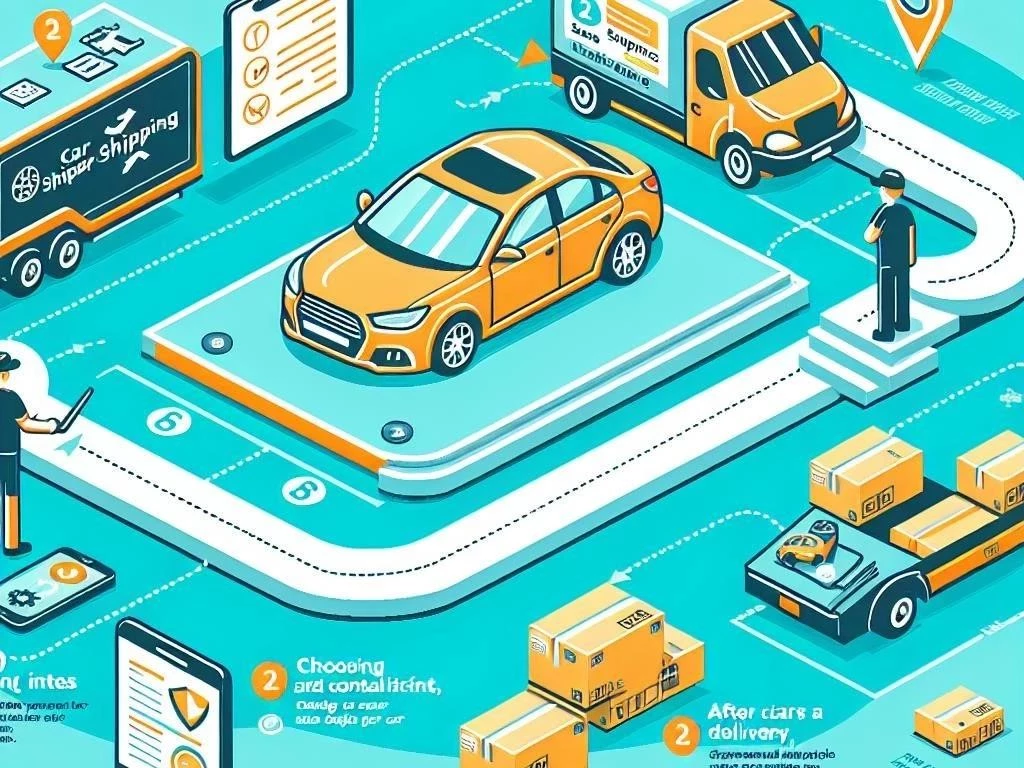
Tracking Your Car During Cross-Country Transport
Tracking your car during cross-country transport provides reassurance‚ allowing you to monitor its location‚ estimated arrival time‚ and any potential delays throughout the journey.
10.1 Tracking Options Offered by Shipping Services
Shipping services typically offer various tracking options to keep customers informed about their vehicle’s journey. Most reputable vehicle shipping companies provide online tracking systems‚ allowing you to log in and view real-time updates on your car’s location. Some carriers may also offer mobile apps for convenient tracking via smartphones‚ enabling you to access information on the go. Additionally‚ many companies provide regular updates through email or SMS notifications‚ informing you of significant milestones during transit‚ such as pickup and delivery confirmations. By utilizing these tracking options‚ you can stay connected and reassured about your vehicle’s safe journey across the country.
10.2 What to Do If Your Car is Delayed
If your car is delayed during cross-country transport‚ the first step is to contact the shipping company for updates. Inquire about the reasons for the delay and the estimated time of arrival. Most reputable companies will provide information regarding any unforeseen circumstances‚ such as weather issues or traffic delays. Stay calm and maintain communication with the carrier‚ as they may offer solutions or compensation depending on the situation. Additionally‚ keep records of all communications and any agreements made. If the delay extends significantly beyond the original timeframe‚ consider discussing options for adjusting your delivery plans or seeking reimbursement for potential inconveniences.
Receiving Your Car: What to Expect
When receiving your car‚ expect to conduct an inspection‚ finalize payment‚ review documentation‚ and ensure your vehicle is in the same condition as prior transport.
11.1 Inspection Upon Delivery
Upon delivery‚ conducting a thorough inspection of your vehicle is crucial to ensure it has arrived in the expected condition. Begin by examining the exterior for any new scratches‚ dents‚ or damage that may have occurred during transport. Next‚ check the interior for any signs of tampering or missing personal items. Take note of the vehicle’s overall functionality‚ including starting the engine and testing lights‚ brakes‚ and other essential systems. Document any discrepancies by taking photographs and noting them down. If you identify any issues‚ report them immediately to the shipping company to initiate the claims process for damages.
11.2 Finalizing Payment and Documentation
Finalizing payment and documentation is a critical step upon receiving your vehicle after transport. Ensure that you have all necessary paperwork‚ including the shipping contract‚ bill of lading‚ and any insurance documents. Review these documents for accuracy‚ confirming that the details match your vehicle and the agreed-upon terms. Payment is typically required upon delivery‚ so be prepared with your preferred payment method‚ whether cash‚ credit card‚ or other agreed options. After completing the payment‚ retain copies of all documents for your records. This paperwork will be essential for any future claims or reference regarding your vehicle’s shipping experience.
