







How Can I Ship a Car?
Shipping a car involves selecting suitable car transport services, comparing auto shipping rates, and understanding the logistics involved in vehicle delivery and ensuring proper insurance coverage.
Understanding Car Shipping
Car shipping refers to the process of transporting a vehicle from one location to another, whether domestically or internationally. This process involves various methods and options, allowing customers to choose what best fits their needs. When considering vehicle transport, it’s essential to understand the differences between open car transport and enclosed car shipping. Open transport is typically more affordable but leaves the vehicle exposed to the elements, while enclosed shipping offers added protection for high-value or classic cars. Familiarizing yourself with the auto shipping process and car logistics will help streamline your experience. It’s also vital to compare shipping quotes from different auto transport companies to find the best rates. Additionally, knowing the car shipment cost and insurance options can further ensure a smooth vehicle delivery experience.
Types of Vehicle Transport
When it comes to shipping a vehicle, understanding the available types of vehicle transport is crucial. The two main categories are open car transport and enclosed car shipping. Open car transport is the most common and cost-effective option, where vehicles are loaded onto a carrier without any protective covering. This method is suitable for standard vehicles and is often used for cross-country car shipping. On the other hand, enclosed car shipping provides an extra layer of protection, making it ideal for luxury, classic, or exotic cars. This method shields vehicles from weather elements and road debris. Additionally, international car shipping may involve different regulations and services, which can vary by destination. Evaluating the best option depends on your vehicle type, budget, and shipping requirements.
2.1 Open Car Transport
Open car transport is a popular method for shipping vehicles across various distances. This method involves loading cars onto an open trailer, where they are securely fastened for the journey. One of the main advantages of open transport is its cost-effectiveness, making it an appealing choice for many vehicle owners. It is particularly suitable for standard vehicles, such as sedans and SUVs, which do not require special protection. However, it’s important to note that open car transport exposes vehicles to weather conditions and road debris, which can potentially lead to minor damage. Despite this risk, many auto transport companies offer reliable services with experienced drivers. When considering open car transport, it’s essential to compare shipping quotes and ensure that the carrier provides adequate insurance coverage for your vehicle during transit.
2.2 Enclosed Car Shipping
Enclosed car shipping is a premium method of transporting vehicles that offers superior protection compared to open transport. This service involves placing vehicles inside a fully enclosed trailer, safeguarding them against environmental elements, debris, and potential damage during transit. Enclosed shipping is particularly recommended for luxury, classic, or exotic cars, where maintaining pristine condition is essential. Although the cost of enclosed car shipping is generally higher than the open transport option, many owners find the added peace of mind and protection worth the investment. When selecting an auto transport company for this service, it’s crucial to inquire about their experience and the type of trailers they use. Additionally, understanding the insurance coverage offered during the shipping process can help ensure your vehicle is adequately protected throughout its journey.
Reasons for Shipping a Vehicle
There are several reasons why individuals or businesses may need to ship a vehicle. One common reason is relocation; when people move to a new city or state, shipping their car can save time and hassle compared to driving it themselves. Another reason is purchasing a vehicle from a distant location; many buyers opt for auto shipping to receive their newly acquired cars without traveling. For businesses, shipping vehicles can be essential for maintaining inventory or delivering fleet cars to various locations. Additionally, seasonal changes may prompt vehicle relocation, such as moving classic cars to warmer climates during winter months. Finally, participating in car shows or exhibitions often requires shipping vehicles to different venues. Understanding these reasons can help make informed decisions regarding car transport services.
Steps to Prepare for Car Shipping
Preparing your vehicle for shipping is essential to ensure a smooth process and minimize any potential issues. Start by cleaning your car thoroughly, both inside and out, as this will help you inspect its condition before shipping. Next, document your vehicle’s condition with clear photographs, capturing all angles and any existing damage. This documentation will be useful in case of disputes regarding damage during transit. Additionally, remove all personal items from the car, as these can be lost or damaged during shipping. It’s also wise to check the fluid levels, tire pressure, and battery condition, ensuring your vehicle is ready for transport. Finally, gather all necessary paperwork, including registration and insurance, which may be required by the auto transport company during the car transport process.
4.1 Cleaning Your Car
Cleaning your car before shipping is a crucial step that can significantly impact the overall process. A thorough wash ensures that any dirt, grime, or debris is removed, making it easier to inspect your vehicle for existing damage. Start with the exterior by washing the body, windows, and wheels, paying special attention to any nooks and crannies where dirt may accumulate. You may also consider waxing the car to protect the paint during transport. After cleaning the outside, focus on the interior by vacuuming and removing any personal items. This not only helps in maintaining the vehicle’s condition but also prevents any belongings from getting lost or damaged during shipping. Ultimately, a clean car allows for accurate documentation of its condition, fostering a smoother shipping experience with transport companies.
4.2 Documenting Vehicle Condition
Documenting your vehicle’s condition before shipping is a vital step that protects you during transport. Begin by taking detailed photographs of your car from multiple angles, capturing both the exterior and interior. Focus on any existing scratches, dents, or imperfections, as this documentation serves as evidence of the car’s pre-shipment status. Make sure to note any specific areas of concern, such as rust spots or mechanical issues. Additionally, you should keep a written record of your car’s mileage and any modifications made to it. This information will be essential if you need to file a claim or dispute any damages that may occur during transport. Sharing this documentation with the auto transport company ensures transparency and allows both parties to agree on the vehicle’s condition before it is shipped.
4.3 Removing Personal Items
Removing personal items from your vehicle is a crucial step in preparing for car shipping. Many auto transport companies have specific policies regarding the transportation of personal belongings, often advising against leaving items inside the car. This is primarily to prevent loss, theft, or damage during transit. Before shipping your vehicle, thoroughly inspect the interior and remove all personal items, including clothing, documents, and electronic devices. Additionally, clear out any valuable items, such as GPS units or chargers, as these can be susceptible to damage or theft. It’s important to check compartments, glove boxes, and trunk spaces to ensure nothing is overlooked. By removing personal items, you not only comply with transport company guidelines but also mitigate the risk of complications during the car transport process, ensuring a smoother experience overall.

Choosing Auto Transport Companies
Selecting the right auto transport company is essential for a successful vehicle shipping experience. Start by researching various auto transport companies to understand their services, reputation, and industry experience; Look for companies with positive customer reviews and ratings, as this can provide insight into their reliability and professionalism. Additionally, it’s important to evaluate their insurance offerings, as comprehensive coverage can protect your vehicle during transit. Request shipping quotes from multiple providers to compare pricing and any additional services they offer, such as door-to-door delivery or expedited shipping options. Don’t hesitate to ask questions about their car transport process, including timelines and vehicle handling practices. By taking the time to choose a reputable auto transport company, you can ensure a smooth and successful vehicle shipping experience.
5.1 Researching Auto Logistics
Researching auto logistics is a critical step in the car shipping process, as it helps you understand how vehicles are transported and ensures you’re selecting a reliable company. Begin by exploring various auto transport companies and their logistics capabilities, such as their fleet size, types of carriers, and service areas. Investigate their experience in handling different vehicle types, including luxury and classic cars, to ensure they meet your specific needs. Additionally, look for transparency regarding their operational processes, including loading, unloading, and delivery timelines. It’s also beneficial to check if they offer tracking options, allowing you to monitor your vehicle during transit. By thoroughly researching auto logistics, you can make informed decisions that enhance your overall shipping experience, ensuring your vehicle is handled with care throughout the entire process.
5.2 Reading Reviews and Ratings
Reading reviews and ratings is an essential part of selecting an auto transport company for shipping your vehicle. Customer feedback provides valuable insights into the experiences of others who have used their services. Start by checking reputable review platforms and websites dedicated to auto transport. Look for companies with high ratings and positive reviews that specifically mention professionalism, timeliness, and customer service. Pay attention to any recurring themes in the feedback, such as issues with delays or damage during transit. Additionally, consider reaching out to friends or family for personal recommendations, as firsthand experiences can be incredibly helpful. By taking the time to read reviews and ratings, you can make an informed decision, ensuring that your chosen auto transport company has a proven track record of reliability and customer satisfaction.
Comparing Shipping Quotes
Comparing shipping quotes is a crucial step when planning to ship your vehicle, as it helps you find the best deal while ensuring quality service. Start by gathering quotes from multiple auto transport companies, making sure to provide them with the same details, such as vehicle type, transport method, and destination. This consistency will allow for accurate comparisons. When reviewing the quotes, consider not only the price but also the services included, such as insurance coverage, delivery timelines, and any additional fees. A lower price may sometimes indicate reduced service quality, so look for a balance between cost and value. Furthermore, pay attention to the company’s reputation and customer feedback alongside their quotes. By thoroughly comparing shipping quotes, you can make an informed choice that meets your budget and expectations.
6.1 Factors Affecting Car Shipment Cost
Several factors influence the cost of shipping a car, making it essential to understand these elements when planning your vehicle transport. First, the distance between the pickup and delivery locations significantly impacts the overall cost; longer distances typically result in higher shipping fees. Additionally, the type of transport method chosen plays a crucial role; open car transport is generally more affordable than enclosed car shipping, which offers added protection. Vehicle size and weight can also affect the price, as larger or heavier vehicles may incur higher transport fees. Seasonal demand fluctuations can influence rates as well; peak seasons may lead to increased costs. Lastly, any additional services, such as expedited shipping or door-to-door delivery, can further impact the total car shipment cost, so always review these factors when obtaining quotes.
6.2 Understanding Auto Shipping Rates
Understanding auto shipping rates is crucial for effectively budgeting your vehicle transport. These rates can vary based on several factors, including the type of transport service selected, such as open or enclosed car shipping. Open transport is typically less expensive, making it an attractive option for standard vehicles. The distance between the pickup and delivery locations also plays a significant role in determining costs; longer distances generally lead to higher rates. Additionally, the vehicle’s size and weight influence shipping rates, as larger or heavier vehicles require more resources to transport. Seasonal fluctuations can affect rates; for instance, demand may rise during peak moving months, leading to increased prices. Lastly, consider any extra services, like insurance or expedited shipping, that may add to the overall cost of auto transport, ensuring you choose the best options for your needs.
Vehicle Shipping Options
When considering how to ship a car, it’s essential to explore the various vehicle shipping options available to find the best fit for your needs. One primary distinction is between domestic and international car shipping. Domestic shipping typically involves transporting vehicles within the same country, while international shipping requires additional paperwork and customs clearance. Within domestic shipping, you can choose between open car transport, which is cost-effective but exposes vehicles to elements, and enclosed car shipping, which offers superior protection for high-value or classic cars. Another option is door-to-door service, where the carrier picks up and delivers the vehicle directly to specified locations, or terminal-to-terminal service, which may require you to drop off and pick up your vehicle at designated locations. Understanding these options helps streamline your decision-making process.
7.1 Domestic vs. International Car Shipping
When deciding how to ship a car, it’s essential to understand the differences between domestic and international car shipping. Domestic car shipping refers to transporting vehicles within the same country, which typically involves a more straightforward process, lower costs, and shorter transit times. This option is ideal for individuals relocating or purchasing vehicles from different states. On the other hand, international car shipping involves transporting vehicles across borders, requiring more complex logistics, including customs clearance, import duties, and compliance with foreign regulations. This process can be time-consuming and may entail higher costs due to additional documentation and handling fees. Evaluating your specific needs and understanding these differences will help you choose the right shipping method, ensuring a seamless transportation experience for your vehicle, regardless of its destination.
7.2 Cross-Country Car Shipping
Cross-country car shipping is a popular option for individuals relocating or purchasing vehicles from distant locations. This process involves transporting your vehicle across significant distances, often from one coast to another. When considering cross-country car shipping, it’s crucial to choose a reputable auto transport company that specializes in long-distance shipping. Open car transport is typically the most economical choice for this service, while enclosed car shipping offers additional protection for high-value or classic vehicles. Be prepared for a longer transit time, which can vary based on distance, route, and demand. It’s essential to communicate your timeline and any specific requirements to the shipping company. Additionally, ensure that you understand the insurance coverage offered during transport, safeguarding your vehicle against potential damage or loss throughout the journey.
The Car Transport Process
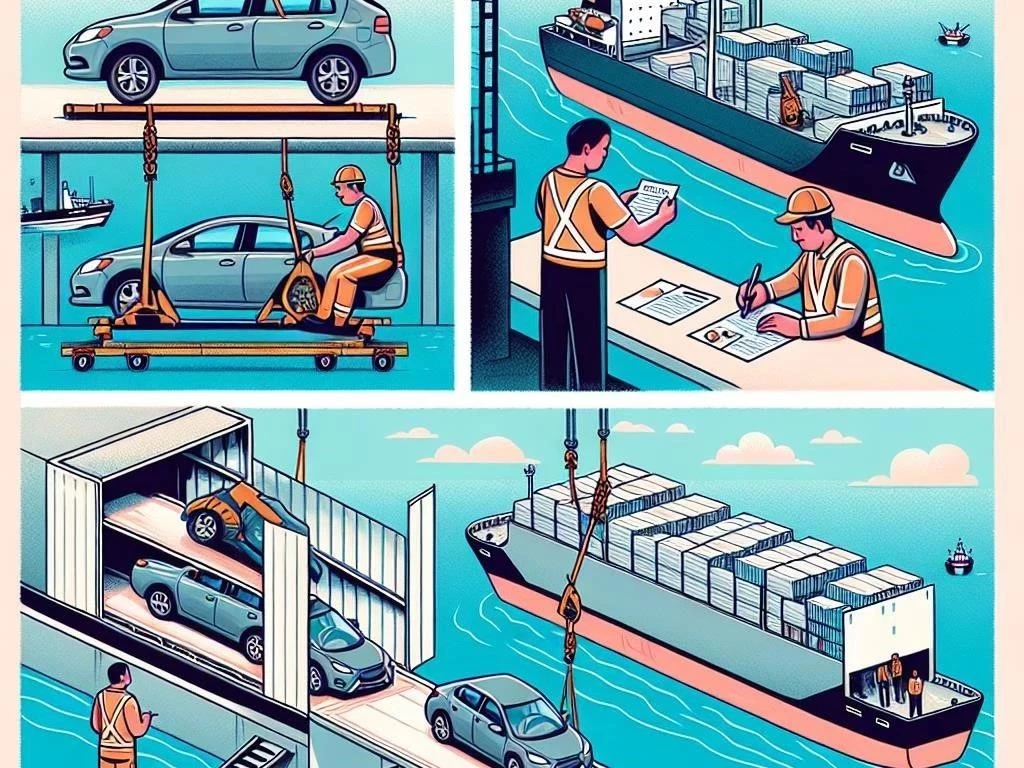
The car transport process involves several essential steps to ensure your vehicle is safely and efficiently shipped. Initially, you will need to select a reliable auto transport company that meets your specific requirements. Once you’ve chosen a provider, you’ll need to book your car transport, providing necessary details such as pickup and delivery locations, vehicle type, and preferred transport method. After confirming the booking, the transport company will typically arrange a suitable pickup time, during which they will inspect your vehicle and document its condition. Following this, your car will be loaded onto a carrier for transport. Upon arrival at the destination, the vehicle will be unloaded, and you’ll have the opportunity to inspect it again, confirming that it has arrived in its original condition, thus completing the car transport process.
8.1 Booking Your Car Transport
Booking your car transport is a critical step in the vehicle shipping process, ensuring a smooth and efficient experience. Start by researching various auto transport companies and comparing their services, ratings, and shipping quotes. Once you’ve selected a reputable provider, contact them to discuss your specific requirements, including pickup and delivery locations, desired shipping dates, and any special instructions. During this initial interaction, you’ll receive a detailed quote outlining the costs involved. After agreeing to the terms, you’ll typically be required to fill out a booking form, providing essential information about your vehicle and contact details. Ensure you review the terms and conditions, including cancellation policies and insurance coverage options before finalizing your booking. Confirm the pickup date and prepare your vehicle for transport, setting the stage for a seamless shipping experience.
8.2 Scheduling Vehicle Delivery
Scheduling vehicle delivery is a crucial part of the car shipping process, ensuring that your vehicle arrives at its destination on time and in good condition. Once your car is in transit, the transport company will provide you with an estimated delivery window based on the distance and route. It’s essential to communicate any specific time constraints or preferences you may have for the delivery. As the delivery date approaches, stay in contact with the auto transport company for updates on your vehicle’s location and expected arrival time. On the delivery day, be prepared to inspect your vehicle thoroughly for any signs of damage or issues. Make sure to have all necessary documentation, such as identification and delivery confirmation, ready to complete the process. This will help facilitate a smooth and efficient vehicle delivery experience.
Transport Insurance for Your Vehicle
Transport insurance for your vehicle is a vital aspect of the car shipping process, providing peace of mind and financial protection against potential damages or losses during transit. Most reputable auto transport companies offer basic insurance coverage, which typically covers damages incurred while the vehicle is in their possession. However, it’s essential to understand the limits of this coverage and whether it meets your needs. Before booking your shipment, inquire about the specific insurance options available, including any additional coverage that may be purchased for extra protection. Review the policy details carefully, paying attention to deductibles and coverage limits. Additionally, check your personal auto insurance policy, as it may offer some level of coverage during transit. By ensuring adequate transport insurance, you can safeguard your vehicle and minimize financial risks throughout the shipping process.
Understanding Car Logistics
Understanding car logistics is crucial for a smooth vehicle shipping experience, as it encompasses the planning and execution involved in transporting your car from one location to another. This process includes several key components, such as route planning, carrier selection, and scheduling. A reliable auto transport company will have established logistics systems to ensure efficient routing, minimizing transit times and costs. It’s essential to communicate your specific needs, including pickup and delivery preferences, to the logistics team. Additionally, they should be able to provide real-time tracking updates, allowing you to monitor your vehicle’s journey. Understanding car logistics also involves knowing the potential challenges, such as weather conditions and road restrictions, which can impact delivery times. By grasping these logistics aspects, you can better prepare for a seamless and efficient car shipping experience.
What to Expect During Car Moving
When shipping your vehicle, knowing what to expect during car moving can significantly ease the process. Initially, the transportation company will arrange a pickup time, where a professional driver will arrive to inspect your vehicle and document its condition. This step is crucial for ensuring that both parties are aware of any pre-existing damage. During transit, your car will be securely loaded onto a carrier, either in an open or enclosed setup, depending on your choice. Throughout the journey, maintain communication with the transport company for updates on your vehicle’s status and estimated delivery time. Upon arrival at the destination, you’ll have the opportunity to inspect your vehicle again. Ensure that it matches the documented condition from pickup, allowing for any necessary claims if damages occurred during transport. This overall experience should be smooth and hassle-free.
Final Steps After Car Shipment
After your car shipment is complete, there are several important final steps to ensure everything is in order. First, inspect your vehicle thoroughly upon delivery, checking for any damages or discrepancies compared to the condition documented at pickup. If you notice any issues, report them immediately to the transport company, as this will facilitate the claims process. Next, ensure that all personal belongings are removed from the vehicle, as well as any temporary accessories that were added for transport. Additionally, review the paperwork provided by the transport company, confirming that you have all necessary documentation for your records. Finally, consider providing feedback on the services you received, as this helps others make informed decisions and allows the company to improve its offerings. Completing these steps will wrap up your car shipping experience effectively.
12.1 Inspecting Your Vehicle
Inspecting your vehicle after shipment is a crucial step to ensure it has arrived in the same condition as documented before transport. Begin by carefully examining the exterior for any scratches, dents, or signs of damage that may have occurred during transit. Pay close attention to vulnerable areas, such as bumpers and mirrors, which can be more susceptible to impacts. Next, check the interior for any personal items left behind and assess for any potential damages inside the vehicle. It’s advisable to take photographs of any noted damages, as these can serve as evidence if claims need to be filed. Also, verify that all components, such as lights and windows, are functioning properly. If you discover any issues, report them immediately to the auto transport company to initiate the claims process promptly and efficiently.
12.2 Providing Feedback on Freight Services
Providing feedback on freight services after your car shipment is essential for both the transport company and future customers. Start by reflecting on your overall experience, considering aspects such as communication, timeliness, and the condition of your vehicle upon delivery. Positive feedback can reinforce good practices, while constructive criticism can help the company identify areas for improvement. Many transport companies encourage reviews on their websites, social media platforms, or third-party review sites. When writing your feedback, be specific about what stood out during the process, whether it was exceptional customer service, prompt delivery, or issues encountered. This information not only assists the company in enhancing their services but also guides potential customers in making informed decisions. Ultimately, sharing your experience contributes to the broader community, fostering transparency and trust within the car shipping industry.
