







how are cars transported on ships
Transporting vehicles across oceans is a sophisticated process involving specialized shipping vessels known as roll-on/roll-off (RoRo) car carriers. These vessels are designed to enhance the efficiency and safety of vehicle transportation by allowing cars to be driven on and off the ship with ease. This article explores the intricacies of this process, covering topics such as loading procedures, port facilities, and maritime logistics.
Understanding Roll-on/Roll-off Car Carriers
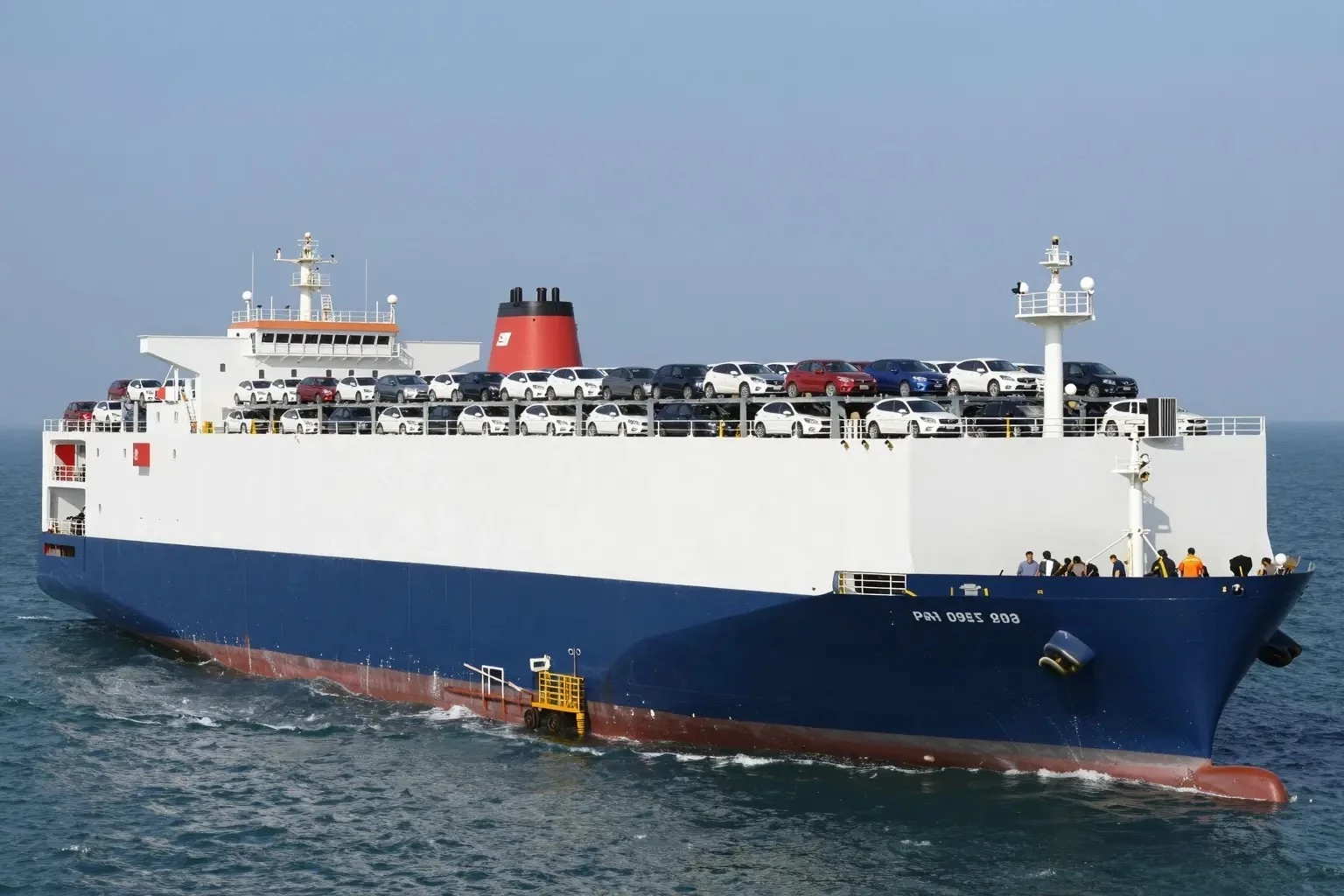
Roll-on/roll-off car carriers are specialized ships designed to transport wheeled cargo, primarily vehicles. Unlike traditional cargo ships, RoRo vessels have built-in ramps that allow vehicles to be driven directly on and off the ship. This method is more efficient than container shipping for vehicles due to the reduced handling and the ability to utilize all available deck space and cargo hold effectively.
Structure of RoRo Ships
RoRo ships are structured with multiple decks where cars are parked during transit. Each deck is equipped with ramps and cargo lifts to facilitate the smooth movement of vehicles. The design ensures maximum utilization of space, thereby increasing the number of vehicles that can be transported in a single journey.
Loading Procedures and Port Facilities
The loading procedures at ports are critical to the success of vehicle transportation by sea. Ports with RoRo facilities are equipped with specialized ramps and docking areas to accommodate these unique vessels. The process begins with the careful alignment of the ship to the dock, allowing the ramp to connect securely for the vehicles to roll on board.
Loading Vehicles
Vehicles are driven onto the ship in a systematic manner to ensure stability and balance. Each vehicle is parked in a designated spot on one of the ship’s decks, and the process is overseen by logistics personnel who ensure that the operation is conducted smoothly and efficiently.
Securing Vehicles
Once on board, vehicles must be secured to prevent movement during the voyage. This involves lashing and other securing methods to keep the vehicles stable even in rough sea conditions. Proper securing of vehicles is vital to prevent damage and ensure the safety of the cargo and crew.
Maritime Logistics and Ocean Freight
Maritime logistics play a pivotal role in the global transportation of vehicles. The logistics process involves scheduling ships, managing cargo, and coordinating with port facilities to ensure timely and efficient ocean freight. The entire operation requires meticulous planning and execution to meet the demands of international shipping.
Choosing Shipping Routes
Selecting optimal shipping routes is crucial to minimize transit time and reduce costs. Routes are chosen based on factors such as distance, ocean currents, weather conditions, and port accessibility. Logistics teams constantly monitor these factors to adjust routes as necessary to avoid delays and ensure timely delivery.
Customs Clearance and Documentation
Customs clearance is an integral part of the vehicle shipping process. Each vehicle must be documented and cleared by customs authorities in both the departure and arrival countries. This involves preparing the necessary paperwork, including shipping manifests, vehicle registration, and any import/export permits required by law.
Documentation Process
The documentation process must be handled with precision to prevent delays. Shipping companies often work with customs brokers to facilitate the smooth clearance of vehicles through customs. This ensures compliance with international regulations and prevents any legal complications.
Challenges in Vehicle Transportation by Sea
Despite the efficiency of RoRo vessels, there are challenges associated with vehicle transportation by sea. These include dealing with adverse weather conditions, maintaining the integrity of the cargo, and ensuring the security of the vehicles throughout the journey.
Weather and Sea Conditions
Adverse weather conditions can pose significant challenges to maritime shipping. High waves, strong winds, and storms can affect the stability of the ship and the condition of the cargo. Shipping companies must be prepared to alter routes and schedules to mitigate the impact of extreme weather.
Security Concerns
Ensuring the security of high-value cargo such as vehicles is a priority. Ships are equipped with security systems to prevent theft, and they follow strict protocols to safeguard the cargo. Additionally, ports have security measures in place to protect vehicles during loading and unloading.
The Future of Vehicle Shipping
The future of vehicle transportation by sea looks promising, with technological advancements and innovations enhancing the efficiency and sustainability of RoRo shipping. Automation and digitalization are expected to play significant roles in improving the logistics of ocean freight.
Technological Innovations
Advances in technology are set to revolutionize the way vehicles are transported by sea. From automated loading systems to digital tracking of cargo, these innovations will streamline operations and improve the reliability of vehicle shipping.
Sustainability Initiatives
Shipping companies are also focusing on sustainability initiatives to reduce the environmental impact of maritime logistics. This includes adopting cleaner fuels, optimizing vessel designs for fuel efficiency, and implementing practices to lower carbon emissions.
