







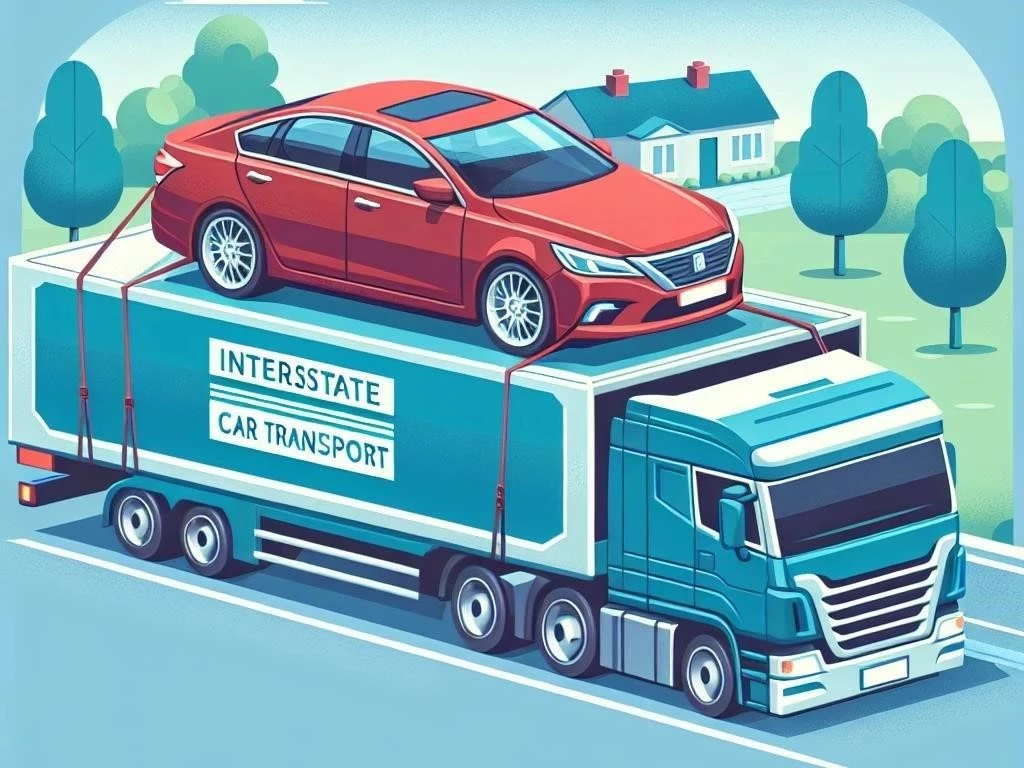
Can You Ship Your Car to Another State?
Yes, you can ship your car to another state using various auto shipping services. Explore options for interstate vehicle shipping and logistics for your vehicle relocation.
Understanding Car Shipping Basics
Car shipping involves transporting vehicles from one location to another, often across state lines. Interstate auto transport is commonly utilized by individuals needing vehicle relocation services. Auto transport companies offer various options, including open and enclosed transport, to accommodate different customer needs. Understanding the process is essential for a smooth experience. Shipping costs can vary based on the distance, vehicle type, and selected transport options. It’s important to consider insurance coverage during transit, ensuring the vehicle is protected against potential damages. Additionally, familiarize yourself with shipping regulations that may apply in different states to avoid unforeseen issues during the transportation process. Vehicle tracking can enhance peace of mind.
Types of Vehicle Transport Options
When considering car shipping, there are several transport options available to suit different needs. Open transport is the most common and cost-effective method, where vehicles are loaded onto a trailer without any enclosure. This option exposes cars to the elements but is generally safe. Enclosed transport, on the other hand, provides additional protection by fully covering the vehicle during transit, making it ideal for luxury or classic automobiles. Door-to-door service offers convenience, as the car carriers pick up and deliver vehicles directly to specified locations. Understanding these transport methods can help you choose the best option for your interstate vehicle shipping needs.
Factors Affecting Shipping Costs
Several factors influence the shipping costs associated with transporting a vehicle across state lines. The distance between the pickup and delivery locations is a primary determinant; longer distances typically lead to higher costs. The type of transport selected—open or enclosed—also affects pricing, with enclosed transport generally being more expensive due to added protection. Additionally, the size and weight of the vehicle play a role in determining shipping fees. Seasonal demand can impact costs, as peak times may result in higher rates. Lastly, any special services, such as expedited delivery or vehicle tracking, can also contribute to the overall shipping costs involved in vehicle transport.
Choosing the Right Auto Transport Company
Selecting the appropriate auto transport company is crucial for a successful car shipping experience. Start by researching reputable auto transport companies with positive customer reviews and ratings. Ensure that the company is licensed and insured, providing peace of mind during the vehicle movement process. Request shipping quotes from multiple providers to compare costs and services offered. Inquire about their experience with interstate vehicle shipping and any specific requirements you may have. Ask about their delivery services, transit time, and vehicle tracking capabilities. Finally, confirm their policies regarding car insurance during transportation, ensuring comprehensive coverage for your vehicle throughout the shipping process.

Preparing for Your Car Relocation
Proper preparation is essential for a smooth car relocation process. Begin by cleaning your vehicle inside and out, removing personal items that could be damaged during transit; Check for any existing damage and document it with photographs. Ensure that your vehicle’s fluids are topped off, and the battery is in good condition. Disable the alarm system to prevent disruptions during transport. Review shipping regulations specific to your destination state to avoid complications. Confirm the pickup and delivery details with your chosen auto transport company. Finally, keep all necessary paperwork, such as the shipping contract and insurance documents, easily accessible throughout the car shipping process.
