







Can I Ship My Car with Stuff in It?
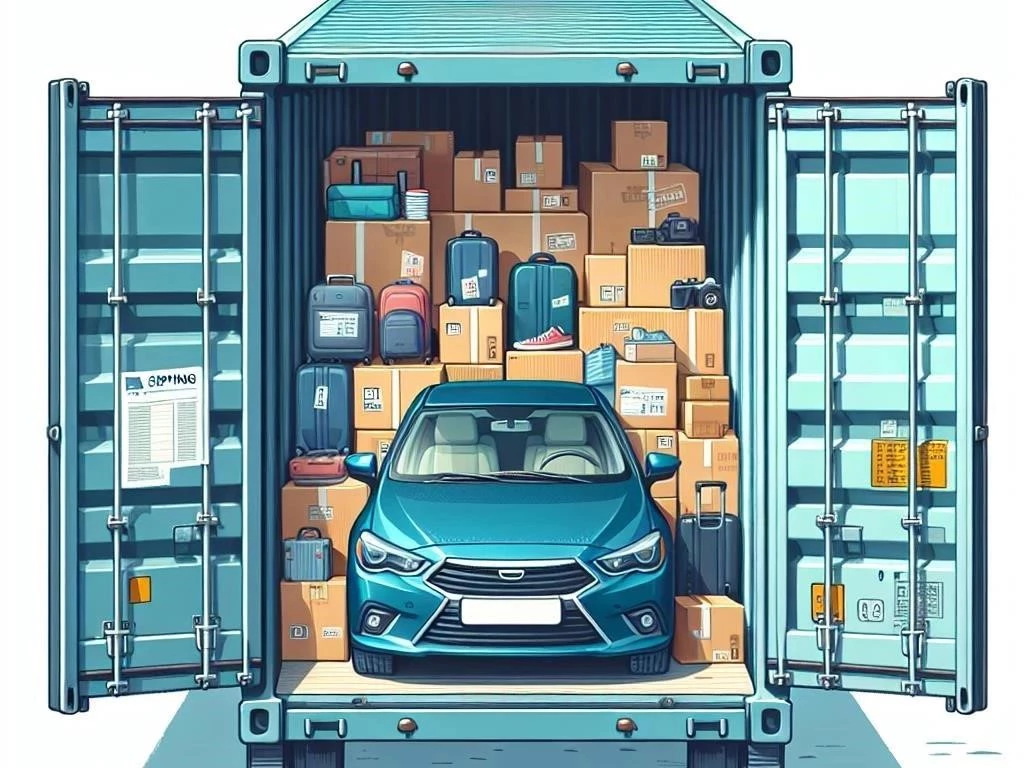
Shipping personal items inside your vehicle often violates regulations. Most shipping services prefer empty cars for safety and insurance reasons, ensuring secure auto shipping.
Car shipping involves transporting vehicles safely and efficiently. Understanding regulations and logistics is essential for ensuring a smooth and successful automobile transport experience.
1.1 What is Auto Shipping?
Auto shipping refers to the process of transporting vehicles from one location to another, either domestically or internationally. This service is essential for individuals relocating, purchasing vehicles online, or needing to move cars for other reasons. Various vehicle shipping companies offer different methods, including open transport and enclosed transport. The choice of transport method affects shipping costs and the level of protection your vehicle receives during transit. It’s crucial to consider factors such as shipping regulations, insurance options, and logistics when planning your auto shipping. Understanding these aspects ensures a smooth experience when moving your car across distances.
1.2 Importance of Vehicle Transport
Vehicle transport is crucial for ensuring safe and efficient relocation of cars across different regions. It aids individuals in moving their automobiles during relocation, whether for job changes or vacations. Additionally, transporting vehicles helps in buying cars from distant locations, allowing consumers to access a wider selection. Reliable shipping services also save time and effort compared to driving long distances. Understanding the significance of proper auto shipping is essential, as it encompasses factors like shipping costs, regulations, and insurance. A well-planned vehicle transport experience can prevent damage and ensure your vehicle arrives safely and on time at its destination.
Understanding Shipping Regulations
Shipping regulations dictate what can be transported in vehicles. Familiarizing yourself with these rules helps ensure compliance, preventing delays and complications during the shipping process.
2.1 Rules for Packing Car with Personal Items
Packing your car with personal items during transport is generally discouraged by shipping companies. Many vehicle transport providers have specific rules against loading personal belongings due to safety concerns and shipping regulations. Items left inside the vehicle can shift during transit, potentially causing damage to your car and belongings. Additionally, shipping insurance may not cover personal items, leaving you at risk. If you must leave items in your car, check with the shipping company for their policies. It’s advisable to remove valuables and ensure your vehicle complies with regulations to avoid complications during the auto shipping process.
2.2 Shipping Logistics and Legal Requirements
Understanding shipping logistics and legal requirements is vital when considering vehicle transport. Each shipping company has distinct policies regarding what can be shipped in vehicles. Legal regulations often prohibit personal items, as they can complicate the shipping process. Additionally, various states may have specific laws governing vehicle transport, which could affect your shipping arrangements. Compliance with these regulations helps avoid fines and ensures a smooth shipping experience. Moreover, proper documentation is essential; Ensure you have all necessary paperwork, such as vehicle registration and proof of ownership, ready for the shipping company to facilitate a hassle-free auto shipping process.
Car Carriers and Their Policies
Carriers have specific policies regarding transporting vehicles. Understanding these guidelines is crucial for ensuring compliance, preventing issues, and safeguarding your vehicle during shipping.
3.1 Open Transport vs. Enclosed Transport
When choosing between open transport and enclosed transport for vehicle shipping, several factors must be considered. Open transport is typically more affordable and involves transporting vehicles on a flatbed truck, exposing them to the elements. While it is safe, there is a risk of damage from weather and road debris. In contrast, enclosed transport offers higher protection, shielding vehicles from external factors during transit. This option is ideal for high-value cars or classic automobiles, though it comes at a higher cost. Ultimately, your choice depends on budget, vehicle type, and desired level of protection during the auto shipping process.
3.2 Different Vehicle Shipping Companies’ Guidelines
Each vehicle shipping company has unique guidelines regarding transporting cars and personal items. Some companies strictly prohibit any belongings inside the vehicle, emphasizing safety and liability concerns. Others may allow limited items but often require that they be securely stowed to prevent movement during transport. It is crucial to review each company’s policies before selecting a service. Understanding these guidelines helps avoid potential issues and ensures compliance with shipping regulations. When planning your auto shipping, consult directly with the selected company to clarify their specific requirements and recommendations regarding packing your vehicle for transport effectively and safely.
Shipping Costs Involved
Shipping costs vary based on factors such as distance, transport method, vehicle size, and additional services. Understanding these elements helps in budgeting for auto shipping.
4.1 Factors Influencing Shipping Costs
Several factors influence the shipping costs associated with vehicle transport. The distance between the pickup and delivery locations is a primary consideration; longer distances typically incur higher fees. The chosen transport method also plays a significant role, with open transport generally being more affordable than enclosed transport. Additionally, the size and weight of the vehicle can affect pricing, as larger vehicles may require specialized equipment or more space on the carrier. Seasonal demand can also impact costs, with peak moving seasons potentially leading to higher rates. Understanding these factors helps you budget effectively for your auto shipping experience.
4.2 How Packing Car Affects Pricing
Packing your car with personal items can significantly affect pricing and shipping logistics. Many vehicle shipping companies discourage or prohibit loading belongings inside the vehicle due to safety and liability concerns. If allowed, the weight and volume of packed items may impact the overall shipping costs. Excessive weight could lead to additional fees, as carriers may need specialized equipment or incur extra fuel costs. Moreover, if any damage occurs to items while packed, insurance may not cover losses. Therefore, it is advisable to follow company guidelines regarding packing to ensure a streamlined and cost-effective auto shipping experience.
Shipping Insurance Considerations
Shipping insurance is essential for protecting your vehicle during transport. Understanding coverage options and potential liabilities ensures peace of mind throughout the auto shipping process.
5.1 Importance of Shipping Insurance
Shipping insurance is crucial when transporting your vehicle, as it provides financial protection against potential damage or loss during transit. Despite the best efforts of vehicle shipping companies, accidents can occur, leading to costly repairs or even total loss. Having adequate shipping insurance ensures that you are covered for any unforeseen circumstances, allowing you to file claims for damages efficiently. Additionally, some shipping companies may offer limited liability, which may not cover the full value of your vehicle. Therefore, investing in comprehensive shipping insurance is essential to safeguard your investment and provide peace of mind throughout the auto shipping process.
5.2 What Happens to Your Stuff in Case of Damage?
In the event of damage to personal belongings left in a vehicle during transport, the situation can be complicated. Most vehicle shipping companies do not cover personal items under their insurance policies, meaning you may be responsible for any losses. This lack of coverage emphasizes the importance of removing all valuables before shipping. If damage occurs, you typically cannot file a claim for the items, as they were not insured as part of the vehicle transport. Therefore, to protect your belongings and avoid potential losses, it is advisable to adhere to company guidelines and pack your car accordingly.
Tips for Car Relocation
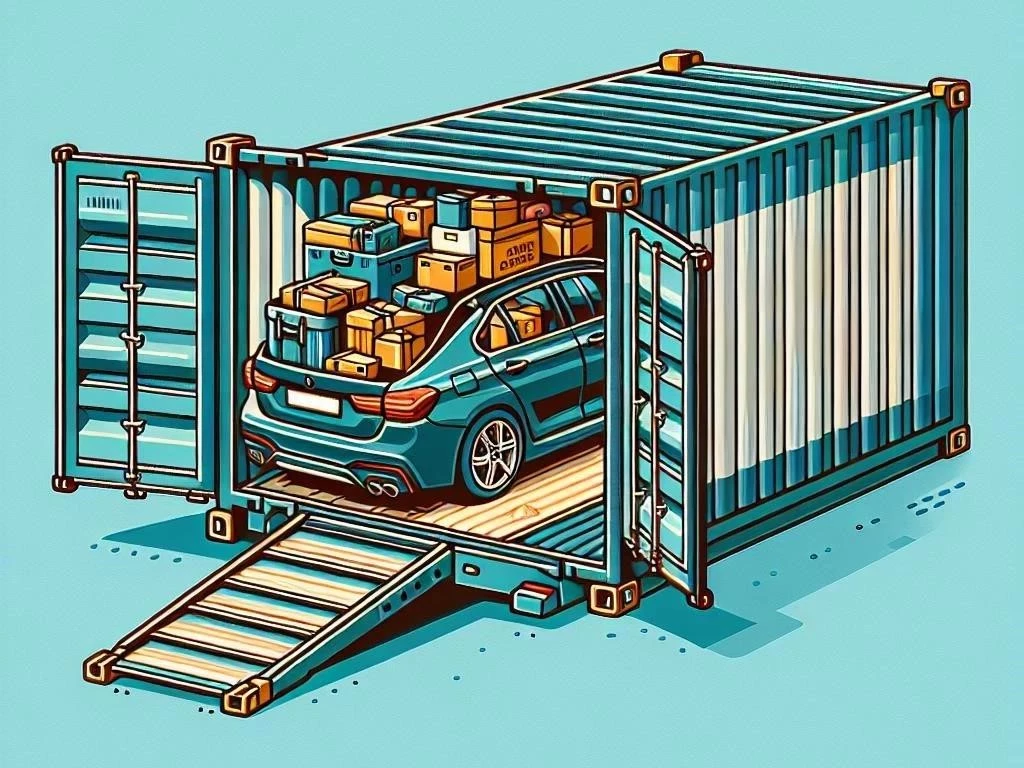
To ensure a smooth car relocation, research shipping companies, understand regulations, prepare your vehicle properly, and communicate clearly about any specific transport requirements you have.
6.1 Best Practices for Moving Car
When moving your car, follow best practices to ensure a safe and efficient transport experience. First, choose a reputable vehicle shipping company with positive reviews and established experience. Next, prepare your vehicle by cleaning it and removing personal items to comply with shipping regulations. Document your vehicle’s condition with photos before transport to verify any pre-existing damage. Additionally, ensure that your vehicle has a minimal amount of fuel, typically around a quarter tank. Finally, communicate clearly with the shipping company about any specific requirements or concerns. Following these practices can help facilitate a smooth and hassle-free auto shipping process.
6.2 How to Prepare for Transporting Vehicles
Preparing your vehicle for transport is essential to ensure a smooth shipping process. Begin by thoroughly cleaning the exterior and interior, allowing for a complete inspection. Next, remove all personal items to comply with shipping regulations and prevent potential loss. Check fluid levels, tire pressure, and battery condition to ensure the vehicle is in good working order. Additionally, disable any alarms to prevent disruptions during transport. Document the vehicle’s condition with clear photographs to have a reference for any potential damage claims. Finally, communicate with your chosen shipping company regarding specific requirements to ensure a successful vehicle transport experience.
