







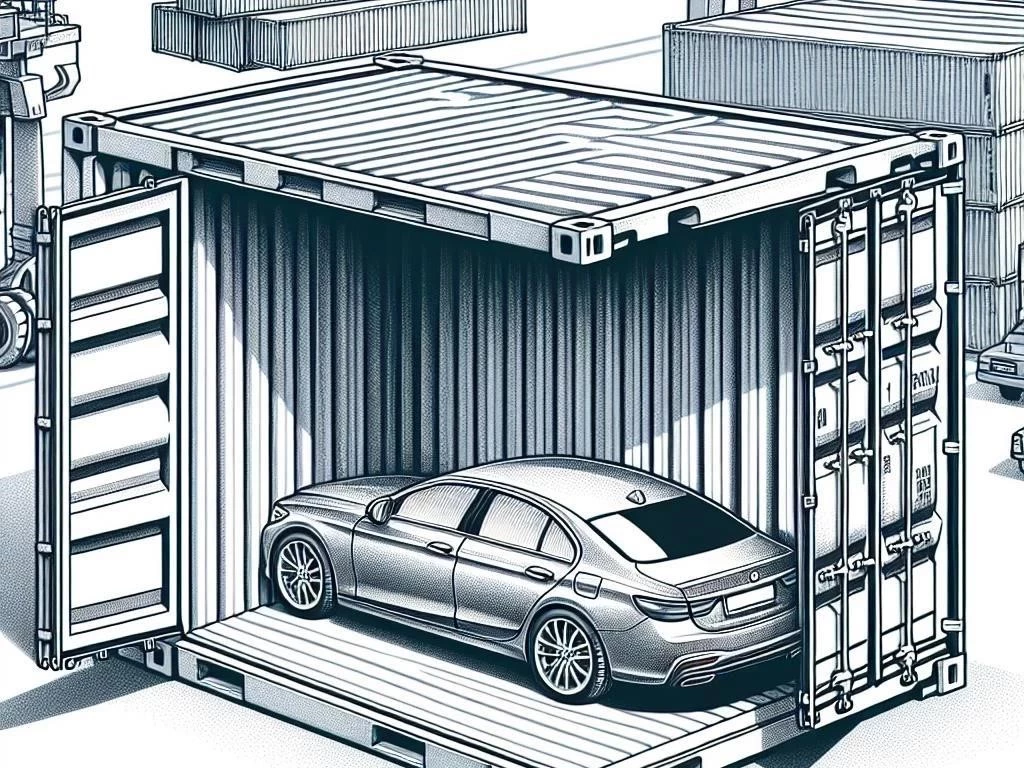
Can a Car Fit in a Shipping Container?
Understanding if a car fits in a shipping container requires knowledge of vehicle dimensions, container size, and logistics․ Proper planning ensures safe transport, adhering to customs regulations, safety standards, and space requirements․
When considering vehicle transport, understanding the intricacies of shipping containers is essential․ The shipping industry utilizes various methods to ensure that automobiles, including SUVs and sedans, are transported efficiently and safely․ Vehicle transport requires expertise in logistics, particularly when it comes to containerized shipping․ Shipping containers come in different sizes, with specific dimensions that must accommodate the vehicle size while adhering to weight limits․ Proper loading and unloading procedures are crucial to prevent damage during transport․ Additionally, knowing the shipping cost is vital, as it varies based on the container size and the specific transport services used․ Import/export regulations and customs regulations are also important aspects of the process, ensuring compliance with international shipping standards․ Safety standards must be adhered to throughout the loading and unloading phases to protect both the cargo and the transport personnel․ Therefore, having a thorough understanding of these elements is crucial for anyone involved in the vehicle transport process, ensuring a smooth and successful shipping experience․
Dimensions of Shipping Containers and Vehicle Size
The dimensions of shipping containers play a critical role in determining whether a car can fit inside․ Standard shipping containers typically measure 20 feet or 40 feet in length, with varying widths and heights․ A standard 20-foot container has internal dimensions of approximately 19․4 feet long, 7․7 feet wide, and 7․9 feet high, which often accommodates most sedans and compact vehicles․ In contrast, larger vehicles such as SUVs may require additional space, pushing the need for a 40-foot container, which provides more room for loading․ Additionally, understanding the vehicle size is crucial; knowing the height, width, and length of the automobile ensures it meets the container’s specifications․ Weight limits also factor into the equation, as exceeding these limits can lead to complications during transport․ Furthermore, considering the space requirements for palletization, if necessary, can significantly impact the loading process․ Ultimately, assessing the dimensions of both the shipping container and the vehicle is essential for a successful and safe vehicle transport operation․

Loading and Unloading Procedures for Cars in Containers
Loading and unloading procedures are critical steps in the vehicle transport process within shipping containers․ Ensuring that the automobile fits securely in the cargo container is essential to prevent damage during transit․ Before loading, it is vital to inspect the vehicle for any pre-existing damage and ensure it meets safety standards․ The use of ramps may be necessary for ease of access, especially for larger vehicles like SUVs․ Once inside the container, the vehicle should be positioned carefully, taking into account the dimensions of both the car and container․ Proper securing techniques, such as using straps and wheel chocks, are crucial for preventing movement during transport․ When unloading, it is important to follow established safety protocols, ensuring that personnel are clear of the unloading area․ Additionally, careful maneuvering is necessary to avoid collisions with the container walls or other surrounding vehicles․ Following these loading and unloading procedures will not only protect the vehicle but also streamline the overall shipping process, ensuring compliance with transport regulations and enhancing efficiency in logistics․
Shipping Costs and Freight Considerations
When assessing whether a car can fit in a shipping container, understanding shipping costs and freight considerations is essential․ Shipping costs can vary significantly based on several factors, including container size, vehicle dimensions, and transport distance․ For instance, larger vehicles like SUVs may necessitate a bigger container, thus increasing overall shipping costs․ Additionally, the choice of shipping methods—whether using roll-on/roll-off services or containerized shipping—can influence expenses as well․ Freight considerations also involve understanding the weight limits imposed by shipping regulations, as exceeding these limits may incur extra fees․ Moreover, customs regulations and tariffs may apply to international shipping, affecting the total cost․ It is crucial to obtain quotes from transport services to effectively compare prices and services offered․ Hidden fees, such as loading and unloading charges, should be accounted for when calculating the final shipping cost․ Overall, being well-informed about these elements will help ensure a smooth and cost-effective vehicle transport process while adhering to established logistics and safety standards․
International Shipping Regulations and Safety Standards
When determining if a car can fit in a shipping container, it is essential to understand international shipping regulations and safety standards․ Compliance with these regulations ensures that vehicles are transported legally and safely across borders․ Each country may have specific customs regulations that govern the import and export of automobiles, which must be strictly followed․ This includes providing proper documentation, such as the vehicle’s title and proof of ownership, to clear customs efficiently․ Additionally, safety standards are critical to prevent accidents and damage during transport․ Vehicles must be prepared according to these standards, including securing loose parts and ensuring fluid levels are within acceptable limits․ Understanding transport regulations helps avoid delays and additional costs associated with non-compliance․ Furthermore, shipping companies often have established protocols to adhere to safety standards, which protect both the cargo and personnel involved․ Ultimately, being aware of these regulations and standards is vital for a successful vehicle transport experience, ensuring that the car fits properly within the container while meeting all necessary requirements․
