







Understanding Car Ships and Their Role in Automotive Shipping
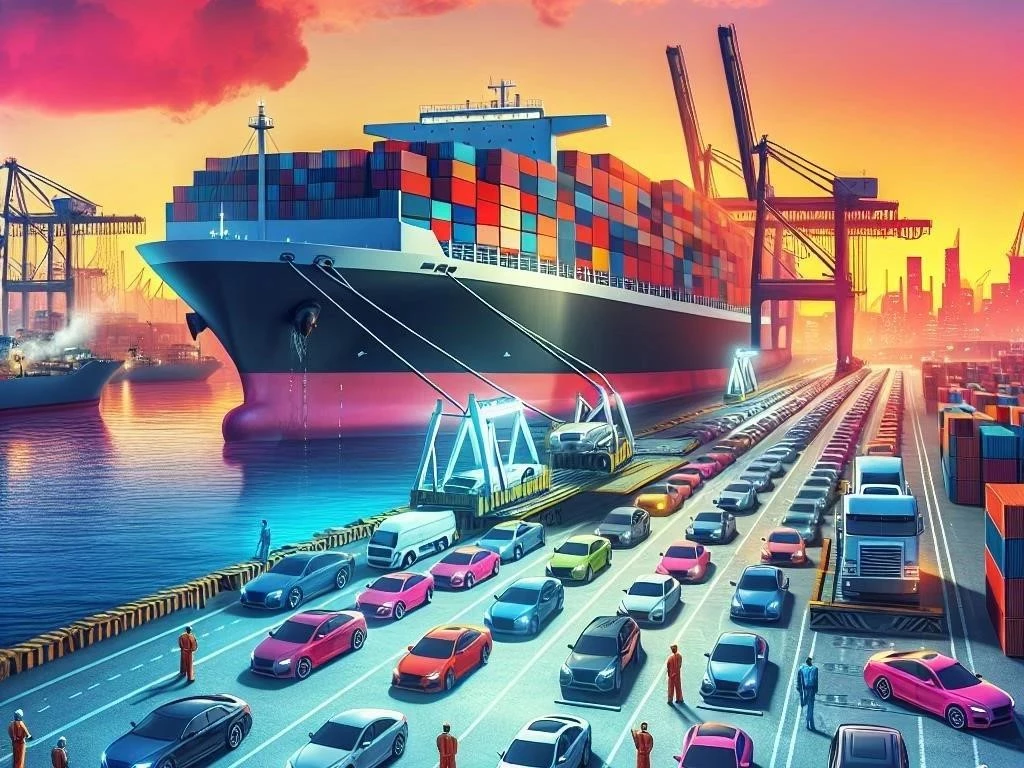
a car ship
Car ships are specialized vessels designed for transporting vehicles. They play a crucial role in automotive shipping and global vehicle logistics, ensuring efficient transportation.
1.1 Definition of a Car Ship
A car ship, also known as a car carrier, is a type of cargo vessel specifically designed for transporting automobiles. These vessels feature ramps to allow vehicles to roll on and off easily. Car ships come in various sizes and configurations, accommodating multiple vehicles simultaneously. They are essential for international shipping, providing an efficient solution for automotive shipping and vehicle transport across global shipping routes.
1.2 Importance in Vehicle Transport
Car ships play a vital role in vehicle transport by facilitating efficient automotive shipping across international borders. They enable the movement of large volumes of vehicles, supporting the global supply chain. By utilizing specialized designs, these vessels enhance cargo handling and reduce shipping costs. Furthermore, car ships contribute to streamlined customs clearance processes, ensuring timely delivery while maintaining high safety standards for transported vehicles.
Types of Carriers
There are various types of carriers used for transporting vehicles, including Roll-on/Roll-off (RoRo) carriers and container ships, each serving specific automotive shipping needs.
2.1 Roll-on/Roll-off (RoRo) Carriers
Roll-on/Roll-off (RoRo) carriers are specialized vessels designed for easy loading and unloading of vehicles. These ships feature built-in ramps that allow cars and trucks to be driven directly onto the deck. RoRo carriers maximize space efficiency, accommodating a wide range of vehicles, from small cars to heavy machinery. Their design simplifies cargo handling, making them a popular choice for automotive shipping and vehicle transport in global logistics.
2.2 Container Ships for Automotive Shipping
Container ships are another method of automotive shipping, utilizing large containers to transport vehicles securely. This approach allows for stacking multiple containers, optimizing space and reducing shipping costs. While containerization offers enhanced protection against damage and weather, it requires careful loading and unloading processes. Container ships are suitable for transporting smaller vehicles or when combined with other cargo, ensuring efficiency in vehicle logistics and supply chain management;
Marine Logistics and Car Shipping
Marine logistics encompasses the planning and management of shipping operations, including car shipping, ensuring efficient transportation of vehicles across international waters and ports.
3.1 Overview of Marine Logistics
Marine logistics refers to the intricate system of coordinating the movement of goods via sea transport, particularly focusing on efficiency and reliability. It involves various activities, including route planning, cargo handling, and fleet management. In the context of car shipping, marine logistics ensures that vehicles are transported securely and promptly. This encompasses managing shipping schedules, optimizing space on vessels, and overseeing customs clearance processes for international shipping.
3.2 Role of Cargo Vessels in Auto Logistics
Cargo vessels play a crucial role in auto logistics by transporting vehicles across global shipping routes. These specialized ships, including RoRo and container carriers, ensure the safe and efficient movement of automobiles. Their design allows for quick loading and unloading, minimizing transit times. Additionally, cargo vessels facilitate customs clearance and meet international shipping regulations, making them indispensable in the automotive shipping industry and global supply chain.

Freight Transportation and Shipping Services
Freight transportation encompasses the movement of goods, including vehicles, through various shipping services that ensure timely delivery and efficient handling within the automotive sector.
4.1 Understanding Freight Transportation in the Automotive Sector
Freight transportation within the automotive sector involves the movement of vehicles from manufacturers to dealerships and consumers. This process relies on various shipping methods, including marine logistics and land transport. Efficient coordination is crucial for minimizing shipping costs and ensuring timely deliveries. Understanding freight transportation helps stakeholders navigate challenges like customs clearance, shipping regulations, and optimizing routes to enhance overall efficiency in vehicle logistics.
4.2 Key Shipping Services for Auto Exports
Key shipping services for auto exports include comprehensive logistics solutions tailored to vehicle transport. These services encompass customs clearance, handling documentation, and scheduling shipments. Additionally, they provide options for both Roll-on/Roll-off (RoRo) and container shipping methods, ensuring flexibility. Efficient cargo handling and tracking systems enhance transparency throughout the shipping process. These services play a vital role in facilitating smooth international shipping operations for automotive exporters.
Port Operations in Vehicle Logistics
Port operations are essential in vehicle logistics, facilitating the efficient loading, unloading, and storage of cars while ensuring compliance with shipping regulations and customs requirements.
5.1 Key Port Operations Involved in Car Shipping
Key port operations in car shipping include vehicle inspection, loading and unloading, and temporary storage. Efficient cargo handling systems ensure that vehicles are safely transferred between ships and transport vehicles. Additionally, coordinating with customs authorities for clearance is vital to prevent delays. Ports must also maintain effective communication with shipping companies to optimize scheduling and manage the flow of vehicles, enhancing overall logistics efficiency.
5.2 Customs Clearance Procedures for Vehicle Export
Customs clearance procedures for vehicle export involve several essential steps, including submitting required documentation, paying applicable duties, and ensuring compliance with regulations. Exporters must provide vehicle titles, invoices, and proof of ownership. Customs authorities may conduct inspections to verify the vehicle’s details. Timely and accurate submission of paperwork is crucial for avoiding delays, ensuring a smooth transition through port operations during the vehicle export process.
Shipping Routes and Costs
Shipping routes and costs significantly impact car shipping efficiency, determining transit times and overall expenses involved in transporting vehicles across international waters and borders.
6.1 Major Shipping Routes for Automobile Transport
Major shipping routes for automobile transport include transatlantic and transpacific pathways connecting key markets like Europe, North America, and Asia. These routes facilitate the efficient movement of vehicles, leveraging established maritime shipping lanes. Additionally, regional routes within continents, such as those in Southeast Asia or the Mediterranean, play a significant role. Understanding these routes helps optimize logistics and reduce shipping times for automotive exports and imports.
6.2 Analyzing Shipping Costs in the Transportation Industry
Analyzing shipping costs in the transportation industry involves evaluating various factors, including fuel prices, port fees, and vessel maintenance expenses. Additional costs may arise from customs duties and insurance for vehicle transport. Understanding these elements is crucial for optimizing budgets and improving profitability in automotive shipping. Companies can utilize cost analysis to identify inefficiencies and streamline operations, ultimately enhancing competitiveness in the global vehicle logistics market.
Cargo Handling Techniques
Effective cargo handling techniques are essential for car shipping, ensuring vehicles are safely loaded, transported, and unloaded while minimizing damage and optimizing operational efficiency.
7.1 Effective Cargo Handling for Car Carriers
Effective cargo handling for car carriers involves systematic procedures for loading and unloading vehicles to prevent damage. Utilizing specialized equipment such as hydraulic ramps and forklifts enhances safety and efficiency. Proper training for personnel is crucial, ensuring they understand vehicle securing techniques and safety protocols. Additionally, implementing tracking systems can help monitor vehicle conditions during transit, ensuring a smooth process throughout the shipping journey.
7.2 Safety Protocols in Vehicle Logistics
Safety protocols in vehicle logistics are vital for minimizing risks during car shipping. These protocols include regular inspections of loading equipment, ensuring proper vehicle securing to prevent movement, and training staff on emergency procedures. Additionally, implementing safety signage and maintaining clear communication during operations enhances awareness. Adhering to these safety measures significantly reduces the likelihood of accidents and vehicle damage throughout the shipping process.
Challenges in Automotive Shipping
Automotive shipping faces various challenges, including fluctuating shipping costs, customs regulations, vehicle damage risks, and logistical complexities that impact overall efficiency and timely deliveries.
8.1 Common Challenges in Marine Shipping
Common challenges in marine shipping include unpredictable weather conditions that can delay transit times, potential for cargo damage during transport, and navigating complex international regulations. Additionally, port congestion may lead to increased waiting times for vessels, affecting schedules. Security concerns, such as piracy and theft, also pose risks. Addressing these challenges requires effective planning and coordination among all stakeholders involved in the shipping process.
8.2 Solutions to Improve Shipping Efficiency
Solutions to improve shipping efficiency include optimizing shipping routes using advanced software for real-time data analysis. Implementing automation in loading and unloading processes reduces turnaround times significantly. Additionally, enhancing communication between stakeholders ensures timely updates on cargo status, minimizing delays. Regular training for staff on best practices in vehicle handling can further reduce risks of damage, ultimately improving overall efficiency in automotive shipping operations.
Future Trends in Car Shipping
Future trends in car shipping include increased automation, sustainable shipping practices, digitalization of logistics, and enhanced tracking technologies to improve efficiency and reduce costs.
9.1 Innovations in Maritime Shipping
Innovations in maritime shipping are transforming the automotive transport industry, focusing on eco-friendly technologies like alternative fuels and energy-efficient vessels. Digital platforms for tracking shipments in real-time enhance transparency and reduce delays. Automation in loading and unloading processes streamlines operations, increasing safety and efficiency. Additionally, advancements in data analytics enable better route optimization, minimizing costs and improving overall performance in vehicle logistics and shipping services.
9.2 The Future of Vehicle Transport in a Global Supply Chain
The future of vehicle transport in a global supply chain focuses on integrating advanced technologies and sustainable practices. Increased collaboration among stakeholders will enhance efficiency and visibility throughout logistics. Smart shipping solutions, such as IoT devices, will monitor vehicles in real-time, improving decision-making. Furthermore, an emphasis on reducing carbon footprints will drive innovation in shipping methods, ensuring a more sustainable future for automotive logistics worldwide.
