







Signs of a Bad Fuel Pump
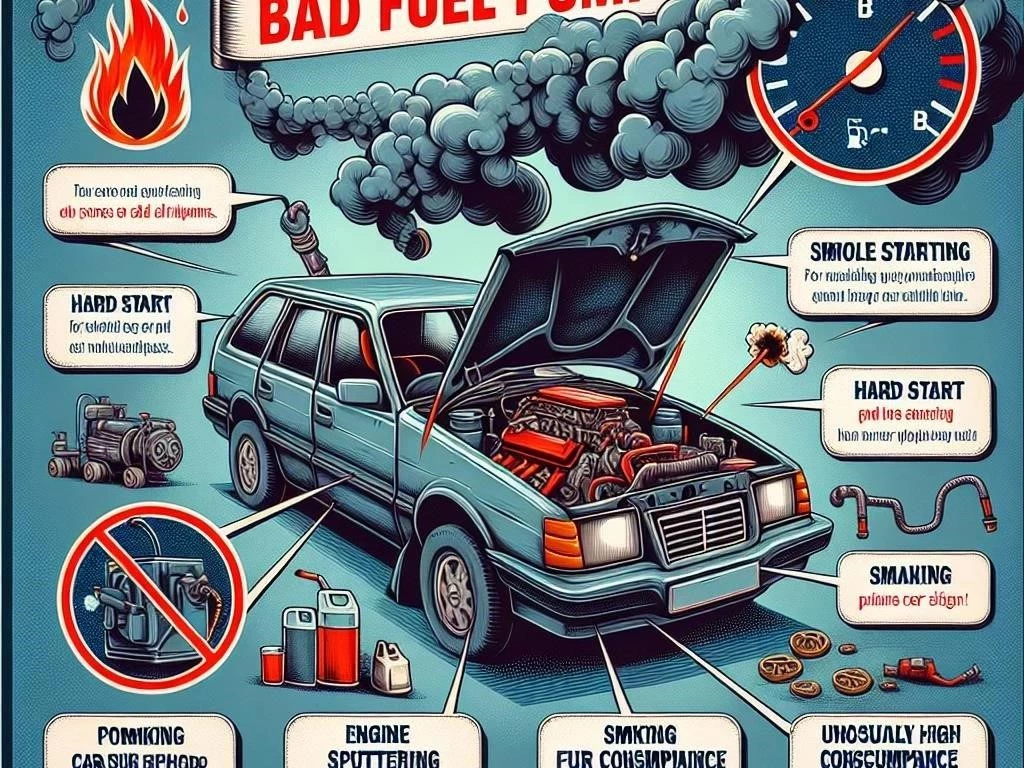
Identifying signs of a bad fuel pump is crucial for maintaining vehicle performance. Watch for sputtering, stalling, and warning lights indicating potential fuel system issues.
Understanding the Role of the Fuel Pump
The fuel pump is essential for delivering fuel from the tank to the engine, ensuring optimal engine performance. A malfunctioning pump can lead to engine misfire, reduced acceleration, and other detrimental symptoms affecting overall vehicle functionality.
Warning Signs of a Failing Fuel Pump
Recognizing warning signs is vital in preventing further issues. Common indicators include sputtering during acceleration, unexpected stalling, and the illumination of the check engine light, all signaling potential problems within your vehicle’s fuel system and overall performance.
2.1 Engine Performance Issues
Engine performance issues often manifest as decreased power and sluggish acceleration. A failing fuel pump can disrupt fuel delivery, leading to inconsistent engine performance, poor gas mileage, and increased likelihood of engine misfire, negatively impacting your driving experience.
2.2 Sputtering and Stalling
Sputtering and stalling during acceleration are critical warning signs of a failing fuel pump. These symptoms indicate inadequate fuel delivery, causing the engine to struggle. Addressing these issues promptly can prevent further mechanical failure and ensure reliable vehicle operation.
2.3 Check Engine Light Activation
The activation of the check engine light often indicates issues within the fuel system, including a failing fuel pump. Promptly diagnosing the cause can help prevent further damage and maintain optimal engine performance and reliability in your vehicle.
Symptoms Related to Fuel Delivery
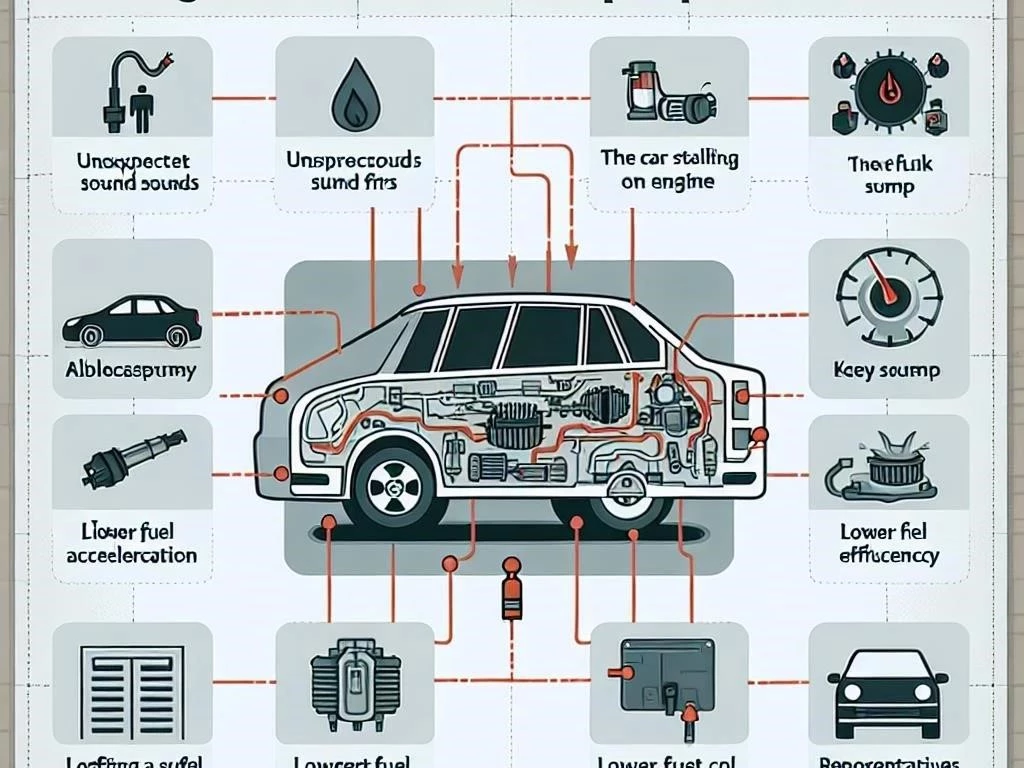
Recognizing symptoms related to fuel delivery is crucial for vehicle maintenance. Issues such as poor vehicle acceleration, engine misfires, and unusual noises can indicate a failing fuel pump, adversely affecting engine performance and overall driving experience.
3.1 Poor Vehicle Acceleration
Poor vehicle acceleration often signals fuel delivery issues caused by a failing fuel pump. Insufficient fuel reaching the engine can lead to sluggish performance, making it difficult to maintain speed and affecting overall driving experience and safety significantly.
3.2 Engine Misfire and Noise
Engine misfire and unusual noise can indicate a failing fuel pump. Inconsistent fuel delivery may cause the engine to struggle, leading to vibrations or knocking sounds, which ultimately compromise performance and require immediate attention for effective automotive troubleshooting.
3.3 Low Fuel Pressure
Low fuel pressure is a critical sign of a failing fuel pump, often leading to performance issues. Insufficient pressure can hinder fuel flow, causing sluggish acceleration, poor engine performance, and potential stalling, necessitating prompt diagnostics and repairs.
Diagnostics and Troubleshooting
Effective diagnostics and troubleshooting are essential for identifying fuel pump issues. Utilizing tools like the fuel gauge, inspecting the fuel filter, and testing the fuel pump relay can help pinpoint problems, ensuring timely repairs and optimal vehicle performance.
4.1 Using the Fuel Gauge
Using the fuel gauge effectively can help detect fuel pump issues; If the gauge shows fluctuating or incorrect readings, it may indicate a malfunctioning pump, affecting fuel delivery and engine performance, requiring immediate attention for resolution.
4.2 Fuel Filter Inspection
Regular fuel filter inspection is crucial for maintaining optimal fuel delivery. A clogged or dirty filter can restrict fuel flow, leading to engine performance issues and potential pump strain, necessitating timely replacement to ensure efficient vehicle operation and longevity.
4.3 Testing the Fuel Pump Relay
Testing the fuel pump relay is essential for diagnosing fuel delivery problems. A faulty relay can prevent the pump from receiving power, leading to engine stalling or poor performance, requiring immediate troubleshooting to ensure reliable vehicle operation and safety.
Maintenance Tips and Replacement Options
Implementing regular maintenance tips can extend your fuel pump’s lifespan. Keeping the fuel system clean, replacing the fuel filter, and monitoring fuel gauge readings help prevent failures. Timely replacement of worn components ensures optimal performance and enhances vehicle reliability.
5.1 Regular Maintenance for Optimal Gas Mileage
Regular maintenance significantly impacts gas mileage and overall vehicle performance. Ensuring the fuel system is clean, replacing filters, and monitoring fuel pressure help maintain efficiency, preventing potential issues associated with a failing fuel pump and maximizing fuel economy.
5.2 When to Replace the Fuel Pump
Replacing the fuel pump is essential when experiencing frequent stalling, sputtering, or significant drops in fuel pressure. Additionally, if the check engine light activates, addressing these signs promptly can prevent further mechanical issues and ensure reliable vehicle operation.
5.3 Avoiding Mechanical Failure
Avoiding mechanical failure requires proactive maintenance and timely diagnostics. Regularly inspecting the fuel system, addressing warning signs early, and replacing worn components can significantly reduce the risk of fuel pump failure, ensuring optimal engine performance and reliability.
