







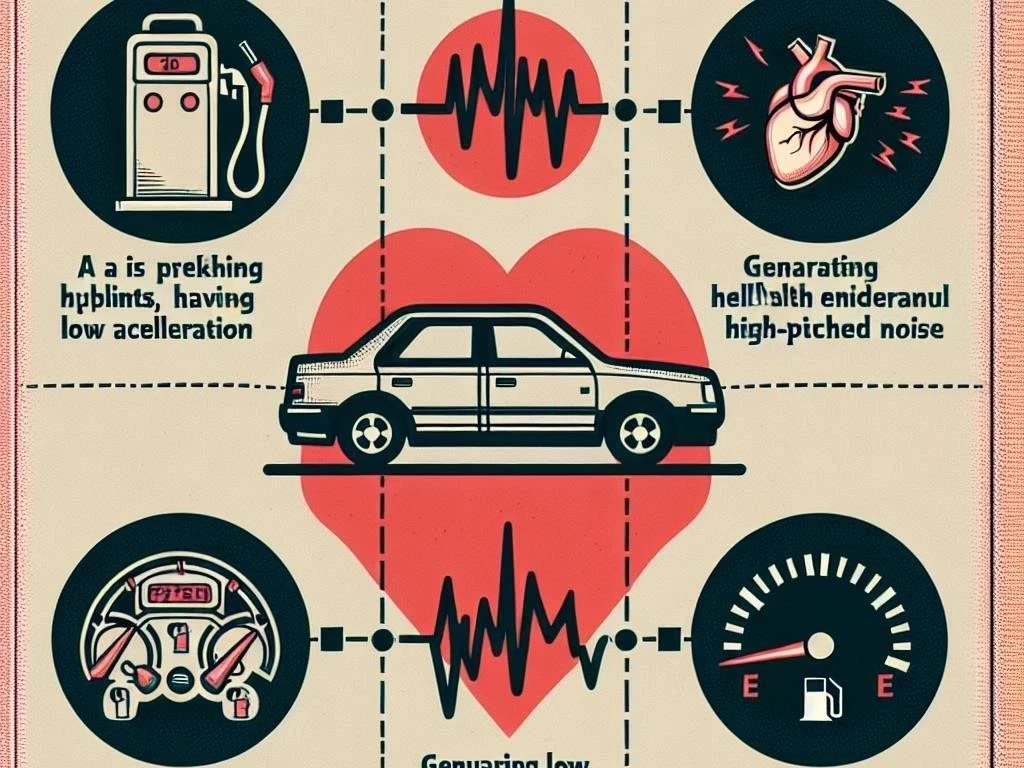
Weak Fuel Pump Symptoms
A weak fuel pump can lead to various symptoms affecting vehicle performance, including engine stalling, poor acceleration, and fuel delivery issues that require immediate attention.
The fuel pump is a crucial component in a vehicle’s fuel system, responsible for transferring fuel from the tank to the engine. It operates under various conditions, ensuring optimal fuel pressure and delivery. A properly functioning fuel pump maintains consistent performance, allowing for smooth engine operation and efficient fuel consumption. However, when issues arise, such as fuel pump failure, it can lead to significant car performance issues, requiring immediate troubleshooting and examination by a qualified mechanic.
Common Symptoms of Fuel Pump Failure
When experiencing fuel pump failure, several common symptoms may arise, indicating potential problems. Low fuel pressure often leads to engine stalling and poor acceleration, which can significantly impact driving. Additionally, a sputtering engine and engine misfires may occur, revealing underlying fuel delivery issues. It’s crucial to pay attention to these symptoms, as they can signal the need for urgent vehicle diagnostics and maintenance to prevent further complications and ensure reliable car performance.
2.1 Low Fuel Pressure
Low fuel pressure is a significant indicator of fuel pump failure, leading to inadequate fuel delivery to the engine. This condition can result in various performance issues, including engine stalling and poor acceleration. Drivers may notice that their vehicle struggles to start or runs inconsistently. Additionally, low fuel pressure can cause the engine to misfire or sputter, further complicating driving experience. Diagnosing low fuel pressure promptly is essential for maintaining optimal vehicle performance and longevity.
2.2 Engine Stalling
Engine stalling is a critical symptom of fuel pump failure, often resulting from inadequate fuel supply. When the fuel pump struggles to deliver the necessary fuel, the engine may unexpectedly shut off, leading to dangerous situations while driving. This sudden loss of power can occur during acceleration or while idling, causing frustration and concern. Identifying the root cause of engine stalling is vital for ensuring safety and restoring optimal vehicle performance through necessary repairs and maintenance.
2.3 Poor Acceleration
Poor acceleration can indicate underlying issues related to the fuel pump, often manifesting when it fails to provide sufficient fuel flow to the engine. Drivers may notice a sluggish response when pressing the accelerator, making it challenging to reach desired speeds. This symptom can be frustrating and may lead to unsafe driving conditions. Addressing poor acceleration is essential for maintaining vehicle performance, necessitating thorough troubleshooting to identify and resolve potential fuel delivery issues promptly.
Signs of Fuel Delivery Issues
Fuel delivery issues often manifest through noticeable symptoms, indicating potential problems with the fuel pump or associated components. If a vehicle exhibits a sputtering engine, it may be struggling to receive adequate fuel, leading to inconsistent performance. Additionally, engine misfires can occur when the fuel mixture is disrupted, causing hesitation and instability during acceleration. Recognizing these signs early is crucial for effective troubleshooting and ensuring that the fuel system operates efficiently and reliably.
3.1 Sputtering Engine
A sputtering engine is a common sign of fuel delivery issues, often linked to a malfunctioning fuel pump. When the fuel pump fails to maintain adequate pressure, the engine may receive inconsistent fuel flow, causing it to sputter during acceleration or at idle. This erratic performance not only affects driving comfort but can also lead to more severe engine problems if left unaddressed. Prompt diagnosis and repair are essential for restoring smooth engine operation and overall vehicle functionality;
3.2 Engine Misfires
Engine misfires are a significant symptom of fuel delivery issues, often resulting from inadequate fuel supply caused by a failing fuel pump. When the engine does not receive the correct amount of fuel, combustion becomes irregular, leading to misfires that can produce rough idling and a loss of power. This condition can also increase emissions and reduce fuel efficiency. Addressing engine misfires promptly is crucial for maintaining engine health and ensuring reliable vehicle performance over time.
Additional Indicators of Weak Fuel Pumps
In addition to the previously mentioned symptoms, several other indicators can signal weak fuel pumps. Warning lights on the dashboard may illuminate, alerting drivers to potential fuel system problems. Furthermore, decreased fuel efficiency can occur as the engine struggles to operate optimally. These signs should not be ignored, as they can lead to more severe issues. Regular checks and proactive maintenance are essential for ensuring the fuel system functions efficiently and maintaining overall vehicle reliability.
4.1 Warning Lights on Dashboard
Warning lights on the dashboard can serve as crucial indicators of underlying fuel pump issues. These lights may illuminate due to low fuel pressure or other fuel system malfunctions, prompting immediate attention. Ignoring these warnings can result in further damage to the engine or fuel system. Drivers should always consult their vehicle’s manual to understand what each warning light signifies and take appropriate action, including scheduling a mechanic inspection, to address potential fuel pump-related concerns promptly.
4.2 Decreased Fuel Efficiency
Decreased fuel efficiency is a notable symptom of a weak fuel pump, directly affecting a vehicle’s overall performance. When the fuel pump fails to deliver an adequate supply of fuel, the engine may consume more fuel than necessary, leading to reduced miles per gallon. This inefficiency can be frustrating for drivers, resulting in higher fuel costs. Monitoring fuel consumption patterns and addressing any noticeable drops in efficiency can help ensure optimal vehicle operation and longevity.
Mechanical Symptoms Related to Fuel Pumps
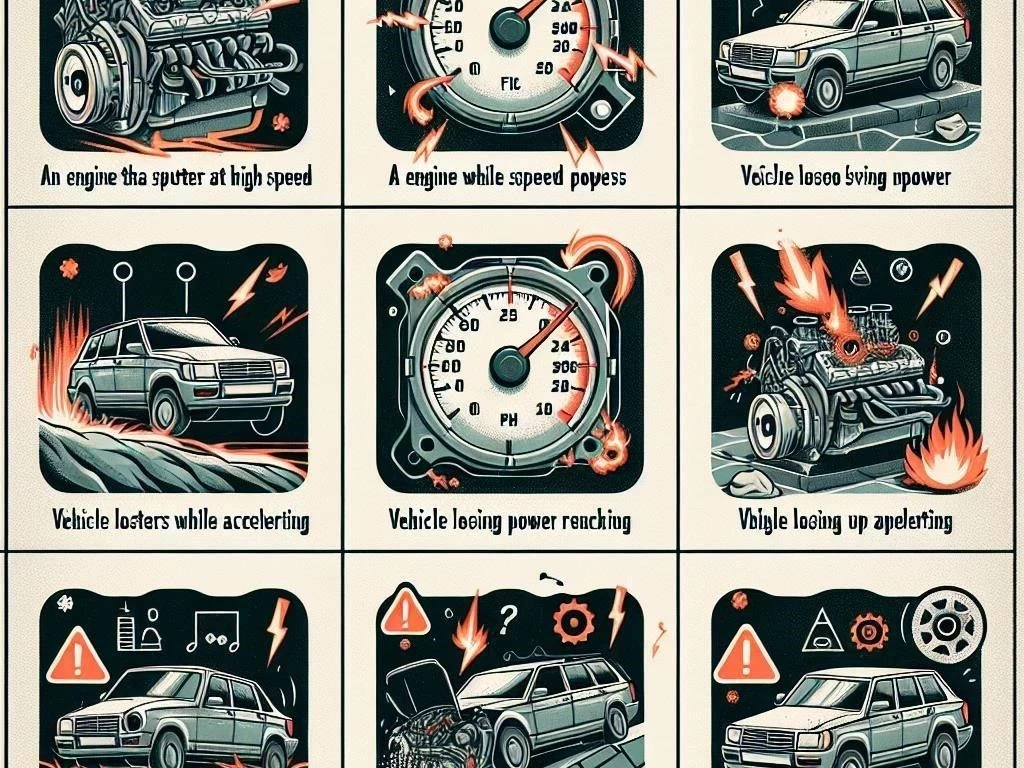
Mechanical symptoms related to fuel pumps can significantly impact vehicle functionality, often indicating serious underlying issues. Common signs include noise from the fuel tank, which may suggest pump wear or failure. Additionally, hard starting can occur when the pump struggles to deliver fuel to the engine. Another mechanical symptom is a surging engine, indicating inconsistent fuel supply. Recognizing these symptoms early is essential for prompt troubleshooting and maintaining overall vehicle reliability and performance.
5.1 Noise from Fuel Tank
Noises emanating from the fuel tank can be a telltale sign of a weak fuel pump. When the pump begins to fail, it may produce unusual sounds, such as whining or grinding, indicating wear or malfunction. These noises can signify that the pump is struggling to maintain proper fuel pressure, potentially leading to inadequate fuel delivery. Addressing noise from the fuel tank promptly is crucial for preventing further damage and ensuring optimal vehicle performance and reliability.
5.2 Hard Starting
Hard starting is a prevalent symptom of a weak fuel pump, often resulting from insufficient fuel delivery to the engine. When the pump fails to generate adequate pressure, the engine may struggle to start, requiring multiple attempts to turn over. This issue can be frustrating and may lead to further complications if not addressed. Timely diagnosis of hard starting can help pinpoint fuel system problems and ensure reliable vehicle operation, ultimately enhancing performance and safety.
5.3 Surging Engine
A surging engine is a notable symptom of a weak fuel pump, often caused by fluctuations in fuel delivery. When the pump fails to maintain consistent pressure, the engine may experience sudden bursts of power, followed by a drop in performance. This erratic behavior can be unsettling while driving, potentially leading to safety hazards. Recognizing a surging engine early is essential for diagnosing fuel system problems and ensuring timely repairs to maintain optimal vehicle functionality.
Investigating Fuel Pump Relay Problems
Investigating fuel pump relay problems is essential when diagnosing weak fuel pump symptoms. The fuel pump relay controls the power supply to the fuel pump, and if it malfunctions, it can lead to inadequate fuel delivery. Symptoms such as intermittent engine stalling or hard starting may arise if the relay fails. Conducting thorough checks of the relay and its connections can help pinpoint issues, ensuring the fuel pump operates efficiently and maintaining overall vehicle performance.
Importance of Regular Automotive Maintenance
Regular automotive maintenance is crucial in preventing weak fuel pump symptoms and ensuring optimal vehicle performance. Routine inspections can help identify potential issues before they escalate, allowing for timely repairs. By maintaining a clean fuel system, including replacing clogged fuel filters, drivers can enhance fuel delivery efficiency. Additionally, checking the fuel pump and related components during maintenance can prevent unexpected failures, ultimately leading to improved fuel efficiency, reliability, and safety on the road for all vehicles.
