





car vending machine
Car vending machines represent a revolutionary shift in the automotive purchasing experience, combining technology with convenience for customers seeking hassle-free vehicle acquisition.
What is a Car Vending Machine?
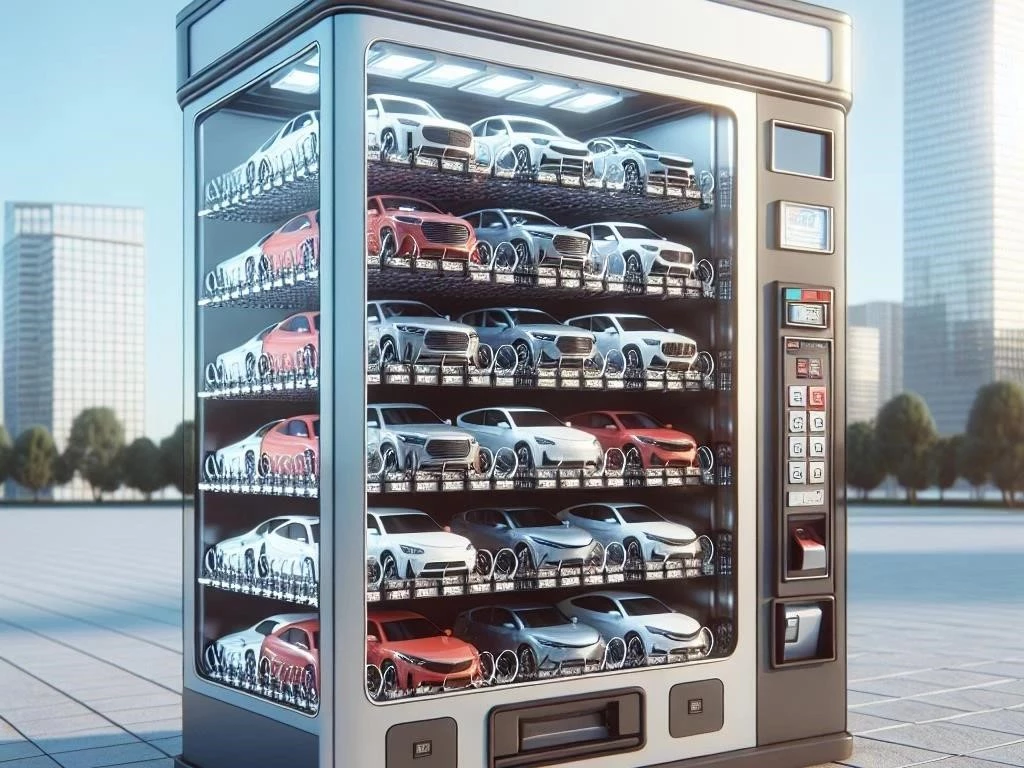
A car vending machine is an innovative and automated facility that allows customers to purchase vehicles in a self-service manner. Functioning similarly to traditional vending machines, these structures utilize advanced technology to dispense cars efficiently. Customers select their desired vehicle via a mobile app or kiosk, completing the transaction online before arriving at the machine. Upon arrival, they can retrieve their vehicle by inserting a token or code. This unique approach minimizes human interaction and streamlines the buying process, offering a futuristic experience for car shoppers. Car vending machines can also serve as space-saving solutions in urban environments, transforming the automotive market.
History and Evolution of Car Vending Machines
The concept of car vending machines originated from the growing demand for convenience in car buying. In 2013, Carvana introduced its first prototype, captivating public interest and paving the way for future advancements. This innovative solution combined traditional vehicle sales with modern technology, allowing customers to purchase cars online and retrieve them from automated structures. Over the years, the design and functionality of these machines have evolved significantly, incorporating sophisticated robotic systems to ensure seamless vehicle delivery. By 2015, Carvana expanded its footprint with multiple locations, while similar concepts emerged in countries like China and Singapore, further revolutionizing the automotive retail landscape.
How Car Vending Machines Work
Car vending machines utilize advanced technology to automate vehicle retrieval, allowing customers to select and acquire their purchased cars seamlessly through a user-friendly interface.
The Technology Behind Car Vending Machines
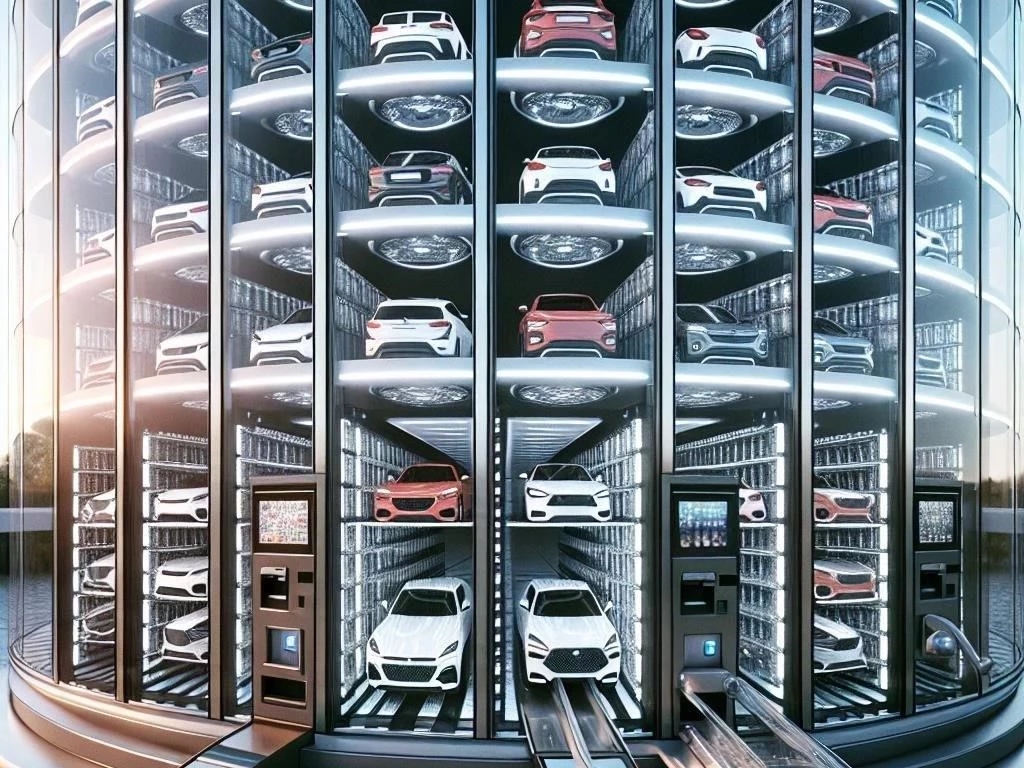
Car vending machines incorporate cutting-edge technology to streamline the vehicle buying process. At the core of these automated systems are robotic arms and mechanical lifts that retrieve cars from multi-story structures. Users interact with the machine through a touchscreen interface or mobile app, selecting their desired vehicle from an inventory displayed digitally. Once a purchase is confirmed, a token or code is generated, granting access to the vehicle. The system coordinates with robotics, ensuring efficient and precise retrieval. Additionally, these machines are designed for minimal human interaction, enhancing convenience while providing a futuristic experience that transforms traditional car dealerships into automated showrooms.
The Customer Experience: Step-by-Step Process
The customer experience with car vending machines begins with online vehicle selection via a dedicated app or website. After choosing a car, customers complete the purchase, often including financing options. Once the transaction is finalized, a unique token or code is generated for retrieval purposes. Customers then arrive at the vending machine location, where they can enter their code or insert the token. The machine’s advanced technology activates, retrieving the selected vehicle using robotic arms and lifts. After a brief wait, the car is delivered to the pickup area, where customers complete any necessary paperwork. This process emphasizes convenience and efficiency in vehicle acquisition.
Benefits of Car Vending Machines
Car vending machines offer numerous advantages, including enhanced convenience, improved customer experiences, and space-saving solutions, revolutionizing the traditional vehicle purchasing process.
Convenience and Accessibility
Car vending machines significantly enhance convenience and accessibility for customers in the vehicle purchasing process. By allowing users to browse and select vehicles online, they eliminate the need for time-consuming dealership visits. Customers can easily complete transactions from the comfort of their homes, making the entire experience more efficient. Upon arrival at the vending machine, individuals can retrieve their cars quickly using a token or code, reducing wait times. Additionally, these machines are often strategically placed in urban areas, maximizing accessibility for potential buyers. This innovative approach caters to the modern consumer’s preferences, transforming the traditional car-buying experience into a streamlined, hassle-free process.
Space-Saving Solutions
Car vending machines serve as innovative space-saving solutions, particularly in urban environments where real estate is limited. These structures utilize vertical designs, allowing multiple vehicles to be stored in a compact footprint, significantly reducing the land required compared to traditional dealerships. By stacking cars in multi-story configurations, they maximize the use of vertical space, enabling cities to accommodate more vehicles without expanding their physical footprint. This efficient use of space also benefits consumers by providing easier access to a wider selection of vehicles. Furthermore, the modern aesthetic of car vending machines can enhance urban landscapes, making them visually appealing while addressing practical storage challenges in densely populated areas.
Global Examples of Car Vending Machines
Car vending machines have emerged globally, showcasing innovative designs and functionalities, with notable implementations in countries like the United States, China, and Singapore.
Case Study: Carvana in the United States
Carvana is a pioneering example of car vending machines in the United States, revolutionizing the vehicle purchasing experience. Launched in 2013, Carvana introduced its first automated vending machine, capturing significant public attention. These multi-story glass structures allow customers to buy vehicles online and retrieve them conveniently. Upon arrival, buyers insert a special token, activating a sophisticated system of robotic arms and lifts to deliver their chosen car. Carvana’s unique approach emphasizes convenience, transforming car buying into an engaging and memorable experience. With numerous locations across the U.S., Carvana continues to lead the industry, showcasing how technology can enhance traditional car sales methods effectively.
International Innovations: Examples from China and Singapore
In China, car vending machines have gained popularity, particularly through collaborations between companies like Ford and Alibaba. These innovative structures allow customers to select and test-drive vehicles using a smartphone app, enhancing the buying experience. One notable example is a cat-themed car vending machine in Guangzhou, which attracts attention while offering free test drives for eligible users. In Singapore, a 15-story car vending machine showcases luxury brands, including Ferraris and Porsches, further illustrating the international appeal of this concept. These global implementations demonstrate how technology and creativity can transform the automotive retail landscape, catering to diverse consumer preferences across different markets.
The Future of Car Vending Machines
The future of car vending machines looks promising, with advancements in technology and evolving consumer preferences driving further innovations and widespread adoption in various markets.
Trends and Predictions for the Automotive Industry
The automotive industry is witnessing a significant shift towards automation and digitalization, with car vending machines playing a crucial role in this transformation. As consumer demand for convenience and efficiency increases, more companies are expected to adopt automated solutions for vehicle sales. Innovations in technology, such as artificial intelligence and machine learning, will further enhance the customer experience in car vending machines, enabling personalized recommendations and streamlined transactions. Additionally, the integration of electric vehicles into these systems will likely become more prevalent, addressing environmental concerns. The future holds exciting possibilities for car vending machines, reshaping how consumers interact with the automotive market.
Impact on Traditional Car Dealerships
The rise of car vending machines poses significant challenges to traditional car dealerships, prompting them to reevaluate their sales strategies. As these automated systems offer a streamlined, contactless purchasing experience, traditional dealerships may struggle to compete with the convenience and efficiency provided by vending machines. Consumers increasingly favor the ability to browse and buy vehicles online without the pressure of sales staff. This shift could lead to a decline in foot traffic at dealerships, forcing them to adopt more digital solutions and enhance customer experiences. To survive, traditional dealerships must innovate, integrating technology and improving service offerings to meet evolving consumer expectations.
