








curb weight
Understanding Curb Weight
Curb weight refers to a vehicle’s total weight, including necessary fluids, standard equipment, and a full tank of fuel, excluding passengers and cargo.
Definition of Curb Weight
Curb weight is defined as the total weight of a vehicle when it is fully equipped with standard features, including all necessary fluids like oil and coolant. This measurement also accounts for a full tank of fuel, ensuring the vehicle is ready for operation. However, curb weight does not include the weight of passengers, cargo, or any additional accessories added after manufacturing, providing a baseline understanding of the vehicle’s weight.
Importance of Curb Weight in Vehicle Performance
Curb weight plays a crucial role in determining a vehicle’s overall performance, handling, and fuel efficiency. Heavier vehicles may experience decreased acceleration and increased braking distances, impacting safety and driving experience. Conversely, lighter vehicles often have improved fuel economy, enabling better mileage. Additionally, the curb weight influences the vehicle’s stability, traction, and ability to navigate various road conditions, making it an essential factor for manufacturers and consumers alike in vehicle selection.
Factors Affecting Curb Weight
Various factors influence curb weight, including vehicle type, size, materials used in construction, standard equipment, and included fluids. Each element contributes significantly.
Vehicle Type and Size
The type and size of a vehicle significantly impact its curb weight. Larger vehicles, such as SUVs and trucks, generally have higher curb weights due to their larger frames and additional components. Conversely, smaller cars tend to be lighter, which can enhance fuel efficiency and agility. Additionally, the design and intended use of the vehicle, whether for passenger transport or cargo, further influence its overall weight, affecting performance characteristics.
Included Components in Curb Weight Calculation
When calculating curb weight, several essential components are included. These encompass the vehicle’s standard equipment, such as the engine, transmission, and braking system. Necessary fluids like coolant, oil, and transmission fluid are also accounted for, ensuring the vehicle is operational. Additionally, a full tank of fuel is included in this measurement, while passengers, cargo, and aftermarket accessories are excluded, allowing for an accurate representation of the vehicle’s weight when empty;
Curb Weight vs Gross Weight
Curb weight and gross weight represent different measurements. Curb weight includes the vehicle itself with fluids, while gross weight encompasses the total vehicle weight, including cargo.
Definitions and Differences
Curb weight refers to the total weight of a vehicle when it is ready for operation, including necessary fluids and standard equipment but excluding passengers and cargo. In contrast, gross weight encompasses the entire weight of the vehicle when fully loaded, which includes passengers, cargo, and any additional equipment. Understanding the difference between these two measurements is critical for assessing load limits, vehicle performance, and compliance with safety regulations in various situations.
Impact on Vehicle Regulations and Safety
The distinction between curb weight and gross weight significantly impacts vehicle regulations and safety standards. Many regulations are based on weight limits to ensure safe operation on public roads. Exceeding these limits can result in reduced handling, braking efficiency, and overall vehicle stability, increasing the risk of accidents. Additionally, manufacturers must adhere to specific weight guidelines to meet safety certifications, making understanding these weights essential for compliance and consumer safety;
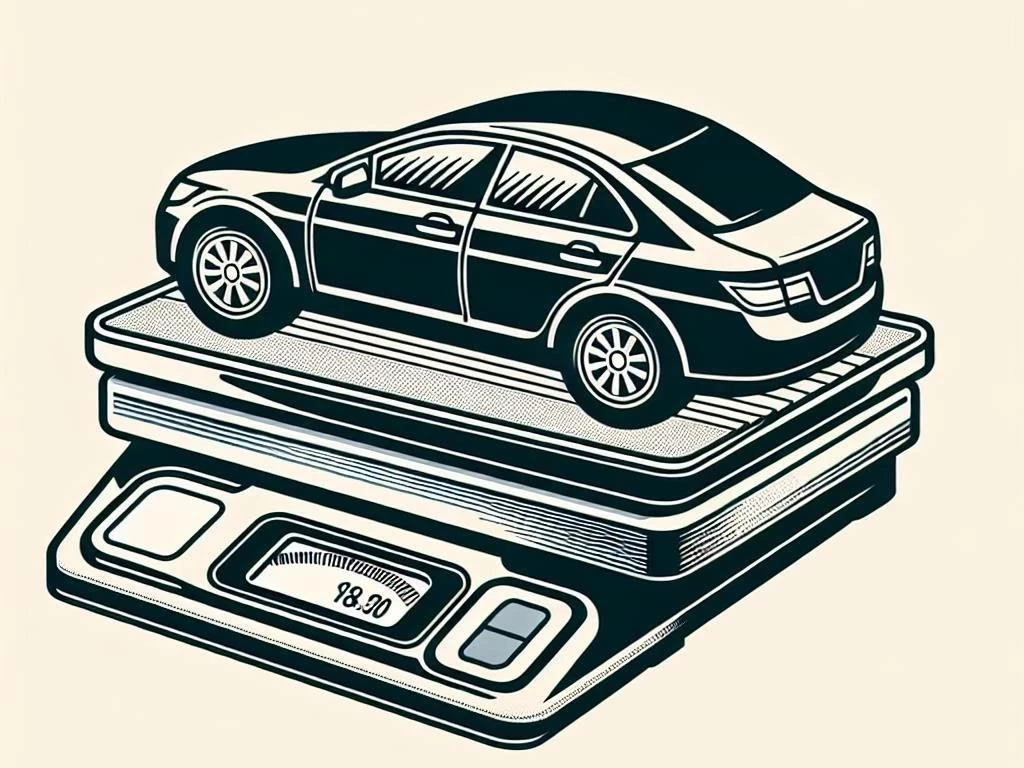
How Curb Weight Influences Fuel Efficiency
Curb weight significantly affects fuel efficiency, as lighter vehicles typically consume less fuel. Reducing weight enhances engine performance, leading to better mileage and lower emissions.
Relationship Between Weight and Fuel Consumption
The relationship between curb weight and fuel consumption is direct and significant. Heavier vehicles require more energy to accelerate, resulting in increased fuel usage. Conversely, lighter vehicles generally achieve better fuel efficiency, as they demand less power from the engine. This efficiency leads to reduced emissions and lower operating costs. Manufacturers often focus on weight reduction techniques to enhance fuel economy, making curb weight a critical factor in automotive design and engineering;
Examples of Fuel-Efficient Vehicle Designs
Many manufacturers prioritize curb weight reduction in fuel-efficient vehicle designs. For instance, lightweight materials like aluminum and carbon fiber are often used to decrease overall weight. Vehicles such as hybrid models and electric cars utilize innovative engineering to minimize weight while enhancing aerodynamics, resulting in improved fuel efficiency. Additionally, compact designs and advanced engine technology contribute to lower curb weights, allowing these vehicles to achieve optimal performance and excellent mileage on the road.
Measuring and Finding Curb Weight
To measure curb weight, manufacturers typically provide specifications that include essential fluids and standard equipment. Vehicle manuals and online databases also offer accurate curb weight information.
Methods to Determine Curb Weight
Determining curb weight can be accomplished through various methods. The most common approach is to consult the manufacturer’s specifications, typically found in the vehicle manual or on official websites. Alternatively, using a certified scale can provide an accurate measurement by weighing the vehicle when fully equipped with fluids but without passengers or cargo. Additionally, automotive databases and resources online offer readily available curb weight information for different vehicle models.
Resources for Vehicle Curb Weight Information
Several reliable resources provide accurate information about vehicle curb weight. Manufacturer websites often list specifications for each model, including curb weight values. Automotive databases and industry publications can also be valuable, offering comparisons and detailed analyses. Government agencies, such as the Environmental Protection Agency (EPA), provide data that includes weight classifications. Additionally, online forums and automotive enthusiast communities can share insights and personal experiences regarding specific vehicles and their curb weights.
