







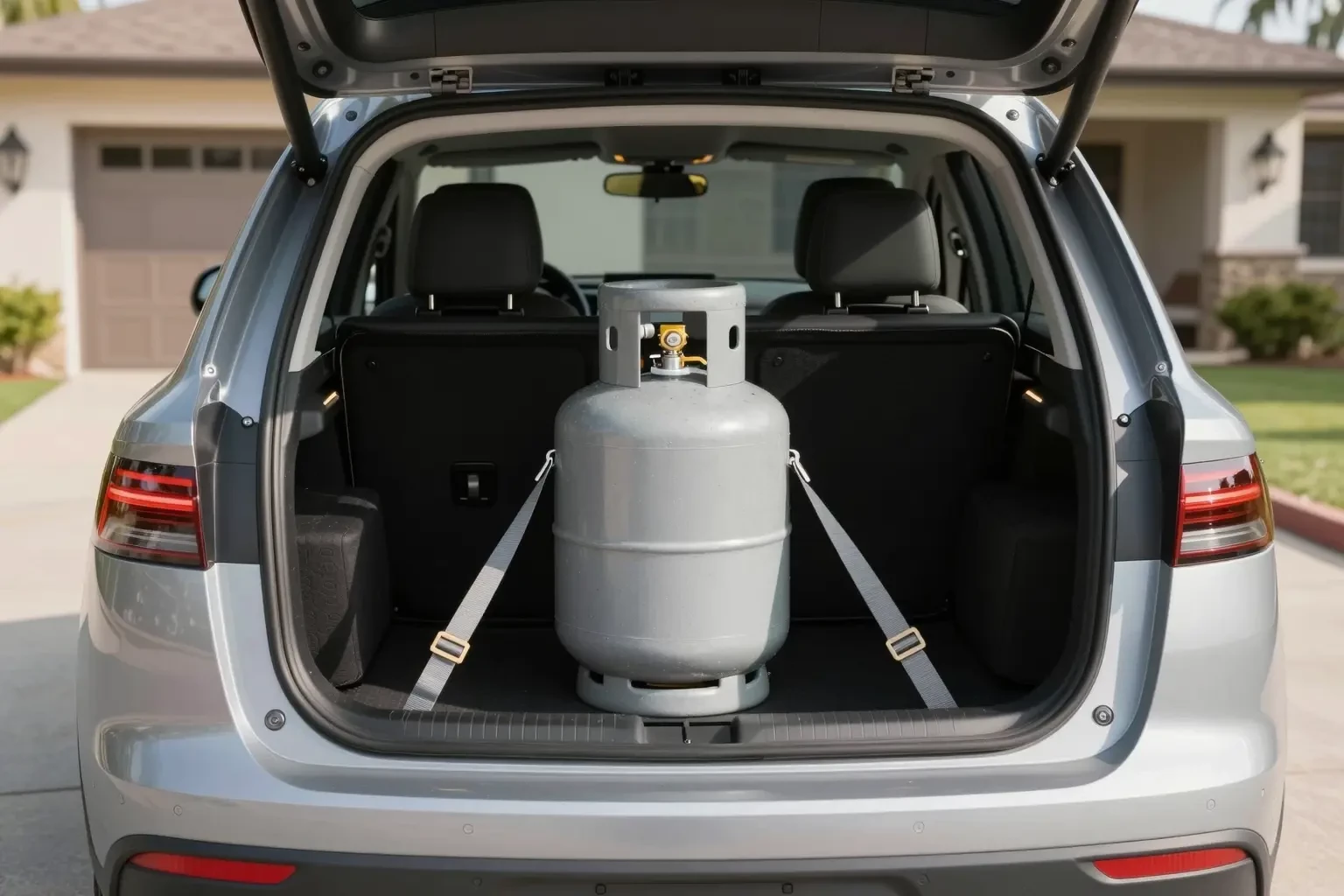
How to safely transport propane tank in car
Transporting propane tanks in your car can be a daunting task, given the flammable nature of propane and the strict regulations governing the transport of such materials. This article outlines the best practices for propane transportation, emphasizing vehicle safety, secure transport, and adherence to tank regulations. We will discuss essential topics such as flammable materials handling, proper ventilation, maintaining the upright position of tanks, leak prevention, and necessary emergency procedures;
Understanding Propane and Its Hazards
Propane is a widely used fuel source due to its efficiency and portability. However, it is a flammable material that requires careful handling and transportation. Propane tanks are pressurized containers that, if not handled properly, can pose serious safety risks. Understanding these hazards is the first step in ensuring safe transport.
Legal Requirements and Tank Regulations
Before transporting a propane tank, it’s important to be aware of the legal requirements and tank regulations in your area. These regulations are designed to ensure the safety of both the transporter and the public. They often include guidelines on maximum tank size, allowable pressure levels, and labeling requirements for flammable materials. Always check local and federal regulations before transporting propane.
Vehicle Safety and Secure Transport
Ensuring vehicle safety and secure transport of the propane tank is crucial. Here are key guidelines:
- Use a well-ventilated vehicle: Proper ventilation is essential to prevent the buildup of propane fumes inside the vehicle. Transport the tank in a well-ventilated area, preferably in an open truck bed or with windows partially open if inside a car.
- Secure the tank: The propane tank should be securely fastened to prevent movement during transit. Use appropriate straps or bungee cords to hold the tank in place, ensuring it remains upright and stable.
Handling Precautions and Load Securing
Proper handling precautions and load securing are vital to prevent accidents during transportation:
- Keep the tank upright: Always transport the propane tank in an upright position to prevent gas leakage through the relief valve. This position also ensures the liquid propane remains at the bottom of the tank.
- Avoid heat sources: Keep the tank away from direct sunlight, heaters, or any other sources of heat that could increase the pressure inside the tank.
- Check for leaks: Before transport, perform a leak test by applying soapy water to the valve and connections. Look for bubbles indicating a leak.
Temperature Control and Ventilation
Controlling the temperature and ensuring proper ventilation are critical steps in safely transporting propane tanks:
- Temperature control: Avoid transporting the tank in extreme temperatures. High temperatures can increase internal pressure, while freezing temperatures can affect the tank’s integrity.
- Maintain ventilation: Ensure there is adequate airflow around the tank to disperse any minor leaks and prevent the accumulation of propane fumes;
Emergency Procedures and Hazard Awareness
Being prepared for emergencies is essential when transporting propane tanks. Here’s what to do:
- Emergency procedures: Always carry a fire extinguisher rated for flammable materials. In case of a leak or fire, evacuate the vehicle and call emergency services.
- Hazard awareness: Be aware of the symptoms of propane exposure, such as dizziness, difficulty breathing, or nausea. If you experience these, stop the vehicle, and move to a safe area.
Transporting a propane tank in a car requires careful consideration of safety guidelines, legal requirements, and handling precautions. By adhering to these practices, you can ensure a secure and safe journey for both yourself and others on the road. Always prioritize hazard awareness and be prepared with emergency procedures in case of any incidents. By following these comprehensive guidelines, you can minimize risks and ensure the safe transport of propane tanks.
