







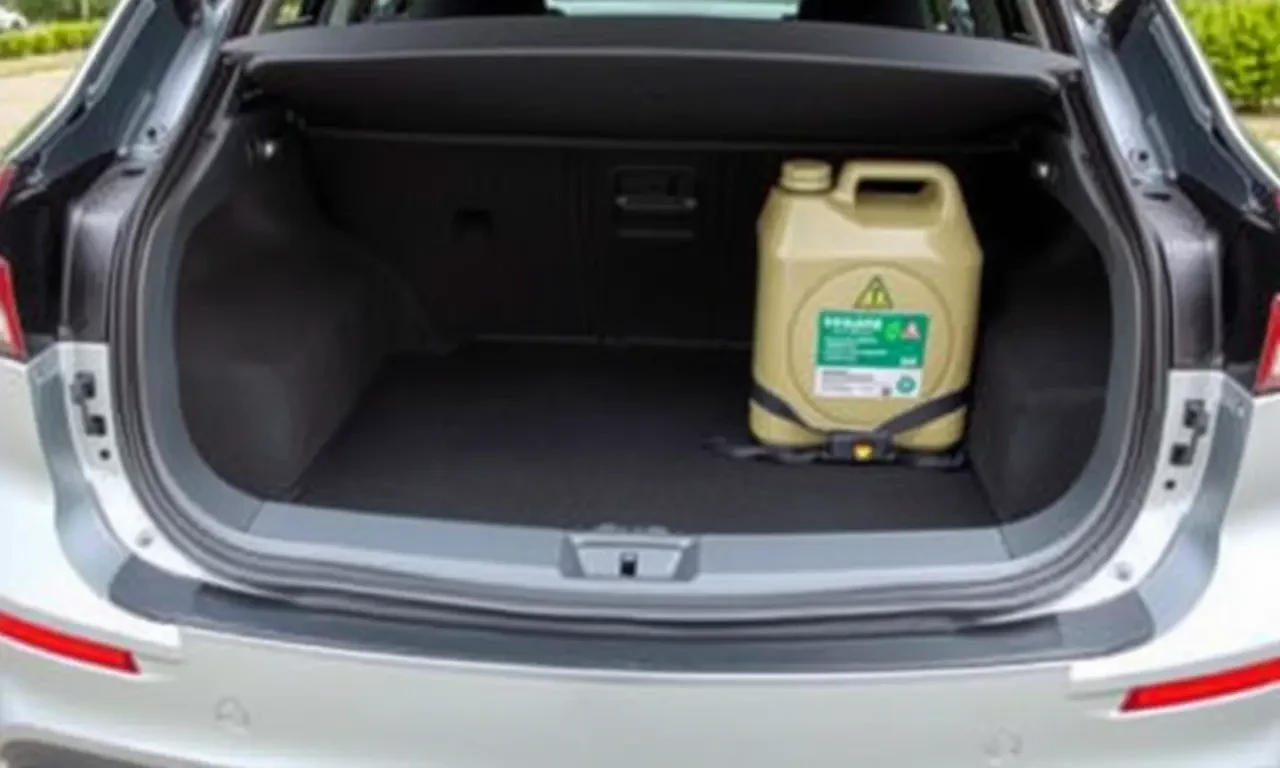
How to safely transport gasoline in a car
Transporting gasoline in a car requires careful attention to safety protocols to prevent accidents and ensure the wellbeing of everyone involved. Gasoline is a highly flammable substance, and its improper handling can lead to dangerous situations. This guide covers important aspects of safely transporting gasoline, including the use of appropriate containers, securing the load, managing spills, handling fumes, and complying with regulations.
Choosing the Right Container
The first step in safely transporting gasoline is selecting an appropriate container. It’s crucial to use containers specifically designed for gasoline storage. These containers are built to withstand the corrosive nature of gasoline and prevent leaks. Look for containers that are clearly marked for gasoline use, typically made of high-density polyethylene or metal. Ensure that the container has a secure, leak-proof lid and a vent to prevent pressure build-up.
Ensuring Secure Transport
Once you’ve selected a suitable container, proper securing of the container in your car is essential. Place the gasoline container in the trunk of your car to isolate it from the passenger compartment. Use straps or bungee cords to secure the container and prevent it from moving during transport. A moving container can lead to spills and increase the risk of an accident. Always check the capacity of the container and avoid overfilling, as this can cause spills during transit.
Preventing Spills and Managing Fumes
Spills can be hazardous not only due to the risk of fire but also because of the toxic fumes gasoline emits. Ensure the container is tightly sealed and placed upright. If a spill occurs, clean it immediately with absorbent materials, and properly dispose of contaminated materials according to local regulations. Always transport gasoline with adequate ventilation; keep windows open to disperse any fumes that may accumulate.
Understanding the Risks of Flammable Fumes
Gasoline fumes are highly flammable and can ignite even from a small spark. Therefore, it’s critical to avoid smoking or using any open flames near the gasoline. Ensure your car is well-ventilated to minimize fume accumulation. In case of a noticeable gasoline odor, stop the vehicle in a safe area, check for leaks, and address any issues before resuming travel.
Regulations and Legal Considerations
Different regions have specific regulations regarding the transport of gasoline. It’s important to familiarize yourself with local laws and regulations to ensure compliance. Some areas may have restrictions on the quantity of gasoline that can be transported by private individuals, so always check the legal capacity limits. Violating these regulations can result in fines or legal actions.
Handling Emergencies
Despite precautions, emergencies can occur. Be prepared by carrying a fire extinguisher rated for flammable liquids (Class B) in your vehicle. In case of a fire, use the extinguisher to contain small fires, and immediately call emergency services. Do not attempt to handle large fires on your own. Awareness and preparedness can significantly reduce the risks associated with transporting gasoline.
Proper Storage Practices
If you need to store gasoline after transport, choose a cool, dry, and well-ventilated area away from direct sunlight and heat sources. Temperature fluctuations can cause pressure build-up in the container, increasing the risk of leaks. Ensure the storage area is inaccessible to children and pets to prevent accidental exposure.
Safely transporting gasoline in a car requires diligence and adherence to safety guidelines. By using the right containers, securing them properly, managing spills, ensuring adequate ventilation, and knowing the legal regulations, you can minimize the risks associated with gasoline transport. Remember always to handle gasoline with care and be prepared for emergencies. Safety should always be the priority when dealing with flammable substances like gasoline.
