







How to safely transport a cat in a car
Traveling with a cat in a car can be a daunting experience, both for the pet and the owner. Ensuring the safety and comfort of your feline companion is crucial to make the journey pleasant and stress-free. This article will guide you through the essential steps and precautions for safely transporting a cat in a car.
Choosing the Right Pet Carrier
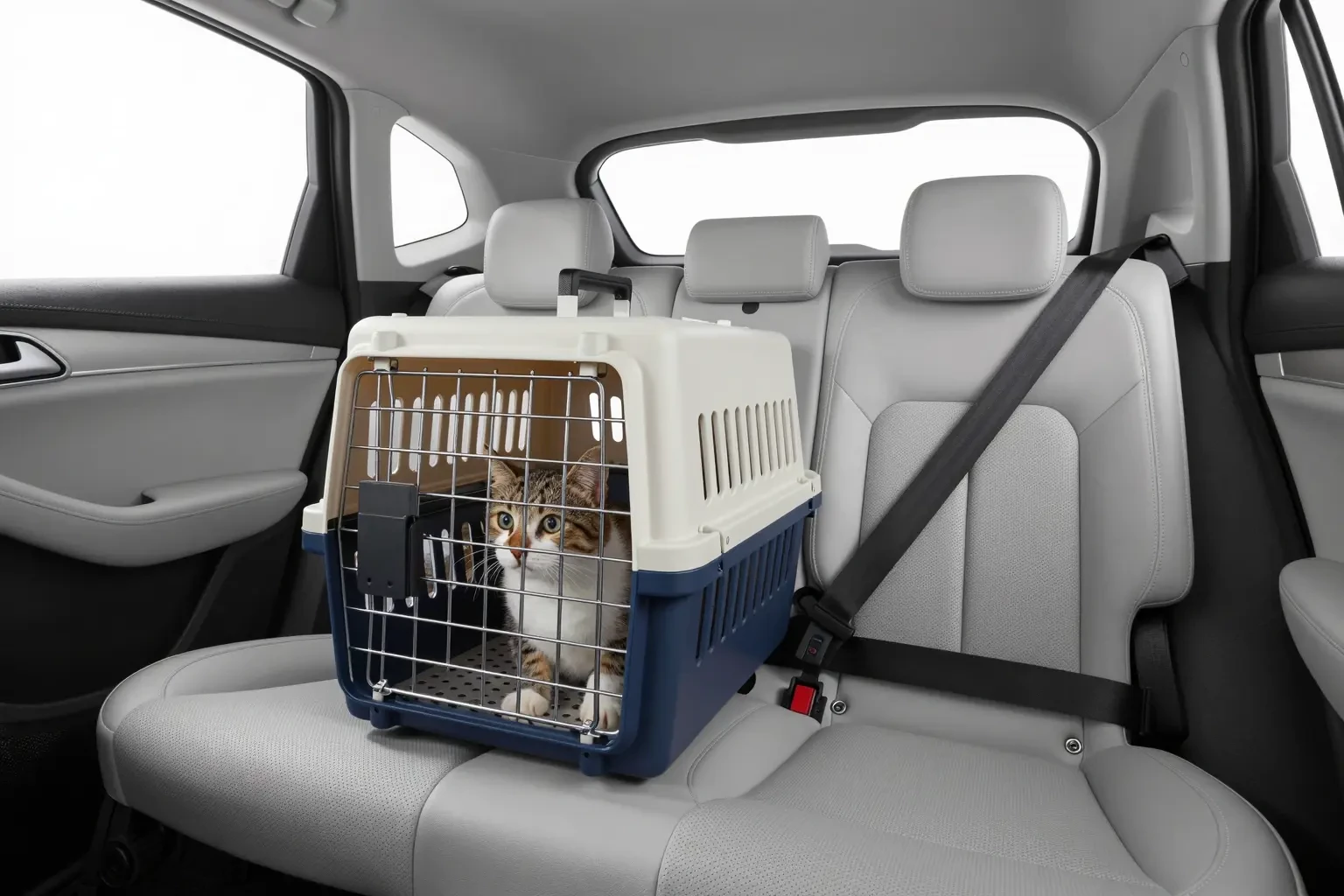
The first step in transporting your cat is choosing an appropriate pet carrier. It should be spacious enough for your cat to sit, stand, and turn around comfortably. A carrier with a secure harness is ideal to prevent your cat from escaping during transit. Make sure the carrier is sturdy and equipped with adequate ventilation to ensure your cat’s comfort and safety.
Preparing Your Cat for Travel
To minimize travel anxiety, familiarize your cat with the carrier before the journey. Place a familiar blanket or towel inside the carrier to provide a sense of security and comfort. Allow your cat to explore the carrier at home, ensuring it becomes a part of their environment. This exposure can significantly reduce stress on the travel day.
Positioning the Carrier in the Car
For optimal safety, place the carrier on the rear seat of the vehicle. Secure it with a seat belt to prevent movement during travel. This reduces the risk of injury in case of sudden stops or accidents. Avoid placing the carrier in the front seat due to potential hazards from airbags.
Maintaining a Comfortable Environment
Monitor the vehicle temperature to ensure it remains at a comfortable level for your cat. Extreme temperatures can be harmful, so adjust the air conditioning or heating as necessary. Additionally, reduce noise reduction by keeping the radio at a low volume and avoiding loud noises that may startle your cat.
Managing Motion Sickness and Anxiety
Some cats experience motion sickness during car rides. Consult with a veterinarian for advice on managing this issue, which may include medication or natural remedies. Using calming sprays or pheromone diffusers in the carrier can also help alleviate anxiety.
Ensuring Hydration and Nutrition
Keep your cat well-hydrated by offering water before and during the journey. For long trips, provide small amounts of food and water during frequent stops to prevent dehydration and hunger. However, avoid overfeeding, as a full stomach can exacerbate motion sickness.
Taking Regular Breaks
Plan frequent stops during long journeys to allow your cat some time to relax. Ensure these stops are in safe environments where you can check on your cat’s well-being. Use these breaks to offer water, check for signs of stress, and allow your cat to use a litter box if necessary.
Safety Precautions During Travel
Always adhere to safety precautions while traveling with your cat. Avoid leaving your cat alone in the car, especially in extreme weather conditions, as this can lead to heatstroke or hypothermia. In case of emergencies, have your veterinarian’s contact information readily available.
Utilizing a Travel Crate
In some cases, a travel crate may be more suitable than a traditional pet carrier, especially for longer trips. Crates provide more space and can include additional comforts like litter boxes. Ensure the crate is securely fastened in the vehicle and provides adequate ventilation.
Seeking Professional Guidance
If you’re uncertain about any aspect of traveling with your cat, seek veterinarian advice. A veterinarian can provide specific recommendations based on your cat’s health, temperament, and travel history, ensuring a safe and comfortable journey.
By taking the necessary precautions and planning ahead, you can ensure a safe and stress-free car journey for your cat. From selecting the right pet carrier to maintaining a comfortable travel environment, every step contributes to the well-being of your feline friend. Remember, a calm and prepared owner will help make the trip smooth and enjoyable for both you and your cat.
