







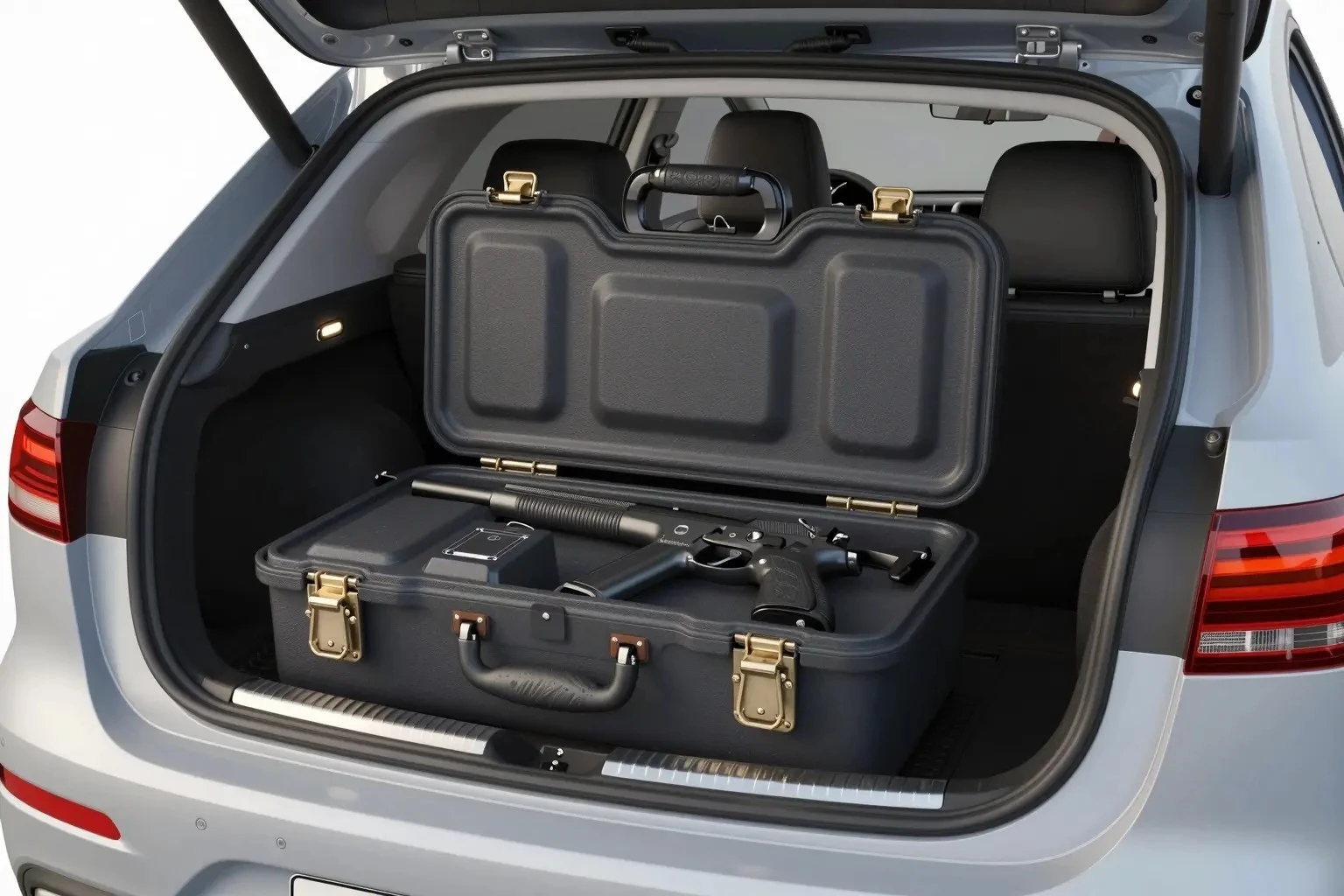
How to legally transport a gun in a car
Transporting firearms in a vehicle requires adhering to various laws and regulations to ensure safety and compliance with legal standards. Firearm owners must be aware of the specific requirements regarding transportation of firearms to avoid legal issues. This guide provides a comprehensive overview of the essential elements involved in legally transporting a gun in a car.
Understanding Firearm Transportation Laws
The legality of transporting a firearm in a vehicle is governed by both federal and state laws. It is crucial to understand that these laws can vary significantly between jurisdictions. Firearm owners must familiarize themselves with the specific transportation laws applicable in the state they are in as well as any states they plan to travel through.
Federal Regulations
According to federal law, specifically the Firearm Owners Protection Act (FOPA), individuals are generally allowed to transport firearms across state lines provided they are legally entitled to possess a firearm in both the state of origin and the state of destination. The firearm must be unloaded and neither the firearm nor any ammunition can be readily accessible from the passenger compartment of the vehicle.
State Laws and Regulations
State laws can impose additional restrictions on the transportation of firearms. For instance, some states require firearms to be transported in a locked container, while others may mandate that the firearm be stored in the vehicle’s trunk. Additionally, certain states may require a concealed carry permit to transport a loaded firearm in a vehicle.
Concealed Carry Permits
In states where a concealed carry permit is required, firearm owners must ensure they have a valid permit before transporting a loaded firearm in their vehicle. Failure to comply with these requirements can result in legal penalties.
Guidelines for Safe and Legal Transportation
When transporting a firearm in a vehicle, it is essential to follow specific transport guidelines to ensure both legality and safety:
- Unloaded Firearm: The firearm should always be unloaded during transportation.
- Lock and Secure: Store the firearm in a locked container, such as a gun case, to prevent unauthorized access.
- Trunk Storage: If possible, place the locked container in the vehicle’s trunk. If the vehicle does not have a trunk, the firearm should be placed in a location that is not accessible to the driver or passengers, such as a locked glove compartment.
- Ammunition Storage: Store ammunition separately from the firearm, ideally in a separate locked container.
Compliance and Jurisdictional Considerations
Firearm owners must be vigilant about compliance with the specific transportation laws in each jurisdiction they travel through. This may include obtaining necessary permits and adhering to local regulations regarding firearm and ammunition storage.
- Check Local Laws: Before traveling, review the firearm transportation laws in each state on your route.
- Obtain Permits: Ensure you have any required permits, such as a concealed carry permit, before transporting firearms.
- Document Compliance: Keep documentation of your compliance with transportation laws, such as permits and proof of ownership, readily available.
Transporting a firearm in a vehicle involves navigating a complex landscape of legal requirements. By understanding and adhering to both federal and state regulations, firearm owners can ensure they transport their firearms safely and legally. Always prioritize safety and compliance to prevent legal issues and promote responsible firearm ownership.
