







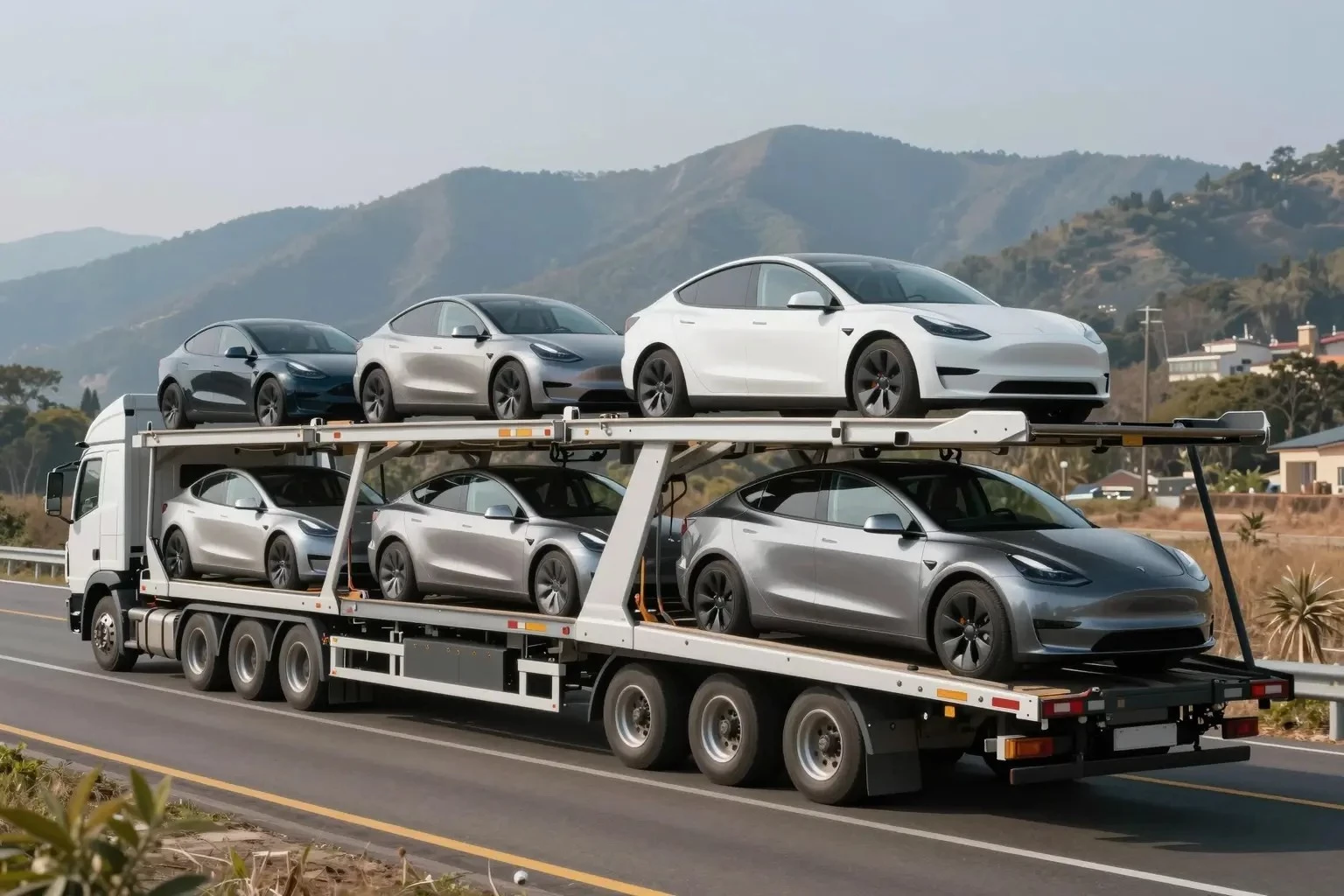
How does tesla transport their cars
Tesla, a leader in the electric vehicle industry, has revolutionized not only the manufacturing of cars but also the logistics and transportation components of their supply chain. This article delves into the various methods Tesla employs to transport their cars from production facilities to delivery centers around the world. Understanding Tesla’s transportation strategies sheds light on their logistics network, which is crucial for maintaining efficiency in both domestic and international markets.
Production Facilities and Gigafactories
At the heart of Tesla’s logistics network are its production facilities, prominently including Gigafactories. These facilities are strategically positioned to optimize the manufacturing and distribution processes. Tesla’s Gigafactories are located in key regions to serve both local and overseas markets effectively. The Gigafactory in Nevada, USA, and the Gigafactory Shanghai in China are examples of such strategic placements, significantly reducing the distance between manufacturing centers and delivery points.
Logistics Network and Supply Chain
Tesla’s logistics network is a complex web that integrates various transport methods to ensure efficient car delivery. The supply chain begins at the production facilities, where vehicles are assembled and prepared for shipment. Tesla employs a mix of logistics partners and in-house capabilities to manage the transportation of their electric vehicles.
Transport Methods
The choice of transport methods is crucial for Tesla’s logistics operations. These methods include:
- Trucking and Car Haulers: For short to medium distances, Tesla uses trucking services and car haulers. These carriers are responsible for transporting vehicles to nearby delivery centers.
- Rail Transport: For longer domestic routes, rail transport is a cost-effective and environmentally friendly option. Rail networks allow for the shipment of multiple vehicles at once, reducing the carbon footprint associated with logistics.
- International Shipping: For overseas markets, Tesla utilizes international shipping services. Vehicles are loaded onto freight ships and transported across oceans to reach various continents.
Distribution and Delivery Centers
Once vehicles reach their destination country, they are distributed to local delivery centers. Tesla has established a network of these centers to facilitate the final delivery phase. Delivery centers are strategically located to minimize the distance between the point of arrival and the end customer, ensuring quick and efficient delivery.
Logistics Partners and Companies
Tesla collaborates with numerous logistics companies to enhance their delivery capabilities. By partnering with experienced logistics providers, Tesla ensures that their vehicles are handled by professionals who specialize in auto transport. This collaboration extends from freight companies to specialized car hauling services, each playing a vital role in the seamless delivery of vehicles.
Challenges and Innovations in Car Delivery
The logistics of transporting electric vehicles present unique challenges. Tesla continuously innovates to overcome these obstacles, ensuring their logistics network remains robust and efficient. Challenges include:
- Battery Handling: Safely transporting batteries is a key concern due to their size and potential hazards. Tesla’s logistics network takes special precautions to ensure battery safety during transit.
- Regulatory Compliance: Navigating international shipping regulations requires meticulous planning and execution to avoid delays and ensure compliance.
- Environmental Impact: Tesla, committed to sustainability, continuously seeks ways to reduce the environmental impact of their logistics operations. This includes optimizing routes and employing eco-friendly transport methods.
Innovative Solutions
To address these challenges, Tesla invests in innovative logistics solutions. These include advanced tracking systems to monitor shipments in real-time and the use of electric trucks for short-distance deliveries, aligning with the company’s sustainability goals.
Tesla’s approach to car transportation is a testament to their commitment to efficiency and sustainability. By leveraging a diverse range of transport methods and collaborating with logistics partners, Tesla ensures that their electric vehicles reach customers worldwide in a timely and eco-friendly manner. As the company continues to expand its manufacturing and distribution capabilities, Tesla’s logistics network will play an increasingly vital role in their mission to accelerate the world’s transition to sustainable energy.
