







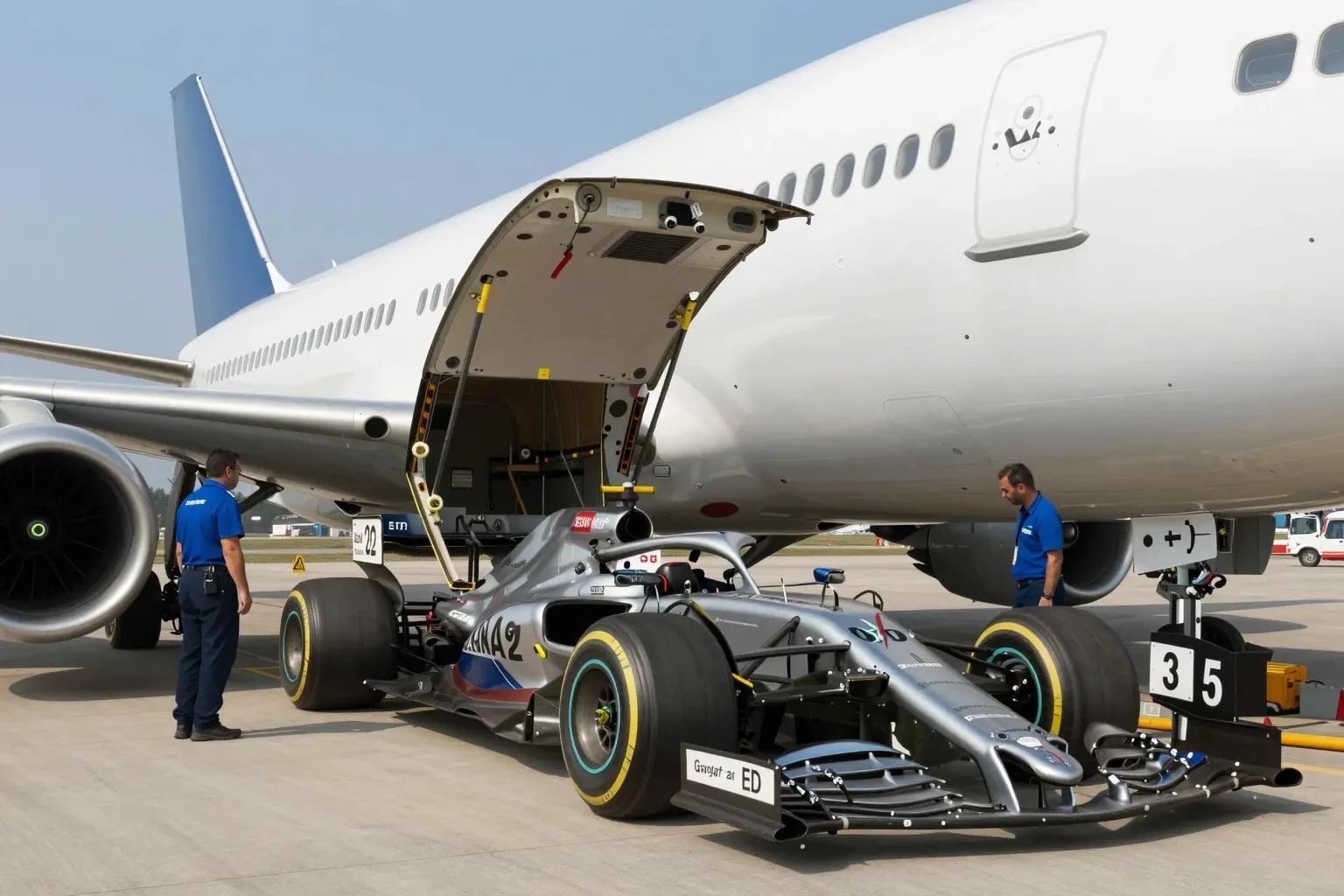
how do they transport f1 cars from race to race
Formula 1 is legendary not only for its exhilarating races and cutting-edge technology but also for the incredible logistics that go into transporting the teams and their equipment around the globe. The logistics of transporting F1 cars and all the associated gear from one race to another is a complex, high-stakes operation that requires precision, coordination, and efficiency. This article delves into the intricacies of the logistics involved in Formula 1, focusing on transportation, freight, and the meticulous planning that enables the world’s fastest cars to compete on racing circuits around the world.
The Logistics of Formula 1 Transportation
The logistics involved in transporting Formula 1 cars and equipment are a marvel of modern-day coordination and precision. Given the international nature of the sport, races are scheduled across different continents, requiring teams to move their entire operation swiftly and efficiently from one location to another. This includes not only the cars themselves but also the vast array of equipment, tools, and support vehicles essential for racing.
Modes of Transportation: Air Cargo and Freight Shipping
Formula 1 teams employ multiple modes of transportation to ensure everything arrives at the next destination on time. The primary methods include air cargo and freight shipping:
- Air Cargo: For the majority of races, especially those outside Europe, air cargo is the preferred method. It is fast, reliable, and allows teams to transport their cars and key equipment quickly. Specialized air cargo planes are used to carry the cars, which are dismantled and packed into custom containers and crates to fit into the aircraft.
- Freight Shipping: For European races and when time permits, freight shipping via trucks or sea is utilized. This method is more cost-effective but takes longer, thus requiring meticulous schedule planning.
Challenges of International Travel
Transporting Formula 1 equipment internationally presents unique challenges, particularly concerning customs and coordination. Each country has its own customs regulations, which teams must navigate to ensure all equipment clears customs smoothly. This requires precise documentation and often involves coordination with local authorities to expedite the process.
Precision and Efficiency: The Key to Success
The success of Formula 1 logistics hinges on precision and efficiency. Every aspect of the transportation process is meticulously planned and executed to minimize downtime and maximize performance on race day.
Packing, Dismantling, and Setup
The process begins with dismantling the cars and equipment post-race. Vehicles are carefully taken apart to fit into containers and crates. This is done by the pit crew and logistics team, who ensure that every part is securely packed. Each component is labeled and cataloged to facilitate quick assembly at the next destination.
Once at the new location, the setup process begins. Teams work tirelessly to reassemble the cars and prepare all equipment for the upcoming race. This requires not only technical skill but also an in-depth understanding of the logistical timeline to ensure everything is ready on schedule.
Teardown and Coordination
After each race, the teardown process is initiated. This involves dismantling the equipment once again, readying it for transportation to the next race. The coordination of these efforts is crucial, as any delays can impact the team’s ability to perform at the highest level.
The Role of Teams and Pit Crews
Formula 1 teams are integral to the logistics process. Each team has a dedicated logistics manager who oversees the transportation of equipment. The pit crew plays a crucial role in dismantling and setting up the cars, ensuring they meet the rigorous demands of F1 racing.
The coordination between teams, logistics personnel, and pit crews is paramount. This collaboration ensures that all aspects of the operation run smoothly, from the initial packing to the final setup at the racing circuits.
The logistics of transporting Formula 1 cars from race to race is a feat of precision, efficiency, and coordination. It involves the seamless integration of air cargo, freight shipping, meticulous planning, and teamwork. As the pinnacle of motorsport, Formula 1 not only showcases engineering excellence on the racetrack but also off it, with its unparalleled logistical operations ensuring that every race is a spectacle of speed and technology.
