







How to Ship a Car Across Country
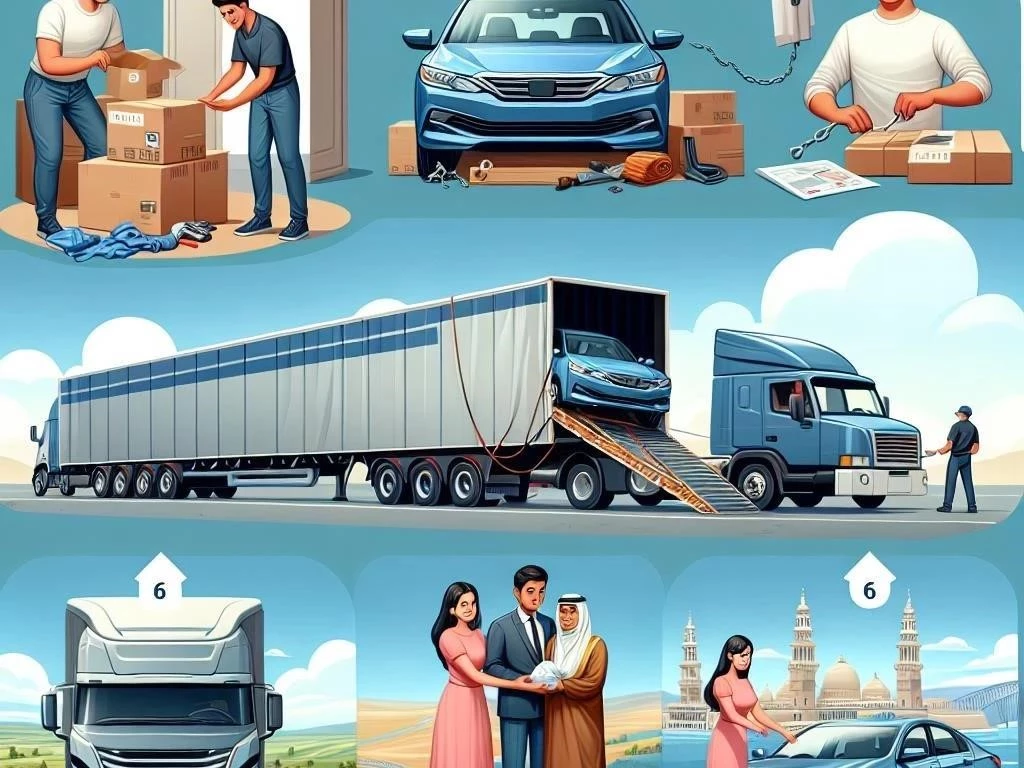
Shipping a car across the country involves understanding various vehicle transport options, comparing shipping costs, and selecting reliable automobile shipping companies to ensure a smooth and efficient process for car delivery.
Understanding Car Shipping Options
When considering car shipping across the country, it’s essential to understand the various options available for vehicle transport. The most common methods include open transport and enclosed transport. Open transport is typically more cost-effective, allowing multiple vehicles to be transported simultaneously on an open car carrier. However, it exposes your vehicle to the elements, which might not be suitable for all cars, especially classic or luxury models. In contrast, enclosed transport provides added protection, shielding your vehicle from weather conditions and road debris. This method is ideal for high-value or delicate automobiles, ensuring safe delivery.
Additionally, you should explore interstate transport regulations, as they can vary by state. Familiarize yourself with shipping insurance options to safeguard against potential damage during transit. Many vehicle shipping companies offer online booking, making the process more convenient. Always check customer reviews to gauge the reliability of different auto transport services, which can significantly influence your shipping experience and peace of mind.
Choosing the Right Vehicle Transport Method
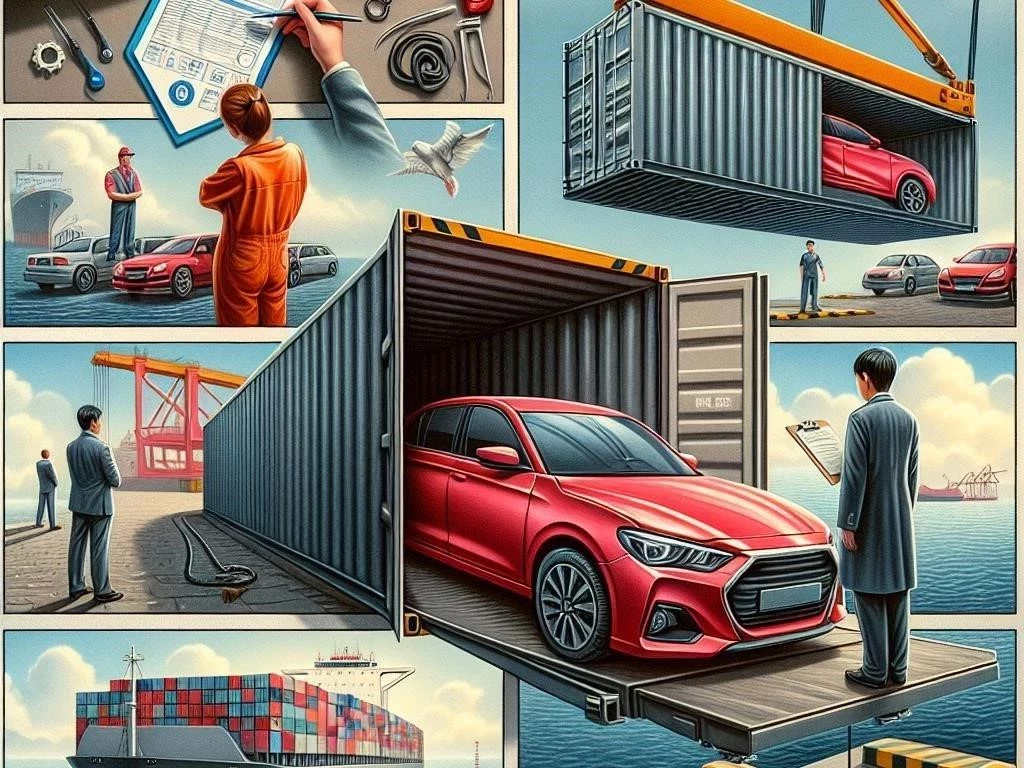
Selecting the appropriate vehicle transport method is crucial for a successful car shipping experience. There are several options to consider, including open transport and enclosed transport. Open transport is the most popular and cost-effective method, where multiple vehicles are loaded onto a flatbed truck. This method is ideal for everyday cars, as it provides a balance between affordability and efficiency. However, it leaves vehicles exposed to weather and road conditions, which may not be suitable for luxury or classic cars.
Enclosed transport is a premium option that offers enhanced protection for your vehicle. It involves transporting cars in a fully enclosed trailer, shielding them from potential damage during transit. While this method comes with higher shipping costs, it is worth considering for high-value automobiles or those requiring extra care. Additionally, some vehicle shipping companies provide specialized freight services tailored to unique needs, such as oversized vehicles or motorcycles. Evaluating your budget, vehicle type, and protection needs will help you make an informed choice.
Comparing Car Shipping Costs
When planning to ship a car across the country, comparing car shipping costs is essential to ensure you get the best deal without compromising service quality. Various factors influence shipping costs, including distance, transport method, and vehicle type. Typically, long-distance car shipping incurs higher fees than local deliveries. Open transport is usually more affordable than enclosed transport, but it’s important to weigh the cost against the need for vehicle protection.
To obtain accurate shipping quotes, consider reaching out to multiple vehicle shipping companies. Many provide free online estimates based on your specific needs. Be sure to ask about any additional fees, such as fuel surcharges or shipping insurance, which can impact the overall cost. Customer reviews can also provide insight into the value and reliability of the services offered. By comparing quotes and evaluating the services included, you can make an informed decision and find a balance between affordability and quality, ensuring a smooth car delivery experience.
Preparing Your Vehicle for Transport
Properly preparing your vehicle for transport is essential to ensure a smooth shipping process. Start by cleaning your car, both inside and out, to inspect it for any existing damage. This way, you can document its condition before transport. Take clear photographs from multiple angles to serve as a reference should any issues arise during the journey. Next, remove any personal belongings, as most auto transport services do not cover lost or damaged items during transit.
Check the vehicle’s fluid levels, tire pressure, and battery condition to ensure it’s ready for the shipping process. It’s advisable to leave only a quarter tank of gas to minimize weight while still allowing for loading and unloading. Disable any alarms and ensure that your car is in working condition for easy pickup and delivery. Lastly, inform your vehicle shipping company of any special instructions or concerns you may have. Proper preparation will contribute to a hassle-free transport experience and help ensure your car arrives safely at its destination.
Selecting a Reliable Vehicle Shipping Company
Choosing a reliable vehicle shipping company is crucial for a successful car shipping experience. Start by researching various vehicle shipping companies that specialize in long-distance car shipping. Look for those with positive customer reviews and ratings, as this can provide insight into their reputation and level of service. Check their websites for information on their auto transport services, including available transportation methods, such as open and enclosed transport.
It’s also important to verify that the company is fully licensed and insured. This ensures compliance with shipping regulations and protects you against potential losses during transit. Request shipping quotes from multiple companies and compare their services, costs, and shipping timelines. Communication is key; a reliable company should be responsive and provide clear information about the shipping process. Additionally, inquire about their shipping insurance options, which can offer peace of mind. Trust your instincts and select a company that demonstrates professionalism and reliability, ensuring your vehicle arrives safely and on time.
Finalizing the Shipping Process and Timeline
Once you have selected a vehicle shipping company, it’s time to finalize the shipping process and establish a timeline. Start by reviewing and signing the shipping contract, which outlines the terms, costs, and responsibilities of both parties. Ensure that you understand the pickup and delivery procedures, as well as any specific requirements needed for your vehicle. Confirm the scheduled dates for pickup and estimated delivery, keeping in mind that timelines can vary based on factors such as distance and transportation method.
Stay in communication with the shipping company throughout the process. They should provide updates on the shipping timeline and any potential delays. Consider setting up a tracking system, if available, to monitor your vehicle’s progress during transport. Additionally, verify that shipping insurance is in place, protecting your investment during transit. Finally, prepare for the delivery by ensuring that you are available to receive your car, inspect it upon arrival, and document its condition to address any concerns promptly.
