







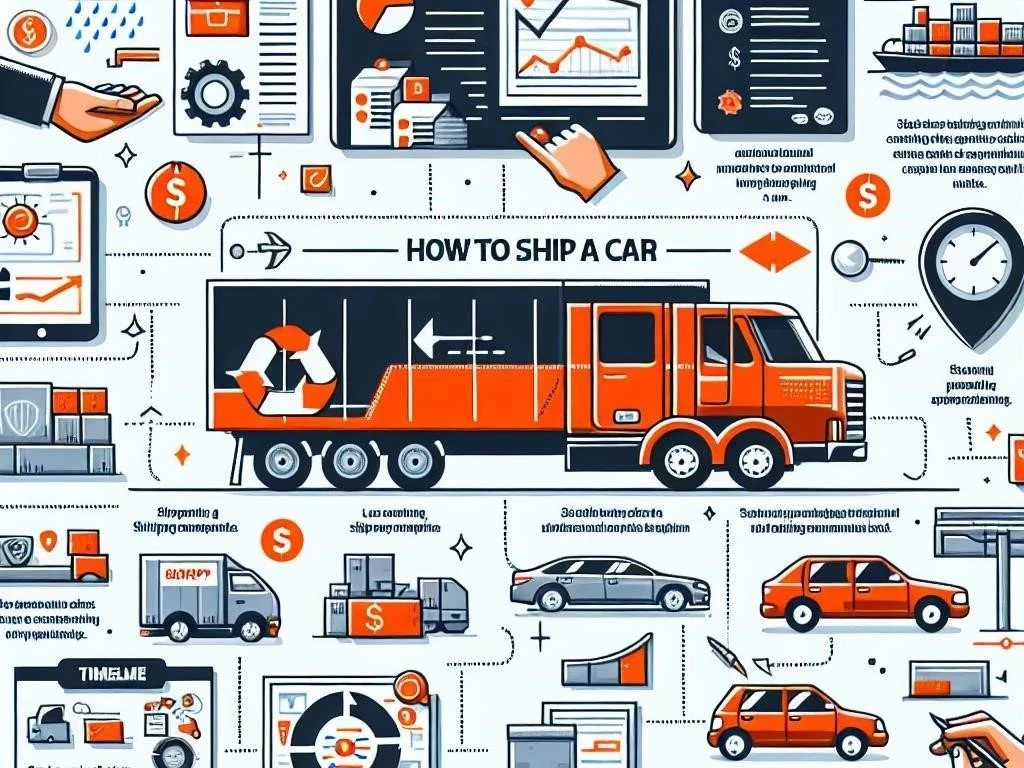
Can You Ship a Car? An Overview
Yes‚ you can ship a car using various services; Understanding available options‚ costs‚ and regulations is crucial for a successful vehicle transport experience.
Understanding Car Shipping
Car shipping involves transporting vehicles over distances using specialized services. It’s essential to grasp the logistics‚ costs‚ and methods for efficient auto shipping.
What is Car Shipping?
Car shipping is the process of transporting vehicles from one location to another‚ typically facilitated by specialized shipping companies. This service is essential for individuals relocating‚ purchasing vehicles from distant sellers‚ or transporting cars for business purposes. Various methods exist for car transportation‚ including open transport and enclosed transport‚ each offering different levels of protection and pricing. The shipping process involves several steps‚ including obtaining quotes for car shipping‚ selecting a carrier‚ and understanding shipping regulations. Additionally‚ customers can track their vehicle during transit‚ ensuring peace of mind throughout the shipping journey. Overall‚ car shipping simplifies moving vehicles efficiently and safely.
Importance of Vehicle Transport
Vehicle transport plays a crucial role in the modern economy‚ enabling individuals and businesses to move cars efficiently across distances. Whether relocating for a job‚ purchasing a vehicle from another state‚ or requiring auto logistics for dealerships‚ car shipping ensures timely delivery. It saves time‚ effort‚ and resources‚ preventing long road trips that can be costly and inconvenient. Additionally‚ professional shipping companies provide expertise in navigating shipping regulations and offer insurance for shipping‚ protecting your investment. By utilizing reliable car movers‚ you can ensure your vehicle arrives safely and on schedule‚ making vehicle transport an essential service for many people.

Types of Car Shipping Services
There are various car shipping services available‚ including open transport‚ enclosed transport‚ international shipping‚ and domestic shipping‚ catering to different customer needs and preferences.
Open Transport vs. Enclosed Transport
Open transport is the most common and cost-effective method for car shipping‚ where vehicles are loaded onto open trailers. This method exposes cars to weather elements‚ but it’s suitable for most vehicles and offers a lower shipping cost. In contrast‚ enclosed transport provides added protection by transporting vehicles in a fully enclosed trailer‚ shielding them from external factors such as debris and weather conditions. While this service is more expensive‚ it is ideal for luxury‚ classic‚ or high-value vehicles that require extra care. Choosing between open and enclosed transport depends on your budget‚ vehicle type‚ and desired level of protection during shipping.
International Shipping vs. Domestic Shipping
International shipping involves transporting vehicles across national borders‚ requiring compliance with customs regulations and additional documentation. This process can be more complex and time-consuming‚ often involving ocean freight for overseas transport. Costs tend to be higher due to customs fees and logistics. Conversely‚ domestic shipping refers to transporting vehicles within the same country‚ which typically entails fewer regulations and quicker transit times. While domestic shipping is generally more straightforward and cost-effective‚ international shipping is essential for relocating or purchasing vehicles from foreign countries. Understanding the differences helps customers choose the appropriate shipping method based on their specific needs and circumstances.
Choosing the Right Shipping Company
Selecting the right shipping company is crucial for successful vehicle transport. Consider factors such as reputation‚ services offered‚ pricing‚ and customer reviews during your decision.
Factors to Consider When Selecting Shipping Companies
When selecting a shipping company‚ consider several key factors to ensure a smooth car transport experience. First‚ research the company’s reputation through customer reviews and ratings. Look for companies with experience in vehicle transport and a history of reliability. Evaluate the types of services offered‚ including open or enclosed transport options. Additionally‚ inquire about insurance for shipping‚ as this provides protection during transit. Request quotes for car shipping to compare vehicle shipping rates and ensure transparency in pricing. Finally‚ check for proper licensing and compliance with shipping regulations to ensure your vehicle is in safe hands throughout the process.
Comparing Quotes for Car Shipping
When comparing quotes for car shipping‚ it’s essential to look beyond the price to ensure you choose the best service. Start by gathering multiple quotes from different shipping companies to understand the average car shipping cost. Pay attention to what each quote includes‚ such as insurance coverage‚ pickup and delivery options‚ and transit time. Additionally‚ consider any hidden fees that may not be immediately apparent. Assess the reputation and customer service of each company to determine if they provide reliable support. Ultimately‚ evaluating quotes holistically helps you make an informed decision for your vehicle transport needs without compromising quality for cost.
The Shipping Process Explained
The shipping process involves several key steps‚ including obtaining quotes‚ selecting a shipping company‚ preparing the vehicle‚ and coordinating pickup and delivery efficiently.
Steps in the Car Transportation Process
The car transportation process involves several essential steps to ensure a smooth experience. First‚ research and select a reputable shipping company that meets your needs. Next‚ request quotes for car shipping‚ comparing services and prices. After choosing a company‚ prepare your vehicle by cleaning it and removing personal items. Schedule pickup and provide necessary documentation‚ including registration and insurance information. The shipping company will then load your vehicle onto the transport truck‚ ensuring it is securely fastened. Once the car reaches its destination‚ inspect it for any damage before signing off on the delivery. This process guarantees a successful vehicle transport.
Understanding Shipping Regulations
Understanding shipping regulations is crucial for a smooth car transport experience. Different countries and states have specific laws regarding vehicle shipping‚ including emissions standards and safety requirements. When shipping internationally‚ customs regulations come into play‚ necessitating proper documentation like titles and import permits. Additionally‚ it’s essential to be aware of any fees associated with customs clearance or taxes. Shipping companies typically guide clients through these regulations‚ ensuring compliance to avoid delays. Familiarizing yourself with these requirements can help streamline the shipping process‚ ensuring your vehicle arrives safely and legally at its destination while adhering to all necessary guidelines and laws.
Car Shipping Costs
Car shipping costs vary based on factors such as distance‚ vehicle type‚ shipping method‚ and the chosen company. Understanding these factors helps estimate expenses.
Factors Influencing Car Shipping Cost
Several factors influence car shipping costs‚ including the distance between pickup and delivery locations. Longer distances generally incur higher shipping fees. The type of vehicle also affects pricing; larger or heavier vehicles often cost more to transport. Additionally‚ the chosen shipping method plays a significant role; enclosed transport provides more protection but is typically more expensive than open transport. Time of year can impact costs‚ as peak seasons may increase demand and prices. Furthermore‚ any additional services‚ like expedited shipping or door-to-door delivery‚ can also raise overall costs. Understanding these factors helps you budget effectively for vehicle transport.
Understanding Vehicle Shipping Rates
Vehicle shipping rates are influenced by various factors‚ including distance‚ vehicle type‚ and the shipping method chosen. Rates vary significantly based on whether you opt for open transport‚ which is generally more affordable‚ or enclosed transport‚ which offers greater protection at a higher cost. Additionally‚ the shipping company’s reputation and experience can impact pricing. Seasonal demand fluctuations also play a role; rates may increase during peak periods‚ such as summer months. It’s essential to obtain multiple quotes for car shipping to compare rates and services. By understanding these factors‚ you can make informed decisions regarding your vehicle transport needs.
Insurance for Shipping Your Car
Insurance for shipping your car is essential‚ providing protection against potential damage or loss during transport. Understanding coverage options ensures peace of mind throughout the process.
Types of Insurance Coverage
When shipping your car‚ understanding the types of insurance coverage available is vital for protecting your vehicle. Most shipping companies offer basic liability coverage‚ which typically covers damages caused by their negligence during transport. However‚ this coverage may not fully protect your vehicle’s value. For better protection‚ consider purchasing additional insurance options‚ such as full coverage‚ which safeguards against theft‚ loss‚ or damage during transit. Some companies may also offer specialized coverage for classic‚ luxury‚ or high-value vehicles. Always review the terms and conditions of the insurance policy to ensure it meets your needs and provides adequate protection during shipping.
How to File an Insurance Claim
Filing an insurance claim after shipping your car involves several important steps to ensure a smooth process; First‚ document any damage or issues thoroughly by taking clear photographs and noting the extent of the damage. Contact your shipping company immediately to report the incident‚ as they may require prompt notification. Fill out the necessary claim forms provided by your insurance carrier‚ ensuring all information is accurate and complete. Attach any supporting documentation‚ including photographs‚ receipts‚ and the original shipping agreement. Submit the claim within the specified timeframe outlined in your policy to avoid delays‚ and follow up regularly for updates on your claim status.
Tracking Your Vehicle During Shipping
Tracking your vehicle during shipping provides reassurance and transparency‚ allowing you to monitor its location and status throughout the transportation process until delivery.
Importance of Vehicle Tracking
Vehicle tracking is crucial during the shipping process‚ providing peace of mind to car owners. Knowing the precise location of your vehicle allows you to stay informed about its journey‚ reducing anxiety associated with long-distance transport. It enables you to plan for pickup and delivery more effectively‚ ensuring you are available when your vehicle arrives. Additionally‚ tracking helps identify any potential delays or issues‚ allowing you to communicate with the shipping company promptly. This transparency fosters trust between the customer and the shipping company‚ ensuring a smoother experience. Ultimately‚ vehicle tracking enhances accountability and customer satisfaction throughout the shipping process.
How to Monitor Your Car’s Transit Time
Monitoring your car’s transit time during shipping involves several key steps to ensure accurate tracking. First‚ request the estimated transit time from your shipping company when booking the service‚ as this provides a baseline expectation. Utilize any vehicle tracking services offered by the company‚ which often provide real-time updates on your car’s location. Regularly check for updates through the shipping company’s online portal or mobile app. Maintain communication with your assigned shipping representative‚ who can provide updates on any potential delays or changes. Additionally‚ keep your schedule flexible to accommodate any variations in transit time throughout the shipping process.
Pickup and Delivery Options
Pickup and delivery options for shipping your car include door-to-door service and terminal-to-terminal transport‚ each offering different levels of convenience and cost considerations.
Door-to-Door Service vs. Terminal-to-Terminal
When shipping your car‚ understanding the difference between door-to-door service and terminal-to-terminal transport is essential. Door-to-door service offers maximum convenience‚ as the shipping company picks up your vehicle from your specified location and delivers it directly to your desired destination. This option is ideal for those who prefer a hassle-free experience. However‚ it may come at a higher cost. Conversely‚ terminal-to-terminal transport requires you to drop off your vehicle at a designated shipping terminal‚ where it will be loaded for transport. You’ll also need to pick it up at another terminal upon arrival‚ typically at a lower price.
Cross-Country Transport Considerations
When planning cross-country transport for your car‚ several key considerations come into play. First‚ research the various shipping companies to find one that specializes in long-distance vehicle transport‚ ensuring reliability and experience. Evaluate available shipping options‚ such as open versus enclosed transport‚ based on your vehicle’s value and protection needs. Factor in the estimated transit time‚ as cross-country shipping may take longer than local transport. Additionally‚ check insurance coverage to ensure adequate protection during the journey. Finally‚ stay informed about any specific regulations or requirements in the states your vehicle will pass through‚ ensuring a smooth and compliant shipping process.
Shipping a car is entirely feasible‚ requiring careful planning and consideration of various factors. Understanding the process ensures a successful and stress-free vehicle transport experience.
Final Thoughts on Car Shipping
Car shipping can be a straightforward process when approached with the right knowledge and preparation. It is essential to research and select a reputable shipping company that meets your specific needs. Understanding the various shipping options‚ including open and enclosed transport‚ helps in making an informed decision. Additionally‚ consider the importance of insurance coverage to protect your vehicle during transit. Monitoring your car’s journey through tracking services enhances peace of mind. By taking these factors into account‚ you can ensure a seamless and efficient shipping experience. Ultimately‚ being well-prepared leads to a successful car shipping process and satisfied customers.
Next Steps for Your Vehicle Shipping Journey
To embark on your vehicle shipping journey‚ start by researching and comparing various shipping companies‚ focusing on their reputation and services offered. Once you’ve selected a provider‚ request quotes for car shipping to understand the cost involved. Prepare your vehicle by cleaning it and removing personal belongings‚ ensuring it’s ready for pickup. Confirm insurance coverage options for added protection during transit. Schedule the pickup date and ensure you have all required documentation ready. Stay in touch with the shipping company for updates throughout the process. Finally‚ be present for delivery to inspect your vehicle and finalize any necessary paperwork.
