







How to Ship a Car from State to State
Shipping a car involves understanding transportation methods, selecting reputable companies, comparing quotes, and ensuring compliance with regulations for a successful vehicle relocation experience.
Understanding Car Transportation
Car transportation refers to the process of moving vehicles from one location to another, often across state lines. This involves various methods like open transport and enclosed transport. Understanding the logistics of vehicle relocation is crucial for a successful shipping experience. Factors such as distance, type of vehicle, and preferred delivery method play significant roles in determining the best approach. Additionally, it’s important to know the auto transport companies available, their services, and how they handle freight services to ensure the vehicle arrives safely and on time.
The Importance of Vehicle Relocation
Vehicle relocation is essential for various reasons, including job transfers, moving to a new home, or purchasing a vehicle from a different state. Efficient car transportation ensures that your vehicle arrives safely and on time, minimizing potential disruptions. Understanding the significance of timely car delivery can alleviate stress during transitions. Additionally, using reliable auto transport companies provides peace of mind, knowing your vehicle is in capable hands. Proper planning can help you navigate shipping regulations and choose the best shipping options, ultimately facilitating a smoother relocation experience for everyone involved;
Different Auto Shipping Methods
When shipping a car from state to state, various auto shipping methods are available to suit different needs and budgets. Open transport is the most common and cost-effective option, where vehicles are loaded onto a trailer without covering, exposing them to the elements. In contrast, enclosed transport provides extra protection, ideal for luxury or classic cars, as vehicles are transported within a fully enclosed trailer. Understanding these shipping options helps you make informed decisions based on vehicle type, shipping distance, and budget considerations, ensuring a seamless car shipping process.
3.1 Open Transport
Open transport is a popular and economical method for shipping vehicles across states. In this method, cars are loaded onto an open trailer, typically accommodating multiple vehicles simultaneously. This approach allows for reduced shipping costs, making it an attractive option for budget-conscious customers. However, since vehicles are exposed to weather elements and road debris, it’s essential to consider this factor when choosing open transport. Many auto transport companies provide tracking options, ensuring peace of mind during the shipping process. Overall, open transport is an efficient solution for many standard vehicles.
3.2 Enclosed Transport
Enclosed transport is a premium method for shipping vehicles, providing enhanced protection during transit. This option is ideal for luxury, classic, or high-value cars, as the vehicle is loaded into a fully enclosed trailer, shielding it from weather conditions and road debris. Although it comes at a higher cost compared to open transport, many owners consider it worth the investment for peace of mind. Auto transport companies offering enclosed transport often have specialized equipment and experienced drivers, ensuring safe handling and delivering your vehicle in pristine condition at its destination.
Choosing the Right Auto Transport Company
Selecting the right auto transport company is crucial for a successful vehicle shipping experience. Start by researching companies with positive customer reviews and a solid reputation in the industry. Look for companies that offer a range of shipping options and transparent pricing structures. Ensure they are licensed and insured, providing you with vehicle shipping insurance for added security. Additionally, inquire about their experience with interstate transport and any specific services they provide, such as door-to-door service or tracking options, to ensure your vehicle is in capable hands throughout the process.
4.1 Researching Auto Transport Companies
Researching auto transport companies involves evaluating their credentials, services, and customer feedback. Start by checking their licensing and insurance to ensure they comply with shipping regulations. Online reviews and testimonials can provide insight into their reliability and service quality. Additionally, consider the range of shipping options they offer, such as open or enclosed transport. Comparing auto transport rates among different companies is essential for finding the best fit for your budget. Finally, don’t hesitate to contact companies directly to ask questions, clarifying any concerns you may have about the shipping process.
4.2 Comparing Shipping Quotes
Comparing shipping quotes is a vital step in selecting the right auto transport company for your vehicle relocation. Obtain multiple quotes from different companies, ensuring they provide detailed breakdowns of costs. Pay attention to factors such as transport type, delivery timeframes, and additional services offered. Be wary of quotes that seem unusually low, as they may indicate hidden fees or subpar service. Evaluating the value provided alongside the price will help you make an informed decision. Ultimately, choose a company that balances quality, reliability, and competitive pricing for your interstate transport needs.
The Car Shipping Process Explained
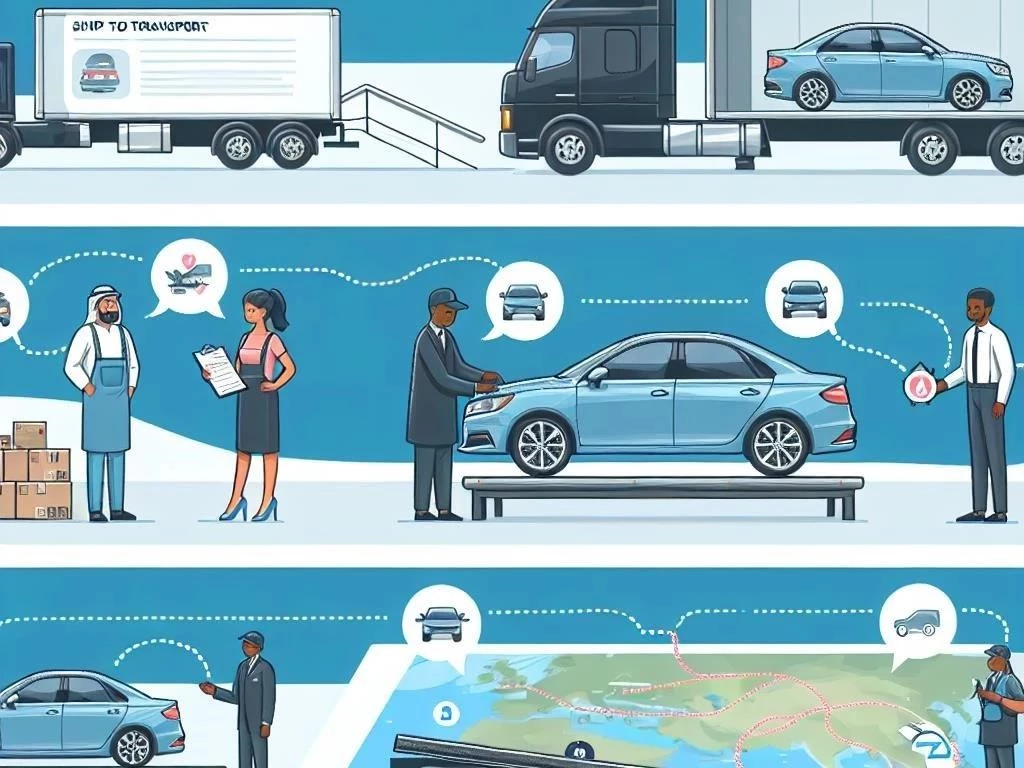
The car shipping process involves several key steps to ensure a smooth experience. Initially, you will contact an auto transport company to discuss your needs and obtain shipping quotes. Once you select a provider, you will finalize the booking, including payment details. Preparation of your vehicle is crucial, involving cleaning, removing personal items, and documenting its condition. After scheduling pickup, the transport company will coordinate logistics for loading and transport. Finally, you will receive your vehicle at the designated location, completing the car shipping process with a thorough inspection upon delivery.
5.1 Initial Contact and Booking
The initial contact and booking process is crucial when shipping a car across state lines. Start by reaching out to your chosen auto transport company to discuss your specific needs, including vehicle type and destination. The representative will provide shipping quotes and available options, helping you make an informed decision. Once you choose a service, you’ll need to complete the booking by providing necessary details, such as pickup and delivery locations, preferred dates, and payment information. Ensure to confirm all arrangements in writing, outlining terms and conditions before proceeding with the transport.
5.2 Preparing Your Vehicle for Transport
Preparing your vehicle for transport is essential to ensure a smooth shipping experience. Start by cleaning your car, both inside and out, to allow easy inspection and documentation of its condition. Remove personal belongings, as they may not be covered by shipping insurance. Check fluid levels, tire pressure, and battery health to avoid issues during transport. Disable any alarms and ensure your gas tank is no more than a quarter full to reduce weight. Finally, document your vehicle’s condition with photos, providing a reference point upon delivery for any potential discrepancies.
5.3 Understanding the Car Delivery Timeline
Understanding the car delivery timeline is essential for planning your vehicle relocation effectively. The timeline varies based on factors such as distance, shipping method, and the auto transport company’s schedule. Generally, interstate transport can take anywhere from a few days to a couple of weeks. During the booking process, the company will provide estimated delivery dates. Keep in mind that unforeseen circumstances, such as weather or traffic delays, may affect the timeline. Regular communication with the transport company can help you stay informed about any changes and prepare for receiving your vehicle.
Vehicle Shipping Options Available
When shipping a car from state to state, various vehicle shipping options are available to cater to different needs. Door-to-door service allows for convenient pickup and delivery directly at your specified locations, making the process hassle-free. Alternatively, terminal-to-terminal shipping requires you to drop off and pick up your vehicle at designated terminals, which can be more affordable. Additionally, you can choose between open transport and enclosed transport methods based on your budget and vehicle type. Understanding these options helps you select the most suitable choice for your vehicle relocation requirements.
6.1 Door-to-Door Service
Door-to-door service is a highly convenient option for shipping your vehicle across state lines. This method involves the auto transport company picking up your car directly from your location and delivering it to your specified destination. It eliminates the need for you to travel to a terminal, saving time and reducing hassle. While door-to-door service may be slightly more expensive than terminal-to-terminal options, the added convenience often justifies the cost. It is essential to communicate any specific instructions regarding accessibility or parking at both pickup and delivery locations to ensure a smooth process.
6.2 Terminal-to-Terminal Shipping
Terminal-to-terminal shipping is an alternative method for transporting your vehicle across state lines, often at a lower cost than door-to-door service. In this option, you are responsible for dropping off your car at a designated terminal and later picking it up at another terminal near your destination. This method can be more budget-friendly, as it allows transport companies to consolidate shipments. However, it requires more planning and coordination on your part, including arranging transportation to and from the terminals. Make sure to check terminal hours and accessibility for a seamless experience.
Interstate Transport Regulations
Understanding interstate transport regulations is crucial when shipping a car across state lines. Various federal and state laws govern vehicle transportation, ensuring safety and compliance. Auto transport companies must be licensed and insured, adhering to regulations set by the Federal Motor Carrier Safety Administration (FMCSA). Additionally, shipping companies must obtain necessary permits for transporting vehicles in certain states. It’s essential to verify that your chosen auto transport company complies with these regulations to avoid potential legal issues. Familiarizing yourself with these requirements can help ensure a smooth and successful vehicle shipping experience.
7.1 Understanding Shipping Regulations
Understanding shipping regulations is vital for a successful vehicle transport experience. Each state has specific laws governing the transportation of vehicles, including weight limits, insurance requirements, and safety standards. Additionally, federal regulations mandate that auto transport companies be licensed and adhere to safety protocols. It’s crucial to ensure that your selected transport provider complies with these regulations to avoid potential fines or delays. Familiarizing yourself with these rules can help you navigate the shipping process smoothly and ensure your vehicle is transported legally and safely across state lines.
7.2 Required Transport Permits
When shipping a car across state lines, understanding the required transport permits is essential. Auto transport companies typically handle most of the necessary permits, ensuring compliance with both federal and state regulations. However, it’s important for vehicle owners to be aware that some states may require specific permits for transporting vehicles, especially if they are oversized or inoperable. Always verify with your transport provider about any permits needed and ensure they are included in your shipping arrangements. This proactive approach helps avoid delays and ensures a smooth vehicle relocation experience.
Evaluating Auto Transport Rates
Evaluating auto transport rates is an essential step when planning your vehicle shipping. Rates can vary significantly based on factors such as distance, vehicle type, and shipping method. To get an accurate estimate, request quotes from multiple auto transport companies and compare their offerings. Additionally, consider any extra services, such as insurance or expedited shipping, that may affect the overall cost. Understanding the factors influencing auto transport rates, like seasonal demand and fuel prices, will help you budget effectively for your vehicle relocation and select the best option for your needs.
8.1 Factors Influencing Auto Transport Rates
Several factors influence auto transport rates when shipping a vehicle across state lines. These include the distance between pickup and delivery locations, the type of vehicle being transported, and the chosen shipping method, such as open or enclosed transport. Seasonal demand can also affect rates, with prices typically rising during peak moving seasons. Additionally, fuel prices and the specific routes taken can impact costs. Understanding these factors will help you make informed decisions and find a transport option that fits your budget while ensuring your vehicle’s safe delivery.
8.2 Budgeting for Vehicle Relocation Costs
Budgeting for vehicle relocation costs is essential to ensure a smooth shipping process; Begin by obtaining quotes from multiple auto transport companies to understand the average rates for your specific route and vehicle type. Factor in additional costs such as insurance, fuel surcharges, and any optional services like expedited shipping. It’s wise to allocate a contingency fund for unexpected expenses, such as repairs or delays. By thoroughly evaluating all potential costs involved in the car shipping process, you can create a realistic budget that accommodates your financial needs and shipping requirements.
Vehicle Shipping Insurance Considerations
When shipping a car from state to state, understanding vehicle shipping insurance is crucial for protecting your investment. Most auto transport companies offer basic coverage, but it may not be sufficient for high-value vehicles. Assess your current auto insurance policy to determine if it extends coverage during transport. Consider purchasing additional insurance from the transport company to ensure comprehensive protection. Review the terms and conditions, including deductibles and coverage limits, before making a decision. Being informed about insurance options will help you navigate potential risks and secure your vehicle throughout the shipping process.
9.1 Importance of Shipping Insurance
Shipping insurance is crucial when transporting your vehicle across state lines, as it provides financial protection against potential damages or losses during transit. Accidents, theft, or unforeseen events can occur, making insurance an essential safeguard for your investment. Basic coverage offered by transport companies may not fully protect high-value or classic vehicles, so understanding your options is vital. By opting for adequate shipping insurance, you can ensure peace of mind, knowing that you are financially covered should any issues arise during the transportation process, ultimately securing your vehicle’s safety and value.
9.2 How to Choose the Right Coverage
Choosing the right coverage for shipping your vehicle is essential for ensuring adequate protection. Start by evaluating the value of your car to determine the level of coverage needed. Review the basic insurance options provided by the transport company, noting any limitations or exclusions; Consider additional coverage options, such as full value protection, which can safeguard against total loss or significant damage. Compare different insurer policies, focusing on deductibles, claim processes, and customer reviews. Ultimately, selecting the right coverage will give you confidence and peace of mind during the car shipping process.
Online Car Shipping Resources
Utilizing online car shipping resources can greatly simplify your vehicle relocation process. Start by visiting auto transport company websites to gather essential information about their services, pricing, and customer reviews. Many sites offer instant shipping quotes, allowing you to compare rates quickly. Additionally, forums and blogs provide valuable insights and tips from those who have previously shipped vehicles. Online calculators can help estimate costs based on distance and vehicle type. Leveraging these resources ensures you make informed decisions and choose the best options for your specific shipping needs.
10.1 Finding Reliable Online Car Shipping Services
Finding reliable online car shipping services is essential for a successful vehicle transport experience. Start by researching reputable auto transport companies through customer reviews and ratings on platforms like Google and Yelp. Look for industry certifications, such as those from the Better Business Bureau (BBB) or the Federal Motor Carrier Safety Administration (FMCSA). Request quotes from multiple providers to compare pricing and services offered. Additionally, contacting customer service representatives can help gauge their responsiveness and professionalism. A well-researched decision will enhance your confidence in selecting a trustworthy shipping service for your vehicle.
10.2 Using Online Tools for Shipping Quotes
Using online tools for shipping quotes can streamline your vehicle transport planning. Many auto transport companies provide user-friendly quote calculators on their websites, allowing you to input essential details such as pickup and delivery locations, vehicle type, and desired shipping method. This generates instant estimates, helping you compare costs effectively. Additionally, aggregators and comparison sites consolidate quotes from multiple providers, giving you a broader view of available options. By leveraging these online tools, you can make informed decisions and select the most suitable and cost-effective vehicle shipping service for your needs.
Car Shipping Tips for a Smooth Experience
To ensure a smooth car shipping experience, start by thoroughly researching and selecting a reputable auto transport company. Prepare your vehicle by removing personal items and ensuring it is clean for inspection. Document any existing damage with photos before shipping. Communicate clearly with the transport provider regarding pickup and delivery preferences. Be flexible with dates, as factors like weather and traffic can affect timelines. Finally, stay informed about the shipping process and maintain open communication with your car movers to address any concerns promptly during the transportation journey.
11.1 Preparing Your Car for Transport
Preparing your car for transport is essential to ensure its safety during transit. Begin by cleaning the exterior and interior, as this allows you to better identify any existing damage. Remove all personal belongings and valuables to prevent loss or damage. Check your vehicle for leaks and ensure that fluid levels are appropriate. Disable alarms and ensure the gas tank is only a quarter full to reduce weight. Finally, document the vehicle’s condition with photos and inform the transport company of any special instructions or modifications that may affect loading and unloading.
11.2 Communicating with Car Movers
Effective communication with car movers is crucial for a successful shipping experience. Start by providing clear and accurate information about your vehicle, including its make, model, and condition, to ensure appropriate planning. Discuss pickup and delivery preferences, and confirm the timeline for your transport. Be proactive in asking questions about their processes, insurance coverage, and any concerns you may have. Maintain open lines of communication throughout the shipping journey, and don’t hesitate to reach out for updates. This collaborative approach will help alleviate any uncertainties during the vehicle relocation process.
The Role of Freight Services in Car Shipping
Freight services play a vital role in the car shipping process, facilitating the safe and efficient transport of vehicles across state lines. These services coordinate logistics, ensuring that vehicles are loaded, transported, and delivered according to customer specifications. Freight companies utilize a network of carriers and transport options, providing flexibility in shipping methods such as open or enclosed transport. By managing the complexities of vehicle logistics, freight services help streamline the entire shipping process, allowing vehicle owners to focus on other aspects of their relocation while ensuring their cars are transported securely.
12.1 How Freight Services Facilitate Vehicle Logistics
Freight services facilitate vehicle logistics by streamlining the entire shipping process from start to finish. They coordinate the safe loading and unloading of vehicles, ensuring that proper handling procedures are followed to minimize damage. By utilizing a wide network of carriers, freight services can offer various options tailored to customer needs, such as expedited shipping or specialized transport for luxury cars. Additionally, they handle all necessary paperwork, including permits and insurance, which simplifies compliance with state and federal regulations. This comprehensive approach ensures a smooth and efficient vehicle shipping experience for all parties involved.
12.2 Working with Car Carrier Services
Working with car carrier services is essential for a successful vehicle shipping experience. Begin by researching reputable carriers that specialize in interstate transport, focusing on their experience, customer reviews, and insurance options. Once you’ve selected a carrier, communicate your specific needs, including pickup and delivery locations and any special requirements for your vehicle. Ensure you understand the shipping process, including estimated timelines and costs. Maintain open communication throughout the transport, asking for updates as needed. This collaborative approach with your car carrier service will help ensure your vehicle is transported safely and efficiently.
Cross-Country Shipping: Special Considerations
When planning cross-country shipping, several special considerations must be addressed to ensure a successful vehicle transport. First, evaluate the distance and potential challenges, such as weather conditions and road regulations in different states. Selecting the right auto transport method, whether open or enclosed, will depend on your vehicle’s value and specific needs. Additionally, timing is crucial; be aware of peak seasons, which may affect availability and costs. Finally, maintain clear communication with your chosen transport company to address any concerns or adjustments needed throughout the shipping process, ensuring a smooth relocation experience.
13.1 Unique Challenges of Long-Distance Transport
Long-distance transport presents unique challenges that require careful consideration when shipping a vehicle. One significant challenge is fluctuating weather conditions, which can impact safety and delivery timelines. Additionally, varying state regulations and road conditions can complicate logistics, leading to potential delays. Another concern is the wear and tear on the vehicle during transit, especially for older models or those with specific requirements. Lastly, ensuring effective communication with the transport company is crucial to address any unexpected issues that may arise during the journey, helping mitigate risks associated with long-distance vehicle shipping.

13.2 Choosing the Best Shipping Options for Cross-Country Moves
Choosing the best shipping options for cross-country moves involves several key factors. First, assess your vehicle’s value and condition to determine whether open or enclosed transport is more suitable. Open transport is typically more cost-effective, while enclosed transport offers added protection for luxury or classic cars. Next, consider the timing and flexibility of your shipping schedule, as this can affect costs and availability. Additionally, research and compare quotes from multiple auto transport companies to find the most reliable option. Finally, ensure that the chosen service provides adequate insurance coverage for peace of mind during the journey.
Final Steps in State-to-State Shipping
Completing the final steps in state-to-state shipping is crucial for ensuring a smooth vehicle delivery. First, confirm the delivery date and time with your transport company, allowing for any potential adjustments. Upon receiving your vehicle, inspect it thoroughly for any damage that may have occurred during transit, documenting any issues with photographs. Ensure that all paperwork, including the bill of lading and insurance documents, is accurately completed and retained. Finally, communicate with your transport provider to address any concerns, providing feedback on their services to help improve future shipping experiences.
14.1 Receiving Your Vehicle
Receiving your vehicle after transport is an important process that requires attention to detail. Upon arrival, carefully inspect the exterior and interior for any signs of damage or issues that may have occurred during transit. Compare the vehicle’s condition with the documentation provided by the transport company, noting any discrepancies. Ensure that all personal belongings are accounted for before signing off on the delivery. Additionally, verify that the vehicle is in working condition, checking essential functions such as lights, brakes, and tires. Address any concerns with the carrier immediately to facilitate a resolution.
14.2 Post-Delivery Checklist
After receiving your vehicle, it’s essential to complete a post-delivery checklist to ensure everything is in order. Start by reviewing the delivery paperwork to confirm that all details match your agreement. Inspect the vehicle for any damage, and take photos as evidence if necessary. Check fluid levels, tire pressure, and overall functionality to ensure your car is roadworthy. Also, re-secure any personal items that may have shifted during transport. Lastly, communicate any issues with the transport company immediately, and provide feedback on their services to help improve future customer experiences.
