







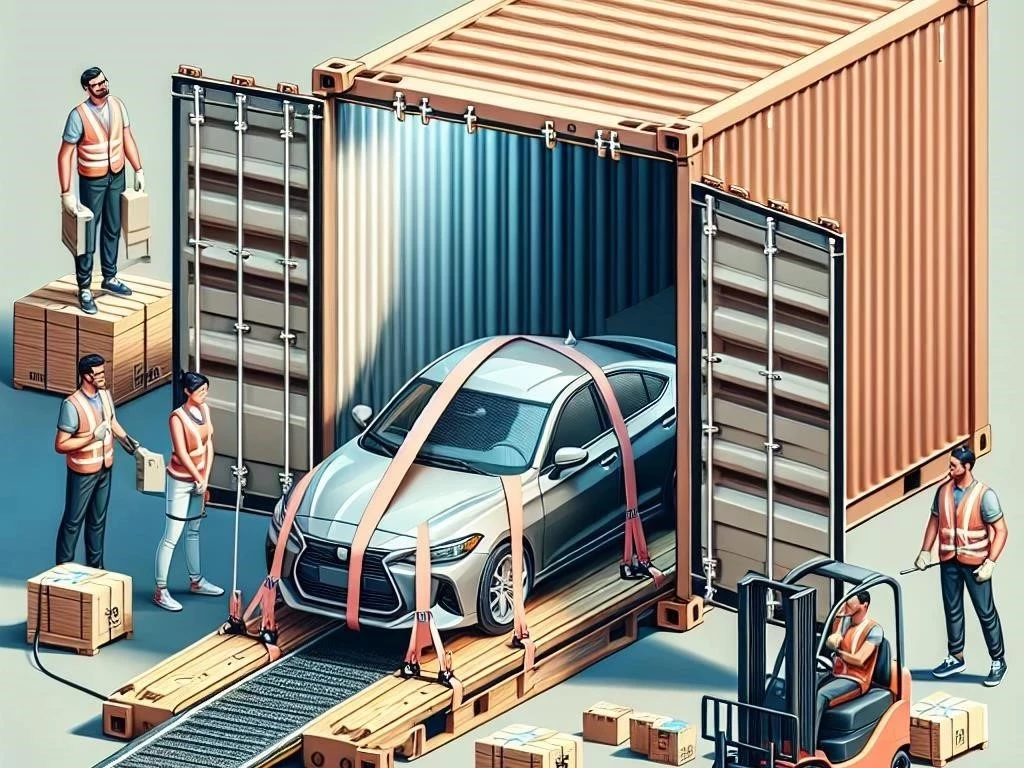
How Would I Ship My Car in a Container?
To ship your car in a container, contact a shipping company specializing in vehicle shipping, ensuring proper preparation, documentation, and insurance during the process․
Understanding Car Shipping
Car shipping involves transporting vehicles via various methods, ensuring safety and efficiency․ Understanding the process helps you navigate shipping logistics and make informed decisions․
What is Car Shipping?
Car shipping is the process of transporting vehicles from one location to another, typically involving international shipping or domestic relocation․ This can include various methods such as container transport, which uses a secure car container to safeguard the vehicle during transit․ Shipping logistics play a crucial role in ensuring timely delivery and adherence to import/export regulations․ Vehicle shipping services often provide options for enclosed transport or open transport, depending on the level of protection desired․ Understanding the specifics of automotive shipping, including shipping costs and transport insurance, is essential for a smooth car relocation experience․ Choosing the right shipping company can significantly impact your overall satisfaction․
Importance of Vehicle Shipping
Vehicle shipping is essential for individuals and businesses looking to relocate cars safely and efficiently․ It allows for seamless car relocation, especially during international moves, where local regulations and logistics come into play․ Utilizing freight services ensures that vehicles are transported securely, minimizing the risk of damage․ Containerized shipping offers superior protection against environmental factors and potential theft, making it a preferred option for valuable automobiles․ Understanding shipping options and costs aids customers in selecting the best method for their needs․ Moreover, adhering to import/export regulations is crucial for a hassle-free experience․ Overall, vehicle shipping plays a vital role in facilitating smooth transitions across borders․
Choosing the Right Shipping Method
Selecting the appropriate shipping method is crucial for protecting your vehicle․ Consider factors like safety, cost, and delivery time when making your decision․
Container Transport vs․ Open Transport
When considering how to ship your car, understanding the differences between container transport and open transport is vital․ Container transport involves placing your vehicle in a secure car container, providing optimal protection from weather, debris, and potential theft during transit․ This method is especially recommended for high-value or classic cars, as it minimizes risk․ On the other hand, open transport exposes vehicles to the elements and other hazards, making it a more economical option for standard vehicles․ However, it may increase the chance of damage․ Weighing the benefits of safety and cost will help you choose the best method for your specific needs․
Benefits of Containerized Shipping
Containerized shipping offers numerous advantages when transporting your vehicle․ First, it provides enhanced protection against environmental factors like rain, dust, and sun exposure, safeguarding your car’s paint and interior․ Additionally, container transport minimizes the risk of theft and damage during transit, ensuring a secure delivery; This method is especially beneficial for luxury or classic cars requiring extra care․ Furthermore, containerized shipping often simplifies customs clearance, as the vehicle is contained within a sealed unit, adhering to import/export regulations․ Lastly, the use of transport insurance adds peace of mind, covering potential losses․ Overall, containerized shipping is a smart choice for safe and efficient vehicle relocation․
Types of Shipping Options
Various shipping options are available for transporting your car, including containerized shipping, enclosed transport, and open transport․ Each method offers unique benefits and considerations․
Enclosed Transport
Enclosed transport is a premium shipping method for those looking to ensure maximum protection for their vehicles․ This option involves transporting cars in a fully enclosed trailer, shielding them from environmental elements like rain, snow, and sun exposure․ It is particularly beneficial for high-value vehicles, classic cars, or luxury models that require extra care during transit․ Enclosed transport reduces the risk of damage from road debris and potential theft, making it a secure choice for car shipping․ While this method often incurs higher shipping costs compared to open transport, the added peace of mind and protection make it a worthwhile investment for many vehicle owners․
Open Transport
Open transport is a popular and cost-effective method for shipping vehicles, often used for standard cars and trucks․ This option involves loading vehicles onto an open trailer, exposing them to the elements during transit․ While it is less expensive than enclosed transport, the lack of protection can lead to potential risks such as weather damage or road debris impact․ However, many find it suitable for everyday vehicles that do not require special handling․ Open transport is widely used in the auto transport industry due to its efficiency and accessibility․ Understanding the trade-offs between cost and protection is essential when deciding if open transport meets your needs․
Door-to-Door Shipping Services
Door-to-door shipping services offer a convenient solution for transporting your vehicle from one location to another․ This method involves the shipping company picking up your car directly from your specified address and delivering it to the desired destination, often eliminating the need for additional transportation․ It provides a seamless experience, especially for those unfamiliar with shipping logistics; Door-to-door services typically include both pickup and delivery, which can save time and reduce hassle․ However, it’s important to verify the shipping company’s reputation and their experience with door-to-door transport․ Overall, this service is ideal for individuals seeking an efficient and straightforward vehicle shipping experience․
Preparing Your Vehicle for Shipping
Properly preparing your vehicle for shipping ensures a smooth process․ This includes cleaning, removing personal items, and documenting the car’s condition before transport․
Cleaning Your Car
Cleaning your car before shipping is an essential step in the preparation process․ A thorough wash allows you to inspect the vehicle for any existing damage or imperfections, making it easier to document its condition․ Additionally, removing dirt and debris helps prevent scratches and potential damage during transit․ It’s advisable to clean both the exterior and interior, ensuring that all personal items are removed․ This not only keeps your belongings safe but also complies with shipping regulations․ Furthermore, a clean car is more appealing upon arrival, providing a better experience when you receive it․ Overall, proper cleaning enhances the shipping process significantly․
Removing Personal Items
Removing personal items from your vehicle before shipping is a crucial step in the preparation process․ Shipping companies typically advise against leaving any belongings inside the car to reduce the risk of theft, damage, or loss during transit․ Additionally, personal items can shift during transport, potentially causing injury or damage to the vehicle’s interior․ Important documents, valuables, and fragile items should be taken out to ensure your car remains in optimal condition․ This practice also facilitates the inspection of the vehicle by the shipping company․ By following these guidelines, you can help ensure a smooth shipping process and protect your personal belongings effectively․
Documenting Vehicle Condition
Documenting your vehicle’s condition before shipping is a vital step in the process․ It involves taking detailed photographs of both the exterior and interior of the car, capturing any existing scratches, dents, or damage․ This documentation provides a clear record that can be referenced in case of disputes regarding damage during transit․ Additionally, maintaining a written checklist of notable features and imperfections can be helpful․ Be sure to include the vehicle’s mileage and any recent repairs․ Sharing this information with the shipping company ensures transparency and can aid in filing claims if needed․ Overall, thorough documentation protects your interests and enhances the shipping experience․
Understanding Shipping Costs
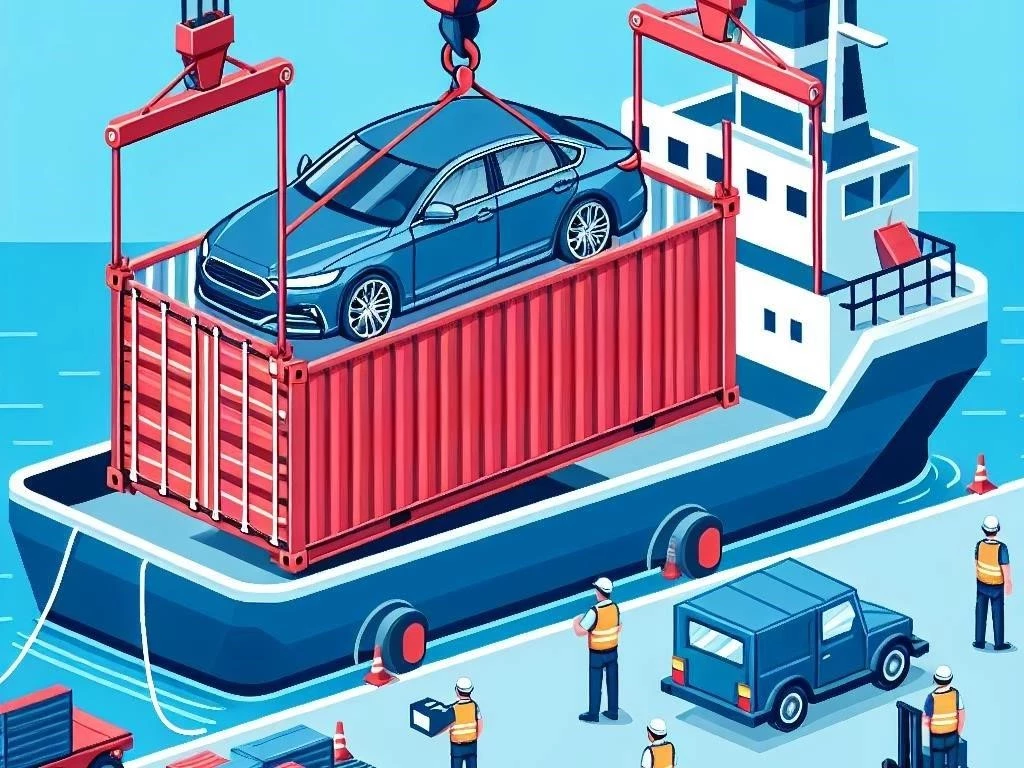
Understanding shipping costs is essential when planning your vehicle transport․ Various factors influence prices, including distance, shipping method, and additional services required for transport․
Factors Affecting Shipping Costs
Several factors influence the shipping costs associated with transporting your vehicle in a container․ First, the distance between the pickup and delivery locations plays a significant role; longer distances typically result in higher costs․ Additionally, the chosen shipping method, such as containerized shipping versus open transport, can affect the price significantly․ The type of vehicle being shipped also matters, with larger or luxury vehicles often incurring higher fees․ Seasonal demand, fuel prices, and the shipping company’s pricing structure can further impact costs․ Lastly, additional services like transport insurance or expedited shipping may contribute to the overall expense, making it essential to evaluate all options carefully․
Estimating Shipping Costs
Estimating shipping costs for your vehicle requires careful consideration of various factors․ Start by contacting multiple shipping companies to obtain quotes based on your specific needs․ Provide details such as the vehicle type, pickup and delivery locations, and preferred shipping method․ Many companies offer online calculators to help you get preliminary estimates․ Additionally, consider potential extra fees, including transport insurance, customs duties, and terminal handling charges․ It’s wise to ask about discounts for multiple vehicles or long-distance shipping․ Finally, ensure you review the total cost breakdown, allowing you to make an informed decision․ Accurate estimates can help you budget effectively for your car shipping needs․
Choosing a Shipping Company
Choosing the right shipping company is crucial for a successful car transport experience․ Researching options, reading reviews, and verifying credentials can help ensure quality service․
Researching Shipping Companies
Researching shipping companies is a crucial step in ensuring a successful vehicle transport experience․ Start by seeking recommendations from friends, family, or online forums․ Utilize search engines to find reputable shipping companies specializing in container transport․ Investigate each company’s website for information about their services, experience, and areas served․ Pay attention to customer reviews and testimonials, as they provide valuable insights into reliability and customer satisfaction․ Additionally, check for any industry certifications or memberships, which can indicate professionalism․ Don’t hesitate to contact potential companies directly to ask questions about their processes, insurance options, and pricing․ Thorough research can help you choose the best shipping partner for your needs․
Reading Reviews and Testimonials
Reading reviews and testimonials is an essential part of selecting a shipping company for your vehicle․ Online platforms, such as review websites and social media, provide insights into previous customers’ experiences․ Look for patterns in feedback, including the quality of service, communication, and overall satisfaction․ Positive reviews can indicate reliability and professionalism, while negative comments may highlight potential issues to consider․ Be sure to read a variety of reviews to get a balanced perspective․ Additionally, check for testimonials on the company’s website, but remember these may be selectively positive․ Engaging in discussions on online forums can also provide further valuable insights into shipping companies’ reputations․
Verifying Credentials
Verifying credentials is a vital step in choosing a reliable shipping company for your vehicle․ Begin by checking if the company is licensed and registered with relevant authorities, such as the Federal Motor Carrier Safety Administration (FMCSA) in the United States․ This registration ensures that the company adheres to industry regulations and standards․ Additionally, verify their insurance coverage, which protects you against potential damages during transit․ Look for any industry certifications or affiliations that demonstrate professionalism and commitment to quality service․ It’s also beneficial to confirm their experience in container transport, as specialized knowledge can enhance the safety and efficiency of your vehicle shipping process․
Freight Services and Shipping Logistics
Freight services and shipping logistics are essential components of effective vehicle transport․ Understanding these concepts helps ensure your car is shipped safely and efficiently․
What are Freight Services?
Freight services refer to the various transportation solutions offered by companies to move goods, including vehicles, from one location to another․ These services encompass a wide range of methods, such as land, air, and sea transport․ In the context of vehicle shipping, freight services can include containerized shipping, which ensures that cars are securely packed and protected during transit․ Companies providing freight services often manage logistics, coordinating the entire process from pickup to delivery․ They also handle necessary paperwork and compliance with shipping regulations․ By utilizing freight services, vehicle owners can benefit from professional expertise and efficiency, ensuring their cars are transported safely and reliably․
Understanding Shipping Logistics for Cars
Understanding shipping logistics for cars is crucial for a smooth transport experience․ Logistics involves planning, implementing, and managing the movement of vehicles from one location to another․ Key aspects include route optimization, scheduling, and coordination with various parties involved, such as shipping companies and customs officials․ Proper logistics ensure timely delivery while minimizing risks associated with transportation․ It’s essential to consider factors like port availability, transit times, and potential delays due to weather or regulatory requirements․ Additionally, effective communication with the shipping company is vital to stay informed about the status of your shipment․ By grasping these logistics, you can ensure a more efficient car shipping process․
Insurance and Protection
Insurance and protection are vital when shipping your car in a container․ Ensuring proper coverage safeguards against potential damages or losses during the transport process․
Importance of Transport Insurance
Transport insurance is essential when shipping your car in a container as it provides financial protection against potential damages or losses during transit․ Accidents, natural disasters, or unforeseen events can occur, leading to costly repairs or replacement․ Having adequate insurance coverage ensures that you are not left bearing the financial burden in such situations․ Additionally, many shipping companies offer various insurance options, allowing you to choose a plan that best suits your needs․ It’s crucial to thoroughly read the policy details and understand the coverage limits, exclusions, and claims process․ By investing in transport insurance, you gain peace of mind, knowing your vehicle is protected throughout its journey․
Types of Insurance Coverage
When shipping your car in a container, understanding the types of insurance coverage available is crucial․ Typically, there are two main types: standard coverage and comprehensive coverage․ Standard coverage usually protects against damage during transit but may have limitations on specific incidents․ Comprehensive coverage, on the other hand, offers broader protection, including theft, vandalism, and natural disasters․ Additionally, some companies provide specialized marine insurance, specifically designed for overseas shipping, covering unique risks associated with maritime transport․ It’s essential to assess your vehicle’s value and the potential risks involved in shipping․ Carefully reviewing these options will help you choose the best insurance policy for your needs․
Import/Export Regulations
Import/export regulations play a crucial role in shipping your car internationally․ Understanding these rules ensures compliance and smooth transportation across borders without complications․
Understanding International Shipping Regulations
Understanding international shipping regulations is essential for successfully transporting your car in a container․ Each country has its own set of rules governing vehicle imports and exports, which can include safety standards, emissions regulations, and customs requirements․ Before shipping, research the specific regulations of both the departure and destination countries to ensure compliance․ This may involve obtaining necessary documentation, such as customs declarations, import permits, and proof of ownership․ Additionally, be aware of any taxes or duties that may apply upon arrival․ Working with a reputable shipping company familiar with international regulations can streamline the process and help avoid potential delays or fines during transit․
Documentation Required for Car Relocation
When relocating your car internationally, proper documentation is crucial to ensure a smooth shipping process․ Key documents typically include the vehicle’s original title and registration, verifying ownership․ Additionally, a bill of sale may be required if the car was recently purchased․ You will also need to provide a completed customs declaration form, detailing the vehicle’s specifications and value․ Import permits may be necessary depending on the destination country’s regulations․ Furthermore, proof of insurance is essential to protect your investment during transit․ Lastly, any specific forms required by the shipping company must be completed accurately․ Ensuring all documentation is in order can help prevent delays and complications․
Tracking Your Shipment
Tracking your shipment is essential for staying informed about your vehicle’s progress․ Utilizing tracking tools provided by the shipping company ensures transparency throughout the transport process․
How to Track Your Cargo Shipping
Tracking your cargo shipping is a straightforward process that ensures you remain informed about your vehicle’s status during transit․ Most reputable shipping companies provide online tracking tools, allowing you to monitor your shipment in real-time․ To begin, visit the shipping company’s website and locate the tracking section․ Enter your unique tracking number, which is usually provided upon booking your shipment․ This number will give you access to updated information regarding your vehicle’s location and estimated delivery time․ Additionally, many companies offer mobile applications for convenient tracking on the go․ Regularly checking your shipment status can help alleviate concerns and keep you informed during the transport process․
Communicating with Your Shipping Company
Communicating effectively with your shipping company is vital for a successful vehicle transport experience․ Start by establishing clear contact with a representative who can answer your questions and provide updates․ Use multiple communication channels, such as phone, email, or live chat, to ensure you can reach them when necessary․ Be proactive in asking about shipping timelines, required documentation, and any potential delays․ Regularly check in for updates on your vehicle’s status throughout the shipping process․ Additionally, ensure you understand the company’s policies concerning changes or issues that may arise․ Open communication fosters trust and can help address concerns promptly, ensuring a smoother shipping experience overall․
